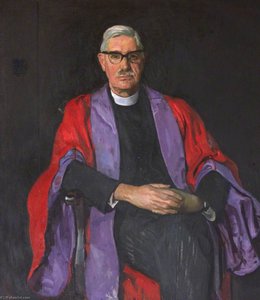
Portret Alberto Morrocco

24 najsłynniejszych obrazów artysty Alberto Morrocco – wybór z galerii

Aktualizacja: Listopad 2026 · ranking według naszego wskaźnika popularności (liczba wyszukiwań, wizyt i zamówień dla każdego dzieła) · 24 dzieł Alberto Morrocco w naszym katalogu

W skrócie

Spośród wszystkich dzieł oryginalnych, które pozostawił Alberto Morrocco, najsłynniejszym jest Sir Anthony Wheeler (1983–1990), OBE, PRSA (1992), znajdujący się w kolekcji Royal Scottish Academy of Art - Architecture w Edynburg. Tuż za nimi znajdują się Calle de Coseolano Rosas oraz John Henderson Seaforth Burleigh (1894–1985). Nasz katalog zawiera 24 dzieł autorstwa Alberto Morrocco; galeria zachowała 24 najbardziej podziwianych na świecie prac, z których każda została przedstawiona wraz z datą powstania, informacją o muzeum oraz jej historią.

1917 – 1998, Aberdeen Contemporary realism Najwięcej dzieł: The Fleming Collection

10 najlepszych obrazów artysty Alberto Morrocco: wybór galerii

1
Sir Anthony Wheeler (1983–1990), OBE, PRSA (1992) autorstwa Alberto Morrocco

Sir Anthony Wheeler (1983–1990), OBE, PRSA

1992 · Oil On Canvas · Royal Scottish Academy of Art - Architecture, Edynburg

An elderly man sits at a desk, immersed in a study that feels both private and theatrical. He is dressed in a formal suit with a bow tie and a gold pendant, holding a document in one hand and a glass beaker in the other. The composition is dense, layering the central figure against a background where a reclining nude female form is partially obscured by drapery. To the left,…

Kontynuacja zestawienia Alberto Morrocco, od 11 do 24

Tematy, które przyciągnęły wzrok Alberto Morrocco

Cztery motywy najczęściej powracające w tych oryginałach, z których każdy doczekał się swojego najdoskonalszego przykładu.

Muzea przechowujące oryginały Alberto Morrocco

5 muzeów, w których znajduje się najwięcej obrazów z tej strony.

Muzea Miasto Dzieła artysty Alberto Morrocco Obrazy z tej listy
The Fleming Collection, LondynThe Fleming Collection Londyn 3 Love on the Costa del Sol, Tay Bridge, Winter, Boy Reading
Royal Scottish Academy of Art - Architecture, EdynburgRoyal Scottish Academy of Art - Architecture Edynburg 2 Sir Anthony Wheeler (1983–1990), OBE, PRSA, The Studio with Lay Figure
The Resource Centre, NewarkThe Resource Centre Newark 1 Low Tide
Jerwood Gallery, HastingsJerwood Gallery Hastings 1 Still Life with Lobster and Watermelon
University of Stirling, StirlingUniversity of Stirling Stirling 1 Professor John Forty

Alberto Morrocco dekada po dekadzie: oryginały definiujące każdy okres

Dzieła według dekad

Wybierz dekadę, aby zobaczyć dzieło, które ją definiuje.

Pytania kolekcjonerów o obrazy Alberto Morrocco

Z jakiego dzieła najbardziej znany jest Alberto Morrocco?Odkryj odpowiedź

Sir Anthony Wheeler (1983–1990), OBE, PRSA (1992), Royal Scottish Academy of Art - Architecture, Edynburg. Następne są Calle de Coseolano Rosas oraz John Henderson Seaforth Burleigh (1894–1985).

W jakim wieku był Alberto Morrocco, gdy powstało Sir Anthony Wheeler (1983–1990), OBE, PRSA?Odkryj odpowiedź

75 lat: Sir Anthony Wheeler (1983–1990), OBE, PRSA pochodzi z 1992, a Alberto Morrocco urodził(a) się w 1917.

Jakie są dziesięć najsłynniejszych obrazów, których autorem jest Alberto Morrocco?Odkryj odpowiedź

Sir Anthony Wheeler (1983–1990), OBE, PRSA, Calle de Coseolano Rosas, John Henderson Seaforth Burleigh (1894–1985), Sir Charles Wilson (1909–2002), The Honourable Lord Cameron, John Cameron (1900–1996), Breakfast, Love on the Costa del Sol, Mrs Elizabeth Lockhart, Captain James Smith i Low Tide. Powyższy ranking zawiera rok powstania oraz muzeum dla każdego z nich.

Ile obrazów pozostawił po sobie Alberto Morrocco?Odkryj odpowiedź

Nasz katalog zawiera 24 dzieł artysty Alberto Morrocco, datowanych od 1948 do 1996.

W których muzeach znajdują się arcydzieła Alberto Morrocco?Odkryj odpowiedź

W większości znajdują się w The Fleming Collection (Londyn), Royal Scottish Academy of Art - Architecture (Edynburg) i The Resource Centre (Newark). Powyższa tabela muzeów zawiera ich pełną listę.

W których latach Alberto Morrocco namalował swoje najsłynniejsze dzieła?Odkryj odpowiedź

W 1990s: 6 z 24 dzieł na tej stronie powstało w tym czasie, w tym Sir Anthony Wheeler (1983–1990), OBE, PRSA.

Jakie są pierwsze i ostatnie słynne oryginały Alberto Morrocco?Odkryj odpowiedź

Na tej stronie najwcześniejszy to Mrs Elizabeth Lockhart (1948), a najpóźniejszy Dr Pat McPherson (1916–2008) (1996).

Jakie tematy Alberto Morrocco wybierał najczęściej?Odkryj odpowiedź

Portrait (2), Melancholy (2) i Victorian (2), w ramach 24 dzieł na tej stronie.

Do jakiego nurtu artystycznego należy Alberto Morrocco?Odkryj odpowiedź

Contemporary realism, sądząc po oryginałach na tej stronie.

Które dzieła Alberto Morrocco znajdują się w The Fleming Collection?Odkryj odpowiedź

Love on the Costa del Sol, Tay Bridge, Winter i Boy Reading: The Fleming Collection, Londyn posiada 3 dzieł widocznych na tej stronie.

Alberto Morrocco: życie i twórczość

The Vibrant Legacy of Alberto Morrocco

Alberto Morrocco stands as a pivotal figure in twentieth-century Scottish art, a master whose brush captured the soul of both the rugged Highlands and the sun-drenched streets of Italy. Born in Aberdeen in 1917 to Italian immigrant parents, Domenic Antonio Marrocco and Celesta Crolla, his very identity was a beautiful tapestry of cultures. Interestingly, the name "Morrocco" itself became a permanent part of his legacy due to a whimsical error by a local signwriter at his father's ice cream shop. This blend of Scottish grit and Italian warmth would later manifest in his art, creating a unique aesthetic that bridged the gap between Northern European landscapes and Mediterranean light.

His artistic journey began at Gray’s School of Art under the guidance of Robert Sivell, but it was his travels through France, Italy, and Switzerland that truly ignited his creative spirit. These formative years abroad exposed him to the profound shifts occurring in the modern art world. While his roots remained grounded in the Impressionist traditions of Monet and Renlam, Morrocco possessed an insatiable intellectual curiosity that led him toward the avant-garde. The geometric fragmentation of Braque and the bold, transformative innovations of Picasso became lifelong companions in his creative process, instilling in him a commitment to experimentation and expressive, textured brushwork that defied simple imitation.

A Vision of Scotland and Venice

Morrocco’s oeuvre is perhaps most celebrated for its breathtaking duality. On one hand, he offered an enduring tribute to the Scottish landscape, particularly the dramatic and untamed coastlines of Orkney and Sutherland. In these works, he did not merely record scenery; he captured a palpable sense of atmosphere, using subtle hues and meticulous observation to convey the weight of the mist and the strength of the sea. His portraits, such as the dignified John Henderson Seaforth Burleigh, further demonstrate his ability to imbue subjects with a quiet, historical elegance through a blend of realism and Impressionistic light.

Conversely, his fascination with Venice provided a luminous counterpoint to the Scottish moors. In his Venetian visions, Morrocco sought to translate the city's shimmering light, its grandeur, and its inherent melancholy onto canvas. Whether depicting quiet, sun-drenched interiors in works like Breakfast or capturing the bustling energy of the canals, he utilized a vibrant palette to evoke the spirit of the Italian lagoon. This ability to oscillate between the rugged North and the radiant South allowed him to create a body of work that felt both intimately local and universally evocative.

Professional Mastery and Lasting Impact

Beyond his canvases, Morrocco was a cornerstone of the Scottish art community. His professional life was deeply rooted in Dundee, where he served as the Head of the School of Painting at the Duncan of Jordanstone College of Art. His influence extended into the very fabric of public spaces through his monumental murals for St. Columba's Church in Glenrothes and the Royal Dundee Liff Hospital. Even in his later years, Morrocco remained a prolific force; from 1982 until his death in 1998, he produced some of his most vigorous and energetic works, often committing to massive exhibitions of dozens of new pieces in a single year.

The significance of Alberto Morrocco lies in his ability to synthesize disparate influences into a cohesive, emotive language. His life's work remains a testament to the power of cultural fusion, blending:

  • Technique: The marriage of Impressionist light with Cubist structure and bold, modern textures.
  • Subject Matter: A seamless transition between the intimate stillness of still lifes—such as his vibrant Still Life with Lobster and Watermelon—and the expansive majesty of coastal landscapes.
  • Legacy: A profound contribution to Scottish identity that embraced international modernism without losing its connection to the local soil.

Through his mastery of color and form, Morrocco ensured that the light of both Scotland and Italy would continue to shine through the annals of art history.