() ·

Obraz stworzony dla Ciebie, własnoręcznie

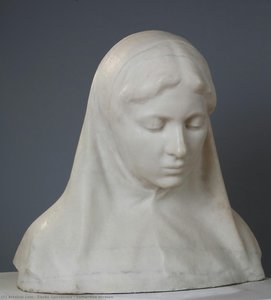
Nymph

Ręcznie malowana reprodukcja olejowa

Ręcznie malowany obraz olejny na płótnie, wykonany na zamówienie przez naszych artystów w wybranym przez Ciebie wymiarze i oprawie. ( Przełącz na wydania drukowane Przejdź do wersji cyfrowej)

Opis obiektu

Biografia artysty

Discover Zheko Spiridonov (1867-1945), a pioneer of Bulgarian sculpture! Explore neoclassical busts, portraits & early nudes. Founder & professor at the National Academy of Art.

od ·

Rozdział 1

Jak duży powinien być ten format?

Przesuń suwak, aby zmienić rozmiar; obraz po lewej stronie przedstawia ramę w jej rzeczywistej szerokości. Zachowano proporcje oryginału.

Standardowy format
personalizowane
CM
INCH

Wybierz spośród naszych standardowych rozmiarów, które zachowują oryginalne proporcje dzieła sztuki.

szerokość
wysokość

Wpisz wymaganą szerokość i wysokość, aby obraz pasował do Twojej ramy lub ściany. Ponieważ jest to dzieło malowane ręcznie, w przypadku rozmiaru o innych proporcjach artysta może domalować nieco więcej wokół obrazu lub przyciąć jego fragmenty — wybór należy do Ciebie. Przed rozpoczęciem pracy prześlemy Ci cyfrową wizualizację do zatwierdzenia. Obraz widoczny na tej stronie nie przedstawia rzeczywistego efektu — jedynie wizualizacja oddaje realny rezultat.

Rozdział 2

W jaki sposób ma zostać dostarczone?

Wybierz krawędzie płótna naciągniętego na ramę

Wybierz ramę

Corner sample of the WhiteWrap canvas edge finish, stretched on lite drewno bars
Białe krawędzie zł1
Corner sample of the BlurSideWrap canvas edge finish, stretched on lite drewno bars
rozmyte krawędzie zł1
Corner sample of the ExtendedWrap canvas edge finish, stretched on lite drewno bars
Przedłużony zł1
Corner sample of the P118B picture frame: polistyren formowany, 5 cm wide and 3 cm thick
P118B zł10
Corner sample of the P118H picture frame: polistyren formowany, 5 cm wide and 3 cm thick
P118H zł10
Corner sample of the P118W picture frame: polistyren formowany, 5 cm wide and 3 cm thick
P118W zł10
Corner sample of the P438Z picture frame: polistyren formowany, 5.5 cm wide and 3.5 cm thick
P438Z zł10
Corner sample of the P508JH picture frame: polistyren formowany, 7 cm wide and 3.5 cm thick
P508JH zł12
Corner sample of the P508YH picture frame: polistyren formowany, 7 cm wide and 3.5 cm thick
P508YH zł12
Corner sample of the P805H picture frame: polistyren formowany, 5 cm wide and 3.5 cm thick
P805H zł10
Corner sample of the P805Z picture frame: polistyren formowany, 5 cm wide and 3.5 cm thick
P805Z zł10
Corner sample of the P919BZ picture frame: polistyren formowany, 7 cm wide and 3.5 cm thick
P919BZ zł10
Corner sample of the P919G picture frame: polistyren formowany, 7 cm wide and 3.5 cm thick
P919G zł10
Corner sample of the P919XJ picture frame: polistyren formowany, 7 cm wide and 3.5 cm thick
P919XJ zł10
Corner sample of the P959ZH picture frame: polistyren formowany, 5 cm wide and 3 cm thick
P959ZH zł10
Corner sample of the P968JZ picture frame: polistyren formowany, 6 cm wide and 4 cm thick
P968JZ zł12
Corner sample of the W106C picture frame: lite drewno, 5 cm wide and 3 cm thick
W106C zł8
Corner sample of the W218G picture frame: lite drewno, 5 cm wide and 3 cm thick
W218G zł10
Corner sample of the W218JH picture frame: lite drewno, 5 cm wide and 3 cm thick
W218JH zł8
Corner sample of the W218Y picture frame: lite drewno, 5 cm wide and 3 cm thick
W218Y zł10
Corner sample of the W307PJ picture frame: lite drewno, 6 cm wide and 3 cm thick
W307PJ zł10
Corner sample of the W316G picture frame: lite drewno, 6 cm wide and 3 cm thick
W316G zł10
Corner sample of the W316PJ picture frame: lite drewno, 6 cm wide and 3 cm thick
W316PJ zł8
Corner sample of the W316Y picture frame: lite drewno, 6 cm wide and 3 cm thick
W316Y zł10
Corner sample of the W398PJ picture frame: lite drewno, 5 cm wide and 3 cm thick
W398PJ zł8
Corner sample of the W4111J picture frame: lite drewno, 6.5 cm wide and 3.5 cm thick
W4111J zł10
Corner sample of the W500HY picture frame: lite drewno, 7 cm wide and 5 cm thick
W500HY zł15
Corner sample of the W500JH picture frame: lite drewno, 7 cm wide and 5 cm thick
W500JH zł15
Corner sample of the W692G picture frame: lite drewno, 8 cm wide and 4 cm thick
W692G zł12
Corner sample of the W849H picture frame: lite drewno, 5 cm wide and 3 cm thick
W849H zł8
Corner sample of the W940BG picture frame: lite drewno, 7.5 cm wide and 4.5 cm thick
W940BG zł15
Corner sample of the W953PJ picture frame: lite drewno, 6 cm wide and 3.5 cm thick
W953PJ zł8
Corner sample of the H24-GOLD picture frame: rzeźbione drewno pokryte gipsem, 10 cm wide and 6 cm thick
H24-GOLD zł30
Corner sample of the H24-SILVER picture frame: rzeźbione drewno pokryte gipsem, 10 cm wide and 6 cm thick
H24-SILVER zł30
Corner sample of the H36-GOLD picture frame: rzeźbione drewno pokryte gipsem, 15 cm wide and 6.5 cm thick
H36-GOLD zł45
Corner sample of the H36-SILVER picture frame: rzeźbione drewno pokryte gipsem, 15 cm wide and 6.5 cm thick
H36-SILVER zł45

Profil: . Wymiar całkowity w ramie: .

Rozdział 3

Kto go maluje i czy coś powinno ulec zmianie?

Przykłady możliwych zmian: Zastąpienie twarzy zdjęciem klienta; Dodanie zwierzęcia (np. zamiana kota na psa); Ukrycie wiadomości w tle; Zmiana krajobrazu lub elementów tła.
Po złożeniu zamówienia zespół OriginalUniqueArt.com skontaktuje się z klientem drogą mailową w celu uzyskania instrukcji i prześle podgląd projektu

Dostawa na całym świecie () w ciągu 3–4 tygodni zamiast standardowych 5 tygodni. (21 Listopad). Bez kompromisów w kwestii jakości.

Rozdział 4

Ostatnie szlify

Tabliczka informacyjna, jak w muzeum?

Szczegóły grawerowanej brązowej tabliczki

This elegant plaque features the artist's name and the title of the artwork, finely engraved for a timeless presentation.

It is made from bronze with a refined, elegant finish. The text is precisely laser-engraved for a sharp and permanent result. Measuring 9x2 cm, the plaque is compact yet easy to read. It's built to be durable and scratch-resistant, offering a professional, museum-quality look. Mounting is simple thanks to the included adhesive backing.

Szczegóły przezroczystej tabliczki akrylowej

The plaque includes essential engraved details such as the artist's name, the title of the artwork, the date it was created, the type of media used-like oil on canvas or watercolor-a brief description of the piece, and a QR code that links to the complete artwork information.

It is crafted from clear acrylic, offering a sleek, modern appearance. The text is UV-engraved in black to ensure strong visual contrast. With a size of 10x15 cm, it ensures optimal readability. It comes equipped with two metal hooks for secure wall mounting. The plaque is designed to be weather-resistant, making it suitable for various environments, and it includes interactive features that work seamlessly with smartphone scanning.

Szczegóły czarnej tabliczki akrylowej

This elegant plaque includes engraved information such as the artist's name, the title of the artwork, the date it was created, the type of media used (like oil on canvas or watercolor), a short description of the artwork, and a QR code for quick access to more information.

The plaque itself is made from refined black acrylic with a premium finish. The text is laser-engraved in white for high contrast and readability. Its size is 10x15 cm, designed to be easy to read. It comes with two metal hooks for professional mounting. The design is sleek and fits any interior style. It is also weather-resistant and durable, with built-in digital integration for mobile compatibility.

Werniks ochronny?

Kiedy potrzebujesz dostawy?

Rozdział 5

Twoje dzieło, dokładnie tak, jak zamówiłeś

Nymph

Technika reprodukcji

Wymiary reprodukcji

-

Wybitny mistrz artystyczny

Większa szczegółowość, finezja i dodatkowy czas na realizację

-

Opcje oprawy reprodukcji

-

-

W przypadku dzieł sztuki lub reprodukcji, których którykolwiek z boków przekracza 105 cm (około 41 cali), rama zostanie wysłana w formie zestawu do samodzielnego montażu. Metoda ta zapewnia bezpieczną dostawę i zapobiega uszkodzeniom podczas transportu.

Wymagany profesjonalny montaż – nie jest to produkt typu DIY.
Zestaw musi zostać złożony, a płótno naciągnięte przez doświadczonego profesjonalnego ramiarza, przy użyciu kleju do drewna (brak w zestawie), kleszczy do naciągania płótna oraz ścisków, które utrzymają krosna w równej pozycji podczas schnięcia kleju. Nieprawidłowy montaż lub nierównomierne napięcie płótna może trwale uszkodzić dzieło sztuki i nie podlega naszej gwarancji.

  • W zestawie znajdują się wszystkie listwy z litego drewna, precyzyjnie docięte do wymiarów.

  • Montaż odbywa się przy użyciu dołączonych wkrętów oraz kleju do drewna do łączenia narożników, którego zestaw nie zawiera i który musi zostać dostarczony przez ramiarza.

  • Wymagane są profesjonalne narzędzia, których nie ma w zestawie: kleszcze do naciągania płótna (napinacz) oraz zaciski, które pozwolą utrzymać listwy w równej pozycji podczas schnięcia kleju.

Ważne:
Do połączenia narożników niezbędny jest klej do drewna, listwy należy unieruchomić za pomocą ścisków do momentu całkowitego wyschnięcia kleju, a naciągnięcie płótna na złożoną ramę wymaga użycia kleszczy do naciągania płótna. Żaden z tych elementów nie jest dołączony do zestawu. Przed zamówieniem tego rozmiaru zalecamy konsultację z doświadczonym ramiarzem.

Etykieta obiektu

-

-

Lakier ochronny

Lakier z połyskiem (pogłębia kolory, chroni przed światłem i wilgocią)

-

Personalizacja dzieła

Przykłady możliwości personalizacji: zastąp twarz zdjęciem klienta; dodaj zwierzę domowe (np. zamień kota na psa); umieść ukrytą wiadomość w tle; zmień krajobraz lub elementy tła.

-

Ekspresowa

Dostawa na cały świat () w ciągu 3–4 tygodni zamiast standardowych 5 tygodni. (21 Listopad). Bez kompromisów w kwestii jakości.

-

Przesyłka ekspresowa

Dostawa na cały świat () w ciągu 5 tygodni. (28 Listopad).

W cenie

Cena całkowita

zł 1170

Suma całkowita zł 1170

Opcja ze szkłem jest dostępna wyłącznie w rozmiarach poniżej 110 cm

W każdym zamówieniu

  • Bezpłatna ekspresowa wysyłka na cały świat
  • Wysokiej jakości płótno lniane
  • Pełne ubezpieczenie przesyłki
  • Gwarancja zwrotu należności celnych i podatków importowych
  • Gwarancja wiernego odwzorowania kolorów
  • 100-dniowa polityka zwrotów (tylko w przypadku wad)
  • Gwarancja 100% zwrotu pieniędzy
  • Zniżka przy zakupie wielu sztuk
Zheko Spiridonov is one of the founders of the art of sculpture in post-Liberation Bulgaria. Spiridinov was a graduate of one of the major European cultural centres. Initially, he was sent in 1886 by the Ministry of Enlightenment to be educated at the School of Ceramics in Bechyně, Czechia. Later, in 1892, along with his colleague Marin Vasilev, he studied sculpture at the Munich Academy of Fine Arts, graduating with a silver medal. Following the creation of the State School of Drawing in Sofia (today the National Academy of Art), he became one of its first lecturers and professors in sculpture. He was also its director on three occasions.Zheko Spiridonov created representative easel portraits executed in the spirit of the Munich academic school. He produced a gallery of bust monuments in Sofia and Varna of National Revival enlighteners and revolutionaries, and carved the first nudes in Bulgarian sculpture in the neoclassical style typical of the 19th century.

Pytania i odpowiedzi

Skąd pochodzą odwiedzający „Nymph” – Zheko Spiridonov?

Statystyki dotyczące „Nymph” – Zheko Spiridonov znajdują się na stronie Statystyki wyświetleń dzieła: obejmują one miesięczną liczbę odwiedzin danego dzieła, wizyty przy pracach artysty oraz podział ostatnich odwiedzających według krajów i języków.

Czy dzieło "Nymph" pozostało w ojczyźnie swojego artysty?

Tak – dzieło znajduje się w kraju pochodzenia artysty. Zheko Spiridonov urodził(a) się w Bulgaria, natomiast muzeum przechowujące oryginał dzieła „Nymph” znajduje się w Bulgaria.

Czy mogę zobaczyć obraz „Nymph” – Zheko Spiridonov w widoku rentgenowskim?

Widok rentgenowski dzieła „Nymph” – Zheko Spiridonov jest dostępny na stronie Analiza rentgenowska: to interaktywna analiza obrazu obejmująca jedenaście warstw optycznych.

Więcej o tym obrazie

Podgląd w skali 1:1 Podgląd AR Przełącz na wydania drukowane Przejdź do wersji cyfrowej Wyślij jako kartkę
Szczegóły dzieła Przewodnik Dodaj do ulubionych Pobierz obraz Podobne obiekty RTG Pokaz slajdów Pytania i odpowiedzi Statystyki

W liczbach

  • 1897rok powstania dzieła
  • 29dostępne ramy do wyboru
  • standardowe formaty, w ich własnych proporcjach
  • 5tygodni na namalowanie i dostarczenie dzieła
Zheko Spiridonov

Zheko Spiridonov

1867 - 1945, Bulgaria

Krótkie informacje o Zheko Spiridonov

  • Full Name: Zheko Spiridonov
  • Nationality: Bulgarian
  • Date Of Birth: 1867
  • Date Of Death: 1945
  • Place Of Birth: Bulgaria
  • Notable Artworks:
    • Samaritan Woman
    • Portrait of James Bourchier
  • Artistic Movement Or Style: Neoclassical, Academic
  • Artists Who Influenced This Artist:
    • Munich Academy
    • Zahari Zograf
  • Artists Or Movements Influenced By This Artist:
    • Munich Academic School
    • National Revival Bulgaria

Biografia artysty

Zheko Spiridonov: A Pioneer of Bulgarian Neoclassicism

Zheko Spiridonov (1867-1945) stands as a pivotal figure in the nascent art scene of post-liberation Bulgaria, a sculptor whose work bridged the gap between European academic traditions and the burgeoning national identity of his country. Born in Shumen, Bulgaria, Spiridonov’s journey to artistic prominence was marked by rigorous training and a dedication to both classical forms and the representation of Bulgarian history and culture. His career unfolded against the backdrop of significant social and political shifts, shaping him into one of the most important sculptors of his era. Spiridonov's early education began at the School of Ceramics in Bechyně, Czech Republic, a strategic placement chosen by the Ministry of Enlightenment to expose him to European artistic practices. This initial exposure proved invaluable, providing a foundation in technical skill and an understanding of classical modeling techniques. However, his true artistic development accelerated with his subsequent studies at the Munich Academy of Fine Arts, where he graduated with a silver medal – a testament to his burgeoning talent and adherence to the rigorous standards of the academic school. The influence of Munich is undeniable in his later work; Spiridonov embraced the neoclassical style prevalent in the city, characterized by its emphasis on idealized forms, precise detail, and a sense of dignified restraint. This stylistic choice reflected both a conscious effort to emulate established European masters and a desire to imbue Bulgarian sculpture with an air of authority and timelessness. Following his graduation, Spiridonov returned to Bulgaria and quickly ascended to positions of influence within the country’s developing artistic landscape. He became one of the first lecturers and professors at the newly established State School of Drawing in Sofia (later the National Academy of Art), a role he held on three separate occasions, demonstrating his commitment to nurturing future generations of artists. Beyond his teaching duties, Spiridonov distinguished himself through a series of significant commissions – most notably, the creation of representative easel portraits executed in the spirit of Munich academicism. These portraits, often depicting national revival leaders and revolutionary figures, served as powerful visual narratives of Bulgaria’s historical trajectory. He also carved a gallery of bust monuments honoring key personalities from the National Revival period, solidifying his reputation as a sculptor deeply invested in shaping Bulgaria's cultural identity. Notably, Spiridonov was among the first Bulgarian sculptors to venture into depicting nudes in the neoclassical style, a bold move that challenged prevailing artistic conventions and signaled a shift towards greater realism and humanism within Bulgarian sculpture.

Early Influences and Artistic Style

Spiridonov’s artistic development can be traced back to several key influences. The Munich Academy provided him with the technical skills and formal training essential for mastering classical sculpting techniques. However, his exposure to Czech ceramics instilled in him an appreciation for craftsmanship and attention to detail. Furthermore, he was deeply influenced by the prevailing neoclassical style of the 19th century, characterized by its emphasis on idealized forms, balanced compositions, and a sense of timelessness. This stylistic choice is evident in many of his works, particularly his portraits and bust monuments, which often depict subjects with an air of dignified solemnity and classical beauty. His work demonstrates a remarkable ability to capture the essence of his subjects while adhering to the principles of neoclassical sculpture.

Key Works and Historical Significance

Spiridonov’s artistic output encompasses a diverse range of projects, each contributing to the evolution of Bulgarian sculpture. His portraits, particularly those depicting figures from the National Revival period, are considered masterpieces of their genre. These works not only capture the likenesses of historical figures but also convey their personalities and ideals with remarkable skill. The bust monuments he created – honoring revolutionaries, intellectuals, and cultural leaders – played a crucial role in shaping Bulgaria’s collective memory and celebrating its national heritage. His work on the monument to Vasil Levski in Karlovo is particularly noteworthy, embodying the spirit of Bulgarian resistance and sacrifice. Beyond these monumental works, Spiridonov's early nudes, executed with a sensitivity rarely seen in contemporary sculpture, represented a significant step forward for Bulgarian art, demonstrating his willingness to challenge artistic conventions and explore new avenues of expression.

Legacy and Lasting Impact

Zheko Spiridonov’s contribution to Bulgarian art is profound and enduring. He played a pivotal role in establishing the foundations of modern sculpture in post-liberation Bulgaria, introducing European academic traditions while simultaneously forging a distinctly Bulgarian artistic voice. His influence extended beyond his own creations; he mentored generations of artists at the National Academy of Art, shaping the course of Bulgarian sculpture for decades to come. His work continues to be studied and admired today, serving as a testament to his skill, vision, and dedication to the art of sculpting. He remains a key figure in understanding the development of Bulgarian artistic identity during a period of significant social and political transformation. His legacy is inextricably linked to the nation's efforts to define itself through art and culture.