

 Podgląd w skali 1:1
 Wyślij jako kartkę
 Udostępnij
 Szczegóły dzieła
 Przewodnik

 Pobierz obraz
 Podobne obiekty
 RTG
RTG Pokaz slajdów
 Statystyki
Home Is a Foreign Place
 Woodblock Print
- WallArt
- Minimalism
 1999
1999 330.0 x 407.0 cm
 Muzeum Sztuki Nowoczesnej (MoMA)
 Rozwiń treść
Dzieło sztuki prezentowane na tej stronie podlega ochronie prawem autorskim, co oznacza, że nie mamy prawa do tworzenia ani sprzedaży jego identycznej reprodukcji. Ochrona ta jest egzekwowana na mocy umów międzynarodowych, takich jak Konwencja berneńska oraz przez przepisy prawa krajowego, w tym te określone w Prawo autorskie USA – Tytuł 17.
Metoda ta jest w pełni zgodna z przepisami prawa autorskiego, ponieważ nie polega na kopiowaniu ani powielaniu chronionego dzieła. Stanowi ona kreatywną reinterpretację – nowy obraz, który czerpie inspirację z oryginału, ale nie jest z nim tożsamy.
Giclée / Wydruk artystyczny
Wydruki giclée lub płótna o jakości muzealnej, szybka realizacja i szeroki wybór opcji wykończenia. ( Zamów ręcznie malowaną reprodukcję Przejdź do wersji cyfrowej)




P118B zł10

P118H zł10

P118W zł10

P438Z zł10

P508JH zł12

P508YH zł12

P805H zł10

P805Z zł10

P919BZ zł10

P919G zł10

P919XJ zł10

P959ZH zł10

P968JZ zł12

W106C zł8

W218G zł10

W218JH zł8

W218Y zł10

W307PJ zł10

W316G zł10

W316PJ zł8

W316Y zł10

W398PJ zł8

W4111J zł10

W500HY zł15

W500JH zł15

W692G zł12

W849H zł8

W940BG zł15

W953PJ zł8




Wybierz spośród naszych standardowych rozmiarów, które zachowują oryginalne proporcje dzieła sztuki.

Wpisz wymaganą szerokość i wysokość, aby dopasować grafikę do ramy lub ściany. Wydruk można jedynie przyciąć, nigdy nie powiększając go poza oryginalny obraz, dlatego format o innych proporcjach spowoduje utratę części kompozycji. Przed rozpoczęciem druku prześlemy Ci cyfrowy podgląd do zatwierdzenia. Obraz wyświetlany na tej stronie nie pokazuje rzeczywistego przycięcia — jedynie podgląd oddaje ten efekt.
Dostawa na cały świat () w ciągu 2 tygodni zamiast standardowych 4/5 tygodni. (25 Październik)

Bezpłatna ekspresowa wysyłka na cały świat

Wysokiej jakości płótno lniane

Pełne ubezpieczenie przesyłki

Gwarancja zwrotu należności celnych i podatków importowych

Gwarancja wiernego odwzorowania kolorów

100-dniowa polityka zwrotów (tylko w przypadku wad)

Gwarancja 100% zwrotu pieniędzy

Zniżka przy zakupie wielu sztuk
 Opcja ze szkłem jest dostępna wyłącznie w rozmiarach poniżej 110 cm

Home Is a Foreign Place
Giclée / Wydruk artystyczny
Wymiary reprodukcji
-


Cena całkowita
zł 307
Zarina Hashmi’s “Home Is a Foreign Place”: A Cartographic Meditation on Displacement
Zarina Hashmi's "Home Is a Foreign Place," created in 1999, isn’t merely a collection of woodcuts; it’s a profound and deeply personal exploration of belonging, displacement, and the enduring power of memory. This portfolio, comprised of thirty-six meticulously crafted prints, stands as one of the artist's most significant achievements, embodying her signature style – a delicate balance between minimalism and richly layered symbolism. Hashmi, born in Aligarh, India, and later navigating a life shaped by migration and exile, used this series to grapple with the complex emotional landscape of identity forged through movement and loss.
The artwork’s foundation lies in its deliberate simplicity. Each sheet employs a restricted palette – primarily black ink on Kozo paper – creating an almost austere visual experience. Yet, within this apparent restraint resides a remarkable complexity. Hashmi masterfully utilizes geometric forms—lines, circles, squares, and rectangles—to evoke architectural elements, topographical maps, and even the subtle textures of domestic spaces. These shapes aren’t randomly arranged; they are carefully positioned to suggest pathways, borders, and thresholds – visual metaphors for the journeys undertaken throughout her life.
The Language of Urdu: A Return to Roots
Crucially, "Home Is a Foreign Place" isn't presented in isolation. Each print is accompanied by a word or phrase written in Urdu, Hashmi’s native language. This deliberate inclusion elevates the work beyond mere visual abstraction; it transforms each image into a fragment of poetry, a whispered echo of her heritage. The use of Urdu serves as both a grounding force – anchoring the artwork to her roots—and a poignant reminder of the linguistic and cultural losses inherent in displacement. As Hashmi herself explained, she often began with words, allowing them to guide the visual composition, creating a dialogue between language and image.
The choice of Urdu is particularly significant given its role as a ‘translation’ for Hashmi – a means of expressing complex emotions and experiences that couldn't be fully conveyed through English. The script itself becomes a symbol of continuity, connecting her past to the present, and offering a pathway back to a sense of belonging.
Technique and Inspiration: Hayter’s Legacy
Hashmi’s artistic journey was deeply influenced by Stanley William Hayter, a pioneering British printmaker who ran Atelier 17 in Paris. She apprenticed with him for several years, mastering the techniques of woodblock printing and exploring the possibilities of monotype. This training is evident in the precision and control displayed throughout “Home Is a Foreign Place.” The intricate lines, carefully carved into the blocks, demonstrate a deep understanding of printmaking processes, while the subtle variations in ink density create nuanced tonal effects.
Furthermore, Hashmi’s work reflects broader artistic currents of the late 20th century, including minimalism and conceptual art. She draws inspiration from artists like Kazimir Malevich, whose reductive geometric forms explored spiritual concepts, and from the principles of Islamic art – particularly its emphasis on geometry and symmetry. The portfolio's grid-like arrangement mirrors the order and balance found in traditional Islamic architecture, creating a visual harmony that reinforces the artwork’s themes of stability and continuity amidst change.
Emotional Resonance: A Portrait of an Exiled Soul
"Home Is a Foreign Place" is not simply a visually striking work; it's a deeply moving meditation on the human condition. It speaks to the universal experience of displacement, loss, and the yearning for connection. The artwork’s quiet intensity invites viewers to contemplate their own sense of belonging—to consider what constitutes ‘home,’ both physically and emotionally. The subtle shifts in scale, perspective, and composition create a sense of unease and uncertainty, mirroring the emotional complexities of Hashmi's life.
Reproductions of this powerful artwork offer a unique opportunity to bring its contemplative spirit into any space. Its minimalist aesthetic complements a wide range of interior design styles, while its rich symbolism invites ongoing reflection and conversation. “Home Is a Foreign Place” remains a testament to Zarina Hashmi’s extraordinary artistic vision—a poignant reminder that even in the face of displacement, the search for meaning and connection endures.
Pytania i odpowiedzi
Jak opisuje się paletę kolorystyczną dzieła „Home Is a Foreign Place” – Zarina Hashmi?
Paleta dzieła „Home Is a Foreign Place” – Zarina Hashmi jest opisywana jako Pastels. Stanowi ona zwięzłe zestawienie barw użytych w pracy.
Czy Zarina Hashmi, twórca "Home Is a Foreign Place", jest znany pod innymi nazwiskami?
Inne znane nazwiska Zarina Hashmi, twórcy "Home Is a Foreign Place", to Zarina.
Do czego zaleca się wykorzystanie reprodukcji „Home Is a Foreign Place” – Zarina Hashmi?
Zalecanym zastosowaniem wydruku "Home Is a Foreign Place" jest Reflective.
Biografia artysty
wczesne życie i kariera
zarina hashmi, indyjsko-amerykańska artystka i graficzka, przyszła na świat 16 lipca 1937 roku. Dorobek jej życia został naznaczony głębokimi motywami domu, przesiedlenia, granic, podróży oraz pamięci, co stanowiło przejmujące odbicie jej własnych doświadczeń jako osoby dotkniętej losem wygnańca.styl artystyczny i tematyka
Osadzona w nurcie minimalizmu, twórczość, którą reprezentuje zarina hashmi, wykorzystuje abstrakcyjne i geometryczne formy, aby wywołać u widza duchową reakcję. Jej sztuka w poruszający sposób kronikuje jej własne życie, wprowadzając powracające motywy miejsca, przynależności oraz nieuchwytnych granic pamięci.- minimalizm: prace zariny skłaniają się ku minimalizmowi, który jest jednak łagodzony przez bogatą teksturę i materialność dzieła.
- przesiedlenie i pamięć: jej sztuka odzwierciedla osobiste doświadczenia wykorzenienia, zgłębiając idee domu, miejsca, granic oraz wspomnień.
- inskrypcje w języku urdu: stosowanie przez zarinę napisów w języku urdu przywołuje jej ojczystą mowę, stanowiąc symbol całego życia poświęconego „tłumaczeniu” ekspresji artystycznej i językowej.
znaczące dzieła i wystawy
Wyjątkowym przykładem twórczości zariny jest home is a foreign place z 1999 roku – portfolio składające się z 36 drzeworytów techniką chine collé z tekstami w języku urdu, które znajduje się w zbiorach the metropolitan museum of art (pozyskane w ramach zakupu z darowizny kolekcji George'a Economou). To dzieło, wraz z innymi, można odnaleźć w sekcji dzieła zarina hashmi na portalu OriginalUniqueArt.com.dziedzictwo i pamięć
Odejście zarina hashmi w dniu 25 kwietnia 2020 roku stanowiło stratę dla niezwykle ważnej postaci kultury. Jej historia życia, zaklęta w sztuce, nieustannie budzi duchowe poruszenie u odbiorców, sprawiając, że jej artystyczne dziedzictwo pozostanie nieśmiertelne. zobacz dzieła zarina hashmi na OriginalUniqueArt.com dowiedz się więcej o zarina hashmi na wikipedia
Zarina Hashmi
1937 - 2020 , Indie
Krótka nota
- Artistic Movement Or Style: Pop Art, brytyjski pop
- Artists Or Movements Influenced By This Artist:
- Jeff Koons
- Andy Warhol
- Artists Who Influenced This Artist:
- Pablo Picasso
- Wallace Stevens
- Date Of Birth: 9 lipca 1937
- Full Name: David Hockney
- Nationality: Brytyjska
- Notable Artworks:
- Portret artysty (Basen z dwiema postaciami)
- Większy plusk
- Seria Niebieska gitara
- Place Of Birth: Bradford, Anglia
Powiązane artykuły
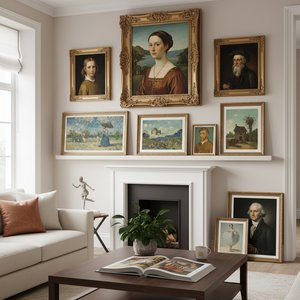
25 Arcydzieł Galerii Narodowej w Waszyngtonie: Sztuka, Historia i Inspiracje dla Domu
Odkryj 25 arcydzieł Galerii Narodowej w Waszyngtonie! Poznaj historie Cézanne'a, Matisse'a i Picassa. Inspiracje wnętrzarskie, reprodukcje obrazów najwyższej jakości na OriginalUniqueArt.com – sztuka dla Twojego domu.
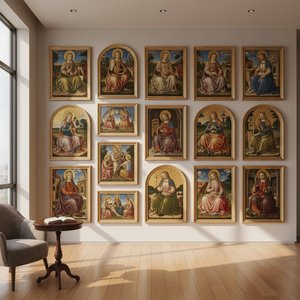
Fra Angelico: 25 Arcydzieł Sztuki Włoskiego Renesansu | Reprodukcje Obrazów Online
Odkryj 25 arcydzieł Fra Angelico – mistrza renesansu włoskiego! Poznaj historię, techniki i piękno jego fresków oraz obrazów religijnych. Reprodukcje najwyższej jakości na OriginalUniqueArt.com. Eksploruj kolekcję online!
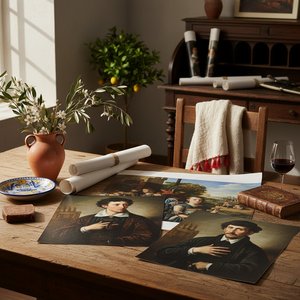
25 Arcydzieł Prado: Historia Sztuki i Inspiracje do Twojego Domu | OriginalUniqueArt
Odkryj 25 arcydzieł Museo del Prado! Poznaj historię Velázquez, Goyi i El Greco. Inspiracje wnętrzarskie z klasycznymi obrazami baroku i renesansu. Reprodukcje najwyższej jakości na OriginalUniqueArt.com – sztuka dla Twojego domu.
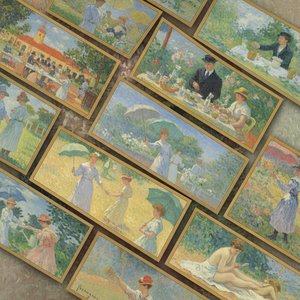
Pierre-Auguste Renoir: 25 Arcydzieł Pełnych Światła i Uroków | OriginalUniqueArt.com
Odkryj 25 najpiękniejszych obrazów Pierre’a-Auguste Renoir! Poznaj historię impresjonizmu, światło w jego malarstwie i arcydzieła takie jak 'Taniec w Le Moulin de la Galette'. Reprodukcje najwyższej jakości na OriginalUniqueArt.com – inspiracje dla Twojego wnętrza.
25 Arcydzieł Alte Pinakothek: Historia Sztuki w Twoim Domu | OriginalUniqueArt.com
Odkryj 25 arcydzieł Alte Pinakothek w Monachium! Poznaj historię Rembrandta, Rubensa i Dürera. Reprodukcje obrazów najwyższej jakości dla Twojego wnętrza. Inspiracje i dekoracje ścienne na OriginalUniqueArt.com