
 Podgląd w skali 1:1
 Wyślij jako kartkę
 Udostępnij
 Szczegóły dzieła
 Przewodnik

 Pobierz obraz
 Podobne obiekty
 RTG
RTG Pokaz slajdów
 Pytania i odpowiedzi
 Statystyki
Work

- 136.0 x 136.0 cm


 Rozwiń treść
Dzieło sztuki prezentowane na tej stronie podlega ochronie prawem autorskim, co oznacza, że nie mamy prawa do tworzenia ani sprzedaży jego identycznej reprodukcji. Ochrona ta jest egzekwowana na mocy umów międzynarodowych, takich jak Konwencja berneńska oraz przez przepisy prawa krajowego, w tym te określone w Prawo autorskie USA – Tytuł 17.
Metoda ta jest w pełni zgodna z przepisami prawa autorskiego, ponieważ nie polega na kopiowaniu ani powielaniu chronionego dzieła. Stanowi ona kreatywną reinterpretację – nowy obraz, który czerpie inspirację z oryginału, ale nie jest z nim tożsamy.
Giclée / Wydruk artystyczny
Wydruki giclée lub płótna o jakości muzealnej, szybka realizacja i szeroki wybór opcji wykończenia. ( Zamów ręcznie malowaną reprodukcję Przejdź do wersji cyfrowej)




































Wybierz spośród naszych standardowych rozmiarów, które zachowują oryginalne proporcje dzieła sztuki.

Wpisz wymaganą szerokość i wysokość, aby dopasować grafikę do ramy lub ściany. Wydruk można jedynie przyciąć, nigdy nie powiększając go poza oryginalny obraz, dlatego format o innych proporcjach spowoduje utratę części kompozycji. Przed rozpoczęciem druku prześlemy Ci cyfrowy podgląd do zatwierdzenia. Obraz wyświetlany na tej stronie nie pokazuje rzeczywistego przycięcia — jedynie podgląd oddaje ten efekt.
Dostawa na cały świat () w ciągu 2 tygodni zamiast standardowych 4/5 tygodni. (9 Listopad)

Bezpłatna ekspresowa wysyłka na cały świat

Wysokiej jakości płótno lniane

Pełne ubezpieczenie przesyłki

Gwarancja zwrotu należności celnych i podatków importowych

Gwarancja wiernego odwzorowania kolorów

100-dniowa polityka zwrotów (tylko w przypadku wad)

Gwarancja 100% zwrotu pieniędzy

Zniżka przy zakupie wielu sztuk
 Opcja ze szkłem jest dostępna wyłącznie w rozmiarach poniżej 110 cm

Work
Giclée / Wydruk artystyczny
Wymiary reprodukcji
-


Cena całkowita
zł 317
A Symphony of Geometry and Light
In the vast landscape of twentieth-century abstraction, few works capture the primal energy of form as vibrantly as this 1968 masterpiece by Yoo Youngkuk. At first glance, the viewer is met with a striking interplay of a crimson triangle and a radiant yellow orb, a composition that feels both ancient and avant-garde. The painting presents a dynamic, slightly curved triangular structure that anchors the canvas, its edges bleeding into warm orange hues that suggest the heat of a setting sun or the glow of an emerging dawn. At its heart lies a luminous yellow circle, acting as a celestial focal point that breathes life into the geometric rigor. This is not merely a study of shapes; it is a rhythmic dance of color where the weight of the red pigment meets the ethereal lightness of the yellow center, creating a visual tension that pulls the eye inward toward an infinite, glowing core.
The technique employed in this work reflects Yoo Youngkuk’s profound ability to distill the natural world into its most essential elements. While the subject matter appears purely abstract, there is a palpable sense of texture and depth achieved through the careful layering of pigments on canvas. The way the colors transition from deep reds to soft oranges suggests a painterly touch that softens the hard edges of the geometry, lending the piece an organic, breathing quality. For the discerning collector or interior designer, this work offers a sophisticated balance; its bold, primary-adjacent palette provides a powerful statement piece for modern minimalist settings, yet its soft, rounded contours allow it to integrate seamlessly into more eclectic, warm-toned environments. It serves as a window into a world where geometry is not cold or clinical, but rather a vessel for warmth and vitality.
To understand this painting is to understand the legacy of Yoo Youngkuk, a pioneer who sought to translate the rugged majesty of the Korean landscape into a universal language of abstraction. Born in Uljin, his connection to the mountains and the natural light of his homeland deeply informed his geometric explorations. In this 1968 piece, we see the culmination of a lifetime spent stripping away the superficial to reveal the structural soul of nature. The triangle becomes a mountain; the circle becomes the sun; the red becomes the earth’s heat. For those looking to adorn a space with art that evokes both intellectual depth and emotional resonance, this reproduction offers more than just decoration—it provides an invitation to contemplate the eternal harmony between form, color, and the natural spirit.
Pytania i odpowiedzi
Jaki układ ma „Work” – Yoo Youngkuk?
Format dzieła „Work” to Square. Jest to pomocna informacja podczas planowania miejsca, w którym zostanie umieszczona reprodukcja.
Gdzie mogę pobrać „Work” – Yoo Youngkuk?
„Work” – Yoo Youngkuk można pobrać ze strony Pobierz plik cyfrowy dzieła jako wysokiej rozdzielczości cyfrowe zdjęcie do pobrania.
Czy mogę obejrzeć "Work" w formie pełnoekranowej prezentacji slajdów?
Dostępna jest prezentacja zdjęć: strona Prezentacja slajdów dzieła „Work” – Yoo Youngkuk.
Biografia artysty
Yoo Youngkuk: A Pioneer of Korean Abstract Art
Yoo Youngkuk (劉永國; denoted as YYK) stands as a monumental figure in the history of Korean art, recognized universally as the first abstract painter and one of the foremost masters of modern Korean painting. His artistic journey began amidst profound societal transformations—the annexation of Korea by Japan, World War II, and the Korean War—yet he steadfastly pursued his vision of abstraction despite immense challenges. Born in 1916 in Uljin-gun, Gyeongsangbuk-do Province, Yoo’s formative years were steeped in the majesty of Taebaek Mountains, a landscape that would profoundly influence his artistic sensibility and become a recurring motif throughout his oeuvre. Early training at Bunka Gakuin University in Tokyo exposed him to Western abstract movements—Suprematism and Constructivism—inspiring him to forge his own distinctive path toward non-representational art.- Early Influences: Murai Masanari and Hasegawa Saburo
- Participation in Avant-garde Movements
- Formation of Sinsasil-pa (新寫實派)
Sinsasil-pa and Early Experimentation
In 1948, Yoo joined forces with Kim Whanki and Lee Kyusang to establish *Sinsasil-pa*, marking a pivotal moment in Korean art history. This collective bravely rejected traditional representational styles, advocating for an art that reflected the realities of postwar Korea through abstraction—a bold declaration that ignited debate within the artistic community.- The Manifesto of Sinsasil-pa
- Early Paintings: Color Field Exploration
- Influence of Japanese Avant-garde Artists
The Mountain Within: Evolution of Style and Symbolic Resonance
Throughout the 1950s and early 60s, Yoo’s artistic style underwent a dramatic metamorphosis. Initially exploring color field painting, he gradually incorporated geometric shapes—influenced by his enduring connection to nature and personal experiences—resulting in his signature motif: the mountain.- The Mountain as Symbol
- Geometric Abstraction Emerges
- Participation in Sao Paulo Biennial
Recognition and Enduring Influence
Yoo Youngkuk’s contributions to Korean modern art were widely acknowledged during his lifetime, culminating in a comprehensive survey by *Monthly Art* magazine that hailed him as the most outstanding artist among over a hundred contemporaries.- Institutional Exhibitions
- Critical Engagement
- Legacy and Influence on Subsequent Artists
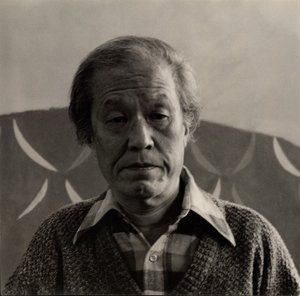
Yoo Youngkuk
1916 - 2002 , Korea
Krótka nota
- Artistic Movement Or Style: Abstraktowa sztuka
- Artists Or Movements Influenced By This Artist:
- Konstrukcjonizm rosyjski
- Suprematyzm
- Artists Who Influenced This Artist:
- Murai Masanari
- Hasegawa Saburo
- Date Of Birth: 1916
- Date Of Death: 2002
- Full Name: Yoo Youngkuk
- Nationality: Koreański
- Notable Artworks:
- Góry
- Praca
- Place Of Birth: Ulchin, Korea
Powiązane artykuły

25 Arcydzieł Kandinskiego: Kolor, Duchowość i Abstrakcja w Twoim Domu | OriginalUniqueArt.com
Odkryj 25 arcydzieł Wassily Kandinskiego – pioniera abstrakcji i ekspresjonizmu! Poznaj historie, techniki i emocje kryjące się za jego kolorowymi kompozycjami. Reprodukcje obrazów najwyższej jakości na OriginalUniqueArt.com. Eksploruj pełną kolekcję online!

Top 10 arcydzieł ekspresjonizmu abstrakcyjnego – inspiracje dla Twojego wnętrza | OriginalUniqueArt.com
Odkryj 10 arcydzieł ekspresjonizmu abstrakcyjnego – Pollock, Rothko, de Kooning i inni. Poznaj historie artystów, techniki i inspiracje dla Twojego wnętrza. Reprodukcje najwyższej jakości na OriginalUniqueArt.com!

Geometria Sztuki: 10 Arcydzieł Abstrakcji Geometrycznej | OriginalUniqueArt.com
Odkryj 10 arcydzieł abstrakcji geometrycznej! Poznaj historię Mondriana, Kandinskiego i Maleвича. Inspiracje wnętrzarskie z malarstwem abstrakcyjnym – reprodukcje najwyższej jakości na OriginalUniqueArt.com. Eksploruj kolekcję online!
Poza Formą i Kolorem: Ewolucja Abstrakcji Geometrycznej w Sztuce XX i XXI Wieku
Odkryj fascynującą historię abstrakcji geometrycznej w sztuce XX i XXI wieku! Analiza kluczowych nurtów, artystów i technik. Ekspercka wiedza dla kolekcjonerów na OriginalUniqueArt.com.

Mark Rothko: 25 Arcydzieł Koloru i Emocji | Reprodukcje Obrazów | OriginalUniqueArt.com
Odkryj 25 arcydzieł Marka Rothko – mistrza abstrakcji i koloru. Poznaj historie, techniki i emocje kryjące się za jego płótnami. Reprodukcje obrazów najwyższej jakości na OriginalUniqueArt.com. Eksploruj kolekcję online!