
 Podgląd w skali 1:1
 Wyślij jako kartkę
 Udostępnij
 Szczegóły dzieła
 Przewodnik

 Pobierz obraz
 Podobne obiekty
 RTG
RTG Pokaz slajdów
 Q&A
Q&A Statystyki
Standing Workers

- 150.0 x 150.0 cm


 Rozwiń treść
Dzieło sztuki prezentowane na tej stronie podlega ochronie prawem autorskim, co oznacza, że nie mamy prawa do tworzenia ani sprzedaży jego identycznej reprodukcji. Ochrona ta jest egzekwowana na mocy umów międzynarodowych, takich jak Konwencja berneńska oraz przez przepisy prawa krajowego, w tym te określone w Prawo autorskie USA – Tytuł 17.
Metoda ta jest w pełni zgodna z przepisami prawa autorskiego, ponieważ nie polega na kopiowaniu ani powielaniu chronionego dzieła. Stanowi ona kreatywną reinterpretację – nowy obraz, który czerpie inspirację z oryginału, ale nie jest z nim tożsamy.
Giclée / Wydruk artystyczny
Wydruki giclée lub płótna o jakości muzealnej, szybka realizacja i szeroki wybór opcji wykończenia. ( Zamów ręcznie malowaną reprodukcję Przejdź do wersji cyfrowej)




































Wybierz spośród naszych standardowych rozmiarów, które zachowują oryginalne proporcje dzieła sztuki.

Wpisz wymaganą szerokość i wysokość, aby dopasować grafikę do ramy lub ściany. Wydruk można jedynie przyciąć, nigdy nie powiększając go poza oryginalny obraz, dlatego format o innych proporcjach spowoduje utratę części kompozycji. Przed rozpoczęciem druku prześlemy Ci cyfrowy podgląd do zatwierdzenia. Obraz wyświetlany na tej stronie nie pokazuje rzeczywistego przycięcia — jedynie podgląd oddaje ten efekt.
Dostawa na cały świat () w ciągu 2 tygodni zamiast standardowych 4/5 tygodni. (2 Listopad)

Bezpłatna ekspresowa wysyłka na cały świat

Wysokiej jakości płótno lniane

Pełne ubezpieczenie przesyłki

Gwarancja zwrotu należności celnych i podatków importowych

Gwarancja wiernego odwzorowania kolorów

100-dniowa polityka zwrotów (tylko w przypadku wad)

Gwarancja 100% zwrotu pieniędzy

Zniżka przy zakupie wielu sztuk
 Opcja ze szkłem jest dostępna wyłącznie w rozmiarach poniżej 110 cm

Standing Workers
Giclée / Wydruk artystyczny
Wymiary reprodukcji
-


Cena całkowita
zł 311
Pytania i odpowiedzi
Czy mogę zobaczyć obraz „Standing Workers” – Yang Jung-Uk w widoku rentgenowskim?
"Standing Workers" można badać warstwa po warstwie na stronie Analiza rentgenowska, która oferuje interaktywny podgląd inspirowany stołem świetlnym konserwatora, prezentujący jedenaście optycznych odczytów obrazu.
Do którego okresu twórczości Yang Jung-Uk należy dzieło "Standing Workers"?
"Standing Workers" reprezentuje Contemporary twórczości Yang Jung-Uk.
Jaka jest luminancja dzieła „Standing Workers” – Yang Jung-Uk?
Jasność zarejestrowana dla „Standing Workers” – Yang Jung-Uk wynosi Soft Shadow.
Biografia artysty
Yang Jung-uk: Sculpting the Void
Born in Seoul, South Korea, in 1982, Yang Jung-uk’s artistic journey is one of profound observation and a deliberate exploration of the human condition. His work transcends mere sculpture; it's an immersive experience that invites viewers to confront their own internal landscapes – the “void” within, as he himself describes it. Initially drawn to the mechanical and structural aspects of art, Yang has evolved into a master of lyrical synthesis, seamlessly blending kinetic elements with narrative depth, sound, light, and movement to create pieces that resonate long after initial encounter.
Yang’s artistic philosophy is rooted in a fascination with everyday life. He doesn't seek grand pronouncements or overt statements; instead, he meticulously dissects the seemingly mundane – a forgotten garden, a solitary figure on a street corner, the rhythmic movements of daily routines – and transforms them into intricate, evocative installations. These aren’t simply representations of reality but rather distillations of memory, emotion, and the subtle narratives that shape our individual experiences. His work is deeply personal, yet universally relatable, tapping into shared human sentiments and prompting introspection about time, loss, and connection.
Early Influences and Artistic Development
Yang’s formal training provided a crucial foundation for his distinctive style. He holds a Bachelor's degree in Sculpture from the University of Science and Technology of China, an institution known for its rigorous technical approach to artmaking. This early exposure instilled in him a deep understanding of materials – primarily wood, thread, and motors – and their potential for creating dynamic, mechanical forms. However, Yang quickly moved beyond purely technical execution, recognizing that true artistic expression lies in imbuing these elements with narrative weight.
His initial explorations within the realm of kinetic sculpture led to a series of increasingly complex works characterized by intricate knotting, precise assembly, and subtle movements. These early pieces established his signature style – a delicate balance between mechanical precision and organic fluidity. Crucially, Yang’s artistic trajectory shifted towards storytelling; he began to see his sculptures not as static objects but as vessels for conveying personal narratives gleaned from observing the world around him. This shift is evident in works like “Standing Works” (2015-2016) and “Signboard for Some of Store” (2017- ), which delve into the lives of ordinary individuals, imbuing them with imagined histories and emotional depth.
The Language of Movement and Narrative
A defining characteristic of Yang Jung-uk’s art is its masterful integration of movement. His sculptures aren't merely static forms; they are imbued with a subtle, almost imperceptible animation that draws the viewer into their world. This kinetic element isn’t simply decorative; it serves to amplify the narrative core of each piece, suggesting a continuous flow of time and experience. The rustling of simulated leaves in “Someone I Know, in His Garden I’ve Never Seen” (2024), for example, evokes memories and feelings associated with nature and nostalgia – mirroring the artist's own recollections of his late father.
Yang often describes his process as akin to composing a one-act play. He meticulously crafts each element—the wood, the thread, the motors—to contribute to a larger, unfolding narrative. These stories aren’t grand epics but rather intimate vignettes that capture fleeting moments of human experience. He seeks to reveal the “mechanism” behind everyday life – the subtle rhythms and patterns that govern our actions and shape our perceptions – while simultaneously acknowledging the precariousness and vulnerability inherent in the human condition.
Recognition and Contemporary Significance
Yang Jung-uk’s work has garnered significant recognition within the Korean art scene, culminating in his prestigious award as the Korea Artist Prize 2024. This accolade underscores his growing influence and demonstrates a broader appreciation for his unique artistic vision. His pieces have been exhibited at notable galleries such as Gallery Hyundai, Baik Art Gallery, and the 18th Street Arts Center, solidifying his position as a leading contemporary sculptor in South Korea.
Yang Jung-uk’s art speaks to a growing desire for authenticity and emotional resonance in an increasingly standardized world. His ability to transform the ordinary into the extraordinary, to imbue inanimate objects with narrative depth and evocative movement, positions him as a vital voice within the contemporary art landscape. His work invites viewers not just to observe but to *feel*, prompting reflection on their own lives and experiences – a testament to the enduring power of art to connect us to our shared humanity.

Yang Jung-Uk
1982 - , South Korea
Krótka nota
- Full Name: Yang Jung-uk
- Nationality: South Korean
- Date Of Birth: 1982
- Place Of Birth: Seoul, South Korea
- Notable Artworks:
- Standing Works
- Signboard for Some of Store
- Things that Do Not Sleep
- Artistic Movement Or Style: Lyrical & mechanical art
Powiązane artykuły

10 Legendarnych Brązów, Które Zrewolucjonizowały Sztukę | OriginalUniqueArt
Odkryj 10 legendarnych rzeźb brązowych, które zrewolucjonizowały sztukę! Poznaj historie Rodina, Donatello i innych mistrzów. Inspiracje wnętrzarskie & reprodukcje najwyższej jakości na OriginalUniqueArt.com.

Trwałe Formy: Ewolucja Technik i Tematów w Rzeźbie Przez Wieki – Od Antyku do Renesansu
Poznaj fascynującą historię rzeźby od antyku do renesansu! Odkryj techniki, wybitnych artystów i wpływ na współczesną sztukę. Ekspercka analiza dla kolekcjonerów i miłośników.

Trwała Forma: Rzeźba w Historii – Technika i Rezonans Emocjonalny
Poznaj historię rzeźby od antyku do współczesności! Ekspercka analiza technik, stylów i emocjonalnego wpływu arcydzieł. Inspiracje dla kolekcjonerów i miłośników sztuki.

10 Legendarnych Brązów Rzeźbiarskich, Które Zmieniły Sztukę | OriginalUniqueArt
Odkryj 10 legendarnych rzeźb brązowych od Rodina, Degasa i innych mistrzów! Poznaj historię powstania arcydzieł sztuki i inspiruj się do dekoracji wnętrz. Reprodukcje najwyższej jakości na OriginalUniqueArt.com – zobacz kolekcję!
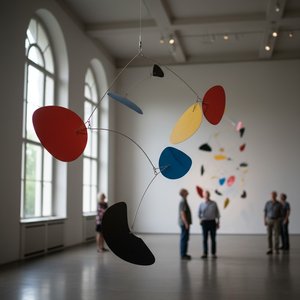
Alexander Calder: Kinetic Sculpture, Mobile Art & the Poetics of Chance
Explore the revolutionary world of Alexander Calder's kinetic sculptures & mobiles. Discover insights for collectors, acquisition advice, and the enduring legacy of this modern master. Expert analysis & art valuation.