
 Podgląd w skali
 Wyślij jako kartkę
 Udostępnij
 Szczegóły dzieła

 Pobierz
 Podobne obiekty
 RTG
RTG Pokaz slajdów
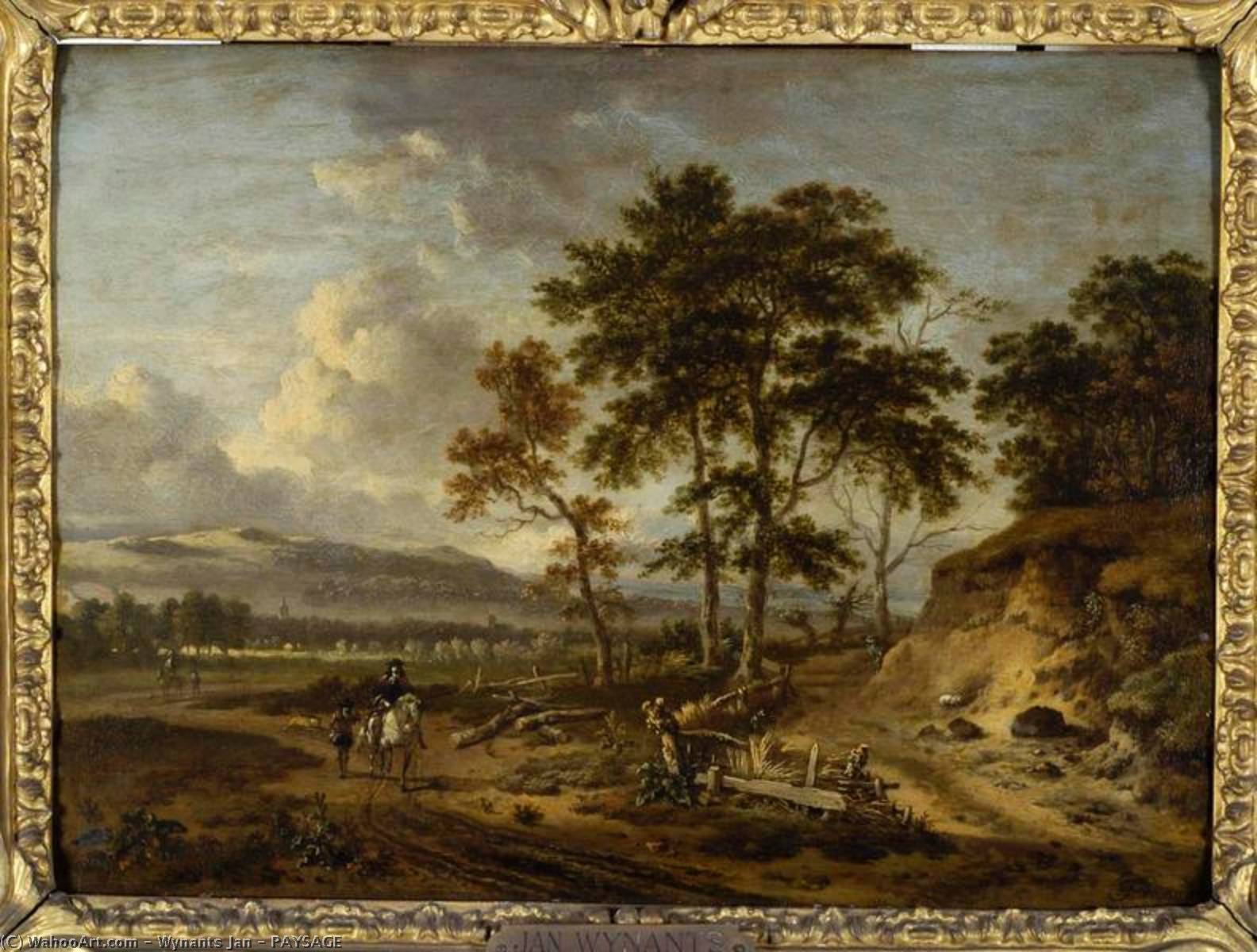
PAYSAGE
 Rozwiń treść
Ręcznie malowana reprodukcja olejowa
Ręcznie malowany obraz olejny na płótnie, wykonany na zamówienie przez naszych artystów w wybranym przez Ciebie wymiarze i oprawie. ( Zamów wydruk Kup obraz wysokiej rozdzielczości)




































Wybierz spośród naszych standardowych rozmiarów, które zachowują oryginalne proporcje dzieła sztuki.

Możesz wprowadzić własne wymiary, aby dopasować obraz do konkretnej ramy lub przestrzeni. Jeśli wybrany rozmiar nie będzie odpowiadał proporcjom oryginału, przytniecie dzieło sztuki lub rozszerzymy je o dodatkowe elementy, ręcznie domalowane przez artystę. Przed rozpoczęciem produkcji wyślemy projekt cyfrowy do Twojej akceptacji.
Należy pamiętać, że podgląd na ekranie nie odzwierciedla rzeczywistego przycinania ani rozszerzania obrazu. Tylko projekt dokładnie pokaże ostateczną kompozycję.
Choć oferujemy możliwość zamówienia niestandardowych rozmiarów, zalecamy wybór wymiaru z gotowej listy, aby zachować oryginalne proporcje dzieła.
Po złożeniu zamówienia zespół OriginalUniqueArt.com skontaktuje się z klientem drogą mailową w celu uzyskania instrukcji i prześle wizualizację projektu
Dostawa na całym świecie () w ciągu 3–4 tygodni zamiast standardowych 5 tygodni. (27 Sierpień). Bez kompromisów w kwestii jakości.

Bezpłatna ekspresowa wysyłka na cały świat

Wysokiej jakości płótno lniane

Pełne ubezpieczenie przesyłki

Gwarancja zwrotu należności celnych i podatków importowych

Gwarancja wiernego odwzorowania kolorów

Polityka 60-dniowego zwrotu (tylko w przypadku wad)

Gwarancja 100% zwrotu kosztów

Zniżka przy zamówieniu wielu produktów
 Opcja ze szkłem jest dostępna wyłącznie w rozmiarach poniżej 110 cm

PAYSAGE
Technika reprodukcji
Wymiary reprodukcji
-


Cena całkowita
$ 350
O artyście
A Master of Dutch Pastoral: The Life and Art of Jan Wijnants
Jan Wijnants, a name perhaps less immediately recognizable than some of his Golden Age contemporaries, nevertheless occupies a significant place in the history of Dutch landscape painting. Born and continuing to live during a period of immense artistic flourishing in the Netherlands, Wijnants carved out a distinctive niche for himself with his serene depictions of Italianate landscapes and meticulously rendered topographical views. While biographical details remain somewhat sparse – a common challenge when studying artists from this era – we can piece together a compelling narrative through analysis of his work and its context within the broader artistic currents of the 17th century. He was not an artist who sought dramatic innovation, but rather one who perfected existing forms, imbuing them with a quiet beauty and technical mastery that appealed to discerning collectors.Early Influences and Artistic Development
Wijnants’ artistic journey began in the vibrant cultural milieu of Amsterdam. The early 17th century saw an explosion of interest in landscape painting within Dutch art, driven by economic prosperity and a growing appreciation for the natural world. He was deeply influenced by Nicolaes de Vree, another painter specializing in Italianate landscapes, whose work provided a foundational model for Wijnants’ own style. However, Wijnants didn't simply imitate his predecessor; he also drew inspiration from the English landscape tradition, particularly the works of Thomas Gainsborough. This is evident in the atmospheric quality and subtle color palettes found in many of his paintings. His early pieces often feature a more direct emulation of De Vree’s compositions, but quickly evolved to incorporate a greater sense of depth, light, and individualized detail. He wasn't interested in portraying specific locations so much as creating idealized visions of pastoral tranquility – landscapes that evoked a feeling rather than documented a place.The Italianate Landscape: A Signature Style
Wijnants became particularly renowned for his *Italianate landscapes*. These paintings, though often created without the artist ever having visited Italy, were inspired by prints and drawings of the Roman countryside and its surroundings. They typically feature classical ruins, picturesque villages nestled amongst rolling hills, and figures engaged in leisurely activities – shepherds tending their flocks, travelers resting along a road, or farmers working in the fields. The key to Wijnants’ success lay in his ability to create a convincing sense of atmosphere and light. He employed a delicate brushstroke and subtle gradations of color to depict the effects of sunlight filtering through trees, casting shadows across meadows, and illuminating distant mountains. His skies are often particularly noteworthy, filled with soft clouds and a luminous quality that adds to the overall feeling of serenity. He excelled at capturing the golden hour light, imbuing his scenes with a warmth and inviting glow.Technique and Materials: A Pursuit of Realism
Wijnants was a meticulous craftsman, paying close attention to every detail in his paintings. He employed high-quality pigments and carefully prepared canvases to achieve the desired effects. His technique involved building up layers of paint gradually, using thin glazes to create depth and luminosity. He was particularly skilled at rendering foliage, capturing the intricate patterns of leaves and branches with remarkable precision. His attention to detail extended to the figures in his landscapes, though they are often secondary to the overall composition and serve primarily as staffage – elements added to enhance the sense of scale and narrative. He frequently collaborated with other artists who specialized in figure painting, ensuring that these details were executed to a high standard. The use of warm earth tones—ochres, browns, and siennas—predominates in his palette, contributing to the overall harmonious quality of his work.Legacy and Historical Significance
While not achieving the widespread fame of artists like Rembrandt or Vermeer, Jan Wijnants enjoyed a solid reputation during his lifetime and continued to be appreciated by collectors for generations afterward. His paintings were sought after for their beauty, tranquility, and technical skill. He influenced numerous other Dutch landscape painters, contributing to the development of the Italianate style within the Netherlands. His work provides valuable insight into the artistic tastes of the 17th century – a period characterized by a growing appreciation for idealized landscapes and a desire to escape the realities of everyday life through art. Today, his paintings are held in major museums around the world, serving as a testament to his enduring legacy as a master of Dutch pastoral painting.- His work exemplifies the Golden Age’s focus on atmospheric perspective.
- Wijnants' influence can be seen in later topographical painters.
- He remains an important figure for understanding the development of landscape art.


