Zobacz w skali 1:1
 Wyślij
 Udostępnij
 Szczegóły
 Przewodnik

 Pobierz plik obrazu
 Podobne obiekty
 RTG
RTG Pokaz slajdów
 Statystyki
Łodzi rybackie, Key West
 Akwarela
- Sztuka ścienna
- Impressionistic Style
 1903
1903- XIX wiek
 35.0 x 55.0 cm
 Metropolitan Museum of Art
 Czytaj więcej
Giclée / Wydruk artystyczny
Wydruki giclée lub płótna o jakości muzealnej, szybka realizacja i szeroki wybór opcji wykończenia. ( Kup ręcznie malowany obraz Przełącz na wersję cyfrową)




P118B zł10

P118H zł10

P118W zł10

P438Z zł10

P508JH zł12

P508YH zł12

P805H zł10

P805Z zł10

P919BZ zł10

P919G zł10

P919XJ zł10

P959ZH zł10

P968JZ zł12

W106C zł8

W218G zł10

W218JH zł8

W218Y zł10

W307PJ zł10

W316G zł10

W316PJ zł8

W316Y zł10

W398PJ zł8

W4111J zł10

W500HY zł15

W500JH zł15

W692G zł12

W849H zł8

W940BG zł15

W953PJ zł8




Wybierz spośród naszych standardowych rozmiarów, które zachowują oryginalne proporcje dzieła sztuki.

Wpisz wymaganą szerokość i wysokość, aby dopasować grafikę do ramy lub ściany. Wydruk można jedynie przyciąć, nigdy nie powiększając go poza oryginalny obraz, dlatego format o innym proporcji spowoduje utratę części kompozycji. Przed rozpoczęciem druku prześlemy Ci cyfrowy podgląd do zatwierdzenia. Obraz wyświetlany na tej stronie nie pokazuje rzeczywistego przycięcia — jedynie podgląd oddaje ten efekt.
Dostawa na cały świat () w ciągu 2 tygodni zamiast standardowych 4/5 tygodni. (21 Październik)

Bezpłatna ekspresowa wysyłka na cały świat

Wysokiej jakości płótno lniane

Pełne ubezpieczenie transportowe

Gwarancja zwrotu należności celnych i podatków importowych

Gwarancja idealnego odwzorowania barw

100-dniowy okres na zwrot dzieła w przypadku wykrycia wad produkcyjnych

Gwarancja 100% zwrotu pieniędzy

Oferta przy zakupie wielu sztuk
 Opcja ze szkłem jest dostępna wyłącznie w rozmiarach poniżej 110 cm

Łodzi rybackie, Key West
Giclée / Wydruk artystyczny
Rozmiar reprodukcji
-


Suma do zapłaty
zł 304
Spokojne morskie arcydzieło Winslow Homera
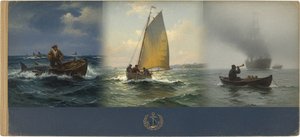
„Łodzie rybackie, Key West” (1903) to urzekające dzieło wykonane techniką akwareli i grafitu, stworzone przez znamienitego amerykańskiego artystę, Winslow Homera. To wykwintne płótno chwyta spokojne piękno łodzi rybackich zakotwiczonych w cichych wodach u wybrzeży Key West na Florydzie, pod niebem częściowo pokrytym chmurami. Obraz emanuje poczuciem pokoju i nostalgii, stanowiąc idealne dopełnienie każdej kolekcji sztuki lub wnętrza inspirowanego nadmorskim klimatem.
Kompozycja i paleta barw
Kompozycja jest harmonijnie zrównoważona, z łodziami umieszczonymi centralnie, co tworzy punkt skupienia przyciągający wzrok widza. Poziome ułożenie jednostek oraz tafli wody potęguje wrażenie spokoju bijącego ze sceny. Paleta kolorystyczna składa się przede wszystkim z przygaszonych błękitów, bieli i szarości, z subtelnymi akcentami pomarańczu i brązu. Dominujące w wodzie i niebie błękity tworzą chłodną, kojącą atmosferę, podczas gdy białe żagle ostro kontrastują z ciemniejszymi odcieniami łodzi i olinowania, nadając dziełu głębi oraz trójwymiarowości.
Styl i technika impresjonistyczna
Impresjonistyczny styl Homera jest wyraźnie widoczny w dostrzegalnych pociągnięciach pędzla, skupieniu na uchwyceniu ogólnego wrażenia ze sceny oraz nacisku na światło i kolor. Technika ta opiera się na swobodnym, płynnym prowadzeniu pędzla, które oddaje ruch i atmosferę chwili. Zastosowanie stonowanych barw i miękkiego oświetlenia tworzy harmonijny i uspokajający efekt, podczas gdy kontrast między białymi żaglami a ciemniejszymi elementami łodzi wprowadza wizualne zainteresowanie i balans.
Kontekst historyczny i symbolika
Stworzone w 1903 roku dzieło „Łodzie rybackie, Key West” odzwierciedla głęboką więź Homera z tematyką morską oraz jego niezwykłą zdolność do chwytania esencji amerykańskiego życia. Obraz symbolizuje spokój, samotność i proste przyjemności płynące z życia na morzu. Cicha woda i łagodne chmury przywołują poczuczenie pokoju i relaksu, podczas gdy żaglówki stają się reprezentacją wolności i przygody.
Oddziaływanie emocjonalne i urok
Szlachetny i pełen spokoju nastrój tego dzieła czyni je idealnym wyborem dla osób pragnących wprowadzić atmosferę wyciszenia i elegancji do swoich domów lub biur. Harmonijne połączenie kolorów oraz impresjonistyczny styl tworzą kojące otoczenie, doskonałe dla każdej przestrzeni. Bez względu na to, czy jesteś miłośnikiem sztuki, kolekcjonerem, czy projektantem wnętrz, ta wysokiej jakości reprodukcja „Łodzi rybackich, Key West” doda Twojemu otoczeniu nutę ponadczasowego piękna.
Dlaczego warto wybrać tę reprodukcję?
Nasze ręcznie malowane reprodukcje są tworzone z niezwykłą dbałością o szczegóły, co zapewnia wierne odwzorowanie każdego pociągnięcia pędzla i koloru. Każde dzieło powstaje w pracowniach doświadczonych artystów przy użyciu materiałów najwyższej klasy, co gwarantuje trwałość oraz wizualny zachwyt nad tym oszałamiającym obrazem, który będzie zdobił Twoje wnętrze przez długie lata.
Podnieś estetykę swojej przestrzeni dzięki sztuce
Wprowadź kojące piękno „Łodzi rybackich, Key West” do swojego domu lub biura. Ta wykwintna reprodukcja oddaje istotę arcydzieła Winslow Homera, oferując ponadczasowy element sztuki, który będzie inspirował i zachwycał. Jeśli szukasz sposobu na dodanie nadmorskiego uroku lub po prostu cenisz piękno malarstwa impresjonistycznego, ten obraz jest wyborem doskonałym.
Pytania i odpowiedzi
Gdzie mogę znaleźć dzieła sztuki podobne do „Łodzi rybackie, Key West” autorstwa Winslow Homer?
Strona Podobne dzieła dzieła „Łodzi rybackie, Key West” autorstwa Winslow Homer prezentuje powiązane utwory.
W jaki sposób mogę obejrzeć „Łodzi rybackie, Key West” autorstwa Winslow Homer w formie pokazu slajdów?
Dzieło „Łodzi rybackie, Key West” autorstwa Winslow Homer można obejrzeć w formie pokazu slajdów na stronie Pokaz slajdów danego dzieła.
Czy dzieło „Łodzi rybackie, Key West” autorstwa Winslow Homer, znajdujące się w zbiorach Metropolitan Museum of Art, może być legalnie reprodukowane?
Status praw autorskich do dzieła „Łodzi rybackie, Key West” autorstwa Winslow Homer jest jasny: utwór znajduje się w stanowi domenę publiczną – autorskie prawa majątkowe wygasły. Jego obecność w Metropolitan Museum of Art nie zmienia tego stanu rzeczy.
Biografia artysty
Winslow Homer (1836-1910): A Brush With the American Spirit
Winslow Homer, born in Boston in 1836, wasn’t sculpted by the traditional European art academies that shaped so many of his contemporaries. Instead, he emerged from a distinctly American experience, one rooted in practicality and observation. His journey began not with grand historical canvases, but as a commercial illustrator at the tender age of twelve for Harper's Weekly. This early apprenticeship was formative, honing an exceptional ability to capture scenes with clarity and detail – skills that would become hallmarks of his mature work. He wasn’t learning perspective in Paris; he was learning to *see* America, its people, and its unfolding story. The bustling streets of Boston, the quiet dignity of rural New England life, these were his first subjects, rendered with a precision born of necessity for the demands of print media. This foundation allowed him to transition into painting, initially in watercolor, before fully embracing the expressive potential of oil paints.Early Life and Artistic Beginnings
Homer’s childhood was marked by a close relationship between his parents—Charles Savage Homer, a merchant with restless tendencies, and Henrietta Maria Benson Homer, a gifted amateur watercolorist who instilled in him a lifelong appreciation for artistic expression. His brother, Charles S. Homer Jr., pursued a successful career as a chemist, providing a contrasting perspective on the family’s ambitions. From a young age, Homer demonstrated an innate talent for drawing, sketching landscapes and portraits with remarkable accuracy. He began his formal artistic training at fourteen, studying briefly in Paris under Jean-Baptiste Camille Corot—a pivotal experience that exposed him to the Impressionist movement but ultimately solidified his commitment to a distinctly American aesthetic. This Parisian sojourn instilled in Homer a fascination with light and color, influencing his later paintings and establishing a foundation for his distinctive style.The Civil War Years: Witnessing History Through Art
The outbreak of the Civil War profoundly impacted Homer’s artistic vision. Recognizing the opportunity to document the realities of conflict—rather than glorifying heroic battles—he accepted a commission from Harper's Weekly to chronicle life on the Union front lines. Unlike many artists of his time who idealized warfare, Homer eschewed grand narratives and focused instead on portraying the everyday experiences of soldiers and civilians—the quiet moments of grief, resilience, and camaraderie amidst devastation. His sketches and lithographs captured the grim beauty of battlefields—the mud, the smoke, the exhausted faces of men—offering a visceral portrayal of the human cost of war. This experience instilled in him an unwavering commitment to portraying truthfulness and compassion—values that would permeate his subsequent works. Homer’s Civil War drawings stand as unparalleled examples of journalistic art, demonstrating his ability to transform observation into powerful visual storytelling.From Watercolor Landscapes to Monumental Oil Paintings
Initially experimenting with watercolor, Homer quickly mastered the medium's fluidity and luminosity, creating a prolific oeuvre of serene landscapes—primarily set in Maine—that celebrated the majesty of nature and captured the subtle nuances of light and atmosphere. His watercolors are characterized by delicate brushstrokes and vibrant colors—a testament to his meticulous attention to detail and his profound understanding of visual perception. However, Homer’s artistic ambition extended beyond watercolor; he sought to convey emotion and drama through larger canvases painted in oil. He achieved this goal with remarkable success, producing monumental paintings that commanded attention and evoked powerful responses from viewers. Works like *The Gulf Stream*—a dramatic depiction of a lone sailor battling the fury of the ocean—and *Breezing Up (A Fair Wind)*—a celebration of maritime life—demonstrate Homer’s mastery of technique and his ability to capture the sublime beauty of nature alongside its inherent dangers.Legacy and Influence: An American Icon
Winslow Homer's enduring legacy rests on his unwavering commitment to portraying America with honesty and authenticity—rejecting romantic idealism in favor of a direct engagement with reality. He established himself as one of America’s foremost painters, influencing generations of artists who followed him—particularly those committed to realism and landscape painting. His distinctive style—characterized by solidity, texture, and masterful use of light—continues to inspire contemporary artists today. Homer's paintings remain treasured for their emotional depth and visual power—testaments to his profound understanding of the human condition and his ability to convey complex ideas through simple yet evocative imagery. He is remembered not merely as a painter but as a chronicler of American life, capturing its spirit and beauty with unwavering conviction.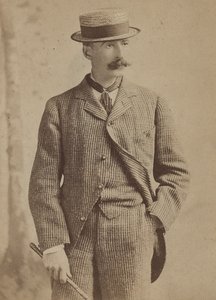
Winslow Homer
1836 - 1910 , Stany Zjednoczone
Najważniejsze informacje
- Artistic Movement Or Style: Realizm amerykański
- Artists Or Movements Influenced By This Artist: ['Amerykańskie malarstwo']
- Artists Who Influenced This Artist:
- École de Barbizon
- Courbet
- Millet
- Date Of Birth: 24 lutego 1836
- Date Of Death: 29 września 1910
- Full Name: Winslow Homer
- Nationality: Amerykański
- Notable Artworks:
- Breezing Up
- The Gulf Stream
- Innocence
- Place Of Birth: Boston, USA
Zobacz także powiązane artykuły

10 Legendarnych Akwareli, Które Zmieniły Sztukę. Inspiracje do Dekoracji Domu.
Odkryj 10 legendarnych akwareli Turner'a, Monet'a i innych mistrzów! Poznaj historie, techniki i inspiracje tych ponadczasowych dzieł. Reprodukcje obrazów najwyższej jakości na OriginalUniqueArt.com – idealne do dekoracji wnętrz.

Efemeryczne Wizje: Historia i Współczesna Praktyka Malarstwa Akwarelowego
Poznaj historię i techniki malarstwa akwarelowego! Odkryj inspiracje mistrzów, współczesne trendy oraz praktyczne porady dotyczące materiałów. Rozwiń swoją pasję z naszym przewodnikiem.

Łodzie w sztuce: Top 10 arcydzieł i inspiracje do wnętrz
Odkryj 10 arcydzieł sztuki, które celebrują piękno łodzi! Od Monet po Van Gogha – poznaj historie artystów i inspiracje malarstwa morskiego. Reprodukcje obrazów najwyższej jakości na OriginalUniqueArt.com. Eksploruj kolekcję online!
Winslow Homer: 25 Arcydzieł Malarstwa Amerykańskiego | OriginalUniqueArt.com
Poznaj 25 arcydzieł Winslowa Homera – amerykańskiego mistrza realizmu i malarstwa morskiego. Odkryj historie, techniki i inspiracje z jego najsłynniejszych obrazów. Reprodukcje najwyższej jakości na OriginalUniqueArt.com! Eksploruj kolekcję online.

Efemeryczne Wizje: Historia i Emocjonalny Rezonans Malarstwa Akwarelowego
Odkryj fascynującą historię malarstwa akwarelowego! Poznaj techniki mistrzów, romantyczny nurt i współczesne trendy. Inspiracje do dekoracji wnętrz oraz możliwość personalizacji obrazów na OriginalUniqueArt.com.