Przełącz na wydania drukowane
 Rozwiń treść







































 W przypadku dzieł sztuki lub reprodukcji, których którykolwiek z boków przekracza 105 cm (około 41 cali), rama zostanie wysłana w formie zestawu do samodzielnego montażu. Metoda ta zapewnia bezpieczną dostawę i zapobiega uszkodzeniom podczas transportu.


Winslow Homer: Capturing Tranquility Through Watercolor
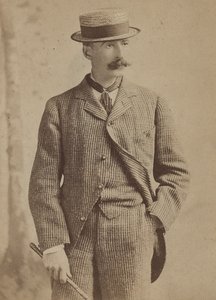
Winslow Homer (1836–1910) wasn’t sculpted by the traditional European art academies that shaped so many of his contemporaries. Instead, he emerged from a distinctly American experience, one rooted in practicality and observation. His journey began not with grand historical canvases, but as a commercial illustrator at the tender age of twelve for Harper's Weekly. This early apprenticeship was formative, honing an exceptional ability to capture scenes with clarity and detail – skills that would become hallmarks of his mature work. He wasn’t learning perspective in Paris; he was learning to *see* America, its people, and its unfolding story. The bustling streets of Boston, the quiet dignity of rural New England life, these were his first subjects, rendered with a precision born of necessity for the demands of print media. This foundation allowed him to transition into painting, initiating a prolific career that would solidify his place as one of America’s greatest landscape artists. Homer's artistic vision prioritized direct observation and emotional resonance over academic conventions—a decision that profoundly shaped his distinctive style and enduring legacy.Realism: An Honest Reflection of Everyday Life
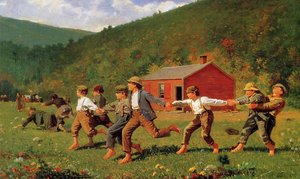
Homer’s approach to painting is fundamentally rooted in Realism, a movement that championed accuracy and unflinching portrayal of the natural world and human experience. Unlike Romantic painters who sought sublime grandeur or idealized beauty, Homer focused on capturing the tangible realities of life—the weathered faces of fishermen, the simple pleasures of rural existence, and the quiet dramas unfolding within domestic interiors. This commitment to realism isn’t merely stylistic; it reflects Homer's belief that art should serve as a conduit for understanding and empathy. He meticulously rendered textures, colors, and light—often employing watercolor—to convey the atmosphere and mood of his subjects with remarkable sensitivity. Consider “Girl on a Swing,” where Homer skillfully captures a fleeting moment of childhood innocence against the backdrop of a lush summer meadow. The subtle blending of pigments creates an ethereal quality that enhances the painting’s emotional impact.Influences Beyond Tradition
While Homer eschewed formal artistic training, his work demonstrates considerable influence from earlier European movements, notably the Barbizon School. Artists like Jean-François Millet and Gustave Courbet championed plein air painting—working outdoors directly from nature—and prioritizing tonal harmony over elaborate color palettes. Homer adopted these principles, favoring muted earth tones and capturing the effects of light on landscape surfaces with remarkable precision. This stylistic choice aligns powerfully with the broader ethos of Realism: a rejection of artificiality in favor of honest representation. Furthermore, Homer’s fascination with maritime subjects—depicted in iconic paintings like “The Gulf Stream”—echoes the Romantic tradition's preoccupation with dramatic landscapes and heroic narratives, albeit filtered through Homer’s unwavering commitment to realism.Notable Works Beyond "Girl on a Swing"
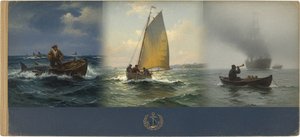
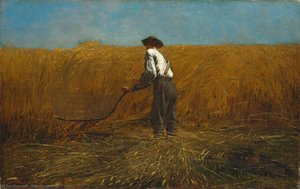
Beyond “Girl on a Swing,” Homer produced an astonishing body of work encompassing landscapes, marine scenes, portraits, and illustrations—each imbued with his characteristic blend of observation and emotional depth. “Waiting for an Answer” exemplifies his masterful use of watercolor to convey the solemn stillness of a coastal fishing village. Similarly, "Eastern Point Light" showcases Homer’s ability to capture the ethereal beauty of twilight over the ocean, utilizing delicate brushstrokes and subtle color gradations. These paintings stand as testament to Homer's unwavering dedication to capturing the essence of American life—a legacy that continues to inspire artists and collectors alike. His work resides in prestigious institutions such as Princeton University Art Museum, where visitors can experience firsthand the transformative power of Homer’s artistic vision.Handmade Oil Paintings Reproductions: Bringing Homer's Vision Home
OriginalUniqueArt offers exceptional handmade oil paintings reproductions of Winslow Homer’s masterpieces, allowing art lovers to acquire a piece of American art history. Each reproduction is meticulously crafted by skilled artisans using archival pigments and techniques—preserving the original artwork's vibrancy and detail for generations to come. Explore the beauty and emotional resonance of Homer’s iconic landscapes and marine scenes through these stunning reproductions—a celebration of Realism and an enduring tribute to one of America’s greatest artists.Pytania i odpowiedzi
Jaki jest format dzieła "Dziewczyna na huściełce"?
Dzieło „Dziewczyna na huściełce” – Winslow Homer ma format Pozioma. Format ten określa proporcje kompozycji.
Jaka jest technika i data powstania „Dziewczyna na huściełce” – Winslow Homer?
Technika wykonania dzieła „Dziewczyna na huściełce” – Winslow Homer to Akryl na płótnie, a datowanie pracy pochodzi z 1897.
W jaki sposób styl dzieła "Dziewczyna na huściełce" odnosi się do epoki jego twórcy?
"Dziewczyna na huściełce" należy do nurtu Realism, a jego twórca tworzył w epoce – Wiek XIX.
 Podgląd w skali 1:1
 Wyślij jako kartkę
 Udostępnij
 Szczegóły dzieła
 Przewodnik

 Pobierz obraz
 Podobne obiekty
 RTG
RTG Pokaz slajdów
 Q&A
Q&A Statystyki