 Podgląd w skali 1:1
 Wyślij jako kartkę
 Udostępnij
 Szczegóły dzieła
 Przewodnik

 Pobierz obraz
 Podobne obiekty
 RTG
RTG Pokaz slajdów
 Pytania i odpowiedzi
 Statystyki
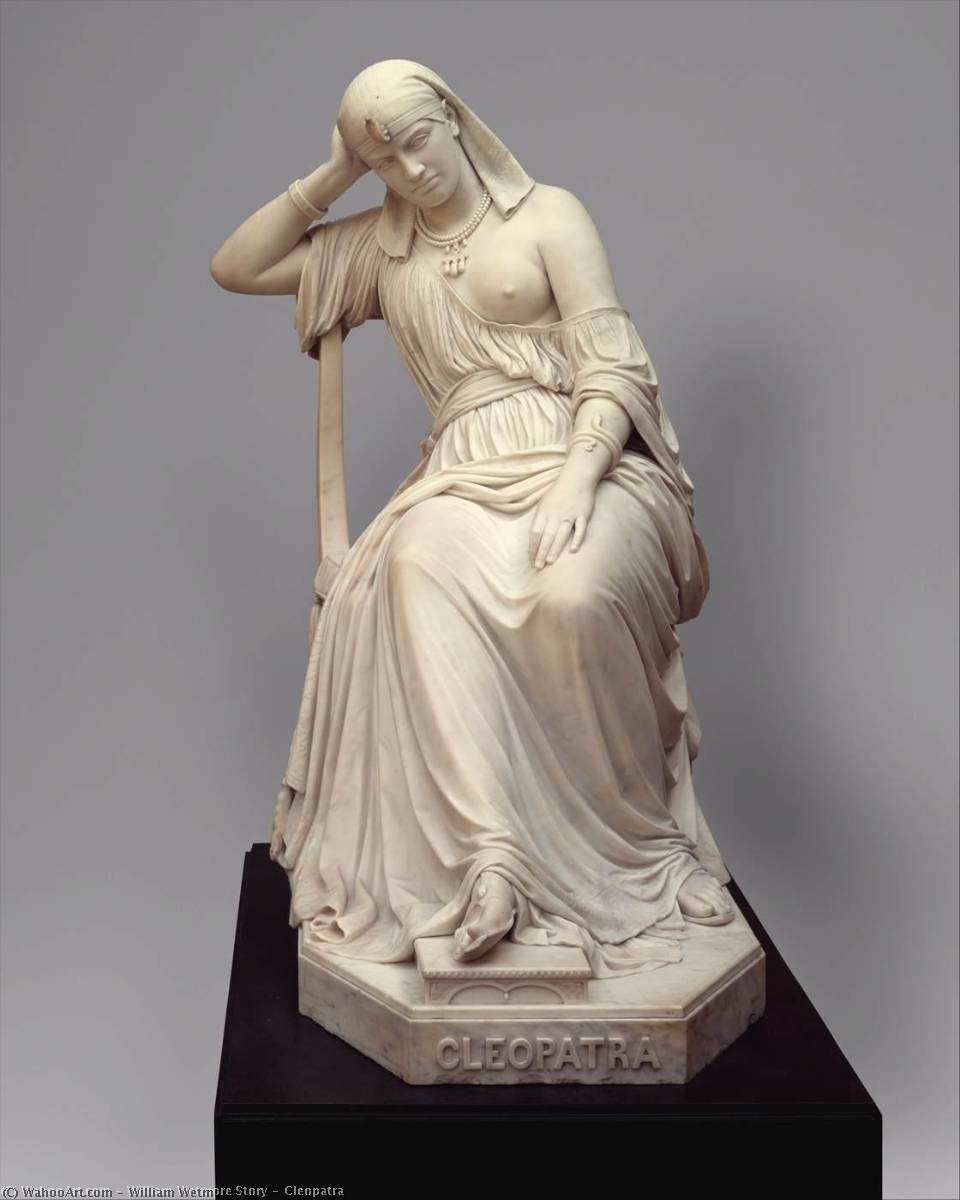
Cleopatra

 Rozwiń treść
Giclée / Wydruk artystyczny
Wydruki giclée lub płótna o jakości muzealnej, szybka realizacja i szeroki wybór opcji wykończenia. ( Zamów ręcznie malowaną reprodukcję Przejdź do wersji cyfrowej)




































Wybierz spośród naszych standardowych rozmiarów, które zachowują oryginalne proporcje dzieła sztuki.

Wpisz wymaganą szerokość i wysokość, aby dopasować grafikę do ramy lub ściany. Wydruk można jedynie przyciąć, nigdy nie powiększając go poza oryginalny obraz, dlatego format o innych proporcjach spowoduje utratę części kompozycji. Przed rozpoczęciem druku prześlemy Ci cyfrowy podgląd do zatwierdzenia. Obraz wyświetlany na tej stronie nie pokazuje rzeczywistego przycięcia — jedynie podgląd oddaje ten efekt.
Dostawa na cały świat () w ciągu 2 tygodni zamiast standardowych 4/5 tygodni. (6 Listopad)

Bezpłatna ekspresowa wysyłka na cały świat

Wysokiej jakości płótno lniane

Pełne ubezpieczenie przesyłki

Gwarancja zwrotu należności celnych i podatków importowych

Gwarancja wiernego odwzorowania kolorów

100-dniowa polityka zwrotów (tylko w przypadku wad)

Gwarancja 100% zwrotu pieniędzy

Zniżka przy zakupie wielu sztuk
 Opcja ze szkłem jest dostępna wyłącznie w rozmiarach poniżej 110 cm

Cleopatra
Giclée / Wydruk artystyczny
Wymiary reprodukcji
-


Cena całkowita
zł 317
Biografia artysty
A Life Shaped by Marble and Law
Born in Salem, Massachusetts, William Wetmore Story began his adult life far from the quiet dust of a sculptor's studio. He was a man of intellect and rigorous study, having graduated from Harvard College in 1838 and later completing his studies at Harvard Law School in 1840. Under the guidance of his father, the Supreme Court Justice Joseph Story, he practiced law and even authored legal treatises regarding contracts and sales. Yet, the heavy books of jurisprudence could not entirely contain a spirit drawn toward the classical world. After a period of practicing law in Boston, a profound shift occurred. Following the commission to create a bust of his late father, he felt a calling to move toward the arts, eventually settling in Rome in 1850.
This transition from the courtroom to the studio was not merely a change in profession but a relocation of his very soul. His home in the Palazzo Barberini became a gathering place for many notable figures living in Italy. He lived among the poets and thinkers of his age, finding himself part of a circle that included the Brownings. This Roman period allowed him to immerse himself in the traditions of antiquity, moving away from the dry logic of American law toward the emotional weight of Greek tragedy and biblical narrative.
The Weight of Emotion in Stone
In his hands, cold marble took on a heavy, psychological presence. He did not seek to merely replicate the human form but to capture the internal struggles of his subjects. His work often focused on figures from antiquity or scripture, imbuing them with a sense of profound thought and impending fate. In his sculpture Cleopatra, he avoided the sensationalism of her death, focusing instead on the quiet introspection of a queen caught in a moment of deep contemplation. The marble was carved to suggest the softness of skin and the heavy flow of drapery, creating a tension between the hard stone and the vulnerable life it represented.
Other works revealed a similar preoccupation with the human condition through dramatic storytelling. His Dalilah explored themes of vulnerability and resilience within a biblical framework, while his Hero Looking for Leander utilized fine-grained white marble to depict a youthful, timid priestess. Even in his more somber monuments, such as the Angel of Grief, there is a palpable sense of loss. This piece, which he designed for his wife Emelyn, rests in the Protestant Cemetery in Rome, marking his final resting place alongside her.
A Legacy of Letters and Stone
Beyond the chisel, Story was a man of many voices. He was an author, poet, and editor who used words to explore the same classical themes found in his sculptures. His writings, such as Roba di Roma and Conversations in a Studio, provided observations on the culture and people of his adopted home. He possessed a wide-ranging intellect that allowed him to move between the precision of legal writing and the imaginative impulse required for poetry and drama.
His influence extended into the very fabric of American identity during the nineteenth century. While he lived much of his life in Italy, his works found their way back to the United States, appearing in collections from the Smithsonian American Art Museum to the Metropolitan Museum of Art. He left behind a family deeply rooted in the arts, with children who pursued their own paths as sculptors and painters. When he passed away at Vallombrosa, Italy, he left a body of work that bridged the gap between the legalistic rigor of his New England upbringing and the classical grandeur of the Roman world.

William Wetmore Story
1819 - 1895
Krótka nota
- Artistic Movement Or Style: Neoclassicism
- Full Name: William Wetmore Story
- Nationality: American
- Notable Artworks:
- Cleopatra
- Dalilah
- Angel of Grief
- Hero Looking for Leander
- Medea
- Sappho
- Place Of Birth: Salem, United States
- Date Of Birth: 1819
- Date Of Death: 1895