() ·

A painting made for you, by hand

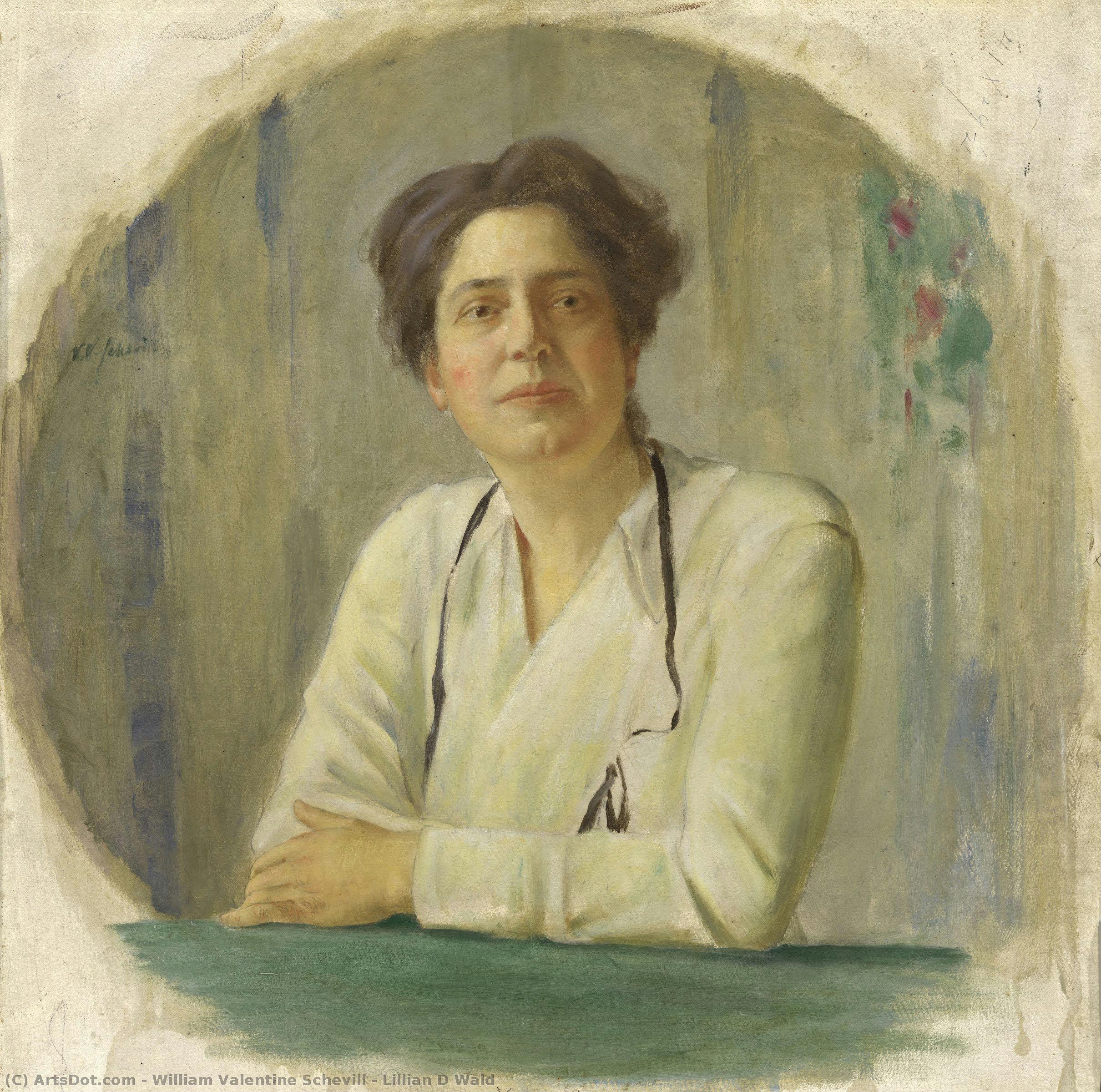
Lillian D Wald

Ręcznie malowana reprodukcja olejowa

Ręcznie malowany obraz olejny na płótnie, wykonany na zamówienie przez naszych artystów w wybranym przez Ciebie wymiarze i oprawie. ( Przełącz na wydania drukowane Przejdź do wersji cyfrowej)

Opis obiektu

A captivating portrait of Lillian D. Wald by William Valentine Schevill, capturing the compassionate spirit of a pioneering nurse in 1919. A beautiful blend of Impressionism and realism.

Biografia artysty

Explore the art of William Valentine Schevill (1864-1951), an American artist influenced by German & US avant-garde styles. Known for portraits, landscapes, and historical subjects like George Washington. Discover his legacy at OriginalUniqueArt.

from ·

Chapter 1

How large should it be?

Slide to change the size; the picture on the left shows the frame at its real width. The proportions of the original are kept.

Standardowy format
personalizowane
CM
INCH

Wybierz spośród naszych standardowych rozmiarów, które zachowują oryginalne proporcje dzieła sztuki.

szerokość
wysokość

Wpisz wymaganą szerokość i wysokość, aby obraz pasował do Twojej ramy lub ściany. Ponieważ jest to dzieło malowane ręcznie, w przypadku rozmiaru o innych proporcjach artysta może domalować nieco więcej wokół obrazu lub przyciąć jego fragmenty — wybór należy do Ciebie. Przed rozpoczęciem pracy prześlemy Ci cyfrową wizualizację do zatwierdzenia. Obraz widoczny na tej stronie nie przedstawia rzeczywistego efektu — jedynie wizualizacja oddaje realny rezultat.

Chapter 2

How should it arrive?

Choose the edges of the stretched canvas

Choose your frame

Corner sample of the WhiteWrap canvas edge finish, stretched on lite drewno bars
White zł1
Corner sample of the BlurSideWrap canvas edge finish, stretched on lite drewno bars
Blurside zł1
Corner sample of the ExtendedWrap canvas edge finish, stretched on lite drewno bars
Extended zł1
Corner sample of the P118B picture frame: polistyren formowany, 5 cm wide and 3 cm thick
P118B zł10
Corner sample of the P118H picture frame: polistyren formowany, 5 cm wide and 3 cm thick
P118H zł10
Corner sample of the P118W picture frame: polistyren formowany, 5 cm wide and 3 cm thick
P118W zł10
Corner sample of the P438Z picture frame: polistyren formowany, 5.5 cm wide and 3.5 cm thick
P438Z zł10
Corner sample of the P508JH picture frame: polistyren formowany, 7 cm wide and 3.5 cm thick
P508JH zł12
Corner sample of the P508YH picture frame: polistyren formowany, 7 cm wide and 3.5 cm thick
P508YH zł12
Corner sample of the P805H picture frame: polistyren formowany, 5 cm wide and 3.5 cm thick
P805H zł10
Corner sample of the P805Z picture frame: polistyren formowany, 5 cm wide and 3.5 cm thick
P805Z zł10
Corner sample of the P919BZ picture frame: polistyren formowany, 7 cm wide and 3.5 cm thick
P919BZ zł10
Corner sample of the P919G picture frame: polistyren formowany, 7 cm wide and 3.5 cm thick
P919G zł10
Corner sample of the P919XJ picture frame: polistyren formowany, 7 cm wide and 3.5 cm thick
P919XJ zł10
Corner sample of the P959ZH picture frame: polistyren formowany, 5 cm wide and 3 cm thick
P959ZH zł10
Corner sample of the P968JZ picture frame: polistyren formowany, 6 cm wide and 4 cm thick
P968JZ zł12
Corner sample of the W106C picture frame: lite drewno, 5 cm wide and 3 cm thick
W106C zł8
Corner sample of the W218G picture frame: lite drewno, 5 cm wide and 3 cm thick
W218G zł10
Corner sample of the W218JH picture frame: lite drewno, 5 cm wide and 3 cm thick
W218JH zł8
Corner sample of the W218Y picture frame: lite drewno, 5 cm wide and 3 cm thick
W218Y zł10
Corner sample of the W307PJ picture frame: lite drewno, 6 cm wide and 3 cm thick
W307PJ zł10
Corner sample of the W316G picture frame: lite drewno, 6 cm wide and 3 cm thick
W316G zł10
Corner sample of the W316PJ picture frame: lite drewno, 6 cm wide and 3 cm thick
W316PJ zł8
Corner sample of the W316Y picture frame: lite drewno, 6 cm wide and 3 cm thick
W316Y zł10
Corner sample of the W398PJ picture frame: lite drewno, 5 cm wide and 3 cm thick
W398PJ zł8
Corner sample of the W4111J picture frame: lite drewno, 6.5 cm wide and 3.5 cm thick
W4111J zł10
Corner sample of the W500HY picture frame: lite drewno, 7 cm wide and 5 cm thick
W500HY zł15
Corner sample of the W500JH picture frame: lite drewno, 7 cm wide and 5 cm thick
W500JH zł15
Corner sample of the W692G picture frame: lite drewno, 8 cm wide and 4 cm thick
W692G zł12
Corner sample of the W849H picture frame: lite drewno, 5 cm wide and 3 cm thick
W849H zł8
Corner sample of the W940BG picture frame: lite drewno, 7.5 cm wide and 4.5 cm thick
W940BG zł15
Corner sample of the W953PJ picture frame: lite drewno, 6 cm wide and 3.5 cm thick
W953PJ zł8
Corner sample of the H24-GOLD picture frame: rzeźbione drewno pokryte gipsem, 10 cm wide and 6 cm thick
H24-GOLD zł30
Corner sample of the H24-SILVER picture frame: rzeźbione drewno pokryte gipsem, 10 cm wide and 6 cm thick
H24-SILVER zł30
Corner sample of the H36-GOLD picture frame: rzeźbione drewno pokryte gipsem, 15 cm wide and 6.5 cm thick
H36-GOLD zł45
Corner sample of the H36-SILVER picture frame: rzeźbione drewno pokryte gipsem, 15 cm wide and 6.5 cm thick
H36-SILVER zł45

Moulding: . Overall size with the frame: .

Chapter 3

Who paints it, and should anything change?

Examples of what can be changed: Replace face with customer photo; Add pet (e.g., replace cat with dog); Include hidden message in background; Change background landscape or elements.
After order, OriginalUniqueArt.com team will email client for instructions and provide a mockup preview

Dostawa na całym świecie () w ciągu 3–4 tygodni zamiast standardowych 5 tygodni. (1 Listopad). Bez kompromisów w kwestii jakości.

Chapter 4

The finishing touches

A nameplate, as in a museum?

Szczegóły grawerowanej brązowej tabliczki

This elegant plaque features the artist's name and the title of the artwork, finely engraved for a timeless presentation.

It is made from bronze with a refined, elegant finish. The text is precisely laser-engraved for a sharp and permanent result. Measuring 9x2 cm, the plaque is compact yet easy to read. It's built to be durable and scratch-resistant, offering a professional, museum-quality look. Mounting is simple thanks to the included adhesive backing.

Szczegóły przezroczystej tabliczki akrylowej

The plaque includes essential engraved details such as the artist's name, the title of the artwork, the date it was created, the type of media used-like oil on canvas or watercolor-a brief description of the piece, and a QR code that links to the complete artwork information.

It is crafted from clear acrylic, offering a sleek, modern appearance. The text is UV-engraved in black to ensure strong visual contrast. With a size of 10x15 cm, it ensures optimal readability. It comes equipped with two metal hooks for secure wall mounting. The plaque is designed to be weather-resistant, making it suitable for various environments, and it includes interactive features that work seamlessly with smartphone scanning.

Szczegóły czarnej tabliczki akrylowej

This elegant plaque includes engraved information such as the artist's name, the title of the artwork, the date it was created, the type of media used (like oil on canvas or watercolor), a short description of the artwork, and a QR code for quick access to more information.

The plaque itself is made from refined black acrylic with a premium finish. The text is laser-engraved in white for high contrast and readability. Its size is 10x15 cm, designed to be easy to read. It comes with two metal hooks for professional mounting. The design is sleek and fits any interior style. It is also weather-resistant and durable, with built-in digital integration for mobile compatibility.

A protective varnish?

When do you need it?

Chapter 5

Your painting, as you ordered it

Lillian D Wald

Technika reprodukcji

Wymiary reprodukcji

-

Wybitny mistrz artystyczny

Większa szczegółowość, finezja i dodatkowy czas na realizację

-

Opcje oprawy reprodukcji

-

-

W przypadku dzieł sztuki lub reprodukcji, których którykolwiek z boków przekracza 105 cm (około 41 cali), rama zostanie wysłana w formie zestawu do samodzielnego montażu. Metoda ta zapewnia bezpieczną dostawę i zapobiega uszkodzeniom podczas transportu.

Wymagany profesjonalny montaż – nie jest to produkt typu DIY.
Zestaw musi zostać złożony, a płótno naciągnięte przez doświadczonego profesjonalnego ramiarza, przy użyciu kleju do drewna (brak w zestawie), kleszczy do naciągania płótna oraz ścisków, które utrzymają krosna w równej pozycji podczas schnięcia kleju. Nieprawidłowy montaż lub nierównomierne napięcie płótna może trwale uszkodzić dzieło sztuki i nie podlega naszej gwarancji.

  • W zestawie znajdują się wszystkie listwy z litego drewna, precyzyjnie docięte do wymiarów.

  • Montaż odbywa się przy użyciu dołączonych wkrętów oraz kleju do drewna do łączenia narożników, którego zestaw nie zawiera i który musi zostać dostarczony przez ramiarza.

  • Wymagane są profesjonalne narzędzia, których nie ma w zestawie: kleszcze do naciągania płótna (napinacz) oraz zaciski, które pozwolą utrzymać listwy w równej pozycji podczas schnięcia kleju.

Ważne:
Do połączenia narożników niezbędny jest klej do drewna, listwy należy unieruchomić za pomocą ścisków do momentu całkowitego wyschnięcia kleju, a naciągnięcie płótna na złożoną ramę wymaga użycia kleszczy do naciągania płótna. Żaden z tych elementów nie jest dołączony do zestawu. Przed zamówieniem tego rozmiaru zalecamy konsultację z doświadczonym ramiarzem.

Etykieta obiektu

-

-

Lakier ochronny

Lakier z połyskiem (pogłębia kolory, chroni przed światłem i wilgocią)

-

Personalizacja dzieła

Przykłady możliwości personalizacji: zastąp twarz zdjęciem klienta; dodaj zwierzę domowe (np. zamień kota na psa); umieść ukrytą wiadomość w tle; zmień krajobraz lub elementy tła.

-

Ekspresowa

Dostawa na cały świat () w ciągu 3–4 tygodni zamiast standardowych 5 tygodni. (1 Listopad). Bez kompromisów w kwestii jakości.

-

Przesyłka ekspresowa

Dostawa na cały świat () w ciągu 5 tygodni. (8 Listopad).

W cenie

Cena całkowita

zł 1167

Suma całkowita zł 1167

Opcja ze szkłem jest dostępna wyłącznie w rozmiarach poniżej 110 cm

Included with every order

  • Bezpłatna ekspresowa wysyłka na cały świat
  • Wysokiej jakości płótno lniane
  • Pełne ubezpieczenie przesyłki
  • Gwarancja zwrotu należności celnych i podatków importowych
  • Gwarancja wiernego odwzorowania kolorów
  • 100-dniowa polityka zwrotów (tylko w przypadku wad)
  • Gwarancja 100% zwrotu pieniędzy
  • Zniżka przy zakupie wielu sztuk

A Portrait of Compassion: Lillian D. Wald by William Valentine Schevill

William Valentine Schevill’s 1919 portrait of Lillian D. Wald is more than just a likeness; it's a poignant embodiment of social reform and the burgeoning spirit of American progressivism. The painting, rendered in a style that deftly balances German Impressionistic influence with the emerging realism of the early 20th century, captures not merely Wald’s physical appearance but also her unwavering dedication to improving public health and advocating for the underserved.

Wald herself was a transformative figure. Born into privilege within a prominent German-Jewish family in Cincinnati, Ohio, she defied societal expectations to become one of America's first registered nurses and a pioneer in public health nursing. Her work with immigrant communities in New York City during the late 19th and early 20th centuries exposed her to appalling conditions – rampant disease, overcrowding, and systemic neglect – fueling her commitment to social justice. Schevill’s portrait serves as a visual testament to this dedication; Wald's direct gaze conveys both strength and empathy, suggesting an individual deeply invested in the well-being of others.

The Language of Light and Shadow

Schevill’s technique is characterized by a masterful manipulation of light and shadow, hallmarks of his training under Frank Duveneck and further refined during his time studying at the Academy of Fine Arts Munich. The painting utilizes a muted palette—primarily greens, browns, and creams—to create a sense of quiet dignity and understated power. Notice how Schevill employs broken brushstrokes to capture the texture of Wald’s dress and the subtle nuances of her face. The diffused light, reminiscent of Impressionism, softens the features while simultaneously highlighting the intelligence and resolve in her eyes. The background is deliberately simple, allowing Wald's presence to dominate the composition and drawing the viewer’s attention directly to her compassionate expression.

Symbolic Elements and Historical Context

Beyond its technical brilliance, the painting is rich with symbolic elements reflecting the era. The stethoscope, prominently displayed around Wald’s neck, immediately identifies her profession and underscores her role as a healer. The potted plants flanking the figure – one on either side – can be interpreted as symbols of growth, care, and the nurturing environment she sought to create for those in need. The clock visible in the upper-middle section subtly references the relentless passage of time and the urgency of her work. Painted in 1919, shortly after World War I, the portrait reflects a nation grappling with profound social changes and striving towards a more equitable future – a future Wald was actively shaping.

A Legacy of Service and Artistic Merit

Lillian D. Wald’s legacy extends far beyond her pioneering nursing work; Schevill's painting immortalizes her spirit, offering a powerful visual reminder of the importance of social responsibility and compassionate action. The artwork is not merely a portrait but a historical document, capturing a pivotal moment in American history and celebrating the life of a woman who dedicated herself to serving humanity. Today, reproductions of this compelling image continue to resonate with audiences, reminding us of the enduring value of empathy, service, and artistic expression.

  • Artist: William Valentine Schevill
  • Year: 1919
  • Size: 72 x 72 cm
  • Medium: Oil on Canvas

Further Research: For more information about Lillian D. Wald and William Valentine Schevill, please refer to the links below:

Pytania i odpowiedzi

Z jakiej techniki wykorzystano "Lillian D Wald"?

„Lillian D Wald” wykonano w technice Acrylic On Canvas.

Czy dzieło „Lillian D Wald” autorstwa William Valentine Schevill znajduje się w domenie publicznej i dlaczego?

„Lillian D Wald” – William Valentine Schevill jest należy do domeny publicznej – autorskie prawa majątkowe wygasły. Okres ochrony praw autorskich liczony jest od śmierci artysty, która nastąpiła w 1951.

Co przedstawia „Lillian D Wald” – William Valentine Schevill?

Tematyka obecna w „Lillian D Wald” – William Valentine Schevill obejmuje nurse, lillian wald, portrait, healthcare, early 20th, medicine, american art. Razem stanowią one podsumowanie tematyki dzieła.

More about this painting

Podgląd w skali 1:1 Podgląd AR Przełącz na wydania drukowane Przejdź do wersji cyfrowej Wyślij jako kartkę
Szczegóły dzieła Przewodnik Dodaj do ulubionych Pobierz obraz Podobne obiekty RTG Pokaz slajdów Q&A Statystyki

In numbers

  • 1919the year it was painted
  • 29frames to choose from
  • standard sizes, in its own proportions
  • 5weeks to paint and deliver it
William Valentine Schevill

William Valentine Schevill

1864 - 1951, United States of America

Quick facts about William Valentine Schevill

  • Full Name: William Valentine Schevill
  • Nationality: American
  • Date Of Birth: 1864
  • Date Of Death: 1951
  • Place Of Birth: Cincinnati, United States of America
  • Notable Artworks:
    • Lillian D Wald
    • The Fondey Family
    • George Washington
  • Artistic Movement Or Style: German & US avant-garde
  • Artists Who Influenced This Artist:
    • Frank Duveneck
    • Ludwig Löfftz
    • Max Lindenschmitt
    • Nikolaos Gyzis
  • Artists Or Movements Influenced By This Artist: ['Louisiana Purchase Exposition']

Biografia artysty

The Soul of the Canvas: The Life and Legacy of William Valentine Schevill

In the grand tapestry of American art history, few threads weave together the disparate textures of European tradition and American spirit as gracefully as William Valentine Schevill. Born in the vibrant cultural cradle of Cincinnati, Ohio, on March 2nd, 1864, Schevill emerged from a lineage of artistic excellence that would eventually bridge the gap between the expressive dynamism of German Impressionism and the grounded, observant nature of American Realism. His journey was not merely one of personal growth, but a profound exploration of light, shadow, and the human condition, shaped by the prestigious academies of two continents.

The foundations of his mastery were laid at the Cincinnati Art Academy, where he studied under the legendary Frank Duveneck. It was here that Schevill first learned to manipulate the tonal qualities of paint to capture the fleeting essence of a moment. Seeking to expand his horizons, he ventured across the Atlantic to the Academy of Fine Arts Munich. Immersed in the rigorous yet expressive atmosphere of German training, he studied under luminaries such as Ludwig Löfftz, Max Lindenschmidt, and Nikolaos Gyzis. This period was transformative; it infused his brushwork with a certain European bravura, allowing him to blend meticulous detail with an atmospheric sensitivity that would become his hallmark.

A Mastery of Form and Emotion

Schevill’s oeuvre serves as a window into the shifting social and psychological landscapes of the late nineteenth and early twentieth centuries. He was a virtuoso of various genres, yet it is in his portraiture where his ability to capture the human psyche truly shines. His work does not merely record a likeness; it seeks to unveil the character beneath the skin. One of his most celebrated achievements, the portrait of Lillian D. Wald, currently held in the National Portrait Gallery in Washington D.C., stands as a testament to this skill. In this piece, he captures the compassionate spirit of the pioneering nurse through subtle tonal variations and a nuanced facial expression that resonates with profound empathy.

Beyond the intimate confines of portraiture, Schevill’s hand was equally adept at capturing the grandeur of the natural world and the weight of history. His landscapes are characterized by an expert command of atmospheric perspective, creating spaces that feel both vast and intimately reachable. Whether depicting the quiet dignity of a domestic scene, such as The Fondey Family, or evoking the monumental presence of historical figures like George Washington, his work maintains a consistent thread of truthfulness. His art was never about mere decoration; it was an act of profound observation.

An Enduring Artistic Presence

Throughout his long and prolific career, which spanned nearly nine decades, Schevill remained a vital participant in the international art dialogue. His presence at the Louisiana Purchase Exposition of 1904 provided him with a global stage, allowing his unique synthesis of styles to reach a diverse audience. As he moved through the artistic hubs of New York City, Boston, and eventually Los Angeles, his membership in prestigious organizations like the Salmagundi Club solidified his standing among the elite of the American art world.

The historical significance of William Valentine Schevill lies in his role as a stylistic conduit. He carried the lessons of the Munich school into the burgeoning American scene, enriching the local tradition with a sophisticated understanding of light and form. Today, his legacy is preserved not only in museum collections but in the very way we perceive the transition from the romanticism of the past to the realism of the modern era. To look upon a Schevill painting is to witness a master at work, forever capturing the ephemeral beauty of life through the enduring medium of oil and canvas.

Najważniejsze informacje

  • Movement: Impressionism
  • Artistic style: Portraiture, Realism
  • Title: Lillian D Wald
  • Dimensions: 72 x 72 cm
  • Medium: Oil on canvas

Quiz o sztuce

Do każdego pytania dotyczy tylko jedna poprawna odpowiedź.

Pytanie 1:
Who is depicted in the portrait ‘Lillian D Wald’?
Pytanie 2:
What artistic movement significantly influenced William Valentine Schevill’s style?
Pytanie 3:
The painting features a green background. What is the likely purpose of this color choice?
Pytanie 4:
In what year was the painting ‘Lillian D Wald’ created?
Pytanie 5:
William Valentine Schevill studied at which art academy before moving to the United States?