

 Zobacz w skali 1:1
 Wyślij
 Udostępnij
 Szczegóły
 Przewodnik

 Pobierz plik obrazu
 Podobne obiekty
 RTG
RTG Pokaz slajdów
 Statystyki
Akalis at the Holy Tank, Umritsar

 Czytaj więcej
Giclée / Wydruk artystyczny
Wydruki giclée lub płótna o jakości muzealnej, szybka realizacja i szeroki wybór opcji wykończenia. ( Kup ręcznie malowany obraz Przełącz na wersję cyfrową)




P118B $10

P118H $10

P118W $10

P438Z $10

P508JH $12

P508YH $12

P805H $10

P805Z $10

P919BZ $10

P919G $10

P919XJ $10

P959ZH $10

P968JZ $12

W106C $8

W218G $10

W218JH $8

W218Y $10

W307PJ $10

W316G $10

W316PJ $8

W316Y $10

W398PJ $8

W4111J $10

W500HY $15

W500JH $15

W692G $12

W849H $8

W940BG $15

W953PJ $8




Wybierz spośród naszych standardowych rozmiarów, które zachowują oryginalne proporcje dzieła sztuki.

Możesz wprowadzić własne wymiary, aby dopasować dzieło do konkretnej ramy lub przestrzeni. Jeśli wybrany rozmiar nie będzie odpowiadał proporcjom oryginalnego obrazu, przytniecie dzieło lub rozszerzymy obraz za pomocą odbicia lustrzanego lub jednolitego wypełnienia krawędzi. Przed rozpoczęciem produkcji prześlemy cyfrową wizualizację do Twojej akceptacji.
Prosimy pamiętać, że podgląd na ekranie nie odzwierciedla faktycznego przycinania ani rozszerzania. Tylko wizualizacja dokładnie pokaże końcową kompozycję.
Mimo dostępności niestandardowych rozmiarów, zalecamy wybór wymiaru z listy zdefiniowanej, aby zachować oryginalne proporcje.
Dostawa na cały świat () w ciągu 2 tygodni zamiast standardowych 4/5 tygodni. (27 Wrzesień)

Bezpłatna ekspresowa wysyłka na cały świat

Wysokiej jakości płótno lniane

Pełne ubezpieczenie transportowe

Gwarancja zwrotu należności celnych i podatków importowych

Gwarancja idealnego odwzorowania barw

100-dniowy okres na zwrot dzieła w przypadku wykrycia wad produkcyjnych

Gwarancja 100% zwrotu pieniędzy

Oferta przy zakupie wielu sztuk
 Opcja ze szkłem jest dostępna wyłącznie w rozmiarach poniżej 110 cm

Akalis at the Holy Tank, Umritsar
Giclée / Wydruk artystyczny
Rozmiar reprodukcji
-


Suma do zapłaty
$ 80
A Glimpse into Sikh Ceremony: "Akalis at the Holy Tank, Umritsar" by William Simpson
This captivating artwork by Scottish artist William Simpson offers a fascinating window into 19th-century India. Depicting “Akalis at the Holy Tank, Umritsar,” the painting transports viewers to an ornate Indian palace or courtyard, alive with activity and steeped in cultural significance. The scene portrays a seated figure adorned with a striking statue upon his head, surrounded by onlookers and individuals moving through the space. Simpson’s masterful composition creates a theatrical effect, reminiscent of a staged event or royal procession, capturing a moment rich in historical context and religious ceremony. The slightly flattened perspective enhances this sense of spectacle, drawing attention to the central figure and the intricate architectural details that define the setting.Style & Technique: A Blend of Realism and Decorative Detail
Simpson’s style is characterized by a compelling blend of realism and decorative elements, reflecting the artistic trends prevalent in 19th-century depictions of Indian culture within European art circles. The painting is primarily executed in oil on canvas, showcasing Simpson's skill in layering and blending colors to achieve depth and texture. Notice how he uses lines to precisely define architectural features – arches, windows, and intricate carvings – as well as the folds of clothing and subtle nuances of facial expressions. The color palette leans towards muted earth tones punctuated by vibrant highlights of red and gold, creating a visually rich and harmonious composition. The diffused lighting contributes to a soft, aged appearance, further enhancing the painting's historical charm.Historical Context & Cultural Significance
Created during a period of increased British engagement with India, this artwork provides valuable insight into Sikh religious practices and social structures. Umritsar, home to the Golden Temple (Harmandir Sahib), is one of the holiest places in Sikhism, and the "Holy Tank" refers to the Amrit Sarovar, a sacred pool surrounding the temple. The “Akalis” depicted were members of a devoted order within the Sikh community, known for their commitment to upholding religious principles. Simpson's work, likely commissioned for the *Illustrated London News*, served as a visual record for European audiences unfamiliar with Indian culture and traditions. It’s important to note that while offering a glimpse into this world, such depictions were often filtered through a Western lens, reflecting contemporary perspectives on colonial encounters.Symbolism & Emotional Impact
Beyond its documentary value, the painting is rich in symbolic meaning. The central figure with the statue atop his head likely represents authority or divinity within the Sikh faith. The attentive onlookers suggest an audience participating in a significant religious event. The overall atmosphere evokes a sense of reverence and solemnity, while also hinting at the grandeur and complexity of Indian courtly life. Simpson’s skillful rendering invites viewers to contemplate the cultural nuances and spiritual depth of this historical moment, making "Akalis at the Holy Tank, Umritsar" a compelling work that resonates with both artistic merit and historical significance.Biografia artysty
William Simpson: A Life Etched in Conflict and Culture
William Simpson, a name inextricably linked to the brutal realities of the Crimean War—often whispered as “Crimean Simpson”—was far more than simply a war artist. He was a visual chronicler, an intrepid observer who meticulously documented a rapidly transforming 19th-century world, capturing not just battles but also the profound human cost and cultural nuances of his time. Born into the crushing poverty of Glasgow in 1823, his journey from hardship to recognition stands as a testament to both innate artistic talent and unwavering tenacity. His early life was shadowed by a difficult family situation; an abusive and alcoholic father led him to seek refuge with his grandmother in Perth at age ten—a move that, while offering stability, restricted formal schooling but ignited within him a lifelong dedication to self-directed learning and a deep fascination with the world beyond Scotland’s borders. This pursuit of knowledge continued through apprenticeships at the Glasgow lithographic firm of Macfarlane, which he later described as pivotal, and evening studies at the Andersonian University and Mechanics' Institute – institutions that fostered his intellectual curiosity and honed his observational skills. These formative years laid a solid foundation for a career that would seamlessly blend artistic skill with an insatiable desire to understand and represent the world around him.Witness to War: The Crimean Revelation
The outbreak of the Crimean War in 1853 irrevocably altered Simpson’s trajectory. Initially commissioned to create a lithograph based on secondhand accounts of the Battle of Alma, his extraordinary talent quickly caught the attention of Colnaghi & Son, who swiftly dispatched him directly to Crimea in November 1854. This wasn't merely about illustrating battles; it was about *experiencing* them firsthand and translating that visceral experience onto paper with meticulous detail and a profound sense of empathy. Simpson didn’t shy away from depicting the grim realities of war—the pervasive mud, the agonizing suffering etched on the faces of exhausted soldiers, the sheer, overwhelming exhaustion – his watercolors weren't romanticized fantasies but unflinching, brutally honest records of a conflict that was often obscured by official narratives and propaganda. These images were then transformed into lithographs for publications like *The Illustrated London News*, bringing the horrors and, occasionally, the heroism of the Crimean War directly into British homes, shaping public opinion and fostering a greater understanding – albeit a sobering one – of the realities of war. He became known as “Crimean Simpson” not just for his presence there, but for the authenticity and immediacy he brought to his depictions—a reputation that would endure throughout his career. The Seat of War in the East, his seminal series of lithographs based on these sketches, remains a landmark achievement in war reporting and visual storytelling – a testament to his courage, artistic skill, and unwavering commitment to portraying the truth as he saw it.Beyond Crimea: India, Exploration, and Artistic Ambition
Following his success in Crimea, Simpson’s career took him far beyond the battlefields of southern Russia. In the late 1850s, he embarked on an extensive journey to India—a period that profoundly shaped his artistic vision and broadened his understanding of diverse cultures. This expedition wasn't simply about documenting military events; it was a deep dive into Indian landscapes, vibrant culture, and daily life – a far cry from the often-stereotyped depictions prevalent at the time. He captured bustling marketplaces teeming with activity, serene temples radiating spiritual energy, majestic palaces reflecting imperial grandeur, and portraits of local people with remarkable sensitivity and respect. His watercolors from India reveal a nuanced understanding of the subcontinent—a testament to his open mind and willingness to engage with cultures beyond his own. Simpson envisioned a comprehensive illustrated volume on India – an ambitious project that unfortunately fell through due to financial difficulties faced by Day & Son, the intended publisher. Despite this setback, his Indian watercolors remain invaluable records of a pivotal moment in British colonial history—showcasing not only the grandeur of the subcontinent but also the complex and often fraught dynamics inherent in imperial rule. He continued to travel extensively throughout the 1860s and 70s, documenting scenes from Russia, China, Afghanistan, and beyond – always bringing back detailed observations rendered with remarkable skill and a keen eye for detail.The Role of the Special Artist: Reporting from the Frontlines
William Simpson’s work distinguished him significantly within his field. He wasn't merely an artist; he was a pioneering “special artist” – an embedded observer who provided firsthand visual reporting directly from conflict zones and distant lands. This role demanded not only artistic skill but also courage, adaptability, and a willingness to immerse himself in challenging environments. His ability to capture the essence of these locations—from the muddy trenches of Crimea to the bustling streets of India—was unparalleled. He meticulously documented everything he saw, sketching rapidly on location and later refining his drawings into detailed watercolors and lithographs for publication. This approach revolutionized war reporting, providing a visual narrative that complemented written accounts and offered readers an unprecedented glimpse into the realities of conflict. His work helped shape public opinion and fostered a greater understanding – albeit often a sobering one – of the human cost of war.Legacy and Lasting Influence
William Simpson’s legacy extends far beyond his stunning visual documentation of 19th-century events. He established a new model for journalistic illustration, demonstrating how art could be used to inform, educate, and provoke reflection. His work continues to be studied by historians and art enthusiasts alike, offering invaluable insights into the past. He was elected an associate of the Institute of Painters in Water Colours in 1874 and became a full member five years later – recognizing his significant contribution to British art. Simpson’s detailed watercolors and lithographs remain powerful reminders of a turbulent era—a testament to his courage, artistic skill, and unwavering commitment to portraying the truth as he saw it. He was, as many would say, a “Prince of Pictorial Correspondents,” whose work continues to resonate with audiences today.Notable Works
- The Seat of War in the East: A seminal series of lithographs based on his Crimean sketches, offering a detailed visual record of the conflict.
- Retreat of the Russians from Sebastopol: A powerful watercolor capturing a pivotal moment in the fall of Sevastopol, showcasing Simpson’s skill in depicting dramatic scenes.
- Mongolia. Group Near The Great Wall Of China.: Demonstrates his ability to capture cultural exchange and landscapes with realism and romanticism.
- Akalis at the Holy Tank, Umritsar: A vibrant depiction of Sikh devotion, rich in historical and cultural detail.
- Camp of the Fourth Division: An evocative painting depicting a 19th-century military encampment.
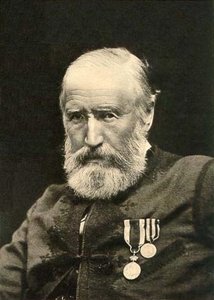
Simpsonowski
1823 - 1899 , Wielka Brytania
Najważniejsze informacje
- Artistic Movement Or Style: Szkocki malarz
- Artists Or Movements Influenced By This Artist: ['William Blake']
- Artists Who Influenced This Artist: ['William Hogarth']
- Date Of Birth: 1823
- Date Of Death: 1899
- Full Name: William Simpson
- Nationality: Brytyjski
- Notable Artworks:
- The Seat of War
- Retreat z Sebastopola
- Mongolia
- Akalis
- Place Of Birth: Glasgow, Szkocja
Zobacz także powiązane artykuły

Christopher Williams: Deconstructing Representation & Materiality in Contemporary Art
Explore the groundbreaking work of Christopher Williams, a pivotal figure in contemporary art. This analysis delves into his deconstruction of representation, materiality, and institutional critique – essential reading for serious collectors.
Penry Williams: Evoking Welsh Nostalgia Through Impressionistic Landscapes
Explore the captivating world of Penry Williams (1802-1885), a Welsh artist renowned for his evocative Impressionistic landscapes and scenes of Italy. Discover his life, style & legacy with OriginalUniqueArt.
William Bradford: Navigating Faith, Landscape & Artistic Innovation in Early American Painting
Explore the captivating world of William Bradford, American Romanticist painter renowned for his dramatic Arctic seascapes & ship portraits. Discover his artistic evolution, influences, and lasting legacy with OriginalUniqueArt.

Sir William Blake Richmond: A Visionary of Aestheticism & Symbolism
Explore the life & art of Sir William Blake Richmond, a pivotal figure bridging Pre-Raphaelitism and Aestheticism. Discover his stunning portraits, mosaics at St Paul's Cathedral, and lasting influence on Victorian art.

Raja Ravi Varma: Bridging Tradition & Modernity in 19th-Century Indian Art
Explore the life & art of Raja Ravi Varma, a pioneer who fused European techniques with Indian iconography. Discover his iconic paintings, lasting legacy, and influence on modern Indian art at OriginalUniqueArt.