1907
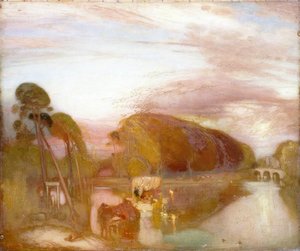
Christ at Jerusalem (William Shackleton, 1907)
William Shackleton (1872–1933) stworzył Christ at Jerusalem. Dzieło pochodzi z 1907. Przechowywane jest w Touchstones Rochdale w Rochdale, Zjednoczone Królestwo. Wymiary to 97 × 109 cm.
- 1907
- 97 × 109 cm
- Touchstones Rochdale

 Podgląd w skali 1:1

 Ręcznie malowany obraz olejny
 Wyślij jako kartkę
 Udostępnij
 Karta informacyjna


 Pobierz obraz
 Podobne obiekty
 RTG
 Pokaz slajdów
 Pytania i odpowiedzi

 Statystyki
Christ at Jerusalem w skrócie
- Tytuł
- Christ at Jerusalem
- Artysta
- William Shackleton (1872–1933)
- Miejsce urodzenia artysty
- Bradford, United Kingdom
- Data powstania
- 1907
- Wymiary
- 97 × 109 cm
- Gdzie można je zobaczyć
- Touchstones Rochdale, Rochdale, Zjednoczone Królestwo
W którym muzeum znajduje się Christ at Jerusalem?
Touchstones Rochdale
Rochdale, Zjednoczone Królestwo
A Sanctuary of Creativity in the Heart of Rochdale Nestled within the vibrant cultural fabric of Greater Manchester, Touchstones Rochdale stands as a luminous beacon for those who find solace and inspiration in the visual arts. More than just a gallery space, it is a living, breathing testament to the enduring power of human expression, serving as a vital cornerstone for the community and a destination for connoisseurs alike. The museum offers an intimate yet profound experience, where the whispers of historical significance meet the bold, experimental energy of contemporary practice.


Zdjęcia w wysokiej rozdzielczości dzieła Christ at Jerusalem

Domena publiczna: artysta zmarł w 1933.
Inne rozmiary, kadrowanie i cytowanie →William Shackleton, Christ at Jerusalem (1907), Touchstones Rochdale. Domena publiczna
Odpowiedzi na pytania dotyczące Christ at Jerusalem
W którym muzeum znajduje się oryginał "Christ at Jerusalem"?
Oryginał dzieła „Christ at Jerusalem” – William Shackleton znajduje się w Touchstones Rochdale, Rochdale, Zjednoczone Królestwo. Reprodukcja pozwala na eksponowanie pracy w domu.
W którym roku powstało „Christ at Jerusalem” – William Shackleton?
"Christ at Jerusalem" powstało w 1907 roku. Data ta pozwala umiejscowić dzieło w kontekście twórczości William Shackleton oraz epoki, w której powstało.
Jakie są wymiary oryginału "Christ at Jerusalem"?
Oryginalny utwór „Christ at Jerusalem” – William Shackleton ma wymiary 97 x 109 cm.
Czy „Christ at Jerusalem” – William Shackleton znajduje się w domenie publicznej?
Jeśli chodzi o prawa autorskie, "Christ at Jerusalem" znajduje się w należy do domeny publicznej – autorskie prawa majątkowe wygasły.
Kto stworzył "Christ at Jerusalem"?
Autorstwo dzieła "Christ at Jerusalem" przypisuje się William Shackleton.
W jakim wieku William Shackleton stworzył(a) "Christ at Jerusalem"?
William Shackleton stworzył/a "Christ at Jerusalem" w wieku 35 lat. Artysta urodził/a się w 1872, a datowanie dzieła to 1907.
Co wyjaśnia sytuację prawną dotyczącą praw autorskich do „Christ at Jerusalem” – William Shackleton?
„Christ at Jerusalem” – William Shackleton jest należy do domeny publicznej – autorskie prawa majątkowe wygasły. Okres ochrony praw autorskich liczony jest od śmierci artysty, która nastąpiła w 1933.
Czy dzieło "Christ at Jerusalem" znajduje się w kraju swojego twórcy?
Nie – dzieło znajduje się poza granicami kraju artysty. William Shackleton urodził(a) się w United Kingdom, a oryginał dzieła „Christ at Jerusalem” znajduje się w muzeum w Zjednoczone Królestwo.
O artyście: William Shackleton
1872–1933, United Kingdom
William Shackleton
The Soul of the British Landscape: The Life and Art of William Shackleton In the tapestry of early 20th-century British art, few threads are as delicately woven as those left by William Shackleton. Born in 1872 in the industrial heart of Wednesfield, Staffordshire, Shackleton emerged from a period of profound transition in the art world. His journey was one of constant refinement, moving between the rigorous academic traditions of his training and a deeply personal, atmospheric approach to the natural world. As a painter who mastered both the expansive grandeur of the Yorkshire Moors and the quiet, intimate beauty of a single bloom, Shackleton captured a sense of time and place that remains profoundly moving to the modern observer.
O William Shackleton Najważniejsze dzieła William Shackleton
 Phryne at Eleusis1907
 The Eternal Dream1924
 Autumn in Parham Park, West Sussex1904
 Winter Sunrise, Malham, Yorkshire1924