
 Zobacz w skali 1:1
 Wyślij
 Udostępnij
 Szczegóły
 Przewodnik

 Pobierz plik obrazu
 Podobne obiekty
 RTG
RTG Pokaz slajdów
 Statystyki
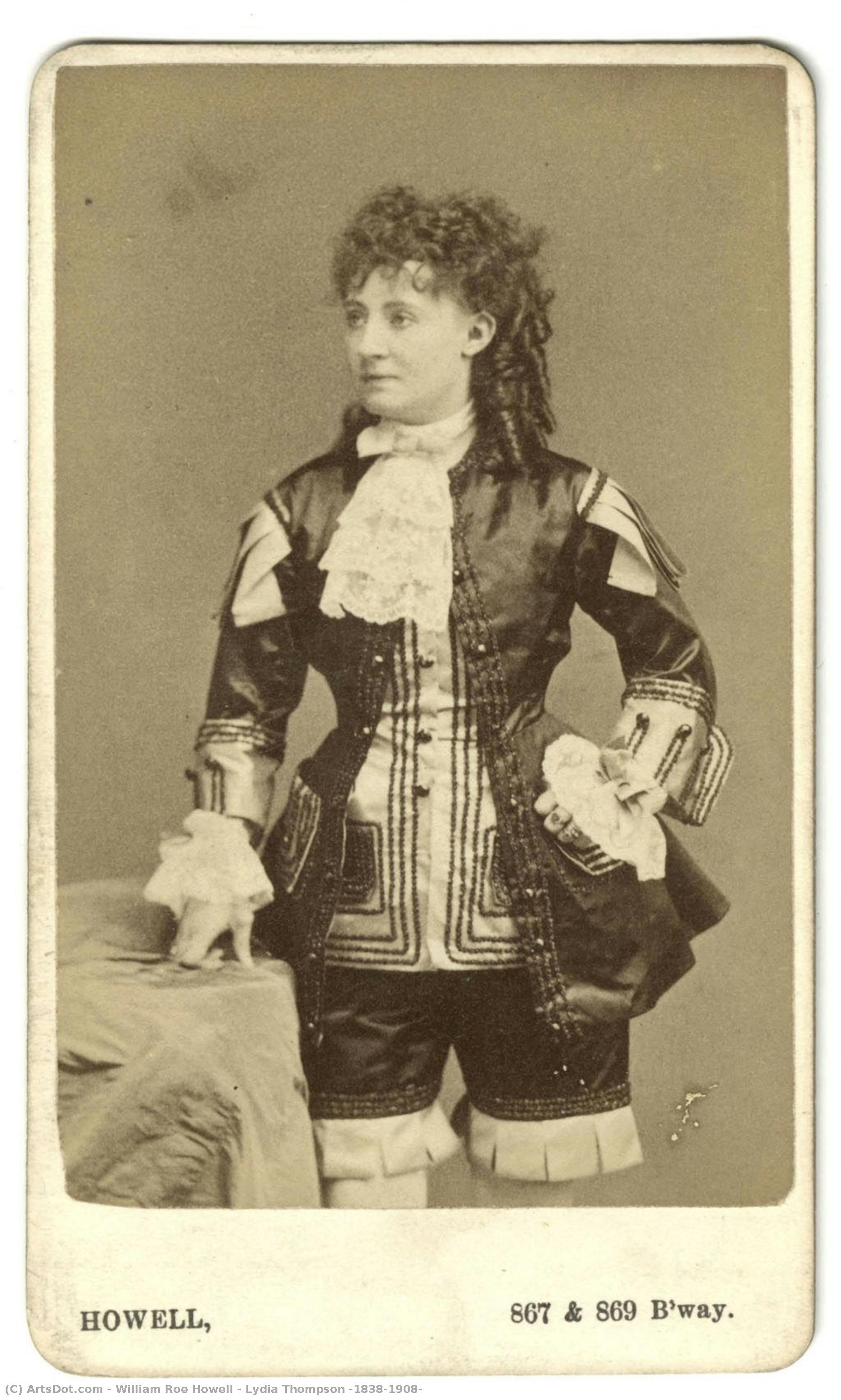
Lydia Thompson (1838-1908)

 Czytaj więcej
Kup wysokiej rozdzielczości, ulepszony obraz cyfrowy o jakości znacznie przewyższającej podgląd online.
Każdy plik jest starannie przygotowywany przez naszych specjalistów przy użyciu zaawansowanych narzędzi oraz profesjonalnej, ręcznej retuszy. Dbamy o to, aby każdy obraz cechował się wyjątkową ostrością, precyzyjnym odwzorowaniem kolorów i subtelnymi detalami.
Ostateczny plik dostarczany jest drogą mailową w ciągu 72 godzin, zoptymalizowany do natychmiastowego wykorzystania w profesjonalnych zastosowaniach redakcyjnych i poligraficznych. To ta sama jakość, której ufają czołowe studia projektowe, wydawnictwa oraz galerie sztuki.
Obraz cyfrowy
Pobierz plik o wysokiej rozdzielczości do osobistego użytku, druku oraz projektów kreatywnych. ( Przełącz na wersję drukowaną Kup ręcznie malowany obraz)
W każdym zamówieniu na obraz cyfrowy znajduje się
Profesjonalna dostawa cyfrowa z gwarancją
Wybierając OriginalUniqueArt.com, nie otrzymujesz jedynie obrazu – otrzymujesz profesjonalnie udoskonalone cyfrowe dzieło sztuki, stworzone z najwyższą precyzją i objęte gwarancją satysfakcji. Oto wszystko, co automatycznie dołączane jest do Twojego zamówienia:

Błyskawiczna dostawa e-mailowa
Plik z obrazem cyfrowym w wysokiej rozdzielczości zostanie przesłany na Twój adres e-mail w ciągu 72 godzin od złożenia zamówienia – gotowy do natychmiastowego użycia.

Plik cyfrowy ulepszony przez AI
Twoja grafika została profesjonalnie zoptymalizowana przy użyciu zaawansowanych narzędzi AI oraz ręcznej edycji, co zapewnia maksymalną szczegółowość, klarowność i wierność kolorów.

Bezpłatna dożywotnia ponowna dostawa
Przypadkowo usunąłeś lub zgubiłeś swój plik? Bez obaw – prześlemy go Tobie ponownie w dowolnym momencie, bez żadnych opłat.

Bez opłat importowych – zawsze
Ciesz się swoją sztuką natychmiast, bez żadnych opłat celnych, należności ani kosztów dostawy – pliki cyfrowe są zawsze wolne od podatku.

Gwarancja odwzorowania kolorów
Dzięki zastosowaniu profesjonalnych narzędzi i procesów zarządzania barwą zapewniamy, że Twoje cyfrowe zdjęcie odzwierciedla oryginalne kolory tak wiernie, jak to tylko możliwe.

100 dni na satysfakcję
Jeśli nie będziesz zadowolony ze swojego cyfrowego obrazu, poprawimy go lub zwrócimy 100% kosztów w ciągu 100 dni – bez zbędnych pytań.

100% Gwarancja zwrotu pieniędzy
Nie jesteś zadowolony? Otrzymaj pełny zwrot kosztów w ciągu 100 dni od otrzymania pliku cyfrowego – bez zbędnych pytań.

Rabaty przy zamówieniach hurtowych
Kup 3 obrazy, oszczędź 10% - Kup 5, oszczędź 15% - Kup 10+, oszczędź 20%. Idealne do projektów kreatywnych, galerii i agencji.
Biografia artysty
The Lens of Eminence: The Life and Legacy of William Roe Howell
In the flickering light of the Victorian era, a period defined by both rapid industrial progress and a profound fascination with individual identity, William Roe Howell emerged as a master of the captured moment. Born in 1846 in Goshen, Indiana, Howell’s journey from the American Midwest to the bustling heart of New York City’s artistic scene is a narrative of immense talent meeting historical opportunity. While his early years were rooted in the landscapes of his youth, his true calling lay in the meticulous, chemical dance of the photographic darkroom. Before he became a celebrated name in portraiture, Howell honed his eye through formal training in drawing and painting, an education that gifted him with an unparalleled understanding of composition, light, and the subtle nuances of human expression—elements that would later breathe life into his silver-toned masterpieces.
The transition from the brush to the camera was more than a mere change in medium; it was a deliberate pursuit of a new kind of truth. As photography evolved, Howell embraced the technical complexities of the era, particularly the collodion process. This method, though demanding, offered a clarity and sharpness that far surpassed the earlier daguerreotypes, allowing him to document the textures of velvet, the glint of medals, and the profound depth of a subject's gaze. His early professional milestones were marked by significant prestige, most notably in 1873, when he was awarded the Grand Prize at the Vienna International Exposition. This international recognition placed him among the elite photographic innovators of Europe and America, signaling the arrival of a photographer whose technical prowess was matched only by his artistic intuition.
Capturing the Icons of an Age
By the mid-1870s, Howell had established a prominent studio at 867 & 869 Broadway in New York City, a location that served as a crossroads for the era's most influential figures. His work became a vital historical record, documenting the faces that shaped American politics and culture. To step into his studio was to encounter the very essence of Victorian celebrity. Through his lens, the commanding presence of political titans like Ulysses S. Grant was rendered with a dignity that commanded respect, while the luminous, theatrical allure of stars such as Lillian Russell was captured with a romantic grace that captivated the public imagination.
Howell’s artistry extended beyond the grand portraits of the elite; he possessed a unique ability to navigate different social spheres with equal sensitivity. His early work as a class photographer for Princeton College demonstrated his ability to work within specialized environments, even utilizing portable darkrooms and temporary structures to capture the spirit of the student body. This versatility—the ability to move from the academic halls of New Jersey to the high-society studios of Manhattan—defined his professional identity. His portraits were not merely likenesses but albumen prints that carried a sense of permanence, turning fleeting moments of fame into enduring icons of American history.
A Final Chapter and Enduring Significance
Despite the brilliance of his career, Howell’s life was shadowed by the same fragility that often accompanies great passion. His untimely death in 1890 at the age of 44, caused by tuberculosis, brought a premature end to a career that was still reaching new heights of influence. Yet, the impact of his work remained etched in the cultural fabric of the late 19th century. He left behind a visual legacy that serves as a window into a vanished world, providing modern historians with an intimate look at the personalities who navigated the complexities of a changing nation.
The historical significance of William Roe Howell lies in his role as a pioneer of documentary portraiture. He did not simply take pictures; he curated the visual identity of an era. His contributions can be summarized through several key achievements:
- Technical Innovation: Mastery of the collodion process to achieve unprecedented detail and clarity in portraiture.
- International Acclaim: Securing the Grand Prize at the 1873 Vienna International Exposition, elevating American photography on the world stage.
- Cultural Documentation: Creating an irreplaceable archive of political and theatrical luminaries, from statesmen to Broadway legends.
- Artistic Synthesis: Blending the classical principles of fine art painting with the emerging precision of photographic science.
Today, the works of William Roe Howell are cherished not only as technical triumphs of the Victorian age but as soulful explorations of human character. His ability to find the intersection between the public persona and the private individual ensures that his name remains a vital part of the history of American art.

william roe howell
1846 - 1890 , United States of America
Najważniejsze informacje
- Artistic Movement Or Style: Victorian Photography
- Artists Or Movements Influenced By This Artist: ['Photographic Realism']
- Artists Who Influenced This Artist: ['George Eastman']
- Date Of Birth: Goshen, Indiana, United States of America (1846)
- Date Of Death: 1890
- Full Name: William Roe Howell
- Nationality: American
- Notable Artworks: ['Portrait of Theodore Roosevelt']
- Place Of Birth: Goshen, Indiana