Rozmiar tekstu

() ·

Obraz stworzony dla Ciebie, własnoręcznie

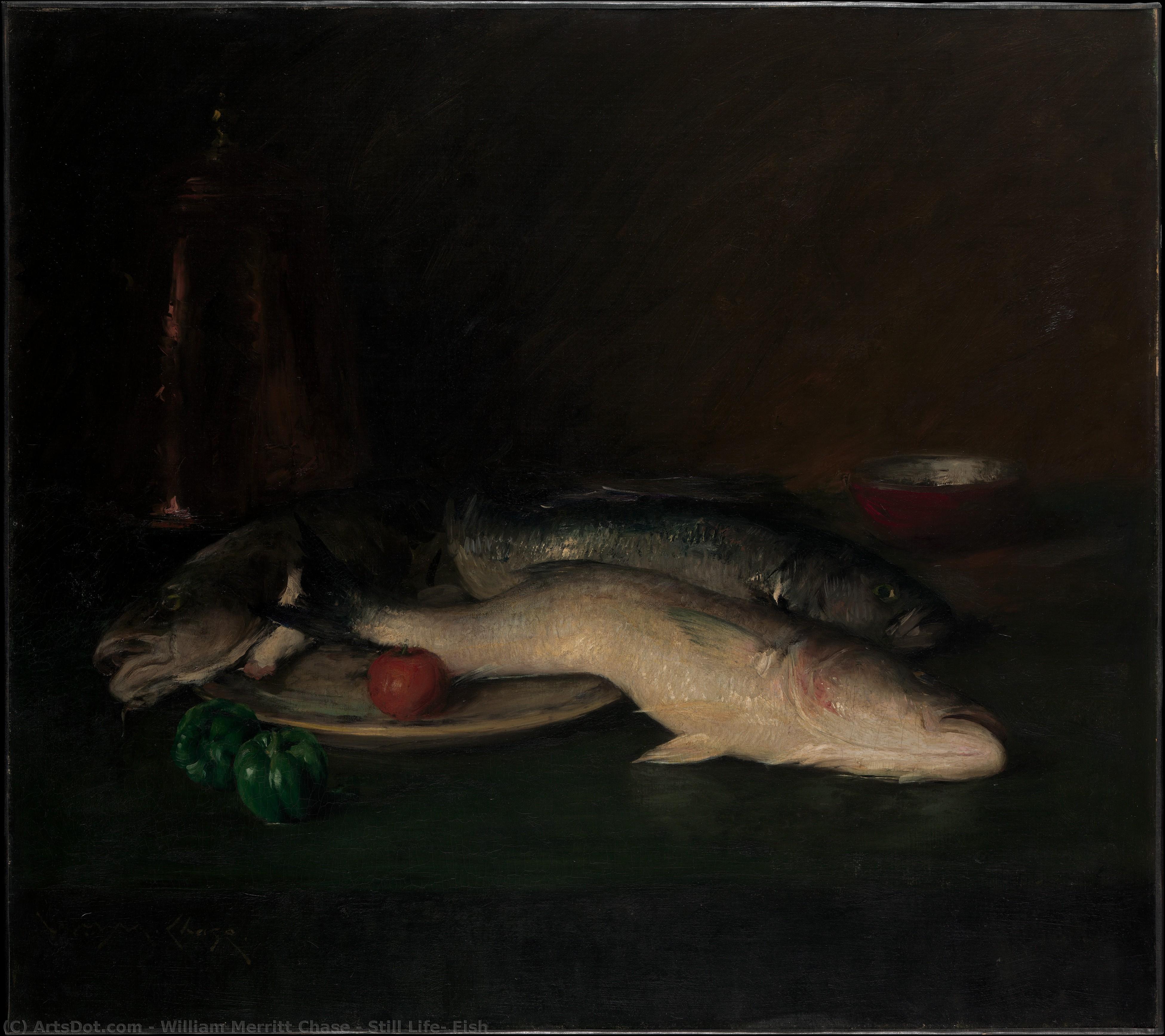
Still Life: Fish

Ręcznie malowana reprodukcja olejowa

Ręcznie malowany obraz olejny na płótnie, wykonany na zamówienie przez naszych artystów w wybranym przez Ciebie wymiarze i oprawie. ( Przełącz na wydania drukowane Przejdź do wersji cyfrowej)

Opis obiektu

William Merritt Chase's 'Still Life: Fish' (1908) captures a somber realism with expressive brushwork and dark tones. Explore the influence of Vollon & Spanish still lifes in this captivating study of fish, apples, and tabletop objects.

Biografia artysty

William Merritt Chase (1849-1916) – amerykański malarz i pedagog, pionier impresjonizmu w USA. Znany z portretów, krajobrazów i wpływu na kształtowanie sztuki.

od ·

Rozdział 1

Jak duży powinien być ten format?

Przesuń suwak, aby zmienić rozmiar; obraz po lewej stronie przedstawia ramę w jej rzeczywistej szerokości. Zachowano proporcje oryginału.

Standardowy format
personalizowane
CM
INCH

Wybierz spośród naszych standardowych rozmiarów, które zachowują oryginalne proporcje dzieła sztuki.

szerokość
wysokość

Wpisz wymaganą szerokość i wysokość, aby obraz pasował do Twojej ramy lub ściany. Ponieważ jest to dzieło malowane ręcznie, w przypadku rozmiaru o innych proporcjach artysta może domalować nieco więcej wokół obrazu lub przyciąć jego fragmenty — wybór należy do Ciebie. Przed rozpoczęciem pracy prześlemy Ci cyfrową wizualizację do zatwierdzenia. Obraz widoczny na tej stronie nie przedstawia rzeczywistego efektu — jedynie wizualizacja oddaje realny rezultat.

Rozdział 2

W jaki sposób ma zostać dostarczone?

Wybierz krawędzie płótna naciągniętego na ramę

Wybierz ramę

Corner sample of the WhiteWrap canvas edge finish, stretched on lite drewno bars
Białe krawędzie zł1
Corner sample of the BlurSideWrap canvas edge finish, stretched on lite drewno bars
rozmyte krawędzie zł1
Corner sample of the ExtendedWrap canvas edge finish, stretched on lite drewno bars
Przedłużony zł1
Corner sample of the P118B picture frame: polistyren formowany, 5 cm wide and 3 cm thick
P118B zł10
Corner sample of the P118H picture frame: polistyren formowany, 5 cm wide and 3 cm thick
P118H zł10
Corner sample of the P118W picture frame: polistyren formowany, 5 cm wide and 3 cm thick
P118W zł10
Corner sample of the P438Z picture frame: polistyren formowany, 5.5 cm wide and 3.5 cm thick
P438Z zł10
Corner sample of the P508JH picture frame: polistyren formowany, 7 cm wide and 3.5 cm thick
P508JH zł12
Corner sample of the P508YH picture frame: polistyren formowany, 7 cm wide and 3.5 cm thick
P508YH zł12
Corner sample of the P805H picture frame: polistyren formowany, 5 cm wide and 3.5 cm thick
P805H zł10
Corner sample of the P805Z picture frame: polistyren formowany, 5 cm wide and 3.5 cm thick
P805Z zł10
Corner sample of the P919BZ picture frame: polistyren formowany, 7 cm wide and 3.5 cm thick
P919BZ zł10
Corner sample of the P919G picture frame: polistyren formowany, 7 cm wide and 3.5 cm thick
P919G zł10
Corner sample of the P919XJ picture frame: polistyren formowany, 7 cm wide and 3.5 cm thick
P919XJ zł10
Corner sample of the P959ZH picture frame: polistyren formowany, 5 cm wide and 3 cm thick
P959ZH zł10
Corner sample of the P968JZ picture frame: polistyren formowany, 6 cm wide and 4 cm thick
P968JZ zł12
Corner sample of the W106C picture frame: lite drewno, 5 cm wide and 3 cm thick
W106C zł8
Corner sample of the W218G picture frame: lite drewno, 5 cm wide and 3 cm thick
W218G zł10
Corner sample of the W218JH picture frame: lite drewno, 5 cm wide and 3 cm thick
W218JH zł8
Corner sample of the W218Y picture frame: lite drewno, 5 cm wide and 3 cm thick
W218Y zł10
Corner sample of the W307PJ picture frame: lite drewno, 6 cm wide and 3 cm thick
W307PJ zł10
Corner sample of the W316G picture frame: lite drewno, 6 cm wide and 3 cm thick
W316G zł10
Corner sample of the W316PJ picture frame: lite drewno, 6 cm wide and 3 cm thick
W316PJ zł8
Corner sample of the W316Y picture frame: lite drewno, 6 cm wide and 3 cm thick
W316Y zł10
Corner sample of the W398PJ picture frame: lite drewno, 5 cm wide and 3 cm thick
W398PJ zł8
Corner sample of the W4111J picture frame: lite drewno, 6.5 cm wide and 3.5 cm thick
W4111J zł10
Corner sample of the W500HY picture frame: lite drewno, 7 cm wide and 5 cm thick
W500HY zł15
Corner sample of the W500JH picture frame: lite drewno, 7 cm wide and 5 cm thick
W500JH zł15
Corner sample of the W692G picture frame: lite drewno, 8 cm wide and 4 cm thick
W692G zł12
Corner sample of the W849H picture frame: lite drewno, 5 cm wide and 3 cm thick
W849H zł8
Corner sample of the W940BG picture frame: lite drewno, 7.5 cm wide and 4.5 cm thick
W940BG zł15
Corner sample of the W953PJ picture frame: lite drewno, 6 cm wide and 3.5 cm thick
W953PJ zł8
Corner sample of the H24-GOLD picture frame: rzeźbione drewno pokryte gipsem, 10 cm wide and 6 cm thick
H24-GOLD zł30
Corner sample of the H24-SILVER picture frame: rzeźbione drewno pokryte gipsem, 10 cm wide and 6 cm thick
H24-SILVER zł30
Corner sample of the H36-GOLD picture frame: rzeźbione drewno pokryte gipsem, 15 cm wide and 6.5 cm thick
H36-GOLD zł45
Corner sample of the H36-SILVER picture frame: rzeźbione drewno pokryte gipsem, 15 cm wide and 6.5 cm thick
H36-SILVER zł45

Profil: . Wymiar całkowity w ramie: .

Rozdział 3

Kto go maluje i czy coś powinno ulec zmianie?

Przykłady możliwych zmian: Zastąpienie twarzy zdjęciem klienta; Dodanie zwierzęcia (np. zamiana kota na psa); Ukrycie wiadomości w tle; Zmiana krajobrazu lub elementów tła.
Po złożeniu zamówienia zespół OriginalUniqueArt.com skontaktuje się z klientem drogą mailową w celu uzyskania instrukcji i prześle podgląd projektu

Dostawa na całym świecie () w ciągu 3–4 tygodni zamiast standardowych 5 tygodni. (5 Listopad). Bez kompromisów w kwestii jakości.

Rozdział 4

Ostatnie szlify

Tabliczka informacyjna, jak w muzeum?

Szczegóły grawerowanej brązowej tabliczki

This elegant plaque features the artist's name and the title of the artwork, finely engraved for a timeless presentation.

It is made from bronze with a refined, elegant finish. The text is precisely laser-engraved for a sharp and permanent result. Measuring 9x2 cm, the plaque is compact yet easy to read. It's built to be durable and scratch-resistant, offering a professional, museum-quality look. Mounting is simple thanks to the included adhesive backing.

Szczegóły przezroczystej tabliczki akrylowej

The plaque includes essential engraved details such as the artist's name, the title of the artwork, the date it was created, the type of media used-like oil on canvas or watercolor-a brief description of the piece, and a QR code that links to the complete artwork information.

It is crafted from clear acrylic, offering a sleek, modern appearance. The text is UV-engraved in black to ensure strong visual contrast. With a size of 10x15 cm, it ensures optimal readability. It comes equipped with two metal hooks for secure wall mounting. The plaque is designed to be weather-resistant, making it suitable for various environments, and it includes interactive features that work seamlessly with smartphone scanning.

Szczegóły czarnej tabliczki akrylowej

This elegant plaque includes engraved information such as the artist's name, the title of the artwork, the date it was created, the type of media used (like oil on canvas or watercolor), a short description of the artwork, and a QR code for quick access to more information.

The plaque itself is made from refined black acrylic with a premium finish. The text is laser-engraved in white for high contrast and readability. Its size is 10x15 cm, designed to be easy to read. It comes with two metal hooks for professional mounting. The design is sleek and fits any interior style. It is also weather-resistant and durable, with built-in digital integration for mobile compatibility.

Werniks ochronny?

Kiedy potrzebujesz dostawy?

Rozdział 5

Twoje dzieło, dokładnie tak, jak zamówiłeś

Still Life: Fish

Technika reprodukcji

Wymiary reprodukcji

-

Wybitny mistrz artystyczny

Większa szczegółowość, finezja i dodatkowy czas na realizację

-

Opcje oprawy reprodukcji

-

-

W przypadku dzieł sztuki lub reprodukcji, których którykolwiek z boków przekracza 105 cm (około 41 cali), rama zostanie wysłana w formie zestawu do samodzielnego montażu. Metoda ta zapewnia bezpieczną dostawę i zapobiega uszkodzeniom podczas transportu.

Wymagany profesjonalny montaż – nie jest to produkt typu DIY.
Zestaw musi zostać złożony, a płótno naciągnięte przez doświadczonego profesjonalnego ramiarza, przy użyciu kleju do drewna (brak w zestawie), kleszczy do naciągania płótna oraz ścisków, które utrzymają krosna w równej pozycji podczas schnięcia kleju. Nieprawidłowy montaż lub nierównomierne napięcie płótna może trwale uszkodzić dzieło sztuki i nie podlega naszej gwarancji.

  • W zestawie znajdują się wszystkie listwy z litego drewna, precyzyjnie docięte do wymiarów.

  • Montaż odbywa się przy użyciu dołączonych wkrętów oraz kleju do drewna do łączenia narożników, którego zestaw nie zawiera i który musi zostać dostarczony przez ramiarza.

  • Wymagane są profesjonalne narzędzia, których nie ma w zestawie: kleszcze do naciągania płótna (napinacz) oraz zaciski, które pozwolą utrzymać listwy w równej pozycji podczas schnięcia kleju.

Ważne:
Do połączenia narożników niezbędny jest klej do drewna, listwy należy unieruchomić za pomocą ścisków do momentu całkowitego wyschnięcia kleju, a naciągnięcie płótna na złożoną ramę wymaga użycia kleszczy do naciągania płótna. Żaden z tych elementów nie jest dołączony do zestawu. Przed zamówieniem tego rozmiaru zalecamy konsultację z doświadczonym ramiarzem.

Etykieta obiektu

-

-

Lakier ochronny

Lakier z połyskiem (pogłębia kolory, chroni przed światłem i wilgocią)

-

Personalizacja dzieła

Przykłady możliwości personalizacji: zastąp twarz zdjęciem klienta; dodaj zwierzę domowe (np. zamień kota na psa); umieść ukrytą wiadomość w tle; zmień krajobraz lub elementy tła.

-

Ekspresowa

Dostawa na cały świat () w ciągu 3–4 tygodni zamiast standardowych 5 tygodni. (5 Listopad). Bez kompromisów w kwestii jakości.

-

Przesyłka ekspresowa

Dostawa na cały świat () w ciągu 5 tygodni. (12 Listopad).

W cenie

Cena całkowita

zł 1174

Suma całkowita zł 1174

Opcja ze szkłem jest dostępna wyłącznie w rozmiarach poniżej 110 cm

W każdym zamówieniu

  • Bezpłatna ekspresowa wysyłka na cały świat
  • Wysokiej jakości płótno lniane
  • Pełne ubezpieczenie przesyłki
  • Gwarancja zwrotu należności celnych i podatków importowych
  • Gwarancja wiernego odwzorowania kolorów
  • 100-dniowa polityka zwrotów (tylko w przypadku wad)
  • Gwarancja 100% zwrotu pieniędzy
  • Zniżka przy zakupie wielu sztuk

A Moment Frozen in Time: The Allure of Chase’s Still Life

William Merritt Chase's "Still Life: Fish," painted in 1908, isn’t merely a depiction of fruit and fish; it’s a carefully constructed tableau that invites contemplation. This work, executed during a period when Chase was deeply influenced by European artistic traditions – particularly the bold brushwork and somber palettes of his Munich contemporaries like Antoine Vollon – offers a glimpse into the evolving landscape of American art at the turn of the 20th century. The painting’s quiet intensity stems from its masterful use of light, shadow, and texture, creating an atmosphere both familiar and subtly unsettling.

The Language of Form: Composition, Color, and Technique

  • Compositional Harmony: The arrangement is deceptively simple yet profoundly effective. A tabletop anchors the scene, providing a horizontal plane for the carefully placed objects – a striped bass and salmon resting on a plate, alongside an apple and peppers. The diagonal line created by the fish’s curves draws the eye through the composition, while the bowl in the background subtly deepens the space.
  • A Palette of Shadows: Chase employs a masterful dark palette dominated by browns, greens, and grays, evoking a mood of quiet reflection. Subtle highlights – the silver sheen on the fish’s scales and the blush of the apple – provide delicate points of contrast, preventing the scene from becoming entirely bleak.
  • Impasto's Embrace: Chase’s technique is characterized by a generous application of oil paint, utilizing impasto to build up thick layers of texture across the canvas. This tactile approach brings the objects to life, emphasizing their wetness and solidity. The visible brushstrokes aren’t concealed; they are integral to the painting’s expressive power.

Echoes of Tradition: Influences and Symbolism

“Still Life: Fish” is deeply rooted in artistic tradition, drawing inspiration from both Spanish still life paintings – a style championed by Vollon – and the burgeoning Impressionist movement. The influence of Spanish masters is evident in the dramatic lighting and the emphasis on capturing the textures of perishable objects. However, Chase’s work transcends mere imitation; he imbues these familiar subjects with a distinctly American sensibility. The abundance of fish itself can be interpreted as a symbol of prosperity or sustenance, yet it also carries a hint of melancholy – perhaps reflecting the fleeting nature of beauty and life itself.

Beyond the Surface: A Window into Chase’s Vision

Writing in 1917, art connoisseur Leo Stein observed that Chase's fish paintings were “the most expressive” among non-sentimental still lifes. This insight speaks to the artist’s ability to transform a commonplace subject into something deeply engaging. Chase wasn’t simply depicting objects; he was striving to capture their essence – their weight, texture, and inherent drama. The painting's loose brushwork and dynamic composition suggest a deliberate attempt to convey a sense of immediacy and spontaneity, as if the artist were capturing a fleeting moment in time. A reproduction of “Still Life: Fish” offers a remarkable opportunity to experience Chase’s artistic vision firsthand – a testament to his skill and a poignant reminder of the beauty that can be found in the ordinary.

Pytania i odpowiedzi

Co przedstawia "Still Life: Fish"?

Tematyka obecna w „Still Life: Fish” – William Merritt Chase obejmuje still life, fish, brushwork, palette, tabletop, abundance, reflection. Razem stanowią one podsumowanie tematyki dzieła.

Gdzie mogę znaleźć dzieła sztuki podobne do „Still Life: Fish” – William Merritt Chase?

Dzieła podobne do „Still Life: Fish” – William Merritt Chase można znaleźć na stronie Podobne dzieła danego dzieła.

Gdzie mogę zobaczyć podgląd dzieła "Still Life: Fish"?

Aby podglądnąć reprodukcję dzieła „Still Life: Fish” – William Merritt Chase, otwórz stronę Podgląd w pomieszczeniu danego utworu.

Więcej o tym obrazie

Podgląd w skali 1:1 Podgląd AR Przełącz na wydania drukowane Przejdź do wersji cyfrowej Wyślij jako kartkę
Szczegóły dzieła Przewodnik Dodaj do ulubionych Pobierz obraz Podobne obiekty RTG Pokaz slajdów Pytania i odpowiedzi Statystyki

W liczbach

  • 1908rok powstania dzieła
  • 29dostępne ramy do wyboru
  • standardowe formaty, w ich własnych proporcjach
  • 5tygodni na namalowanie i dostarczenie dzieła
William Merritt Chase

William Merritt Chase

1849 - 1916, Stany Zjednoczone

Krótkie informacje o William Merritt Chase

  • Artistic Movement Or Style: Impresjonizm
  • Artists Or Movements Influenced By This Artist: ['Wayman Elbridge Adams']
  • Artists Who Influenced This Artist: ['Jean-Léon Gérôme']
  • Date Of Birth: 1 listopada 1849
  • Date Of Death: 25 října 1916
  • Full Name: William Merritt Chase
  • Nationality: Amerykański
  • Notable Artworks:
    • Keying Up – The Court Jester
    • Idle Hours
    • A Study in Curves
  • Place Of Birth: Nineveh, USA

Biografia artysty

A Life Painted in Light: The World of William Merritt Chase

William Merritt Chase, a name synonymous with the blossoming of American Impressionism, was more than just a painter; he was a pivotal force in shaping the nation’s artistic identity at the turn of the 20th century. Born on November 1, 1849, in the humble surroundings of Williamsburg (later Nineveh), Indiana, Chase's journey from rural beginnings to becoming a celebrated artist and influential educator is a testament to his unwavering dedication and innate talent. His early life was marked by a familial relocation to Indianapolis in 1861, where he initially assisted in his father’s business ventures. However, even amidst these practical obligations, the seeds of artistic passion were sown, nurtured by studies with local instructors Barton S. Hays and Jacob Cox. This foundational training ignited a desire for further exploration, leading him briefly into naval service before ultimately gravitating towards the vibrant art scene of New York City in 1869. There, under the tutelage of Joseph Oriel Eaton at the National Academy of Design, and later Lemuell Wilmarth, a student of Jean-Léon Gérôme, Chase began to hone his skills, laying the groundwork for a career that would redefine American painting. A temporary financial setback forced a move to Saint Louis in 1870, but even this challenge proved fruitful, allowing him to establish himself within the local art community and gain recognition for his burgeoning talent.

From Academic Roots to Impressionistic Brilliance

Chase’s artistic development was not a sudden leap into Impressionism, but rather a gradual evolution informed by rigorous academic training and extensive travels abroad. A crucial turning point came with his extended sojourn in Munich beginning in 1872, where he studied at the Academy of Fine Arts under Alexander von Wagner and Karl von Piloty. This period instilled in him a mastery of traditional techniques and a penchant for dramatic compositions, yet it was during a subsequent visit to Venice with fellow American artists Frank Duveneck and John Twachtman that Chase began to embrace a more liberated approach to painting. Inspired by the luminous light and vibrant colors of the Italian landscape, he started experimenting with looser brushwork and a heightened sensitivity to atmospheric effects. He was particularly drawn to the works of old masters like Peter Paul Rubens and Frans Hals, absorbing their techniques for rendering form and color. His time in Munich also exposed him to the prevailing style—a dramatic, dark palette and bold brushstrokes—which he initially adopted but later modified to suit his own artistic vision. Upon his return to New York in 1878, Chase fully embraced Impressionistic principles, capturing fleeting moments of modern life with an energetic and captivating style. Works like Keying Up – The Court Jester (1876), exhibited to critical acclaim at the Boston Art Club and Philadelphia Centennial Exposition, showcased his ability to convey movement and personality through bold brushstrokes and a dynamic composition. He continued to explore diverse subjects—striking portraits such as Portrait of Virginia Gerson, evocative landscapes like Gowanus Bay (aka Misty Day, Gowanus Bay), and scenes depicting the vibrancy of urban life, including Alice Fernandez. Other notable works include “A Friendly Call,” “A Study in Curves,” and “Terrace at the Mall, Central Park.”

The Educator: Shaping a Generation of Artists

Beyond his accomplishments as a painter, William Merritt Chase left an indelible mark on American art through his dedication to teaching. Recognizing the need for innovative art education, he founded the Chase School in New York City in 1896, which later evolved into Parsons The New School for Design. This institution became a breeding ground for artistic talent, emphasizing direct observation, technical proficiency, and creative experimentation. Unlike many of his contemporaries who favored rigid academic instruction, Chase encouraged his students to develop their individual voices and explore diverse styles. He held teaching positions at the Pennsylvania Academy of the Fine Arts, the Art Students League, and the Brooklyn Art Association, disseminating his artistic philosophy far and wide. His influence extended to numerous artists, including Wayman Elbridge Adams, who openly acknowledged Chase as a mentor. The emphasis on plein air painting—painting outdoors directly from nature—became a cornerstone of his pedagogical approach, fostering a deeper connection between students and their subjects. He believed that true art stemmed from direct experience with the world around them.

Influences and Style

Chase’s artistic style was remarkably eclectic, reflecting his extensive travels and diverse influences. Initially trained in academic realism, he quickly absorbed elements of Impressionism, particularly from artists like Alfred Stevens, who encouraged him to lighten his palette and embrace looser brushwork. He also drew inspiration from the vibrant color palettes and dynamic compositions of French painters such as Édouard Manet and Giuseppe de Nittis. Chase’s work is characterized by a remarkable ability to capture fleeting moments of light and atmosphere, often depicting scenes of urban life, portraits, and landscapes with an energetic and engaging style. His brushwork is loose and expressive, conveying movement and emotion through the application of color and texture. He was particularly adept at portraying the effects of light on surfaces—the shimmering reflections on water, the dappled sunlight filtering through trees, and the warm glow of city lights. His portraits were renowned for their psychological depth and ability to capture the personality of his subjects.

Legacy and Historical Significance

William Merritt Chase’s place in American art history is secure. He bridged the gap between established academic traditions and the burgeoning Impressionist movement, contributing significantly to the development of a distinctly American artistic identity. His commitment to capturing the essence of modern life—the bustling cityscapes, intimate domestic interiors, and leisurely pursuits of his time—resonated with audiences eager for a new visual language. While his later years saw a temporary eclipse in critical recognition, his work has experienced a resurgence in recent decades, solidifying his reputation as one of America’s most important and influential artists. He wasn't merely documenting scenes; he was interpreting the spirit of an evolving nation through the vibrant lens of Impressionism. His legacy extends beyond his canvases to the countless artists he inspired, ensuring that his innovative approach to painting continues to shape the landscape of American art for generations to come.

Najważniejsze informacje

  • Subject or theme: Still life, Fish
  • Year: 1908
  • Movement: Impressionism
  • Influences:
    • Vollon
    • Spanish still lifes
  • Artist: William Chase

Quiz o sztuce

Do każdego pytania dotyczy tylko jedna poprawna odpowiedź.

Pytanie 1:
According to the description, what artistic movement heavily influenced William Merritt Chase’s ‘Still Life: Fish’?
Pytanie 2:
What is the dominant color palette used in ‘Still Life: Fish’?
Pytanie 3:
The description mentions Chase’s goal in creating this painting. What was that goal?
Pytanie 4:
What technique is most prominently used by Chase to create texture in ‘Still Life: Fish’?
Pytanie 5:
The lighting in ‘Still Life: Fish’ is described as coming from an unseen source. What effect does this create?