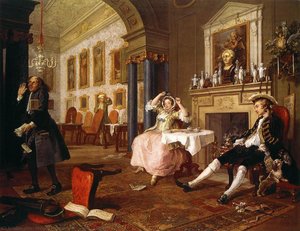
Wersja olejowa
 Wszystko o The Bench







































 W przypadku dzieł sztuki lub reprodukcji, których którykolwiek z boków przekracza 105 cm (około 41 cali), rama zostanie wysłana w formie zestawu do samodzielnego montażu. Metoda ta zapewnia bezpieczną dostawę i zapobiega uszkodzeniom podczas transportu.


A Gathering of Characters: Decoding Hogarth’s ‘The Bench’
- Subject & Narrative: William Hogarth's 1758 engraving, ‘The Bench’, presents a tightly composed group of six men, each meticulously rendered in profile. While seemingly a straightforward portrait, the work is far more nuanced. It’s not merely *who* these men are, but *what* they represent that captivates. Hogarth intended this piece as an exploration of character – distinguishing it from caricature and outright parody – presenting types rather than specific individuals. The scene evokes a sense of formal observation, akin to being in attendance at a court or public gathering.
- Style & Technique: Executed with masterful precision using the engraving technique, ‘The Bench’ showcases Hogarth's skill in manipulating line and tone. He employs hatching and cross-hatching to create depth and texture, simulating fabrics and skin tones with remarkable realism. The style is rooted in 18th-century portraiture but infused with a distinctly narrative quality. Geometric shapes – circles for heads, ovals for bodies – underpin the composition, lending it a structured formality. This contrasts subtly with the individual characterizations of each figure.
Historical Context & Hogarth’s Intentions
- A Response to Criticism: ‘The Bench’ arose from Hogarth's frustration with being labeled a mere caricaturist. He sought to demonstrate his ability to portray “character” – a truthful representation of human nature – as opposed to exaggerated or satirical depictions. The work is linked to his earlier exploration of this theme in 'Characters and Caricaturas', and represents an ongoing attempt to elevate his artistic standing within the established art world.
- The Rococo & Beyond: While drawing on the portraiture conventions of the Rococo period, Hogarth transcends simple aesthetic imitation. His work possesses a social commentary absent in much aristocratic portraiture of the time. The engraving reflects an emerging interest in observing and documenting everyday life, foreshadowing later developments in Realism.
Symbolism & Emotional Resonance
- Reading the Faces: Each figure’s expression and attire are laden with symbolic meaning. Hogarth invites viewers to decipher these clues, interpreting their status, profession, or personality traits. The judges depicted (as revealed by research) aren't idealized figures of authority but rather individuals lost in thought, boredom, or even sleep – a subtle yet potent critique of the judicial system.
- A Moment of Reflection: ‘The Bench’ isn’t designed to elicit immediate laughter or shock. Instead, it fosters a more contemplative response. The somber tones and formal arrangement create an atmosphere of quiet observation, prompting viewers to consider the complexities of human character and the subtle ironies of social life.
Pytania i odpowiedzi
Czy The Bench jest dziełem namalowanym ręcznie, czy wydrukiem?
Malowane ręcznie: wykwalifikowany artysta wykonuje olejną kopię The Bench na płótnie lnianym.
Jaki rozmiar wybrać dla The Bench?
Dostępne rozmiary obejmują zakres od 37.5 x 26.6 cm (zł1273) do 249.9 x 177.4 cm (zł6915); tabela na tej stronie przedstawia główne warianty oraz ich ceny.
Ile trwa dostawa?
Czas dostawy wynosi od 4 do 5 tygodni, przy czym oferujemy bezpłatną ekspresową wysyłkę na cały świat; na tej stronie dostępna jest również opcja pilnej produkcji. Możesz dokonać zwrotu w ciągu 100 dni z pełnym zwrotem kosztów, bez żadnych dodatkowych warunków.
Jakiej techniki użył/a William Hogarth w pracy The Bench?
Acrylic On Canvas
 Podgląd w skali 1:1

 Wyślij jako kartkę
 Udostępnij
 Szczegóły dzieła
 Karta informacyjna


 Pobierz obraz
 Podobne obiekty
 RTG
 Pokaz slajdów
 Pytania i odpowiedzi

 Statystyki