Neoclassicism
Plate five, from A Rake's Progress (William Hogarth)
William Hogarth (1697–1764) stworzył Plate five, from A Rake's Progress. Należy do nurtu Neoclassicism. Wykonano w technice Acrylic On Canvas.
- Acrylic On Canvas

 Podgląd w skali 1:1

 Ręcznie malowany obraz olejny
 Wyślij jako kartkę
 Udostępnij
 Karta informacyjna


 Pobierz obraz
 Podobne obiekty
 RTG
 Pokaz slajdów
 Pytania i odpowiedzi

 Statystyki
Plate five, from A Rake's Progress w skrócie
- Tytuł
- Plate five, from A Rake's Progress
- Artysta
- William Hogarth (1697–1764)
- Miejsce urodzenia artysty
- Londyn, Wielka Brytania
- Technika wykonania
- Acrylic On Canvas
- Ruch
- Neoclassicism
- Epoka
- Renaissance
- Temat
- deception, fraud, morality, social commentary, 18th century, engraving
Co przedstawia Plate five, from A Rake's Progress?
A Scene of Deceit: Unveiling Hogarth’s “Plate Five” from A Rake's Progress
This striking engraving, *Plate Five* from William Hogarth’s renowned series *A Rake’s Progress*, offers a chilling glimpse into the downward spiral of Tom Rakewell. More than just a narrative illustration, it is a powerful social commentary and a masterclass in 18th-century artistic technique. The scene unfolds within a dimly lit, cluttered interior – likely a pawnbroker's or merchant’s shop – brimming with symbolic details that reveal the protagonist’s desperate circumstances.Narrative & Historical Context
Created between 1732 and 1734, *A Rake’s Progress* was Hogarth’s ambitious attempt to visually depict a moral tale for a burgeoning middle-class audience. The series follows Tom Rakewell, a young man who inherits a substantial fortune and proceeds to squander it on gambling, prostitution, and extravagant living. *Plate Five* marks a pivotal moment: Tom, recently imprisoned for debt, is being manipulated by unscrupulous characters. This scene reflects the anxieties of the era regarding social mobility, financial ruin, and the moral failings of the wealthy. Hogarth’s work resonated deeply with a society grappling with rapid economic change and increasing urbanization.Artistic Style & Technique
Hogarth's style is characterized by its realism, meticulous detail, and satirical edge. He masterfully employs engraving techniques – utilizing fine lines and hatching to create depth, texture, and dramatic lighting. The composition is deliberately crowded and dynamic, drawing the viewer’s eye to the central interaction between Tom and the deceitful figures surrounding him. While seemingly realistic, Hogarth subtly exaggerates features and expressions for comedic and critical effect—a hallmark of his satirical approach. The monochrome palette further enhances the somber mood and emphasizes the stark realities of Tom's situation.Decoding the Symbolism
Every element within *Plate Five* carries symbolic weight.- The Chain: Represents not only Tom’s literal imprisonment but also his metaphorical entrapment by debt, vice, and his own poor choices.
- The False Document: Symbolizes the deception and exploitation that surround Tom, highlighting the predatory nature of those who profit from his misfortune.
- The Cluttered Interior: Reflects the chaos and moral decay that have consumed Tom’s life. The abundance of goods suggests a society obsessed with material possessions.
- The Suspicious Figures: Their expressions and gestures convey a sense of untrustworthiness, emphasizing the lack of genuine compassion in Tom's world.
Emotional Impact & Lasting Legacy
*Plate Five* evokes a powerful sense of unease and pity. While Hogarth satirizes Tom’s folly, he also elicits empathy for his plight. The scene serves as a cautionary tale about the dangers of excess, the fragility of fortune, and the importance of moral integrity. Hogarth's innovative use of sequential imagery paved the way for modern comic strips and graphic novels. His commitment to social commentary continues to inspire artists today. His work remains remarkably relevant, prompting viewers to reflect on timeless themes of morality, class, and human vulnerability.Bringing Hogarth’s Vision Home
A high-quality reproduction of *Plate Five* is a compelling addition to any art collection or interior space. Its intricate detail and thought-provoking subject matter make it a conversation starter and a testament to the enduring power of artistic storytelling. Whether displayed in a study, living room, or gallery wall, this engraving offers a sophisticated touch of historical elegance and intellectual depth.Zdjęcia w wysokiej rozdzielczości dzieła Plate five, from A Rake's Progress

Domena publiczna: artysta zmarł w 1764.
Inne rozmiary, kadrowanie i cytowanie →William Hogarth, Plate five, from A Rake's Progress. Domena publiczna
Odpowiedzi na pytania dotyczące Plate five, from A Rake's Progress
Z jakiej techniki wykorzystano "Plate five, from A Rake's Progress"?
William Hogarth wykorzystał/a technikę Acrylic On Canvas w pracy „Plate five, from A Rake's Progress”. Technika ta definiuje materię oryginalnego dzieła.
Co przedstawia "Plate five, from A Rake's Progress"?
„Plate five, from A Rake's Progress” – William Hogarth przedstawia: deception, fraud, morality, social commentary, 18th century, engraving, satire.
Czy dzieło "Plate five, from A Rake's Progress" znajduje się w domenie publicznej?
„Plate five, from A Rake's Progress” – William Hogarth znajduje się w domenie publicznej (należy do domeny publicznej – autorskie prawa majątkowe wygasły). Status ten określa zasady reprodukcji obrazu tego dzieła.
Któremu artyście przypisuje się "Plate five, from A Rake's Progress"?
Autorstwo dzieła "Plate five, from A Rake's Progress" przypisuje się William Hogarth.
Do jakiego nurtu artystycznego należy „Plate five, from A Rake's Progress” – William Hogarth?
„Plate five, from A Rake's Progress” to dzieło należące do nurtu Neoclassicism. Nurt ten określa tradycję artystyczną, w której osadzone jest dzieło.
Do którego etapu twórczości William Hogarth należy dzieło „Plate five, from A Rake's Progress”?
„Plate five, from A Rake's Progress” pochodzi z okresu Mature Period w twórczości William Hogarth. Klasyfikacja ta wiąże dzieło z rozwojem artysty.
Co wyjaśnia sytuację prawną dotyczącą praw autorskich do „Plate five, from A Rake's Progress” – William Hogarth?
„Plate five, from A Rake's Progress” – William Hogarth jest należy do domeny publicznej – autorskie prawa majątkowe wygasły. Okres ochrony praw autorskich liczony jest od śmierci artysty, która nastąpiła w 1764.
Co łączy "Plate five, from A Rake's Progress" z resztą twórczości William Hogarth?
W dorobku William Hogarth, "Plate five, from A Rake's Progress" wpisuje się w styl Neoclassicism, nawiązując do tematów takich jak key series example, early successes, moralistic narrative, foundation of style, satirical tradition, moralizing prints, classical engraving, british printmaking.
W jaki sposób tematyka dzieła "Plate five, from A Rake's Progress" odnosi się do typowych motywów twórczości William Hogarth?
Wśród motywów charakterystycznych dla twórczości William Hogarth – takich jak key series example, early successes, moralistic narrative, foundation of style, satirical tradition, moralizing prints, classical engraving, british printmaking – dzieło „Plate five, from A Rake's Progress” wprowadza własne skupienie na deception, fraud, morality, social commentary, 18th century, engraving, satire.
O artyście: William Hogarth

1697–1764, Wielka Brytania
William Hogarth
Życie Williama Hogartha Londyn, 1697 rok. Powietrze w Bartholomew Close jest gęste od odgłosów rosnącej metropolii. To właśnie tutaj William Hogarth wkracza w świat niepewnej stabilności. Jego ojciec, Richard Hogarth, mozolnie próbuje utrzymać się z nauczania łaciny i pisania podręczników.
Inne prace William Hogarth
 Płytka pierwsza, z „Podróż rakiowa”
 Płytka szósta z „Podróż za fasadę”
 Gin Lane1750
 Umowa małżeńska1745

Eseje o Plate five, from A Rake's Progress
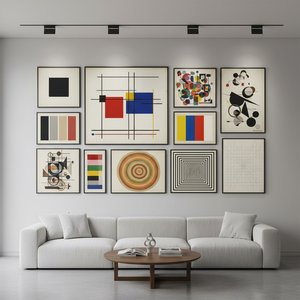 Geometria Sztuki: 10 Arcydzieł Abstrakcji Geometrycznej | OriginalUniqueArt.comOdkryj 10 arcydzieł abstrakcji geometrycznej! Poznaj historię Mondriana, Kandinskiego i Maleвича. Inspiracje wnętrzarskie z malarstwem abst…
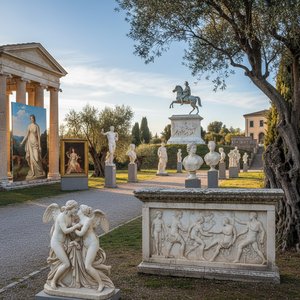 Neoklasycyzm: 10 Arcydzieł, Które Zdefiniowały Epokę | OriginalUniqueArt.comOdkryj 10 arcydzieł neoklasycyzmu! Poznaj historie Davida, Ingresa i Canovy. Malarstwo i rzeźba pełne harmonii i elegancji. Reprodukcje naj…
 Masterpieces of Satire: The Top 25 William Hogarth ArtworksExplore the biting satire of William Hogarth's top 25 masterpieces. Discover the full collection online at OriginalUniqueArt.com.