

 Zobacz w skali 1:1
 Wyślij
 Udostępnij
 Szczegóły
 Guide
Guide

 Pobierz plik obrazu
 Podobne obiekty
 RTG
RTG Pokaz slajdów
 Statystyki
Mrs. Jacob Hurd and Child
 Oil On Canvas
- WallArt
- Victorian Portraiture
 1762
1762- Early Modern
 76.0 x 64.0 cm
 Metropolitan Museum of Art
 Czytaj więcej
Ręcznie malowana reprodukcja olejowa
Ręcznie malowany obraz olejny na płótnie, wykonany na zamówienie przez naszych artystów w wybranym przez Ciebie wymiarze i oprawie. ( Przełącz na wersję drukowaną Przełącz na wersję cyfrową)




P118B $10

P118H $10

P118W $10

P438Z $10

P508JH $12

P508YH $12

P805H $10

P805Z $10

P919BZ $10

P919G $10

P919XJ $10

P959ZH $10

P968JZ $12

W106C $8

W218G $10

W218JH $8

W218Y $10

W307PJ $10

W316G $10

W316PJ $8

W316Y $10

W398PJ $8

W4111J $10

W500HY $15

W500JH $15

W692G $12

W849H $8

W940BG $15

W953PJ $8




Wybierz spośród naszych standardowych rozmiarów, które zachowują oryginalne proporcje dzieła sztuki.

Możesz wprowadzić własne wymiary, aby dopasować obraz do konkretnej ramy lub przestrzeni. Jeśli wybrany rozmiar nie będzie odpowiadał proporcjom oryginału, przytniecie dzieło sztuki lub rozszerzymy je o dodatkowe elementy, ręcznie domalowane przez artystę. Przed rozpoczęciem produkcji wyślemy projekt cyfrowy do Twojej akceptacji.
Należy pamiętać, że podgląd na ekranie nie odzwierciedla rzeczywistego przycinania ani rozszerzania obrazu. Tylko projekt dokładnie pokaże ostateczną kompozycję.
Choć oferujemy możliwość zamówienia niestandardowych rozmiarów, zalecamy wybór wymiaru z gotowej listy, aby zachować oryginalne proporcje dzieła.
Po złożeniu zamówienia zespół OriginalUniqueArt.com skontaktuje się z klientem drogą mailową w celu uzyskania instrukcji i prześle wizualizację projektu
Dostawa na całym świecie () w ciągu 3–4 tygodni zamiast standardowych 5 tygodni. (20 Wrzesień). Bez kompromisów w kwestii jakości.

Bezpłatna ekspresowa wysyłka na cały świat

Wysokiej jakości płótno lniane

Pełne ubezpieczenie transportowe

Gwarancja zwrotu należności celnych i podatków importowych

Gwarancja idealnego odwzorowania barw

100-dniowy okres na zwrot dzieła w przypadku wykrycia wad produkcyjnych

Gwarancja 100% zwrotu pieniędzy

Oferta przy zakupie wielu sztuk
 Opcja ze szkłem jest dostępna wyłącznie w rozmiarach poniżej 110 cm

Mrs. Jacob Hurd and Child
Technika wykonania
Rozmiar reprodukcji
-


Suma do zapłaty
$ 300
A Tender Encounter in Oil: The Intimacy of Mrs. Jacob Hurd and Child
In the quietude of a mid-eighteenth-century moment, William Johnston captures an essence of maternal devotion that transcends the centuries. Mrs. Jacob Hurd and Child is not merely a portrait; it is a window into a vanished era of domestic grace. The painting presents a woman cradling her infant with a tenderness that feels profoundly immediate, even as the date of its creation, circa 1762, places us deep within the colonial period. Clad in a striking blue dress adorned with delicate white lace, the mother sits as a pillar of serene strength, her presence anchored by the soft weight of the child in her arms. The subtle glint of her necklace and the meticulous rendering of the fabric's texture suggest a life of quiet dignity and refined taste, making this piece an exquisite focal point for any collection centered on classical elegance.
The technical mastery displayed in this work lies in Johnston’s ability to balance formal portraiture with a palpable, breathing warmth. Through the medium of oil on canvas, the artist employs a sophisticated interplay of light and shadow to sculpt the figures from the background. The soft luminosity hitting the woman's face and the child's pale features creates a sense of depth that draws the viewer into their private orbit. Notice how the brushwork treats the lace trim and the heavy folds of the blue gown, providing a tactile quality that invites the eye to linger. This level of detail is particularly captivating for interior designers looking to introduce a sense of historical weight and artisanal luxury into a contemporary space.
Symbolism and the Domestic Narrative
Beyond the physical likenesses, the composition is rich with the quiet symbolism characteristic of the era. The presence of the two chairs—one positioned closely behind the subject and another receding into the background—creates a structured, domestic stage that speaks to the stability of the household. A book resting near the bottom corner serves as a subtle nod to literacy and the intellectual life of the burgeoning middle class, suggesting that this maternal bond exists within a world of cultivation and thought. The very arrangement of the subjects, centered and enclosed by these domestic artifacts, evokes a feeling of sanctuary and protection.
For the discerning collector, this painting offers more than just aesthetic beauty; it offers an emotional resonance that is rare in modern art. There is a profound stillness in the way the mother gazes toward her child, a silent dialogue of love that remains universally understood. Whether displayed in a sunlit library or as a sophisticated accent in a formal dining room, this reproduction brings with it an aura of timelessness. It serves as a reminder of the enduring power of human connection, making it an incomparable choice for those seeking to infuse their homes with soul, history, and an unmistakable sense of peace.
Biografia artysty
A Chronicler of Northern Lives: The Portraits of William Herbert Johnston
William Herbert Johnston, a name perhaps less celebrated than his contemporaries yet deeply resonant within the artistic history of Victorian England, dedicated his life to capturing the likenesses – and, crucially, the character – of the prominent citizens of Lancashire and beyond. Born in 1848, Johnston emerged during a period of burgeoning industrial growth and social change, a time when the newly affluent middle class sought tangible representations of their status and achievements. He became their chronicler, meticulously rendering mayors, industrialists, local dignitaries, and families with a realism that speaks volumes about both his technical skill and his keen observational eye. While biographical details remain somewhat sparse, the sheer volume and quality of his surviving work paint a compelling picture of an artist deeply embedded in the fabric of Northern English society.Early Life and Artistic Training
Information regarding Johnston’s formal artistic training is limited; however, it's reasonable to assume he received instruction at one of the many art schools springing up across England during the Victorian era. The influence of established portrait painters – artists like Frank Holl and John Everett Millais – can be detected in his early works, particularly in their attention to detail and psychological depth. He quickly gravitated towards a style that eschewed flamboyant romanticism in favor of a more direct, almost photographic approach. This was not merely a matter of technical preference; it reflected a broader cultural shift toward verisimilitude and the desire for portraits that accurately documented the appearance – and by extension, the values – of their sitters. Johnston’s early career likely involved commissions from local families in Oldham, where he established his primary base of operations, gradually building a reputation for producing high-quality, affordable portraits.The Rise of a Regional Portraitist
Johnston's success stemmed from his ability to cater to the specific needs and desires of his clientele. Unlike artists who focused on grand historical narratives or allegorical subjects, Johnston specialized in portraiture that celebrated local achievement and civic pride. He painted numerous mayors of Oldham, Bolton, and Blackburn, often depicting them in their official regalia, emphasizing their authority and public service. These portraits weren’t simply likenesses; they were statements of social standing, intended to be displayed prominently in town halls, private residences, and public buildings. His technique was characterized by a meticulous attention to detail – the texture of fabrics, the gleam of jewelry, the subtle nuances of facial expression. He employed a restrained palette, favoring earth tones and muted colors that lent his portraits an air of dignity and gravitas. His work is notable for its lack of idealization; he presented his sitters as they were, with all their individual quirks and imperfections.Technique and Style: Realism and Psychological Insight
Johnston’s artistic style can be firmly placed within the realist tradition. He prioritized accurate representation over stylistic flourishes, focusing on capturing the physical appearance and psychological character of his sitters. His brushwork is precise and controlled, creating a smooth, polished surface that enhances the sense of realism. However, his portraits are not merely technical exercises; they reveal a deep understanding of human psychology. He had an uncanny ability to convey personality through subtle details – a slight smile, a furrowed brow, the way the eyes meet the viewer’s gaze. This psychological insight is perhaps the most compelling aspect of his work, elevating his portraits beyond mere documentation and transforming them into intimate studies of individual character. He often utilized chiaroscuro—the dramatic contrast between light and shadow—to emphasize certain features and create a sense of depth and volume. The lighting in his portraits is typically soft and diffused, lending his sitters an air of warmth and accessibility.Legacy and Historical Significance
William Herbert Johnston died in 1897, leaving behind a substantial body of work that provides invaluable insight into the social and cultural landscape of Victorian Northern England. While he may not be a household name, his portraits offer a unique window into the lives of those who shaped the region during a period of rapid industrialization and social change. His paintings are more than just historical artifacts; they are compelling human stories, rendered with skill, sensitivity, and an unwavering commitment to realism.- His work serves as a valuable resource for historians studying Victorian society.
- The portraits offer a glimpse into the fashion, customs, and values of the period.
- Johnston’s emphasis on local achievement reflects the growing sense of civic pride in Northern England.
- His paintings continue to be admired for their technical skill and psychological depth.

william herbert johnston
1848 - 1897
Najważniejsze informacje
- Artistic Movement Or Style: Victorian Portraiture
- Date Of Birth: 1848
- Date Of Death: 1897
- Full Name: William Herbert Johnston
- Nationality: British
- Notable Artworks:
- Mrs. Samuel Gardiner
- Mrs George Edward Hardman
- William Wrigley, Mayor Oldham
Zobacz także powiązane artykuły

The Enduring Power of Painting: A Historical & Contemporary Exploration of Form and Emotion
Explore the rich history & enduring techniques of oil painting with OriginalUniqueArt. Discover masterpieces, learn about art collecting, and find authentic handmade reproductions crafted by skilled artists.
The Timeless Charm of Oil on Board: Reimagining Texture and Light through the Impressionist Lens
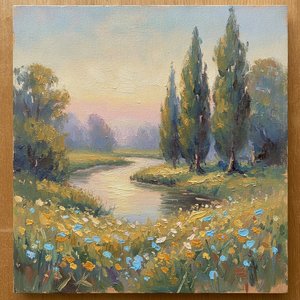
Discover the profound intimacy of oil on panel. Explore how Impressionist masters used rigid supports to capture light, texture, and impasto depth through exquisite, handmade oil reproductions for discerning collectors.

Trwała Spuścizna Malarstwa Olejnego: Technika, Historia i Współczesna Praktyka
Poznaj historię i techniki malarstwa olejnego. Poradniki dla artystów, informacje o konserwacji oraz możliwość zamówienia wysokiej jakości reprodukcji obrazów. Ekspercka wiedza i gwarancja trwałości dzieł sztuki.

Trwała Spuścizna Malarstwa Olejnego: Technika, Historia i Estetyczny Wpływ
Poznaj historię i technikę malarstwa olejnego! Eksperckie artykuły o konserwacji, renowacji oraz współczesnych zastosowaniach. Dowiedz się więcej o mistrzach i trwałości obrazów olejnych.

Olej na płótnie: Historia, techniki i ponadczasowy urok malarskiego medium
Poznaj historię i techniki malarstwa olejowego! Od renesansowych mistrzów po współczesne zastosowania – wszystko o oleju na płótnie. Poradniki, konserwacja i inspiracje dla pasjonatów sztuki.