- Strona główna

- Reprodukcja obrazu olejnego
- William Etty
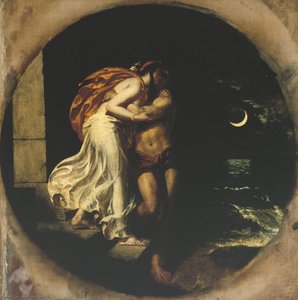
- Prometheus

 Zamów wydruk Kup cyfrowy obraz
 Udostępnij
 Udostępnij
 Szczegóły dzieła
 Dodaj do ulubionych

 Pobierz
 Podobne obiekty
 RTG
RTG
 Pokaz slajdów
Prometheus
 Oil
Oil- WallArt
- Romanticism
 1820
1820- 19th Century
 71.0 x 78.0 cm
 Rozwiń treść
Ręcznie malowana reprodukcja olejowa
Ręcznie malowany olej na płótnie w Twoim wymiarze i ramie, tworzony na zamówienie przez naszych artystów.




P118B $10

P118H $10

P118W $10

P438Z $10

P508JH $12

P508YH $12

P805H $10

P805Z $10

P919BZ $10

P919G $10

P919XJ $10

P959ZH $10

P968JZ $12

W106C $8

W218G $10

W218JH $8

W218Y $10

W307PJ $10

W316G $10

W316PJ $8

W316Y $10

W398PJ $8

W4111J $10

W500HY $15

W500JH $15

W692G $12

W849H $8

W940BG $15

W953PJ $8




Wybierz spośród naszych predefiniowanych rozmiarów, które zachowują oryginalne proporcje dzieła sztuki.

Możesz wprowadzić własne wymiary, aby dopasować obraz do konkretnej ramy lub przestrzeni. Jeśli wybrany rozmiar nie będzie odpowiadał proporcjom oryginału, przytniecie dzieło sztuki lub rozszerzymy je o dodatkowe elementy, ręcznie domalowane przez artystę. Przed rozpoczęciem produkcji wyślemy projekt cyfrowy do Twojej akceptacji.
Należy pamiętać, że podgląd na ekranie nie odzwierciedla rzeczywistego przycinania ani rozszerzania obrazu. Tylko projekt dokładnie pokaże ostateczną kompozycję.
Choć oferujemy możliwość zamówienia niestandardowych rozmiarów, zalecamy wybór wymiaru z gotowej listy, aby zachować oryginalne proporcje dzieła.
Po złożeniu zamówienia zespół OriginalUniqueArt.com skontaktuje się z klientem drogą mailową w celu uzyskania instrukcji i prześle wizualizację projektu
Dostawa na całym świecie () w ciągu 3/4 tygodni zamiast standardowych 5 tygodni. (21 Lipiec). Bez kompromisów w kwestii jakości.

Bezpłatna ekspresowa wysyłka na cały świat

Wysokiej jakości płótno lniane

Pełne ubezpieczenie przesyłki

Gwarancja zwrotu należności celnych

Gwarancja pełnego zgodności kolorystycznej

Polityka 60-dniowego zwrotu (tylko w przypadku wad)

Gwarancja 100% zwrotu pieniędzy

Zniżka przy większych zamówieniach
 Opcja szkła jest dostępna wyłącznie w rozmiarach poniżej 110 cm

Prometheus
Technika reprodukcji
Wymiary reprodukcji
-


Cena całkowita
-
Opis dzieła
The Agony and the Flame: Reimagining a Mythic Torment
In the visceral masterpiece Prometheus, painted in 1820, William Etty invites us into a scene of profound mythological suffering and raw human vulnerability. The canvas captures the Titan at his most precarious moment, bound to the unforgiving stone as a consequence of his defiance against the gods. There is an immediate, jarring intensity to the composition; the figure lies sprawled across the earth, his body a landscape of tension and physical trauma. Etty does not shy away from the grotesque or the harrowing details of the myth, presenting a subject that is simultaneously heroic and broken. The presence of the bow and arrow piercing the flesh serves as a brutal reminder of the divine retribution being visited upon him, creating a narrative of sacrifice that resonates far beyond the borders of ancient Greek lore.
The technique employed by Etty reveals his status as a pioneer of the British nude, utilizing a mastery of light and shadow to sculpt the musculature of the protagonist. The flesh tones are rendered with a remarkable sensitivity, capturing the flush of pain and the pallor of exhaustion. Through fluid brushwork and a sophisticated understanding of anatomical form, Etty breathes life into the inanimate rock and the surrounding atmosphere. The interplay between the stark, rugged background and the soft, vulnerable curves of the human form creates a dramatic chiaroscuro effect that draws the eye directly to the center of the struggle. This mastery of texture—from the cold hardness of the stone to the warmth of the skin—makes the piece an extraordinary specimen of early 19th-century Romanticism.
A Symphony of Symbolism and Emotional Depth
Beyond the immediate shock of the imagery, Prometheus functions as a profound meditation on the cost of knowledge and the spirit of rebellion. To the discerning collector, the painting offers more than just a depiction of myth; it is an exploration of the human condition under duress. The isolation of the figure, set against a landscape that feels both vast and claustrophobic, symbolizes the lonely burden of those who dare to challenge established powers. Every element, from the positioning of the limbs to the distant, watchful presence of another figure, contributes to a sense of inescapable fate. It is a work that demands emotional engagement, pulling the viewer into a state of empathy for the Titan’s eternal struggle.
For interior designers and connoisseurs of fine art, this reproduction offers a commanding presence capable of anchoring a room with its historical weight and dramatic flair. The painting's rich palette and intense subject matter make it an ideal centerpiece for collections that value narrative depth and classical grandeur. Whether placed in a study filled with leather-bound volumes or a contemporary gallery space, the work serves as a conversation piece that bridges the gap between the ancient past and the modern aesthetic. Owning a high-quality reproduction of this Etty masterpiece allows one to preserve a fragment of Romantic history, bringing the timeless tension of Prometheus's sacrifice into the intimate setting of a private home.
Biografia artysty
A Pioneer of the British Nude: The Life and Art of William Etty
William Etty, a name perhaps less instantly recognizable than his contemporaries like Turner or Constable, nevertheless occupies a pivotal position in 19th-century British art. Born in York on March 10, 1787, above his father’s bakery, Etty's journey from humble beginnings to Royal Academician was one marked by relentless dedication, artistic innovation, and no small measure of controversy. His early life offered little indication of the path he would forge. Apprenticed at age twelve to a printer in Hull, seven years were spent immersed in the practicalities of typography – a world far removed from the canvases that would eventually bear his signature. Yet, even amidst the mechanical demands of printmaking, Etty nurtured a burgeoning passion for drawing, an impulse that ultimately propelled him towards London and the hallowed halls of the Royal Academy Schools in 1807. There, under the tutelage of Thomas Lawrence, he honed his skills through diligent copying, laying the foundation for a career defined by masterful depictions of the human form.The Rise to Prominence: Nudes and Controversy
Etty’s breakthrough arrived in 1821 with *Cleopatra's Arrival in Cilicia*, a painting that immediately ignited both admiration and scandal. The work, teeming with nude figures, was exhibited to widespread acclaim, yet simultaneously earned him a reputation for indecency. This duality would become a defining characteristic of his career. He wasn’t merely depicting nudity; he was exploring the human form with an unprecedented realism and anatomical precision for a British artist of that era. His commitment to accurately rendering flesh tones, light, and shadow – influenced by his study of Venetian masters like Titian and Rubens during travels in Italy and France – set him apart. He continued to produce historical scenes populated with nudes, often drawn from classical mythology or literature, such as *The Sirens and Ulysses*. These works were commercially successful, allowing Etty to thrive despite the constant criticism leveled against his subject matter. The prevailing Victorian sensibilities found much of his work shocking, considering the public’s perception of nudity at that time. Despite this, he persisted in his artistic vision, driven by a deep fascination with the human body and its expressive potential.Beyond the Nude: Portraits and Still Life
While Etty is most celebrated for his nudes, his artistic range extended beyond this controversial domain. Recognizing the need to broaden his appeal – and perhaps secure a more stable income – he ventured into portraiture during the 1830s. Though not as groundbreaking as his figure paintings, these portraits demonstrate his technical skill and ability to capture character. He also developed a significant interest in still life, meticulously studying the textures and colors of objects like fruit, flowers, and drapery. This exploration of detail and observation reflects a growing maturity in his artistic practice, showcasing a desire to move beyond mere representation and delve into deeper layers of meaning. His later works often combined elements of portraiture, historical narrative, and still life, creating complex and layered compositions that reveal the breadth of his talent.Influences and Artistic Development
Etty’s artistic development was shaped by a diverse range of influences. Early on, he admired the works of Venetian masters like Titian and Rubens, particularly their mastery of color and light. His time in Italy proved crucial, allowing him to study these artists firsthand and absorb their techniques. The influence of Thomas Lawrence, his tutor at the Royal Academy, is also evident in Etty’s early work, characterized by a polished style and attention to detail. However, as he matured as an artist, Etty began to develop his own distinctive voice, marked by a greater emphasis on emotional intensity and psychological depth. He was particularly drawn to the works of Shakespeare and Milton, which informed many of his historical paintings. The Romantic movement, with its focus on emotion, imagination, and the sublime, also exerted a significant influence on his art, evident in the dramatic lighting and dynamic compositions of his later works.Legacy and Rediscovery
William Etty died in York on November 13, 1849, leaving behind a substantial body of work that initially enjoyed considerable popularity. However, tastes shifted in the decades following his death, and his paintings fell into relative obscurity. By the late 19th century, his once-celebrated works were largely forgotten, dismissed as outdated or simply too shocking for Victorian sensibilities. A remarkable rediscovery began in the early 21st century. His inclusion in Tate Britain’s landmark *Exposed: The Victorian Nude* exhibition (2001–2002) sparked renewed interest in his art, prompting critical reevaluation and a reassessment of his place in British art history. The restoration of *The Sirens and Ulysses* in 2010 further cemented this revival, revealing the brilliance of his technique and the enduring power of his vision. Today, William Etty is recognized as a pioneering figure who challenged artistic conventions, celebrated the human form with unparalleled realism, and left an indelible mark on the landscape of British art. His works stand as testaments to his skill, dedication, and unwavering commitment to capturing the beauty and complexity of the human experience.Key Works
- Cleopatra's Arrival in Cilicia (1821): The painting that launched Etty’s career and established his reputation for depicting nudes.
- The Sirens and Ulysses (1837): A dramatic depiction of Homer’s epic, showcasing Etty’s mastery of composition and anatomy.
- Reverend William Jay (c. 1836-40): An example of his portraiture work, demonstrating a keen eye for character.
- Standing Female Nude (date unknown): A study showcasing Etty’s exceptional skill in rendering realistic flesh tones and form.

William Etty
1787 - 1849 , Wielka Brytania
Kluczowe informacje
- Artistic Movement Or Style: Romanticizm
- Artists Or Movements Influenced By This Artist:
- Tycjan
- Rubens
- Artists Who Influenced This Artist: ['Lawrence']
- Date Of Birth: 10 marca 1787
- Date Of Death: 13 listopada 1849
- Full Name: William Etty
- Nationality: Brytyjczyk
- Notable Artworks:
- Kleopatra
- Syreny i Odyseusz
- Nuda
- Place Of Birth: York, Wielka Brytania
Powiązane artykuły

William Etty: Rediscovering Victorian Sensibility & the Sublime in Historical Painting
Explore the captivating world of William Etty, a pioneering Victorian artist famed for his dramatic historical paintings and groundbreaking nude figures. Discover his life, controversial reception, and enduring legacy with our expert analysis.

Urok Nagiego Ciała w Sztuce: Historyczna i Artystyczna Eksploracja Aktu
Poznaj fascynującą historię aktu w sztuce – od starożytnych korzeni po współczesne interpretacje. Analiza technik, wybitnych artystów i wpływu anatomii na przedstawianie ludzkiego ciała. Ekskluzywne artykuły dla miłośników sztuki.
10 Arcydzieł Neoklasycyzmu: Sztuka, Historia i Inspiracje dla Twojego Domu
Poznaj 10 arcydzieł neoklasycyzmu! Odkryj historie Davida, Ingresa i Canovy. Inspiracje wnętrzarskie z malarstwem klasycznym i rzeźbą. Reprodukcje najwyższej jakości na OriginalUniqueArt.com – sztuka dla Twojego domu.
Trwała Spuścizna Klasycyzmu: Zasady, Ewolucja i Wpływ na Sztukę Zachodnią
Poznaj historię klasycyzmu w sztuce! Odkryj zasady estetyczne, wybitnych artystów i trwały wpływ tego nurtu na architekturę, malarstwo i rzeźbę. Ekspercka analiza i inspiracje od OriginalUniqueArt.

Nagość w Sztuce: Od Klasycznej Harmonii do Współczesnych Interpretacji
Odkryj fascynującą historię nagiego ciała w sztuce – od antycznych ideałów piękna po współczesne interpretacje. Analiza symboliki, wpływ humanizmu i klasycyzmu na przedstawianie formy ludzkiej. Ekspercka analiza obrazów.