
 Podgląd w skali 1:1

 Wyślij jako kartkę
 Udostępnij
 Szczegóły dzieła
 Przewodnik


 Pobierz obraz
 Podobne obiekty
 RTG
 Pokaz slajdów
 Pytania i odpowiedzi
 Statystyki
Landscape with a River

- 62.0 x 105.0 cm


 Rozwiń treść
Otrzymaj plik gotowy do druku, którego jakość znacznie przewyższa podgląd internetowy. Każdy sprzedawany przez nas obraz cyfrowy pochodzi z wysokorozdzielczego pliku wzorcowego w naszej bazie — zazwyczaj o szerokości od 5 000 do 15 000 pikseli — dzięki czemu możesz drukować w dużym formacie, mocno kadrować lub z pełnym przekonaniem odwzorowywać najdrobniejsze detale.
Żaden plik nie opuszcza naszego studia bez odpowiedniej obróbki. Ekspert ds. cyfrowej edycji sprawdza zgodność kolorów z oryginałem i w razie potrzeby je koryguje, a następnie za pomocą profesjonalnych narzędzi do retuszu poprawia ostrość oraz szczegółowość — zawsze zachowując wierność pociągnięciom pędzla i stylowi artysty. Rezultatem jest obraz, który wygląda jak prawdziwe dzieło, a nie jak przefiltrowany skan.
Zatwierdzasz przed finalizacją zamówienia: nasz ekspert prześle obraz drogą mailową w ciągu 72 godzin do Twojego wglądu. Nie jesteś zadowolony? Poproś o poprawki lub korektę, bądź o zwrot kosztów, jeśli jakość nie spełnia oczekiwań.
To jakość, na której polegają wydawcy, studia projektowe, galerie oraz drukarnie.
Obraz cyfrowy
Pobierz plik o wysokiej rozdzielczości do osobistego użytku, druku oraz projektów kreatywnych. ( Przełącz na wydania drukowane Zamów ręcznie malowaną reprodukcję)
W każdym zamówieniu na obraz cyfrowy znajduje się
Profesjonalna dostawa cyfrowa z gwarancją
Wybierając OriginalUniqueArt.com, nie otrzymujesz jedynie obrazu – otrzymujesz profesjonalnie udoskonalone cyfrowe dzieło sztuki, stworzone z najwyższą precyzją i objęte gwarancją satysfakcji. Oto wszystko, co automatycznie dołączane jest do Twojego zamówienia:

Błyskawiczna wysyłka e-mailowa
Plik z obrazem cyfrowym w wysokiej rozdzielczości zostanie przesłany na Twój adres e-mail w ciągu 72 godzin od złożenia zamówienia – gotowy do natychmiastowego użycia.

Plik cyfrowy wzbogacony przez AI
Twoja grafika została profesjonalnie zoptymalizowana przy użyciu zaawansowanych narzędzi AI oraz ręcznej edycji, co zapewnia maksymalną szczegółowość, klarowność i wierność kolorów.

Darmowe ponowne przesyłki dożywotnio
Przypadkowo usunąłeś lub zgubiłeś swój plik? Bez obaw – prześlemy go Tobie ponownie w dowolnym momencie, bez żadnych opłat.

Bez opłat importowych – zawsze
Ciesz się swoją sztuką natychmiast, bez żadnych opłat celnych, należności ani kosztów dostawy – pliki cyfrowe są zawsze wolne od podatku.

Gwarancja wierności kolorów
Dzięki zastosowaniu profesjonalnych narzędzi i procesów zarządzania barwą zapewniamy, że Twoje cyfrowe zdjęcie odzwierciedla oryginalne kolory tak wiernie, jak to tylko możliwe.

Gwarancja satysfakcji przez 100 dni
Jeśli nie będziesz zadowolony ze swojego cyfrowego obrazu, dokonamy jego poprawki lub zwrócimy 100% kosztów w ciągu 100 dni – bez zbędnych pytań.

100% Gwarancja zwrotu pieniędzy
Nie jesteś zadowolony? Otrzymaj pełny zwrot kosztów w ciągu 100 dni od otrzymania pliku cyfrowego – bez zbędnych pytań.

Rabaty przy zamówieniach hurtowych
Kup 3 obrazy, oszczędź 10% - Kup 5, oszczędź 15% - Kup 10+, oszczędź 20%. Idealne do projektów kreatywnych, galerii i agencji.
Biografia artysty
Early Life and Family Background
William E Harris emerged from the industrial landscape of Birmingham, United Kingdom. Born to Elias and Jane Harris, his early years were shaped by the loss of his father at a young age. This loss likely dictated the practical direction of his early career. Before establishing himself in the fine arts, Harris worked within the metal industry and practiced as an engraver. These technical beginnings provided a foundation of precision that would later define his approach to landscape and river scenes.
His personal life in Birmingham was marked by his marriage to Mary Ann Bayliss in December 1872. The couple resided at Victoria Road, Aston, during a period when Harris was transitioning from industrial labor toward professional exhibition. This period of development was not a solitary pursuit; his son, Edwin Elias Harris, would eventually follow his father's footsteps to become an artist himself. The family's connection to the craft of visual representation was clearly a generational trait.
Life and Activity in London and Berkshire
Harris’s move to London around 1885 marked a decisive shift in his professional trajectory. He did not merely linger in the capital; he established a presence within its competitive exhibition circuits. By 1889, his work had reached the Royal Academy, a clear indicator of his standing among his contemporaries. His output was prolific, evidenced by the fifty paintings he contributed to the Royal Society of British Artists between 1879 and 1900. This period of intense activity saw him moving beyond local Birmingham circles to engage with the broader British art establishment.
The late 1880s saw him settling in Eton Wick, Berkshire. This location provided the necessary proximity to the river landscapes that would define his career. His reputation expanded through consistent participation in major exhibitions, including the Royal Institute of Oil Painters, the Glasgow Institute, and the Royal Hibernian Society. He also secured space in the Walker Art Gallery. His ability to maintain such a wide range of exhibition credits across different institutions demonstrates a disciplined, professional approach to his craft.
- A view of Windsor from the Thames (1890)
- Rustic bridge at Boveney on Thames (1886)
Artistic Style and Subject Matter
Harris’s output is defined by a steadfast commitment to the river landscape and marine scenes. His approach to composition and light bears a clear resemblance to the work of John Constable, favoring a directness that avoids unnecessary ornamentation. He focused his gaze on the movement of water and the structures that line its banks, frequently capturing boats on the Thames or the quiet presence of rural mills. This was not a pursuit of the abstract, but a study of specific, tangible environments across Worcestershire, Berkshire, Surrey, and Wales.
There is a particular strength in his ability to render the physical force of water. In his 1916 work Fishing for trout, he provides a realistic depiction of a roaring river, moving beyond mere scenery to capture the actual energy of the current. His technical skill allowed him to translate the heavy, working nature of maritime life and the steady rhythm of the countryside into oil on canvas. He did not seek to idealize these locations; he documented them through a lens of observational realism.
- Fishing for trout (1916)
- The Pool of London downstream of London bridge, 1896
- A view of Windsor from the Thames (1890)
Later Years and Death
The final chapter of Harris's life was marked by a return to his roots in the Midlands. After his time in London and Berkshire, he moved back to the Worcestershire area, spending a period living in Broadway. This period of relocation eventually led him back to Birmingham, where he settled in the Balsall Heath district. His presence in the region remained steady as he transitioned into the final decade of his life.
In 1927, Harris married Alice Gertrude Russell. During these later years, he resided at 368 Moseley Road in Birmingham. His connection to the city remained central until his death on 1 June, 1934. He died in Birmingham, leaving behind a body of work that focused heavily on the river landscapes and maritime scenes that defined his career.
Where to See the Works Today
The physical legacy of William E Harris remains anchored in several significant British institutions. His presence in public collections ensures that his specific approach to river landscapes and maritime scenes is preserved for study. Collectors and historians can find his output within the holdings of the Chertsey Museum and the Museum of Farnham. These locations provide the necessary context for understanding his technical execution and his place within the landscape tradition.
Local governance also plays a role in preserving his visual record. The Henley Town Council maintains works that reflect his interest in the waterways of the region. This connection to specific locales is a recurring theme in his career, particularly regarding the river scenes that defined his professional output. His works are also held by the National Trust, which maintains a substantial collection of significant British landscape paintings.
- The River Wye near Bridge End (about 1880)
- Landscape with a River (about 1881)
- Cows Grazing in a Meadow (about 1891)
- Runnymede Island (about 1901)
- River Scene with a Bridge (about 1910)
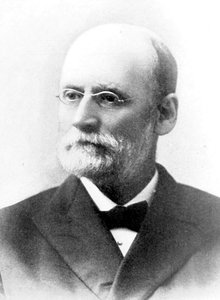
William E Harris
1860 - 1930 , United Kingdom
Krótka nota
- Artists Who Influenced This Artist: ['John Constable']
- Date Of Birth: 1854
- Date Of Death: 1934
- Full Name: William Elias Harris
- Nationality: British
- Notable Artworks:
- The River Wye near Bridge End
- Landscape with a River
- Cows Grazing in a Meadow
- Runnymede Island
- River Scene with a Bridge
- Place Of Birth: Birmingham, United Kingdom