

 Zobacz w skali 1:1
 Wyślij
 Udostępnij
 Szczegóły
 Przewodnik

 Pobierz plik obrazu
 Podobne obiekty
 RTG
RTG Pokaz slajdów
 Statystyki
Distant View of Worcester
 Other
Other 90.0 x 121.0 cm
 Czytaj więcej
Dzieło sztuki prezentowane na tej stronie podlega ochronie prawem autorskim, co oznacza, że nie mamy prawa do tworzenia ani sprzedaży jego identycznej reprodukcji. Ochrona ta jest egzekwowana na mocy umów międzynarodowych, takich jak Konwencja berneńska oraz przez przepisy prawa krajowego, w tym te określone w Prawo autorskie USA – Tytuł 17.
Jako pełną szacunku i legalną alternatywę oferujemy personalizowane, malowane ręcznie dzieła sztuki inspirowane oryginałem. Nasi wykwalifikowani i profesjonalni artyści starannie analizują styl, nastrój oraz artystyczną esencję pierwowzoru, aby stworzyć nowe, unikalne dzieło, które przywołuje te same emocje – pozostając jednocześnie w pełni oryginalną kreacją.
Metoda ta jest w pełni zgodna z przepisami prawa autorskiego, ponieważ nie polega na kopiowaniu ani powielaniu chronionego dzieła. Stanowi ona kreatywną reinterpretację – nowy obraz, który czerpie inspirację z oryginału, ale nie jest z nim tożsamy.
Ręcznie malowana reprodukcja olejowa
Ręcznie malowany obraz olejny na płótnie, wykonany na zamówienie przez naszych artystów w wybranym przez Ciebie wymiarze i oprawie. ( Przełącz na wersję drukowaną Przełącz na wersję cyfrową)




P118B zł10

P118H zł10

P118W zł10

P438Z zł10

P508JH zł12

P508YH zł12

P805H zł10

P805Z zł10

P919BZ zł10

P919G zł10

P919XJ zł10

P959ZH zł10

P968JZ zł12

W106C zł8

W218G zł10

W218JH zł8

W218Y zł10

W307PJ zł10

W316G zł10

W316PJ zł8

W316Y zł10

W398PJ zł8

W4111J zł10

W500HY zł15

W500JH zł15

W692G zł12

W849H zł8

W940BG zł15

W953PJ zł8




Wybierz spośród naszych standardowych rozmiarów, które zachowują oryginalne proporcje dzieła sztuki.

Wpisz wymaganą szerokość i wysokość, aby obraz pasował do Twojej ramy lub ściany. Ponieważ jest to dzieło malowane ręcznie, w przypadku rozmiaru o innym proporcji artysta może domalować nieco więcej wokół obrazu lub przyciąć fragmenty — wybór należy do Ciebie. Przed rozpoczęciem pracy prześlemy Ci cyfrową wizualizację do zatwierdzenia. Obraz widoczny na tej stronie nie przedstawia rzeczywistego efektu — jedynie wizualizacja oddaje realny rezultat.
Po złożeniu zamówienia zespół OriginalUniqueArt.com skontaktuje się z klientem drogą mailową w celu uzyskania instrukcji i prześle wizualizację projektu
Dostawa na całym świecie () w ciągu 3–4 tygodni zamiast standardowych 5 tygodni. (23 Październik). Bez kompromisów w kwestii jakości.

Bezpłatna ekspresowa wysyłka na cały świat

Wysokiej jakości płótno lniane

Pełne ubezpieczenie transportowe

Gwarancja zwrotu należności celnych i podatków importowych

Gwarancja idealnego odwzorowania barw

100-dniowy okres na zwrot dzieła w przypadku wykrycia wad produkcyjnych

Gwarancja 100% zwrotu pieniędzy

Oferta przy zakupie wielu sztuk
 Opcja ze szkłem jest dostępna wyłącznie w rozmiarach poniżej 110 cm

Distant View of Worcester
Technika wykonania
Rozmiar reprodukcji
-


Suma do zapłaty
zł 1151
Biografia artysty
William Dring: A Quiet Master of Post-War British Portraiture
William Dring (1904-1990) wasn’t a flamboyant figure in the art world, yet his quietly assured portraits and landscapes offer a remarkably sensitive glimpse into post-war Britain. Born in Streatham, London, and trained at the prestigious Slade School of Fine Art, Dring’s career unfolded with a deliberate grace, marked by meticulous technique, understated emotion, and a profound understanding of human character. He wasn't driven by grand gestures or revolutionary ideas; instead, he excelled at capturing the essence of his subjects – from royalty to everyday individuals – with an almost uncanny ability to reveal their inner lives.
Dring’s early artistic development was shaped by the rigorous training at the Slade, where he honed his skills in draughtsmanship and composition. He quickly established himself as a talented pastel artist, mastering the medium's capacity for subtle tonal shifts and delicate detail. This technical proficiency would become a hallmark of his work, allowing him to create images that were both precise and deeply expressive. His initial commissions included murals for architects Lutyens and Richardson, providing an early exposure to diverse subjects and styles – a foundation upon which he built his distinctive artistic voice.
The War Artist and the Portrait of a Nation
World War II dramatically altered Dring’s trajectory, thrusting him into the role of official War Artist. He was commissioned by the Admiralty and Air Ministry to document the realities of conflict through portraiture, capturing the faces of those who served – officers, sailors, airmen, and civilians alike. This period represents a crucial phase in his artistic development, as he adapted his skills to meet the urgent demands of wartime service. His portraits weren’t heroic celebrations of military might; rather, they offered intimate studies of individuals grappling with uncertainty, resilience, and loss. The starkness of the war years informed his palette, favoring muted tones and a restrained approach that amplified the emotional weight of each image.
Dring's wartime work is particularly notable for its accessibility and humanity. He eschewed grand poses and theatrical settings, preferring to capture subjects in naturalistic situations – at their desks, during breaks, or engaged in everyday activities. This intimacy created a powerful connection between the viewer and the portrayed individual, offering a poignant reflection on the human cost of conflict. His portraits of figures like Commander William D. King, a submarine officer who faced extraordinary challenges during the Battle of the Atlantic, stand as testaments to his ability to convey both strength and vulnerability.
A Royal Patronage and Beyond
Following the war, Dring continued to work prolifically, establishing himself as one of Britain’s most respected portraitists. He received commissions from prominent figures – including members of the Royal Family – and produced a series of celebrated portraits that captured the dignity and grace of his subjects. His ability to capture not just physical likeness but also personality and character was highly valued by his patrons. Beyond portraiture, Dring also explored landscapes with a similar sensitivity, employing a restrained palette and meticulous attention to detail to evoke the beauty and tranquility of the British countryside.
His work gained recognition through exhibitions at the Royal Watercolour Society and the Royal Academy, solidifying his place within the established art world. He became an Associate Academician in 1944 and a full Academician in 1955 – honors that reflected his enduring contribution to British art. Dring’s legacy lies not in revolutionary innovation but in his quiet mastery of technique, his profound empathy for his subjects, and his ability to capture the spirit of an era through understated yet deeply resonant imagery.
Key Characteristics and Influences
Dring's style is characterized by several key elements. His draughtsmanship was impeccable, evident in the precise lines and careful modeling of his figures and landscapes. He favored pastel as his primary medium, appreciating its versatility for capturing tonal nuances and creating a sense of immediacy. His portraits are notable for their psychological depth – he didn’t simply reproduce appearances but sought to reveal the inner lives of his subjects. Influences on Dring's work can be traced back to the Slade School of Art, particularly the teachings of Henry Tonks, who emphasized observation and technical skill. The influence of British landscape painting traditions is also evident in his depictions of the countryside, reflecting a deep appreciation for the beauty of the natural world.
Dring’s work offers a valuable window into post-war Britain – a nation grappling with the aftermath of conflict while striving to rebuild its society and identity. His portraits are not merely representations of individuals; they are reflections of a time, capturing the hopes, anxieties, and resilience of a generation.
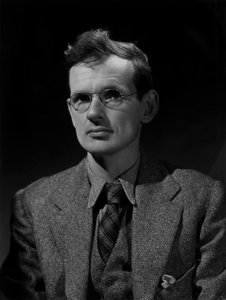
William D Dring
1904 - 1990
Najważniejsze informacje
- Full Name: Dennis William Dring
- Nationality: British
- Date Of Birth: 1904
- Date Of Death: 1990
- Place Of Birth: Streatham, London
- Notable Artworks:
- Conversation in the Bar
- Distant View of Worcester
- Miss Elizabeth Bolton
- Artistic Movement Or Style: Portraiture, Landscape
- Artists Who Influenced This Artist: ['Henry Tonks']
- Artists Or Movements Influenced By This Artist:
- Royal Watercolour Society
- Royal Academy
Zobacz także powiązane artykuły

John Constable: 25 Najlepszych Obrazów Mistrza Angielskiego Krajobrazu | OriginalUniqueArt
Odkryj 25 arcydzieł Johna Constable'a – mistrza angielskiego krajobrazu! Poznaj romantyczne pejzaże, technikę malarską i inspiracje z Dedham Vale. Reprodukcje obrazów najwyższej jakości na OriginalUniqueArt.com. Eksploruj pełną kolekcję online!

Arcydzieła XIX Wieku: 10 Obrazów Opowiadających Epokę | OriginalUniqueArt
Odkryj 10 arcydzieł XIX wieku! Poznaj historię Monet, Van Gogha i Courbeta. Imesjonizm, realizm, romantyzm – obrazy pełne emocji i piękna czekają na OriginalUniqueArt.com. Znajdź idealny obraz do swojego wnętrza!

Romantyczny Krajobraz w Malarstwie: 10 Arcydzieł, Które Zdefiniowały Epokę | OriginalUniqueArt.com
Odkryj 10 arcydzieł romantyzmu w malarstwie! Poznaj historie Caspara Davida Friedricha, Turnera i innych mistrzów. Inspiracje wnętrzarskie & reprodukcje obrazów najwyższej jakości na OriginalUniqueArt.com. Eksploruj kolekcję online!

Evoking Nature's Sublime: A Comprehensive Exploration of 19th-Century Landscape Painting
Explore the captivating world of 19th-century landscape painting! Discover renowned artists like Friedrich & Monet, key movements, and find the perfect artwork to bring nature's serenity into your home. Expert insights at OriginalUniqueArt.

Evocations of Place: A Historical Journey Through Landscape Art
Explore the rich history of landscape art with OriginalUniqueArt. Discover renowned artists, movements like Impressionism & Romanticism, and expert guidance for collecting timeless pieces. Find your perfect serene escape today!