

 Zobacz w skali 1:1
 Wyślij
 Udostępnij
 Szczegóły
 Przewodnik

 Pobierz plik obrazu
 Podobne obiekty
 RTG
RTG Pokaz slajdów
 Statystyki
Female Nude
 Contemporary Realism
 45.0 x 60.0 cm
 Museum of Biggar And Upper Clydesdale
 Czytaj więcej
Ręcznie malowana reprodukcja olejowa
Ręcznie malowany obraz olejny na płótnie, wykonany na zamówienie przez naszych artystów w wybranym przez Ciebie wymiarze i oprawie. ( Przełącz na wersję drukowaną Przełącz na wersję cyfrową)




































Wybierz spośród naszych standardowych rozmiarów, które zachowują oryginalne proporcje dzieła sztuki.

Możesz wprowadzić własne wymiary, aby dopasować obraz do konkretnej ramy lub przestrzeni. Jeśli wybrany rozmiar nie będzie odpowiadał proporcjom oryginału, przytniecie dzieło sztuki lub rozszerzymy je o dodatkowe elementy, ręcznie domalowane przez artystę. Przed rozpoczęciem produkcji wyślemy projekt cyfrowy do Twojej akceptacji.
Należy pamiętać, że podgląd na ekranie nie odzwierciedla rzeczywistego przycinania ani rozszerzania obrazu. Tylko projekt dokładnie pokaże ostateczną kompozycję.
Choć oferujemy możliwość zamówienia niestandardowych rozmiarów, zalecamy wybór wymiaru z gotowej listy, aby zachować oryginalne proporcje dzieła.
Po złożeniu zamówienia zespół OriginalUniqueArt.com skontaktuje się z klientem drogą mailową w celu uzyskania instrukcji i prześle wizualizację projektu
Dostawa na całym świecie () w ciągu 3–4 tygodni zamiast standardowych 5 tygodni. (25 Wrzesień). Bez kompromisów w kwestii jakości.

Bezpłatna ekspresowa wysyłka na cały świat

Wysokiej jakości płótno lniane

Pełne ubezpieczenie transportowe

Gwarancja zwrotu należności celnych i podatków importowych

Gwarancja idealnego odwzorowania barw

100-dniowy okres na zwrot dzieła w przypadku wykrycia wad produkcyjnych

Gwarancja 100% zwrotu pieniędzy

Oferta przy zakupie wielu sztuk
 Opcja ze szkłem jest dostępna wyłącznie w rozmiarach poniżej 110 cm

Female Nude
Technika wykonania
Rozmiar reprodukcji
-


Suma do zapłaty
$ 300
Biografia artysty
William Crozier: Bridging Impressionism and Scottish Landscape
William Crozier (1930 – 2011) stands as a pivotal figure within the Edinburgh School of painting, an artistic movement that flourished in Scotland during the interwar years. Born in Glasgow, Crozier’s formative years were steeped in the traditions of British watercolor and influenced by luminaries like Walter Sickert and Frank Auerbach—artists who championed expressive brushwork and emotional resonance as paramount to capturing the essence of their subjects. This dual allegiance – to meticulous observation alongside bold artistic experimentation – defines his oeuvre and secures his place amongst Scotland’s most celebrated landscape painters.- Early Influences: Crozier's initial training at Glasgow School of Art instilled in him a disciplined approach to draughtsmanship, honed by studying under John Atkinson Grimshaw, a staunch advocate for tonal painting. Grimshaw’s emphasis on capturing atmospheric conditions and conveying mood profoundly impacted Crozier’s artistic sensibilities.
- The Edinburgh School: Joining the Edinburgh College of Art in 1953 solidified his connection to the Edinburgh School, where he collaborated closely with fellow artists like Hans Schwarz and George Penrose. This collective fostered a shared commitment to exploring psychological depth within landscapes—a deliberate departure from purely representational art.
A Distinctive Style: Impressionistic Depth
Crozier’s artistic style is characterized by its distinctive blend of impressionistic technique and tonal painting principles. He eschewed the bright, vibrant palettes favored by many contemporaries, opting instead for muted hues that prioritized capturing subtle shifts in light and shadow. His brushstrokes are loose and textured, conveying a palpable sense of movement and atmosphere—a hallmark of his approach to depicting Scottish landscapes. Unlike some Impressionists who sought to capture fleeting moments of visual sensation, Crozier aimed to convey deeper emotional responses to the natural world.- Palette & Technique: Crozier’s favored palette consisted primarily of browns, ochres, and greys—colors that allowed him to build up layers of tonal paint with remarkable precision. He employed a technique known as “dry brushing,” applying thin washes of pigment onto textured surfaces to create shimmering effects.
- Notable Subjects: Crozier’s landscapes frequently featured scenes from the Scottish Highlands and Lowlands, particularly those imbued with melancholic beauty—often depicting misty moorland vistas or solitary trees silhouetted against dramatic skies. Recurring motifs included depictions of ruined castles and evocative portraits of rural life.
Major Achievements & Legacy
Crozier’s artistic reputation grew steadily throughout his career, culminating in recognition as a Fellow of the Royal Scottish Academy (RSA) in 1978. His paintings gained acclaim for their expressive qualities and masterful execution—demonstrating an unwavering dedication to capturing the spirit of Scotland's landscape heritage. Crozier’s influence extended beyond his own artistic output; he served as lecturer and tutor at Edinburgh College of Art, nurturing generations of Scottish painters who embraced similar stylistic principles.- Key Works: Among Crozier’s most celebrated paintings are “Holland Park” (1963), a luminous depiction of London’s Holland Park—a testament to his ability to transform ordinary subjects into emotionally resonant compositions; and “Edinburgh in Snow” (c. 1958), which captures the bleak grandeur of Edinburgh during winter storms.
- Continuing Influence: Crozier's legacy persists in the work of contemporary Scottish landscape artists who continue to explore tonal painting techniques and prioritize conveying psychological depth within their depictions of the natural environment.
Exploring Emotion Through Color & Texture
Ultimately, William Crozier’s artistic achievement resides not merely in his technical proficiency but in his profound understanding of how color and texture can communicate emotion. He skillfully utilized tonal painting—a method championed by artists like Sickert—to imbue his landscapes with a palpable sense of atmosphere and melancholy. By prioritizing emotional resonance over photographic accuracy, Crozier elevated landscape painting to new heights of expressive power—solidifying his enduring contribution to British art history.
william crozier
1930 - 2011
Najważniejsze informacje
- Artistic Movement Or Style: Edinburgh School
- Artists Or Movements Influenced By This Artist: ['Cubism']
- Artists Who Influenced This Artist:
- Hans Schwarz
- Sir William George Gillies
- Date Of Death: 2011
- Full Name: William Crozier
- Nationality: Scottish
- Notable Artworks:
- Holland Park
- Edinburgh in Snow
- Female Nude
- Place Of Birth: Glasgow, Scotland
Zobacz także powiązane artykuły
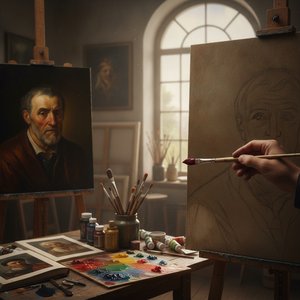
The Timeless Magic of Oil on Canvas: A Masterclass in Texture, Depth, and Impasto Artistry
Explore the profound beauty of oil on canvas. Discover how impasto textures, masterful brushwork, and light create unparalleled depth in fine art reproductions and custom commissions for discerning collectors.

The Power of Texture: Exploring Impasto and Plaster in the World's Greatest Masterpieces
Explore the profound impact of texture in art history. Discover how impasto and plaster techniques define masterpieces by Van Gogh and Cézanne, adding emotional depth and physical dimension to the world's most iconic oil paintings.
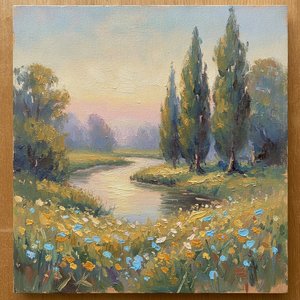
The Timeless Charm of Oil on Board: Reimagining Texture and Light through the Impressionist Lens
Discover the profound intimacy of oil on panel. Explore how Impressionist masters used rigid supports to capture light, texture, and impasto depth through exquisite, handmade oil reproductions for discerning collectors.
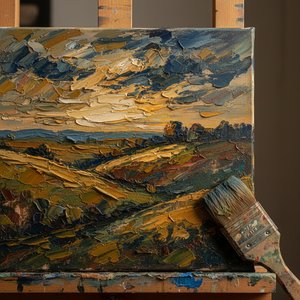
The Timeless Beauty of Oil on Canvas: A Masterclass in Texture, Impasto, and Artistic Mastery
Discover the profound allure of oil on canvas. Explore the mastery of impasto textures, the science of pigment longevity, and expert guides to selecting museum-quality reproductions that elevate your collection with timeless elegance and tactile depth.
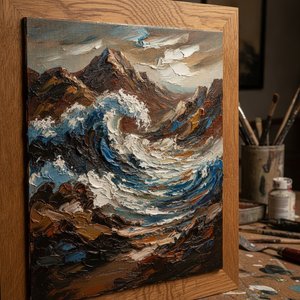
Oil on Panel: The Ultimate Guide to Bold, High-Impact Texture & Depth
Master the art of impact with our expert guide to oil on panel. Discover how impasto textures and heavy-body pigments create 3D depth and bold visual energy for modern interiors. Elevate your space with high-impact, hand-painted masterpieces designed for maximum aesthetic punch.