

 Zobacz w skali 1:1
 Wyślij
 Udostępnij
 Szczegóły
 Przewodnik

 Pobierz plik obrazu
 Podobne obiekty
 RTG
RTG Pokaz slajdów
 Statystyki
Placer Mining
 Oil On Canvas
- WallArt
 1854
1854- 19th Century
 64.0 x 76.0 cm
 Crocker Art Museum
 Czytaj więcej
Dzieło sztuki prezentowane na tej stronie podlega ochronie prawem autorskim, co oznacza, że nie mamy prawa do tworzenia ani sprzedaży jego identycznej reprodukcji. Ochrona ta jest egzekwowana na mocy umów międzynarodowych, takich jak Konwencja berneńska oraz przez przepisy prawa krajowego, w tym te określone w Prawo autorskie USA – Tytuł 17.
Jako pełną szacunku i legalną alternatywę oferujemy personalizowane, malowane ręcznie dzieła sztuki inspirowane oryginałem. Nasi wykwalifikowani i profesjonalni artyści starannie analizują styl, nastrój oraz artystyczną esencję pierwowzoru, aby stworzyć nowe, unikalne dzieło, które przywołuje te same emocje – pozostając jednocześnie w pełni oryginalną kreacją.
Metoda ta jest w pełni zgodna z przepisami prawa autorskiego, ponieważ nie polega na kopiowaniu ani powielaniu chronionego dzieła. Stanowi ona kreatywną reinterpretację – nowy obraz, który czerpie inspirację z oryginału, ale nie jest z nim tożsamy.
Ręcznie malowana reprodukcja olejowa
Ręcznie malowany obraz olejny na płótnie, wykonany na zamówienie przez naszych artystów w wybranym przez Ciebie wymiarze i oprawie. ( Przełącz na wersję drukowaną Przełącz na wersję cyfrową)




P118B zł10

P118H zł10

P118W zł10

P438Z zł10

P508JH zł12

P508YH zł12

P805H zł10

P805Z zł10

P919BZ zł10

P919G zł10

P919XJ zł10

P959ZH zł10

P968JZ zł12

W106C zł8

W218G zł10

W218JH zł8

W218Y zł10

W307PJ zł10

W316G zł10

W316PJ zł8

W316Y zł10

W398PJ zł8

W4111J zł10

W500HY zł15

W500JH zł15

W692G zł12

W849H zł8

W940BG zł15

W953PJ zł8




Wybierz spośród naszych standardowych rozmiarów, które zachowują oryginalne proporcje dzieła sztuki.

Wpisz wymaganą szerokość i wysokość, aby obraz pasował do Twojej ramy lub ściany. Ponieważ jest to dzieło malowane ręcznie, w przypadku rozmiaru o innym proporcji artysta może domalować nieco więcej wokół obrazu lub przyciąć fragmenty — wybór należy do Ciebie. Przed rozpoczęciem pracy prześlemy Ci cyfrową wizualizację do zatwierdzenia. Obraz widoczny na tej stronie nie przedstawia rzeczywistego efektu — jedynie wizualizacja oddaje realny rezultat.
Po złożeniu zamówienia zespół OriginalUniqueArt.com skontaktuje się z klientem drogą mailową w celu uzyskania instrukcji i prześle wizualizację projektu
Dostawa na całym świecie () w ciągu 3–4 tygodni zamiast standardowych 5 tygodni. (24 Październik). Bez kompromisów w kwestii jakości.

Bezpłatna ekspresowa wysyłka na cały świat

Wysokiej jakości płótno lniane

Pełne ubezpieczenie transportowe

Gwarancja zwrotu należności celnych i podatków importowych

Gwarancja idealnego odwzorowania barw

100-dniowy okres na zwrot dzieła w przypadku wykrycia wad produkcyjnych

Gwarancja 100% zwrotu pieniędzy

Oferta przy zakupie wielu sztuk
 Opcja ze szkłem jest dostępna wyłącznie w rozmiarach poniżej 110 cm

Placer Mining
Technika wykonania
Rozmiar reprodukcji
-


Suma do zapłaty
zł 1151
A Moment Captured in the Gold Fields
Step closer to observe the quiet intensity of this scene from 1854. In Placer Mining, we find ourselves on a California hillside during the height of the gold rush, witnessing a group of men engaged in the grueling, rhythmic labor of extraction. The composition centers on the Long Tom, a wooden sluice box stretching several feet through the dirt. You can almost hear the steady flow of water from the flume as it washes over the earth. Two men are positioned at the top, shoveling soil into the apparatus, while the heavier particles—the gold and sand—slowly drift downward to settle against the riffles. It is a scene defined by collective effort and the singular focus required to find fortune in the silt.
The figures are distributed with a careful balance across the landscape. Some men kneel in the dirt, while others stand or sit, their bodies angled toward the work at hand. There is a notable variety in their appearance; notice how each man wears a different style of hat, a small detail that suggests a diverse gathering of individuals brought together by a common purpose. A pickaxe rests near the middle-right, and shovels are placed strategically throughout the foreground and center, grounding the activity in the physical tools of the era.
Technique and Historical Presence
The artist employs an academic foundation to render this historical moment with remarkable precision. The handling of the figures is skilled, creating a sense of movement that feels natural rather than staged. There is a meticulous attention to the actual mechanics of the mining process, from the way the water moves through the wooden box to the texture of the excavated hillside. This level of detail suggests an intimate familiarity with the methods used by prospectors during this period.
The palette remains grounded in the earth tones of the landscape—browns, greens, and muted hues that reflect the dusty reality of the mining site. Through these colors, the painting conveys the weight of the work and the grit of the environment. The atmosphere is one of determination. There is no grand drama here, only the steady, repetitive motion of men searching through the earth, capturing a specific chapter of California history through the lens of honest, physical toil.
Pytania i odpowiedzi
Jak silny jest kontrast w „Placer Mining” autorstwa William Chadwick?
Kontrast jasności w dziele "Placer Mining" wynosi Balanced. Kontrast określa stopień zróżnicowania między obszarami jasnymi a ciemnymi.
Kto stworzył "Placer Mining" i w jakim roku?
Autorem dzieła "Placer Mining" jest William Chadwick, a datowanie pracy pochodzi z 1854 roku.
Czy dzieło „Placer Mining” autorstwa William Chadwick znajduje się w domenie publicznej i dlaczego?
„Placer Mining” autorstwa William Chadwick znajduje się w nadal chronione prawem autorskim. Okres ochrony praw autorskich liczony jest od śmierci artysty, która nastąpiła w 1962.
Biografia artysty
William Chadwick (1879 – 1962): A Quiet Observer of New England Landscapes
William Chadwick was a British-born American Impressionist painter who spent most of his artistic life in Holyoke, Massachusetts, establishing himself as a prominent figure within the Lyme Art Association and contributing significantly to the visual culture of early 20th century New England. Born in Worcestershire, England, Chadwick emigrated to America in 1884, drawn by the burgeoning artistic community centered around Thomas Cole’s Mount Holyoke Landscape School – an environment that profoundly shaped his aesthetic sensibilities.- Early Life & Education: Chadwick received a formal education at Marlborough College and subsequently pursued studies at Worcester Polytechnic Institute before embarking on a solo artistic journey.
- Move to Lyme Art Association: Recognizing the importance of collaborative artistic endeavors, Chadwick joined the Lyme Art Association in 1906, where he honed his skills alongside fellow Impressionists like Cole and Frederic Church. This association fostered an appreciation for tonal landscapes and atmospheric perspective – techniques that would become hallmarks of his oeuvre.
- Notable Paintings: Chadwick’s artistic output encompassed a diverse range of subjects, primarily focusing on serene depictions of New England scenery—particularly coastal vistas and wooded landscapes bathed in soft light. Pieces such as “Untitled (835)” and “Untitled (754)” exemplify his masterful command of color and brushwork, capturing the essence of fleeting moments within nature.
Technique & Artistic Style: Impressionistic Vision
Chadwick’s artistic style aligns closely with Impressionism, prioritizing observation and capturing the subjective experience of light and color rather than striving for photographic realism. He employed loose brushstrokes—often applied in rapid succession—to convey the ephemeral qualities of a scene, mirroring the fleeting effects of sunlight on foliage and water surfaces. Chadwick's palette favored muted hues – predominantly greens, blues, and browns – creating harmonious compositions that evoke tranquility and contemplation. The artist’s meticulous attention to detail, combined with his expressive handling of pigment, distinguishes him as a key contributor to the Impressionist movement in America.- Color Theory: Chadwick embraced color theory principles championed by Monet and Renoir, utilizing complementary colors to heighten visual impact and creating tonal gradations that simulate atmospheric haze.
- Brushwork & Texture: His brushstrokes were deliberately varied—some bold and assertive, others delicate and subtle—resulting in textured surfaces that conveyed the materiality of the landscape.
Influence & Legacy
Chadwick’s work resonated deeply with contemporaries who admired his ability to convey emotion through visual representation. He served as an inspiration for younger artists emerging from the Mount Holyoke School, fostering a tradition of tonal landscapes that persisted throughout the early decades of the 20th century. Chadwick's paintings continue to be studied and appreciated today, representing not only a beautiful record of New England’s natural beauty but also embodying the core tenets of Impressionist art – prioritizing feeling over factual accuracy and celebrating the transformative power of light. His contribution to American Art History is undeniable.Further Exploration
For more information about William Chadwick's life and artistic achievements, consult resources such as:
William Chadwick
1879 - 1962
Najważniejsze informacje
- Artistic Movement Or Style: Realist
- Artists Or Movements Influenced By This Artist: ['Impressionism']
- Artists Who Influenced This Artist: ['Thomas Cole']
- Date Of Birth: 1879
- Date Of Death: 1962
- Full Name: William Chadwick
- Nationality: American
- Notable Artworks:
- Untitled (835)
- Untitled (754)
- Place Of Birth: Holyoke, Massachusetts
Zobacz także powiązane artykuły

Gold Leaf & Gilding: The Master Craft of Byzantine and Renaissance Art
Explore the sacred art of gold leaf and gilding in Byzantine and Renaissance masterpieces. Discover the techniques of goldbeating, the symbolism of divine light, and how these luminous textures continue to inspire museum-quality hand-painted reproductions today.

Gilded Elegance: How Gold Background Artworks Transform Luxury Interiors with Timeless Radiance
Discover how gold background artworks infuse luxury interiors with timeless radiance. Explore the artistry of gold leaf, from Byzantine traditions to modern impasto textures, and learn to curate a sophisticated home with premium, hand-painted gilded masterpieces.
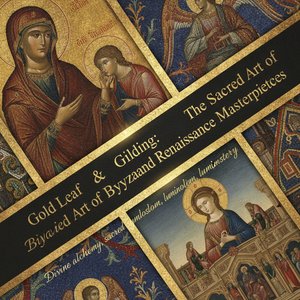
Gold Leaf & Gilding: The Sacred Art of Byzantine and Renaissance Masterpieces
Explore the profound history of gold leaf and gilding in Byzantine and Renaissance art. Discover how this sacred technique transformed religious iconography into celestial phenomena through light, symbolism, and unparalleled craftsmanship.

Golden Glow: How to Use Metallic Gold Artworks to Elevate Your Home Decor with Timeless Luxury
Discover how to elevate your home with the timeless elegance of metallic gold artworks. From sculptural metal pieces to gilded oil paintings, learn expert interior design tips for integrating luxurious gold accents into your space with sophistication and grace.

The Magic of Gold Leaf: Unveiling the Sacred Art of Byzantine & Renaissance Gilding
Explore the transcendent beauty of gold leaf in Byzantine and Renaissance art. Discover how ancient gilding techniques created a celestial glow that continues to inspire luxury interiors and fine art collectors today.