

 Zobacz w skali 1:1
 Wyślij
 Udostępnij
 Szczegóły

 Pobierz plik obrazu
 Podobne obiekty
 RTG
RTG Pokaz slajdów
 Statystyki
In the Orchard (also known as Spring)


 Czytaj więcej
Giclée / Wydruk artystyczny
Wydruki giclée lub płótna o jakości muzealnej, szybka realizacja i szeroki wybór opcji wykończenia. ( Kup ręcznie malowany obraz Przełącz na wersję cyfrową)




P118B $10

P118H $10

P118W $10

P438Z $10

P508JH $12

P508YH $12

P805H $10

P805Z $10

P919BZ $10

P919G $10

P919XJ $10

P959ZH $10

P968JZ $12

W106C $8

W218G $10

W218JH $8

W218Y $10

W307PJ $10

W316G $10

W316PJ $8

W316Y $10

W398PJ $8

W4111J $10

W500HY $15

W500JH $15

W692G $12

W849H $8

W940BG $15

W953PJ $8




Wybierz spośród naszych standardowych rozmiarów, które zachowują oryginalne proporcje dzieła sztuki.

Możesz wprowadzić własne wymiary, aby dopasować dzieło do konkretnej ramy lub przestrzeni. Jeśli wybrany rozmiar nie będzie odpowiadał proporcjom oryginalnego obrazu, przytniecie dzieło lub rozszerzymy obraz za pomocą odbicia lustrzanego lub jednolitego wypełnienia krawędzi. Przed rozpoczęciem produkcji prześlemy cyfrową wizualizację do Twojej akceptacji.
Prosimy pamiętać, że podgląd na ekranie nie odzwierciedla faktycznego przycinania ani rozszerzania. Tylko wizualizacja dokładnie pokaże końcową kompozycję.
Mimo dostępności niestandardowych rozmiarów, zalecamy wybór wymiaru z listy zdefiniowanej, aby zachować oryginalne proporcje.
Dostawa na cały świat () w ciągu 2 tygodni zamiast standardowych 4/5 tygodni. (18 Wrzesień)

Bezpłatna ekspresowa wysyłka na cały świat

Wysokiej jakości płótno lniane

Pełne ubezpieczenie transportowe

Gwarancja zwrotu należności celnych i podatków importowych

Gwarancja idealnego odwzorowania barw

100-dniowy okres na zwrot dzieła w przypadku wykrycia wad produkcyjnych

Gwarancja 100% zwrotu pieniędzy

Oferta przy zakupie wielu sztuk
 Opcja ze szkłem jest dostępna wyłącznie w rozmiarach poniżej 110 cm

In the Orchard (also known as Spring)
Giclée / Wydruk artystyczny
Rozmiar reprodukcji
-


Suma do zapłaty
$ 80
A Serene Encounter in the Heart of Spring
In the gentle embrace of 1892, William Brymner captured a moment of profound tranquility in his masterpiece, In the Orchard, also affectionately known as Spring. The canvas invites the viewer to step into a sun-dappled sanctuary, where a man and a woman stroll leisurely down a winding path. This is not merely a depiction of a walk in the countryside; it is an evocative window into a world of harmony and peace. As the couple wanders through the blossoming trees, their presence serves as the emotional anchor for a scene teeming with life. The orchard, lush and vibrant, acts as a living cathedral of nature, where the soft light filters through the canopy to illuminate a landscape that feels both intimate and expansive.
Beyond the central figures, Brymner masterfully populates his orchard with a subtle tapestry of human connection. Scattered throughout the midground and distance, other figures appear like gentle whispers of movement, suggesting a shared communal appreciation for the season's rebirth. A loyal dog, positioned near the heart of the composition, adds a touch of domestic warmth and grounded reality to the idyllic setting. This careful arrangement of subjects creates a remarkable sense of depth, drawing the eye from the immediate foreground into the soft, hazy reaches of the orchard, making the viewer feel as though they are an unobserved participant in this peaceful afternoon.
The Impressionist Touch and Technical Brilliance
Brymner’s technical execution in In the Orchard reveals his deep immersion in the European artistic currents of his time. Having refined his skills at the prestigious Académie Julian in Paris, he brought a sophisticated understanding of light and color to the Canadian landscape. The painting breathes with the spirit of Impressionism, utilizing delicate brushwork to capture the fleeting qualities of light as it dances across petals and leaves. Rather than relying on harsh outlines, Brymner uses a nuanced palette to suggest form and atmosphere, creating a sense of movement and immediacy that makes the air itself feel alive.
For the discerning collector or interior designer, this work offers more than just visual beauty; it provides an atmospheric anchor for any space. The painting’s ability to evoke a sense of calm and timelessness makes it an ideal centerpiece for rooms designed for relaxation and reflection. Whether placed in a sunlit morning room or a sophisticated study, the soft greens, warm earth tones, and delicate floral hues of the orchard provide a natural elegance that complements both classical and contemporary decor. A high-quality oil reproduction of this work allows the enduring legacy of Brymner’s vision to reside within your home, offering a permanent connection to the serene beauty of a Canadian spring.
Biografia artysty
A Pioneer Forging a Canadian Vision
William Brymner, born in Greenock, Scotland in 1855, stands as a pivotal figure in the development of Canadian art—a bridge between the established traditions of academic painting and the burgeoning currents of modernism. His life’s journey, marked by both rigorous training and an adventurous spirit, ultimately shaped a uniquely Canadian artistic identity. The Brymner family's emigration to Melbourne, Lower Canada (present-day Quebec) in 1857, and their subsequent move to Montreal in 1864, planted the seeds of his connection to the land that would become central to his artistic vision. Initially drawn to architecture, a practical pursuit reflecting his father’s stable career as Dominion Archivist, Brymner soon discovered his true calling lay within the realm of painting. This pivotal shift led him to Paris in 1878, where he enrolled at the prestigious Académie Julian, immersing himself in the world of fine art under the tutelage of William-Adolphe Bouguereau and Tony Robert-Fleury. These masters, renowned for their ‘grand manner’ naturalism, instilled in Brymner a foundation of technical skill and compositional understanding that would remain with him throughout his career.Parisian Influences and Artistic Development
The Parisian art scene proved transformative for the young artist. While mastering academic techniques—particularly Bouguereau's meticulous realism—Brymner simultaneously absorbed the influence of Jean-Louis Ernest Meissonier, whose detailed depictions of historical scenes captivated him. He deliberately rejected grand narratives and mythological themes, opting instead for intimate domestic portraits and evocative landscapes—a conscious decision to portray the Canadian world with honesty and sensitivity. This period witnessed Brymner skillfully balancing academic rigor with the emerging Impressionistic tendencies dominating the art landscape. His style began to evolve, demonstrating a growing awareness of light’s subtle nuances and its ability to shape perception. Pieces like “Two Girls Reading” (1898) exemplify this early mastery, showcasing his capacity to capture fleeting moments and imbue them with quiet emotion. He wasn't merely replicating what he saw; he was interpreting it through a lens informed by both tradition and innovation. Brymner’s dedication to capturing the atmosphere of Quebec landscapes—particularly Ile aux Coudres—became a hallmark of his oeuvre, reflecting his profound connection to his homeland.Returning to Canada: Teacher and Innovator
In 1886, Brymner returned to Montreal after nearly seven years of intermittent residence in Paris, establishing himself as a prominent art teacher and significantly impacting the next generation of Canadian artists. He became Director of the Art Association of Montreal school from 1886 to 1921, fostering an environment that encouraged experimentation and challenged conventional artistic norms. His landscapes frequently depicted scenes around Quebec and the Maritimes, capturing the natural beauty of Canada with a growing Impressionistic flair. Works like “In the Orchard (Spring)” (1892) and his paintings of Ile aux Coudres demonstrate this evolving approach—a loosening of brushwork, a heightened sensitivity to color, and an emphasis on capturing the atmosphere of a place rather than simply its physical appearance. Brymner’s influence extended far beyond his individual canvases; he was shaping a movement. He championed the ideas of artists like Emily Coonan, who embraced Impressionistic techniques—a testament to Brymner's commitment to artistic freedom and innovation.A Legacy of Modernism
Brymner played a crucial role in fostering modern art movements within Canada, and many members of the Beaver Hall Group—a collective of Montreal artists known for their modernist styles—studied under his guidance. He encouraged his students to push boundaries, explore new techniques, and develop their own unique artistic voices. This unwavering dedication to innovation earned him recognition from the Royal Canadian Academy of Arts (RCA), where he became vice-president in 1907 and president in 1909—a significant accomplishment for a Canadian artist at that time. His works continue to be exhibited and celebrated as important examples of late 19th and early 20th-century Canadian art, reminding us of his enduring contribution to the nation’s cultural heritage. He left behind not only a body of beautiful and insightful paintings but also a generation of artists equipped to carry the torch of Canadian modernism forward—solidifying his place as a true pioneer of Canadian art.Major Works & Continued Influence
Beyond “In the Orchard (Spring)” and “Two Girls Reading”, Brymner’s artistic output included "Frontenac Receiving Sir William Philip's Envoy"—a masterful depiction of historical grandeur—and “Summer Landscape”—a quintessential Impressionistic portrayal of Quebec’s serene beauty. His influence can be seen in the work of artists like Salvador Dalí, who drew inspiration from Surrealist aesthetics and explored dreamlike imagery. Brymner’s legacy extends beyond his individual canvases; he fostered a movement that redefined Canadian artistic expression—one rooted in European influences yet distinctly shaped by the landscapes and experiences of Canada itself. He remains a cornerstone of Canadian art history.
William Brymner
1855 - 1925 , Szkocja
Najważniejsze informacje
- Artistic Movement Or Style: Impressionism & Naturalism
- Artists Or Movements Influenced By This Artist: ['Beaver Hall Group']
- Artists Who Influenced This Artist:
- Bouguereau
- Robert-Fleury
- Meissonier
- Date Of Birth: 1855
- Date Of Death: 1925
- Full Name: William Brymner
- Nationality: Canadian
- Notable Artworks:
- Frontenac Receiving Envoy
- The Weaver
- Summer Landscape
- Place Of Birth: Greenock, UK
Zobacz także powiązane artykuły
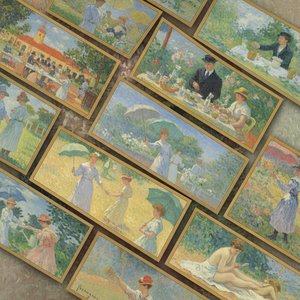
Pierre-Auguste Renoir: 25 Arcydzieł Pełnych Światła i Uroków | OriginalUniqueArt.com
Odkryj 25 najpiękniejszych obrazów Pierre’a-Auguste Renoir! Poznaj historię impresjonizmu, światło w jego malarstwie i arcydzieła takie jak 'Taniec w Le Moulin de la Galette'. Reprodukcje najwyższej jakości na OriginalUniqueArt.com – inspiracje dla Twojego wnętrza.

10 Arcydzieł Impresjonizmu Krajobrazowego: Sztuka, Artyści i Dekoracje Wnetrz
Odkryj 10 arcydzieł impresjonizmu krajobrazowego! Poznaj historie Monet, Renoir i innych mistrzów. Inspiracje wnętrzarskie, techniki malarskie i reprodukcje obrazów najwyższej jakości na OriginalUniqueArt.com. Eksploruj pełną kolekcję online!

Impressionistic Realism's Finest: 10 Masterpieces for Your Home | OriginalUniqueArt
Journey through Impressionistic Realism with 10 iconic masterpieces by Monet, Renoir & Van Gogh. Explore art history, techniques & find museum-quality reproductions for your home at OriginalUniqueArt.com. Discover all masterpieces online!
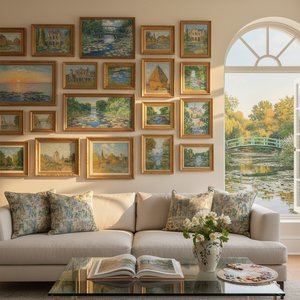
Claude Monet: 25 Najlepszych Arcydzieł Impresjonizmu | Reprodukcje Obrazów Online
Odkryj 25 najpiękniejszych arcydzieł Claude Moneta – impresjonistycznych pejzaży, nymfeii i słonecznych krajobrazów. Poznaj historię sztuki i zainspiruj się do dekoracji wnętrz z OriginalUniqueArt.com! Eksploruj pełną kolekcję online.

10 Arcydzieł Impresjonizmu Krajobrazowego, Które Zdefiniowały Sztukę
Odkryj 10 arcydzieł impresjonizmu krajobrazowego! Poznaj historie Moneta, Renoir'a i Van Gogha. Inspiracje wnętrzarskie, techniki malarskie i piękne reprodukcje obrazów na OriginalUniqueArt.com. Eksploruj kolekcję online!