Zobacz w skali 1:1
 Wyślij
 Udostępnij
 Szczegóły
 Przewodnik

 Pobierz plik obrazu
 Podobne obiekty
 RTG
RTG Pokaz slajdów
 Statystyki
The Night of Peace


 Czytaj więcej
Giclée / Wydruk artystyczny
Wydruki giclée lub płótna o jakości muzealnej, szybka realizacja i szeroki wybór opcji wykończenia. ( Kup ręcznie malowany obraz Przełącz na wersję cyfrową)




P118B $10

P118H $10

P118W $10

P438Z $10

P508JH $12

P508YH $12

P805H $10

P805Z $10

P919BZ $10

P919G $10

P919XJ $10

P959ZH $10

P968JZ $12

W106C $8

W218G $10

W218JH $8

W218Y $10

W307PJ $10

W316G $10

W316PJ $8

W316Y $10

W398PJ $8

W4111J $10

W500HY $15

W500JH $15

W692G $12

W849H $8

W940BG $15

W953PJ $8




Wybierz spośród naszych standardowych rozmiarów, które zachowują oryginalne proporcje dzieła sztuki.

Możesz wprowadzić własne wymiary, aby dopasować dzieło do konkretnej ramy lub przestrzeni. Jeśli wybrany rozmiar nie będzie odpowiadał proporcjom oryginalnego obrazu, przytniecie dzieło lub rozszerzymy obraz za pomocą odbicia lustrzanego lub jednolitego wypełnienia krawędzi. Przed rozpoczęciem produkcji prześlemy cyfrową wizualizację do Twojej akceptacji.
Prosimy pamiętać, że podgląd na ekranie nie odzwierciedla faktycznego przycinania ani rozszerzania. Tylko wizualizacja dokładnie pokaże końcową kompozycję.
Mimo dostępności niestandardowych rozmiarów, zalecamy wybór wymiaru z listy zdefiniowanej, aby zachować oryginalne proporcje.
Dostawa na cały świat () w ciągu 2 tygodni zamiast standardowych 4/5 tygodni. (25 Wrzesień)

Bezpłatna ekspresowa wysyłka na cały świat

Wysokiej jakości płótno lniane

Pełne ubezpieczenie transportowe

Gwarancja zwrotu należności celnych i podatków importowych

Gwarancja idealnego odwzorowania barw

100-dniowy okres na zwrot dzieła w przypadku wykrycia wad produkcyjnych

Gwarancja 100% zwrotu pieniędzy

Oferta przy zakupie wielu sztuk
 Opcja ze szkłem jest dostępna wyłącznie w rozmiarach poniżej 110 cm

The Night of Peace
Giclée / Wydruk artystyczny
Rozmiar reprodukcji
-


Suma do zapłaty
$ 80
A Visionary Echo: The Ethereal Essence of The Night of Peace
In the quiet, shadowed corridors of art history, few works resonate with the haunting intensity of William Blake’s The Night of Peace. Created in 1815, this masterpiece serves as a profound window into the soul of the Romantic era, capturing a moment that feels suspended between the earthly and the divine. The scene unfolds with a heavy, atmospheric grace, depicting a gathering of figures around a woman lying prone before a religious structure. Whether one perceives the central figure in the throes of childbirth or the stillness of death, the painting radiates an undeniable tension between life and mortality. It is a work that does not merely invite observation but demands a spiritual encounter, pulling the viewer into a landscape where the veil between reality and revelation is perilously thin.
The technical mastery of Blake, particularly his ability to manipulate light and shadow, lends the piece an almost supernatural quality. While often celebrated for his revolutionary engravings, the painterly essence of this work utilizes stark contrasts to mirror the artist's personal cosmology. The interplay of deep, velvety blacks against luminous, ethereal highlights creates a sense of chiaroscuro that is both unsettling and serene. This deliberate use of contrast serves as a visual metaphor for Blake’s belief in the eternal struggle between opposing forces: innocence and experience, light and darkness, the finite and the infinite. For the discerning collector or interior designer, this dramatic tonal range offers a sophisticated focal point, capable of anchoring a room with its profound depth and somber elegance.
Symbolism and the Romantic Spirit
To gaze upon The Night of Peace is to navigate a labyrinth of symbolic meaning. Set against a backdrop of turbulent, swirling clouds, the composition evokes the sublime—that uniquely Romantic sensation of awe mixed with terror. The presence of the church-like structure, marked by the solemnity of a cross, grounds the visionary elements in a recognizable religious tradition, yet Blake transcends mere illustration to create something far more complex. He utilizes medieval symbolism and biblical echoes to offer a sanctuary of grace amidst the encroaching shadows of the Industrial Revolution. Every line and shadow is a deliberate stroke of a man who saw angels and demons dancing within the soot of London.
For those seeking to integrate art into a curated living space, this reproduction offers more than mere decoration; it provides an emotional anchor. The painting’s ability to evoke contemplation makes it an ideal centerpiece for libraries, studies, or galleries where the goal is to inspire deep thought and quiet reflection. It carries with it a sense of historical weight and intellectual prestige, making it a timeless acquisition for anyone who appreciates art that speaks to the enduring mysteries of the human condition. In its silent, nocturnal beauty, The Night of Peace continues to whisper the secrets of a visionary genius to all who are willing to listen.
Biografia artysty
William Blake - A Visionary’s Journey: The Life and Art of William Blake
William Blake, born in London on November 28, 1757, was a figure perpetually out of step with his time, yet destined to become one of the most celebrated artists and poets of the Romantic Age. His life unfolded against the backdrop of a rapidly changing England—a world grappling with industrialization, political upheaval, and shifting spiritual beliefs. From humble beginnings as the son of a hosier, Blake’s early years were marked by an intensely vivid imagination and a propensity for visionary experiences that would profoundly shape his artistic trajectory. Though largely self-taught in formal academics, he received drawing instruction at a young age, quickly revealing a talent that hinted at the extraordinary path ahead. His apprenticeship with engraver James Basire proved pivotal, providing him not only with technical mastery but also an understanding of printmaking techniques he would later revolutionize. These early influences—the Gothic grandeur of Westminster Abbey, the classical forms of Raphael and Michelangelo—served as foundational elements in his developing aesthetic, though Blake was never one to remain bound by convention.Early Life and Artistic Training
Blake’s formative years instilled within him a deep appreciation for both beauty and terror – sensations he would translate into unforgettable imagery throughout his artistic career. Despite lacking formal schooling, he possessed an innate aptitude for drawing, nurtured by encouragement from his father who recognized his son's exceptional talent. This early training honed his observational skills and established a bedrock of classical knowledge that informed his stylistic choices. His apprenticeship with James Basire, London’s leading engraver, was instrumental in developing his printmaking abilities—a craft he would elevate to an art form through his groundbreaking technique of illuminated printing. It wasn't merely copying existing designs; it demanded meticulous attention to detail and a profound understanding of tonal gradation, skills that would prove invaluable as he pursued his artistic vision.Illuminated Printing: A Revolutionary Technique
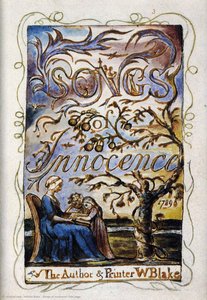
Blake’s artistic innovation resided fundamentally in *how* he created—a departure from the prevailing methods of engraving prevalent during his era. Dissatisfied with conventional printing processes, he devised a unique method known as “illuminated printing,” which involved etching both text and illustrations onto copper plates before applying hand-colored inks to produce stunning prints. This wasn’t simply illustration accompanying poetry; it was an integrated art form where image and verse were inextricably linked, each enriching the meaning of the other. Blake's meticulous process demanded considerable labor—often taking weeks or months to complete—but it afforded him unparalleled artistic control over color, texture, and overall visual impact. This technique allowed for a level of expressive nuance unattainable through traditional methods, cementing his place as a pioneer in printmaking history. He skillfully combined etching with watercolor washes and gouache pigments, creating images that pulsed with vibrant hues and captivating detail—a stylistic hallmark that distinguishes his work from many of his contemporaries.Major Works and Artistic Style
Blake’s oeuvre encompasses poetry, engravings, watercolors, drawings, and illuminated manuscripts—each reflecting his distinctive worldview and artistic sensibilities. Among his most celebrated works are *Songs of Innocence & Experience* (1794), a dual collection exploring themes of innocence and corruption through allegorical narratives; *The Marriage of Heaven & Hell* (1793), a provocative prose poem challenging societal morality with its embrace of energy, desire, and rebellion; and *Jerusalem*, an ambitious epic poem depicting a utopian vision of Albion—ancient name for Britain—inspired by biblical prophecy. His engravings are equally remarkable for their dramatic compositions, symbolic imagery, and masterful execution. Illustrations for Dante’s *Divine Comedy* exemplify his ability to translate complex literary narratives into powerful visual representations—a feat achieved through meticulous attention to detail and a deliberate rejection of linear perspective in favor of emotive symbolism. Blake's artistic style is characterized by its bold use of color, its incorporation of fantastical elements, and its unwavering commitment to conveying profound spiritual truths. He rejected the conventions of academic art, prioritizing imaginative vision over realistic representation—a stance that aligned him with the burgeoning Romantic movement and cemented his legacy as a visionary artist.Blake’s Enduring Influence
Despite facing considerable obscurity during his lifetime, William Blake's influence on subsequent generations of artists and writers has proven to be profound. The Pre-Raphaelites, captivated by his stylistic innovations and symbolic depth, embraced him as a kindred spirit—drawing inspiration from his use of color, texture, and imaginative storytelling. Later movements—Symbolism and Modernism—found resonance in his exploration of psychological complexity and spiritual yearning—a testament to the enduring power of Blake’s artistic vision. Today, William Blake is recognized as a cornerstone of Romantic art, an artist whose uncompromising pursuit of creative freedom continues to inspire artists worldwide. His work serves as a reminder that true artistry lies not merely in technical skill but in conveying profound emotional truths—a legacy that transcends time and resonates powerfully with audiences across cultures.
William Blake
1757 - 1827 , Wielka Brytania
Najważniejsze informacje
- Artistic Movement Or Style: Romanticizm
- Artists Who Influenced This Artist:
- Rafael
- Michał Anioł
- Date Of Birth: Londyn, Wielka Brytania (1757)
- Date Of Death: Londyn, Wielka Brytania (1827)
- Full Name: William Blake
- Nationality: Brytyjski
- Notable Artworks:
- Pieśni Innocencji i Doświadczenia
- Święcący Smok i Żona Ubierana na Słońce
- Żądza i Jego Rodzina Odzyskuje Dobrobyt
- Place Of Birth: Londyn
Zobacz także powiązane artykuły

Romantic Realism's Finest: 10 Masterpieces for Your Home | OriginalUniqueArt
Explore 10 defining masterpieces of Romantic Realism! Discover Courbet, Millet & Daumier's powerful paintings—capturing emotion and social realities. Find museum-quality reproductions for your home at OriginalUniqueArt.com.

Sir William Blake Richmond: A Visionary of Aestheticism & Symbolism
Explore the life & art of Sir William Blake Richmond, a pivotal figure bridging Pre-Raphaelitism and Aestheticism. Discover his stunning portraits, mosaics at St Paul's Cathedral, and lasting influence on Victorian art.

Romantyczny Krajobraz w Malarstwie: 10 Arcydzieł, Które Zdefiniowały Epokę | OriginalUniqueArt.com
Odkryj 10 arcydzieł romantyzmu w malarstwie! Poznaj historie Caspara Davida Friedricha, Turnera i innych mistrzów. Inspiracje wnętrzarskie & reprodukcje obrazów najwyższej jakości na OriginalUniqueArt.com. Eksploruj kolekcję online!
John Varley I: Intimate Observation & the British Romantic Landscape
Explore the serene landscapes of John Varley I, a key figure in British Romanticism. Discover his unique watercolour style, collaboration with William Blake & lasting artistic legacy. Learn about collecting Varley's work.

William Blake: Romantic Visionary & Mystical Genius of the Imagination
Explore the mystical art & poetic genius of William Blake (1757-1827). Discover his revolutionary illuminated printing, rich symbolism, and lasting influence on Romanticism. Find handmade reproductions at OriginalUniqueArt.