Zobacz w skali 1:1
 Wyślij
 Udostępnij
 Szczegóły
 Przewodnik

 Pobierz plik obrazu
 Podobne obiekty
 RTG
RTG Pokaz slajdów
 Statystyki
Kamienie przy Tintagel

 Czytaj więcej
Ręcznie malowana reprodukcja olejowa
Ręcznie malowany obraz olejny na płótnie, wykonany na zamówienie przez naszych artystów w wybranym przez Ciebie wymiarze i oprawie. ( Przełącz na wersję drukowaną Przełącz na wersję cyfrową)




P118B zł10

P118H zł10

P118W zł10

P438Z zł10

P508JH zł12

P508YH zł12

P805H zł10

P805Z zł10

P919BZ zł10

P919G zł10

P919XJ zł10

P959ZH zł10

P968JZ zł12

W106C zł8

W218G zł10

W218JH zł8

W218Y zł10

W307PJ zł10

W316G zł10

W316PJ zł8

W316Y zł10

W398PJ zł8

W4111J zł10

W500HY zł15

W500JH zł15

W692G zł12

W849H zł8

W940BG zł15

W953PJ zł8




Wybierz spośród naszych standardowych rozmiarów, które zachowują oryginalne proporcje dzieła sztuki.

Możesz wprowadzić własne wymiary, aby dopasować obraz do konkretnej ramy lub przestrzeni. Jeśli wybrany rozmiar nie będzie odpowiadał proporcjom oryginału, przytniecie dzieło sztuki lub rozszerzymy je o dodatkowe elementy, ręcznie domalowane przez artystę. Przed rozpoczęciem produkcji wyślemy projekt cyfrowy do Twojej akceptacji.
Należy pamiętać, że podgląd na ekranie nie odzwierciedla rzeczywistego przycinania ani rozszerzania obrazu. Tylko projekt dokładnie pokaże ostateczną kompozycję.
Choć oferujemy możliwość zamówienia niestandardowych rozmiarów, zalecamy wybór wymiaru z gotowej listy, aby zachować oryginalne proporcje dzieła.
Po złożeniu zamówienia zespół OriginalUniqueArt.com skontaktuje się z klientem drogą mailową w celu uzyskania instrukcji i prześle wizualizację projektu
Dostawa na całym świecie () w ciągu 3–4 tygodni zamiast standardowych 5 tygodni. (5 Październik). Bez kompromisów w kwestii jakości.

Bezpłatna ekspresowa wysyłka na cały świat

Wysokiej jakości płótno lniane

Pełne ubezpieczenie transportowe

Gwarancja zwrotu należności celnych i podatków importowych

Gwarancja idealnego odwzorowania barw

100-dniowy okres na zwrot dzieła w przypadku wykrycia wad produkcyjnych

Gwarancja 100% zwrotu pieniędzy

Oferta przy zakupie wielu sztuk
 Opcja ze szkłem jest dostępna wyłącznie w rozmiarach poniżej 110 cm

Kamienie przy Tintagel
Technika wykonania
Rozmiar reprodukcji
-


Suma do zapłaty
zł 1114
Rocks at Tintagel – A Landscape Steeped in Myth and Vision
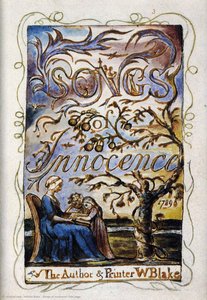
William Blake’s “Rocks at Tintagel” isn't merely a depiction of Cornish scenery; it’s an embodiment of Romantic idealism, filtered through the intensely imaginative mind of one of Britain’s most singular artists. Painted sometime around 1814-1816, this artwork captures a dramatic vista overlooking Tintagel Castle ruins—a site steeped in legend as the birthplace of King Arthur—and exemplifies Blake's distinctive approach to landscape painting and illuminated printing. The photograph showcases a rocky outcrop dominating a turbulent sea, conveying both grandeur and vulnerability.- Style: Romanticism – Blake’s work aligns perfectly with the movement’s fascination for sublime landscapes and emotional expression. He eschewed academic conventions in favor of capturing raw feeling and spiritual insight.
- Technique: Blake utilized etching and aquatint, a printing process that allowed him to achieve remarkable tonal gradations and textural detail—a technique he pioneered and perfected. This meticulous craftsmanship elevates the image beyond simple representation, imbuing it with palpable atmosphere.
- Symbolism: The rocks represent resilience and permanence; the water symbolizes change and renewal.
- Emotional Impact: Blake’s Tintagel evokes a feeling of awe and contemplation—a reminder of humanity's insignificance in the face of overwhelming natural beauty and power.
Pytania i odpowiedzi
Któremu artyście przypisuje się "Kamienie przy Tintagel"?
„Kamienie przy Tintagel” zostało stworzone przez William Blake. Informacje na tej stronie opisują oryginalne dzieło autorstwa William Blake.
Co przedstawia „Kamienie przy Tintagel” autorstwa William Blake?
Tematyka obecna w „Kamienie przy Tintagel” autorstwa William Blake obejmuje tintagel rocks, romantic art, landscape painting, blake artwork, british painter, mountain scene, water feature, mystical imagery. Razem stanowią one podsumowanie tematyki dzieła.
Jakie emocje wywołuje „Kamienie przy Tintagel” autorstwa William Blake?
Emocjonalny ton przypisany do „Kamienie przy Tintagel” autorstwa William Blake to Tajemniczy. Podsumowuje on uczucia, jakie wyraża to dzieło.
Gdzie mogę kupić wydruk „Kamienie przy Tintagel” autorstwa William Blake?
Aby zamówić wydruk dzieła „Kamienie przy Tintagel” autorstwa William Blake, wystarczy złożyć zamówienie na ta strona: szlachetna odbitka na płótnie bawełnianym lub archiwalnym papierze płótnopodobnym.
W jakim układzie znajduje się „Kamienie przy Tintagel” autorstwa William Blake?
Dzieło „Kamienie przy Tintagel” autorstwa William Blake ma format Orientacja pionowa. Format ten określa proporcje kompozycji.
Jaki nastrój oddaje „Kamienie przy Tintagel” autorstwa William Blake w ramach nurtu Romantic Landscape?
"Kamienie przy Tintagel" niesie ze sobą Tajemniczy wydźwięk emocjonalny w obrębie nurtu Romantic Landscape.
Kto sprzedaje ręcznie malowane reprodukcje dzieła „Kamienie przy Tintagel” autorstwa William Blake?
„Kamienie przy Tintagel” jest dostępny jako ręcznie malowana reprodukcja olejowa na płótnie lnianym. Zamówienie można złożyć na ta strona, wybierając spośród dostępnych rozmiarów.
Biografia artysty
William Blake - A Visionary’s Journey: The Life and Art of William Blake
William Blake, born in London on November 28, 1757, was a figure perpetually out of step with his time, yet destined to become one of the most celebrated artists and poets of the Romantic Age. His life unfolded against the backdrop of a rapidly changing England—a world grappling with industrialization, political upheaval, and shifting spiritual beliefs. From humble beginnings as the son of a hosier, Blake’s early years were marked by an intensely vivid imagination and a propensity for visionary experiences that would profoundly shape his artistic trajectory. Though largely self-taught in formal academics, he received drawing instruction at a young age, quickly revealing a talent that hinted at the extraordinary path ahead. His apprenticeship with engraver James Basire proved pivotal, providing him not only with technical mastery but also an understanding of printmaking techniques he would later revolutionize. These early influences—the Gothic grandeur of Westminster Abbey, the classical forms of Raphael and Michelangelo—served as foundational elements in his developing aesthetic, though Blake was never one to remain bound by convention.Early Life and Artistic Training
Blake’s formative years instilled within him a deep appreciation for both beauty and terror – sensations he would translate into unforgettable imagery throughout his artistic career. Despite lacking formal schooling, he possessed an innate aptitude for drawing, nurtured by encouragement from his father who recognized his son's exceptional talent. This early training honed his observational skills and established a bedrock of classical knowledge that informed his stylistic choices. His apprenticeship with James Basire, London’s leading engraver, was instrumental in developing his printmaking abilities—a craft he would elevate to an art form through his groundbreaking technique of illuminated printing. It wasn't merely copying existing designs; it demanded meticulous attention to detail and a profound understanding of tonal gradation, skills that would prove invaluable as he pursued his artistic vision.Illuminated Printing: A Revolutionary Technique
Blake’s artistic innovation resided fundamentally in *how* he created—a departure from the prevailing methods of engraving prevalent during his era. Dissatisfied with conventional printing processes, he devised a unique method known as “illuminated printing,” which involved etching both text and illustrations onto copper plates before applying hand-colored inks to produce stunning prints. This wasn’t simply illustration accompanying poetry; it was an integrated art form where image and verse were inextricably linked, each enriching the meaning of the other. Blake's meticulous process demanded considerable labor—often taking weeks or months to complete—but it afforded him unparalleled artistic control over color, texture, and overall visual impact. This technique allowed for a level of expressive nuance unattainable through traditional methods, cementing his place as a pioneer in printmaking history. He skillfully combined etching with watercolor washes and gouache pigments, creating images that pulsed with vibrant hues and captivating detail—a stylistic hallmark that distinguishes his work from many of his contemporaries.Major Works and Artistic Style
Blake’s oeuvre encompasses poetry, engravings, watercolors, drawings, and illuminated manuscripts—each reflecting his distinctive worldview and artistic sensibilities. Among his most celebrated works are *Songs of Innocence & Experience* (1794), a dual collection exploring themes of innocence and corruption through allegorical narratives; *The Marriage of Heaven & Hell* (1793), a provocative prose poem challenging societal morality with its embrace of energy, desire, and rebellion; and *Jerusalem*, an ambitious epic poem depicting a utopian vision of Albion—ancient name for Britain—inspired by biblical prophecy. His engravings are equally remarkable for their dramatic compositions, symbolic imagery, and masterful execution. Illustrations for Dante’s *Divine Comedy* exemplify his ability to translate complex literary narratives into powerful visual representations—a feat achieved through meticulous attention to detail and a deliberate rejection of linear perspective in favor of emotive symbolism. Blake's artistic style is characterized by its bold use of color, its incorporation of fantastical elements, and its unwavering commitment to conveying profound spiritual truths. He rejected the conventions of academic art, prioritizing imaginative vision over realistic representation—a stance that aligned him with the burgeoning Romantic movement and cemented his legacy as a visionary artist.Blake’s Enduring Influence
Despite facing considerable obscurity during his lifetime, William Blake's influence on subsequent generations of artists and writers has proven to be profound. The Pre-Raphaelites, captivated by his stylistic innovations and symbolic depth, embraced him as a kindred spirit—drawing inspiration from his use of color, texture, and imaginative storytelling. Later movements—Symbolism and Modernism—found resonance in his exploration of psychological complexity and spiritual yearning—a testament to the enduring power of Blake’s artistic vision. Today, William Blake is recognized as a cornerstone of Romantic art, an artist whose uncompromising pursuit of creative freedom continues to inspire artists worldwide. His work serves as a reminder that true artistry lies not merely in technical skill but in conveying profound emotional truths—a legacy that transcends time and resonates powerfully with audiences across cultures.
William Blake
1757 - 1827 , Wielka Brytania
Najważniejsze informacje
- Artistic Movement Or Style: Romanticizm
- Artists Who Influenced This Artist:
- Rafael
- Michał Anioł
- Date Of Birth: Londyn, Wielka Brytania (1757)
- Date Of Death: Londyn, Wielka Brytania (1827)
- Full Name: William Blake
- Nationality: Brytyjski
- Notable Artworks:
- Pieśni Innocencji i Doświadczenia
- Święcący Smok i Żona Ubierana na Słońce
- Żądza i Jego Rodzina Odzyskuje Dobrobyt
- Place Of Birth: Londyn
Zobacz także powiązane artykuły

William Blake: Romantic Visionary & Mystical Genius of the Imagination
Explore the mystical art & poetic genius of William Blake (1757-1827). Discover his revolutionary illuminated printing, rich symbolism, and lasting influence on Romanticism. Find handmade reproductions at OriginalUniqueArt.

John Constable: 25 Najlepszych Obrazów Mistrza Angielskiego Krajobrazu | OriginalUniqueArt
Odkryj 25 arcydzieł Johna Constable'a – mistrza angielskiego krajobrazu! Poznaj romantyczne pejzaże, technikę malarską i inspiracje z Dedham Vale. Reprodukcje obrazów najwyższej jakości na OriginalUniqueArt.com. Eksploruj pełną kolekcję online!

William James Müller: Navigating Victorian Sentiment & Realism in British Landscape Painting
Explore the captivating landscapes of William James Müller, the leading artist of the Bristol School. Discover his Victorian masterpieces, Egyptian travels & Lycian sketches – a journey through 19th-century art and technique.
John Varley I: Intimate Observation & the British Romantic Landscape
Explore the serene landscapes of John Varley I, a key figure in British Romanticism. Discover his unique watercolour style, collaboration with William Blake & lasting artistic legacy. Learn about collecting Varley's work.

Romantyczny Krajobraz w Malarstwie: 10 Arcydzieł, Które Zdefiniowały Epokę | OriginalUniqueArt.com
Odkryj 10 arcydzieł romantyzmu w malarstwie! Poznaj historie Caspara Davida Friedricha, Turnera i innych mistrzów. Inspiracje wnętrzarskie & reprodukcje obrazów najwyższej jakości na OriginalUniqueArt.com. Eksploruj kolekcję online!