Zobacz w skali 1:1
 Wyślij
 Udostępnij
 Szczegóły
 Przewodnik

 Pobierz plik obrazu
 Podobne obiekty
 RTG
RTG Pokaz slajdów
 Statystyki
Elohim erschuf Adam

 Czytaj więcej
Giclée / Wydruk artystyczny
Wydruki giclée lub płótna o jakości muzealnej, szybka realizacja i szeroki wybór opcji wykończenia. ( Kup ręcznie malowany obraz Przełącz na wersję cyfrową)




P118B zł10

P118H zł10

P118W zł10

P438Z zł10

P508JH zł12

P508YH zł12

P805H zł10

P805Z zł10

P919BZ zł10

P919G zł10

P919XJ zł10

P959ZH zł10

P968JZ zł12

W106C zł8

W218G zł10

W218JH zł8

W218Y zł10

W307PJ zł10

W316G zł10

W316PJ zł8

W316Y zł10

W398PJ zł8

W4111J zł10

W500HY zł15

W500JH zł15

W692G zł12

W849H zł8

W940BG zł15

W953PJ zł8




Wybierz spośród naszych standardowych rozmiarów, które zachowują oryginalne proporcje dzieła sztuki.

Wpisz wymaganą szerokość i wysokość, aby dopasować grafikę do ramy lub ściany. Wydruk można jedynie przyciąć, nigdy nie powiększając go poza oryginalny obraz, dlatego format o innym proporcji spowoduje utratę części kompozycji. Przed rozpoczęciem druku prześlemy Ci cyfrowy podgląd do zatwierdzenia. Obraz wyświetlany na tej stronie nie pokazuje rzeczywistego przycięcia — jedynie podgląd oddaje ten efekt.
Dostawa na cały świat () w ciągu 2 tygodni zamiast standardowych 4/5 tygodni. (23 Październik)

Bezpłatna ekspresowa wysyłka na cały świat

Wysokiej jakości płótno lniane

Pełne ubezpieczenie transportowe

Gwarancja zwrotu należności celnych i podatków importowych

Gwarancja idealnego odwzorowania barw

100-dniowy okres na zwrot dzieła w przypadku wykrycia wad produkcyjnych

Gwarancja 100% zwrotu pieniędzy

Oferta przy zakupie wielu sztuk
 Opcja ze szkłem jest dostępna wyłącznie w rozmiarach poniżej 110 cm

Elohim erschuf Adam
Giclée / Wydruk artystyczny
Rozmiar reprodukcji
-


Suma do zapłaty
zł 307
Elohim erschuf Adam
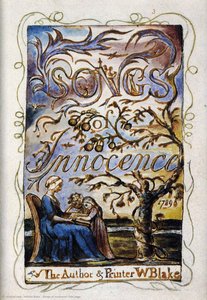
William Blake’s “Elohim erschuf Adam,” completed in 1795, stands as a cornerstone of Romantic art—a testament to the poet’s singular vision and an enduring emblem of spiritual contemplation. Held proudly at the Tate Gallery in London, this watercolour painting transcends mere depiction; it embodies the very essence of Blake’s artistic philosophy.
The Artist and His Style
William Blake (1757-1827) was a pivotal figure within the Romantic movement, prioritizing emotion, imagination, and individual experience above rational observation. Unlike his contemporaries who sought to capture the external world with meticulous detail, Blake relentlessly pursued inner landscapes—the realm of dreams, myth, and prophetic insight. His distinctive style is characterized by bold lines, vibrant colours achieved through layering techniques, and a deliberate rejection of academic conventions.
- Blake’s use of watercolour allowed him to achieve an ethereal quality, capturing the diffused light and atmospheric perspective typical of Romantic landscapes.
- He employed intricate hatching and cross-hatching to convey texture and depth, creating a palpable sense of physicality within his fantastical scenes.
- Blake's meticulous attention to detail—particularly in rendering angelic figures—demonstrates his unwavering commitment to artistic precision.
Key Features and Symbolism
“Elohim erschuf Adam” depicts the biblical narrative of God creating humankind, as recounted in Genesis. Blake’s portrayal is infused with symbolic resonance: The central figure, Adam, lies passively on the lap of another person—often interpreted as Eve—representing vulnerability and receptivity to divine grace. Surrounding him are angels, rendered with luminous colours and graceful poses, symbolizing spiritual guardianship and benevolent influence.
- The boat motif prominently featured in the upper left corner symbolizes salvation and transcendence—a visual allusion to Noah’s Ark and Blake’s belief in divine providence.
- Blake's masterful use of colour contributes significantly to the painting's emotional impact, conveying feelings of serenity, awe, and spiritual yearning.
- The composition itself reflects Blake’s fascination with geometric forms—particularly circles—which he viewed as representing wholeness and unity—a core concept in his theological worldview.
Relevance and Significance
"Elohim erschuf Adam" exemplifies the Romantic preoccupation with spirituality and mythology, reflecting Blake's profound engagement with biblical themes and philosophical ideas. It solidified Blake’s reputation as a visionary artist who challenged conventional artistic norms and championed imaginative exploration. The painting continues to inspire artists and scholars alike, prompting ongoing discussions about its aesthetic qualities and symbolic meanings.
- Blake’s influence extends far beyond the realm of art—his poetic visions have resonated across literature and music, shaping cultural sensibilities for generations.
- Reproductions of “Elohim erschuf Adam” adorn homes and galleries worldwide, serving as reminders of Blake's enduring legacy as a champion of artistic originality and spiritual contemplation.
- Further exploration into Blake’s oeuvre—including his illuminated manuscripts and engravings—offers invaluable insights into the intellectual and aesthetic currents of the Romantic era.
To explore other paintings by William Blake, including “Inferno, Canto VII, 110-127, The Stygian Lake with Angry Sinners Fighting,” visit /art/list/?Filter=7Z4Q6D
For hand-made oil painting reproductions of “Elohim erschuf Adam,” visit /en/art/show/art-7z4q67-en/
The Tate Gallery is one of the world’s leading art museums, with a collection that includes works by William Blake and other notable artists. For more information on the museum and its collections, visit https://en.wikipedia.org/wiki/Tate_Gallery
Pytania i odpowiedzi
Jaki rozmiar reprodukcji jest sugerowany dla „Elohim erschuf Adam” autorstwa William Blake?
Dla dzieła „Elohim erschuf Adam” autorstwa William Blake sugerowana jest reprodukcja w formacie Large. Rozmiar można dostosować, zachowując proporcje.
Jaką nasycenie i intensywność prezentuje „Elohim erschuf Adam” autorstwa William Blake?
Kolor dzieła "Elohim erschuf Adam" charakteryzuje się nasyceniem na poziomie Muted oraz intensywnością wynoszącą Monochromatic.
Jakie miejsce w dorobku twórczym William Blake zajmuje dzieło "Elohim erschuf Adam"?
"Elohim erschuf Adam" dzieli z innymi dziełami William Blake styl właściwy dla Romanticism oraz powracające motywy: blake’s romantic vision, biblical allegory & spirituality, exploring divine creation, symbolic representation of faith, central to blake's prophetic style, influenced by milton & rousseau, reflection of enlightenment ideals.
Biografia artysty
William Blake - A Visionary’s Journey: The Life and Art of William Blake
William Blake, born in London on November 28, 1757, was a figure perpetually out of step with his time, yet destined to become one of the most celebrated artists and poets of the Romantic Age. His life unfolded against the backdrop of a rapidly changing England—a world grappling with industrialization, political upheaval, and shifting spiritual beliefs. From humble beginnings as the son of a hosier, Blake’s early years were marked by an intensely vivid imagination and a propensity for visionary experiences that would profoundly shape his artistic trajectory. Though largely self-taught in formal academics, he received drawing instruction at a young age, quickly revealing a talent that hinted at the extraordinary path ahead. His apprenticeship with engraver James Basire proved pivotal, providing him not only with technical mastery but also an understanding of printmaking techniques he would later revolutionize. These early influences—the Gothic grandeur of Westminster Abbey, the classical forms of Raphael and Michelangelo—served as foundational elements in his developing aesthetic, though Blake was never one to remain bound by convention.Early Life and Artistic Training
Blake’s formative years instilled within him a deep appreciation for both beauty and terror – sensations he would translate into unforgettable imagery throughout his artistic career. Despite lacking formal schooling, he possessed an innate aptitude for drawing, nurtured by encouragement from his father who recognized his son's exceptional talent. This early training honed his observational skills and established a bedrock of classical knowledge that informed his stylistic choices. His apprenticeship with James Basire, London’s leading engraver, was instrumental in developing his printmaking abilities—a craft he would elevate to an art form through his groundbreaking technique of illuminated printing. It wasn't merely copying existing designs; it demanded meticulous attention to detail and a profound understanding of tonal gradation, skills that would prove invaluable as he pursued his artistic vision.Illuminated Printing: A Revolutionary Technique
Blake’s artistic innovation resided fundamentally in *how* he created—a departure from the prevailing methods of engraving prevalent during his era. Dissatisfied with conventional printing processes, he devised a unique method known as “illuminated printing,” which involved etching both text and illustrations onto copper plates before applying hand-colored inks to produce stunning prints. This wasn’t simply illustration accompanying poetry; it was an integrated art form where image and verse were inextricably linked, each enriching the meaning of the other. Blake's meticulous process demanded considerable labor—often taking weeks or months to complete—but it afforded him unparalleled artistic control over color, texture, and overall visual impact. This technique allowed for a level of expressive nuance unattainable through traditional methods, cementing his place as a pioneer in printmaking history. He skillfully combined etching with watercolor washes and gouache pigments, creating images that pulsed with vibrant hues and captivating detail—a stylistic hallmark that distinguishes his work from many of his contemporaries.Major Works and Artistic Style
Blake’s oeuvre encompasses poetry, engravings, watercolors, drawings, and illuminated manuscripts—each reflecting his distinctive worldview and artistic sensibilities. Among his most celebrated works are *Songs of Innocence & Experience* (1794), a dual collection exploring themes of innocence and corruption through allegorical narratives; *The Marriage of Heaven & Hell* (1793), a provocative prose poem challenging societal morality with its embrace of energy, desire, and rebellion; and *Jerusalem*, an ambitious epic poem depicting a utopian vision of Albion—ancient name for Britain—inspired by biblical prophecy. His engravings are equally remarkable for their dramatic compositions, symbolic imagery, and masterful execution. Illustrations for Dante’s *Divine Comedy* exemplify his ability to translate complex literary narratives into powerful visual representations—a feat achieved through meticulous attention to detail and a deliberate rejection of linear perspective in favor of emotive symbolism. Blake's artistic style is characterized by its bold use of color, its incorporation of fantastical elements, and its unwavering commitment to conveying profound spiritual truths. He rejected the conventions of academic art, prioritizing imaginative vision over realistic representation—a stance that aligned him with the burgeoning Romantic movement and cemented his legacy as a visionary artist.Blake’s Enduring Influence
Despite facing considerable obscurity during his lifetime, William Blake's influence on subsequent generations of artists and writers has proven to be profound. The Pre-Raphaelites, captivated by his stylistic innovations and symbolic depth, embraced him as a kindred spirit—drawing inspiration from his use of color, texture, and imaginative storytelling. Later movements—Symbolism and Modernism—found resonance in his exploration of psychological complexity and spiritual yearning—a testament to the enduring power of Blake’s artistic vision. Today, William Blake is recognized as a cornerstone of Romantic art, an artist whose uncompromising pursuit of creative freedom continues to inspire artists worldwide. His work serves as a reminder that true artistry lies not merely in technical skill but in conveying profound emotional truths—a legacy that transcends time and resonates powerfully with audiences across cultures.
William Blake
1757 - 1827 , Wielka Brytania
Najważniejsze informacje
- Artistic Movement Or Style: Romanticizm
- Artists Who Influenced This Artist:
- Rafael
- Michał Anioł
- Date Of Birth: Londyn, Wielka Brytania (1757)
- Date Of Death: Londyn, Wielka Brytania (1827)
- Full Name: William Blake
- Nationality: Brytyjski
- Notable Artworks:
- Pieśni Innocencji i Doświadczenia
- Święcący Smok i Żona Ubierana na Słońce
- Żądza i Jego Rodzina Odzyskuje Dobrobyt
- Place Of Birth: Londyn
Zobacz także powiązane artykuły

Efemeryczne Wizje: Historia i Emocjonalny Rezonans Malarstwa Akwarelowego
Odkryj fascynującą historię malarstwa akwarelowego! Poznaj techniki mistrzów, romantyczny nurt i współczesne trendy. Inspiracje do dekoracji wnętrz oraz możliwość personalizacji obrazów na OriginalUniqueArt.com.

William Blake: Romantic Visionary & Mystical Genius of the Imagination
Explore the mystical art & poetic genius of William Blake (1757-1827). Discover his revolutionary illuminated printing, rich symbolism, and lasting influence on Romanticism. Find handmade reproductions at OriginalUniqueArt.

10 Legendarnych Akwareli, Które Zmieniły Sztukę. Inspiracje do Dekoracji Domu.
Odkryj 10 legendarnych akwareli Turner'a, Monet'a i innych mistrzów! Poznaj historie, techniki i inspiracje tych ponadczasowych dzieł. Reprodukcje obrazów najwyższej jakości na OriginalUniqueArt.com – idealne do dekoracji wnętrz.

Akwarela: Historia, Techniki i Współczesna Praktyka – Sztuka Wodnych Barw
Poznaj historię i techniki akwareli! Poradnik dla początkujących i inspiracje dla artystów. Dowiedz się więcej o materiałach, współczesnych trendach i jak zacząć malować akwarelami.

Efemeryczne Wizje: Historia i Współczesna Praktyka Malarstwa Akwarelowego
Poznaj historię i techniki malarstwa akwarelowego! Odkryj inspiracje mistrzów, współczesne trendy oraz praktyczne porady dotyczące materiałów. Rozwiń swoją pasję z naszym przewodnikiem.