

 Zobacz w skali 1:1
 Wyślij
 Udostępnij
 Szczegóły

 Pobierz plik obrazu
 Podobne obiekty
 RTG
RTG Pokaz slajdów
 Statystyki
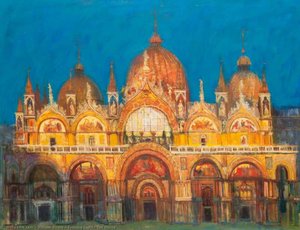
River Bank
 60.0 x 93.0 cm
 Czytaj więcej
Kup wysokiej rozdzielczości, ulepszony obraz cyfrowy o jakości znacznie przewyższającej podgląd online.
Każdy plik jest starannie przygotowywany przez naszych specjalistów przy użyciu zaawansowanych narzędzi oraz profesjonalnej, ręcznej retuszy. Dbamy o to, aby każdy obraz cechował się wyjątkową ostrością, precyzyjnym odwzorowaniem kolorów i subtelnymi detalami.
Ostateczny plik dostarczany jest drogą mailową w ciągu 72 godzin, zoptymalizowany do natychmiastowego wykorzystania w profesjonalnych zastosowaniach redakcyjnych i poligraficznych. To ta sama jakość, której ufają czołowe studia projektowe, wydawnictwa oraz galerie sztuki.
Obraz cyfrowy
Pobierz plik o wysokiej rozdzielczości do osobistego użytku, druku oraz projektów kreatywnych. ( Przełącz na wersję drukowaną Kup ręcznie malowany obraz)
W każdym zamówieniu na obraz cyfrowy znajduje się
Profesjonalna dostawa cyfrowa z gwarancją
Wybierając OriginalUniqueArt.com, nie otrzymujesz jedynie obrazu – otrzymujesz profesjonalnie udoskonalone cyfrowe dzieło sztuki, stworzone z najwyższą precyzją i objęte gwarancją satysfakcji. Oto wszystko, co automatycznie dołączane jest do Twojego zamówienia:

Błyskawiczna dostawa e-mailowa
Plik z obrazem cyfrowym w wysokiej rozdzielczości zostanie przesłany na Twój adres e-mail w ciągu 72 godzin od złożenia zamówienia – gotowy do natychmiastowego użycia.

Plik cyfrowy ulepszony przez AI
Twoja grafika została profesjonalnie zoptymalizowana przy użyciu zaawansowanych narzędzi AI oraz ręcznej edycji, co zapewnia maksymalną szczegółowość, klarowność i wierność kolorów.

Bezpłatna dożywotnia ponowna dostawa
Przypadkowo usunąłeś lub zgubiłeś swój plik? Bez obaw – prześlemy go Tobie ponownie w dowolnym momencie, bez żadnych opłat.

Bez opłat importowych – zawsze
Ciesz się swoją sztuką natychmiast, bez żadnych opłat celnych, należności ani kosztów dostawy – pliki cyfrowe są zawsze wolne od podatku.

Gwarancja odwzorowania kolorów
Dzięki zastosowaniu profesjonalnych narzędzi i procesów zarządzania barwą zapewniamy, że Twoje cyfrowe zdjęcie odzwierciedla oryginalne kolory tak wiernie, jak to tylko możliwe.

100 dni na satysfakcję
Jeśli nie będziesz zadowolony ze swojego cyfrowego obrazu, poprawimy go lub zwrócimy 100% kosztów w ciągu 100 dni – bez zbędnych pytań.

100% Gwarancja zwrotu pieniędzy
Nie jesteś zadowolony? Otrzymaj pełny zwrot kosztów w ciągu 100 dni od otrzymania pliku cyfrowego – bez zbędnych pytań.

Rabaty przy zamówieniach hurtowych
Kup 3 obrazy, oszczędź 10% - Kup 5, oszczędź 15% - Kup 10+, oszczędź 20%. Idealne do projektów kreatywnych, galerii i agencji.
Biografia artysty
William Birnie: A Scottish Vision of Landscape and Light
William Birnie (1929-2006) wasn’t a name immediately recognized in the grand halls of 19th-century art, yet his canvases hold a quiet power—a deeply felt connection to the rugged beauty of Scotland. Born in Bathgate, West Lothian, Birnie's artistic journey was shaped by a unique confluence of influences: a rigorous formal education, a profound love for the landscape, and a deliberate rejection of prevailing trends in favor of a personal, intensely observed style. His work isn’t about grand pronouncements or dramatic gestures; it’s an invitation to slow down, to breathe in the atmosphere of a Highland glen or the muted hues of a winter’s day.
Birnie's early artistic training was rooted in Glasgow School of Art, where he studied under luminaries like William and Mary Armour, David Donaldson, and Geoffrey Squire. This environment fostered experimentation with various techniques – watercolour, oil, and pastel – but it was his time at Hospitalfield House in Arbroath that proved pivotal. This residency provided him with the space and freedom to develop a distinctive approach, prioritizing observation and capturing subtle shifts in light and color. He wasn’t interested in replicating reality; instead, he sought to distill the essence of a place, imbuing his paintings with a sense of mood and atmosphere.
The Kilbarchan Winter Series: A Masterclass in Atmospheric Painting
Birnie's most celebrated work undoubtedly lies within his series of paintings depicting the winter landscape around Kilbarchan, near Glasgow. These works, produced primarily between 1960 and 1980, represent a culmination of his artistic explorations. The subjects – often bleak, snow-covered fields, skeletal trees, and the muted tones of a Highland sky – might seem austere at first glance, but they are imbued with an extraordinary sense of warmth and tranquility. He achieved this through a masterful manipulation of light and color, employing delicate washes of paint to create a shimmering effect that seems to capture the very breath of winter.
What distinguishes Birnie’s approach is his deliberate avoidance of sharp contrasts or dramatic compositions. Instead, he favored subtle gradations of tone, layering thin glazes of paint to build up depth and atmosphere. His brushwork is almost invisible—a testament to his meticulous observation and control. The paintings aren't merely representations of a scene; they are evocations of feeling – the stillness, the solitude, the quiet beauty of a landscape stripped bare by winter’s embrace.
Influences and Artistic Development
While Birnie’s style is undeniably unique, it’s clear that he was influenced by several key artistic movements. The Impressionists, with their focus on capturing fleeting moments of light and color, undoubtedly played a role in shaping his approach. He also drew inspiration from the Scottish Colourists – J.M. Whistler, Joseph Thomson, and Peter McGregor Rae – who sought to paint directly from nature, rejecting academic conventions. However, Birnie’s work transcends mere imitation; he developed a distinct voice that is both deeply rooted in tradition and refreshingly original.
His early training at Glasgow School of Art exposed him to the ideas of Cubism, but he quickly moved beyond these influences, embracing a more traditional approach to landscape painting. He was particularly drawn to the work of Constable and Turner, artists who were masters of capturing atmospheric effects and conveying the beauty of the natural world. Birnie’s paintings share this same sense of reverence for nature, as well as a similar ability to evoke a powerful emotional response in the viewer.
Legacy and Recognition
Despite not achieving widespread fame during his lifetime, William Birnie's work has gained increasing recognition in recent decades. His paintings are now held in major collections across Scotland and beyond, and they continue to be exhibited at galleries and museums throughout the country. His influence can also be seen in the work of contemporary landscape artists who share his commitment to observation, atmosphere, and a deep connection to the natural world.
Birnie’s legacy lies not just in his stunning paintings but also in his quiet dedication to his craft and his unwavering belief in the power of art to capture the beauty and wonder of the Scottish landscape. He reminds us that true artistry is often found not in grand gestures, but in the subtle details—the way light falls on a snow-covered field, the rustle of leaves in the wind, the quiet stillness of a winter’s day.
william birnie
1929 - 2006
Najważniejsze informacje
- Artistic Movement Or Style: Sculpture, Royal Scottish Academy
- Artists Or Movements Influenced By This Artist: ['Scottish Sculpture']
- Artists Who Influenced This Artist: ['John Rhind (father)']
- Date Of Birth: February 27, 1853
- Date Of Death: July 9, 1933
- Full Name: William Birnie Rhind
- Nationality: British
- Notable Artworks:
- War memorials (Edinburgh)
- Fettes College memorial
- Place Of Birth: Edinburgh, Scotland