

 Zobacz w skali 1:1
 Wyślij
 Udostępnij
 Szczegóły
 Guide
Guide

 Pobierz plik obrazu
 Podobne obiekty
 RTG
RTG Pokaz slajdów
 Statystyki
Figures in possum skin cloaks
 Drawing
- WallArt
 1898
1898- 19th Century
 57.0 x 88.0 cm
 National Gallery of Victoria
 Czytaj więcej
Giclée / Wydruk artystyczny
Wydruki giclée lub płótna o jakości muzealnej, szybka realizacja i szeroki wybór opcji wykończenia. ( Kup ręcznie malowany obraz Przełącz na wersję cyfrową)




P118B $10

P118H $10

P118W $10

P438Z $10

P508JH $12

P508YH $12

P805H $10

P805Z $10

P919BZ $10

P919G $10

P919XJ $10

P959ZH $10

P968JZ $12

W106C $8

W218G $10

W218JH $8

W218Y $10

W307PJ $10

W316G $10

W316PJ $8

W316Y $10

W398PJ $8

W4111J $10

W500HY $15

W500JH $15

W692G $12

W849H $8

W940BG $15

W953PJ $8




Wybierz spośród naszych standardowych rozmiarów, które zachowują oryginalne proporcje dzieła sztuki.

Możesz wprowadzić własne wymiary, aby dopasować dzieło do konkretnej ramy lub przestrzeni. Jeśli wybrany rozmiar nie będzie odpowiadał proporcjom oryginalnego obrazu, przytniecie dzieło lub rozszerzymy obraz za pomocą odbicia lustrzanego lub jednolitego wypełnienia krawędzi. Przed rozpoczęciem produkcji prześlemy cyfrową wizualizację do Twojej akceptacji.
Prosimy pamiętać, że podgląd na ekranie nie odzwierciedla faktycznego przycinania ani rozszerzania. Tylko wizualizacja dokładnie pokaże końcową kompozycję.
Mimo dostępności niestandardowych rozmiarów, zalecamy wybór wymiaru z listy zdefiniowanej, aby zachować oryginalne proporcje.
Dostawa na cały świat () w ciągu 2 tygodni zamiast standardowych 4/5 tygodni. (21 Wrzesień)

Bezpłatna ekspresowa wysyłka na cały świat

Wysokiej jakości płótno lniane

Pełne ubezpieczenie transportowe

Gwarancja zwrotu należności celnych i podatków importowych

Gwarancja idealnego odwzorowania barw

100-dniowy okres na zwrot dzieła w przypadku wykrycia wad produkcyjnych

Gwarancja 100% zwrotu pieniędzy

Oferta przy zakupie wielu sztuk
 Opcja ze szkłem jest dostępna wyłącznie w rozmiarach poniżej 110 cm

Figures in possum skin cloaks
Giclée / Wydruk artystyczny
Rozmiar reprodukcji
-


Suma do zapłaty
$ 80
A Silent Gathering: The Soul of Wurundjeri Heritage
In the quiet, evocative lines of William Barak’s Figures in possum skin cloaks, we are invited into a profound moment of cultural continuity and communal strength. Created in 1898, this poignant work serves as far more than just a visual record; it is a window into the heart of the Wurundjeri-willam clan during a period of immense colonial transition. The painting captures a group of at least thirteen individuals, standing with a dignified presence that commands the viewer's respect. Each figure, draped in the textured, protective layers of possum skin cloaks, exists within a shared space of unity and tradition. There is a rhythmic quality to their arrangement, where some figures huddle in intimate proximity while others stand slightly apart, creating a naturalistic composition that feels both spontaneous and deeply intentional.
The technique employed by Barak is a masterclass in the power of simplicity and observational precision. Eschewing the heavy textures of oil or acrylic, this work utilizes the delicate, sure-handed approach of drawing to convey depth and character. The artist’s ability to render the weight and drape of the possum skins through subtle linework allows the viewer to almost feel the warmth and texture of the garments. This minimalist style does not strip the subject of its complexity; rather, it strips away the unnecessary, leaving behind a raw, honest depiction of life. For the discerning collector or interior designer, this piece offers a sophisticated aesthetic that relies on tonal nuance and structural elegance rather than overwhelming color, making it a versatile centerpiece for spaces that value historical depth and understated luxury.
The Legacy of a Storyteller
Beyond its formal qualities, the artwork carries an immense emotional and symbolic weight. As the last traditional Ngurungaeta (elder) of his clan, Barak used his art as a vital tool for storytelling and social justice, documenting ceremonies and daily life that were under threat from colonization. The possum-skin cloaks themselves are symbols of profound importance; made from numerous pelts sewn together with kangaroo sinew, these garments were much more than mere clothing. They were precious heirlooms, often decorated with clan insignias, passed down through generations to provide warmth and identity. In Barak's hands, the depiction of these cloaks becomes a testament to the resilience of the Wurundjeri people.
To possess a reproduction of this work is to hold a fragment of Australian history. It is an invitation to contemplate the intersection of art and activism, where every stroke of charcoal or pencil serves as an act of preservation. For those looking to curate a collection that speaks to the human spirit and the enduring nature of heritage, Figures in possum skin cloaks offers an unparalleled opportunity to bring a sense of historical gravity and soulful tranquility into a modern environment.
Biografia artysty
early life and background
william barak, also known as beruk, was a prominent aboriginal artist from australia, born in 1823 in melbourne. he was the last traditional ngurungaeta (elder) of the wurundjeri-willam clan, the pre-colonial inhabitants of present-day melbourne.artistic contributions
barak's artistic contributions are significant, as he painted and drew wurundjeri ceremonies, carved weapons and tools, and became an influential spokesman for aboriginal social justice. his later life work is now considered a crucial part of the nineteenth-century aboriginal art movement.notable artworks
- charcoal drawings: barak's charcoal drawings are a testament to his storytelling abilities, showcasing wurundjeri ceremonies and daily life.
- wurundjeri ceremonial paintings: these paintings provide valuable insights into the cultural practices of the wurundjeri-willam clan.
museums and collections
barak's work can be found in various australian museums, including:- national gallery of australia (canberra, australia)
- art gallery of new south wales (sydney, australia)
legacy and influence
barak's legacy extends beyond his art, as he played a crucial role in preserving wurundjeri cultural lore. his influence can be seen in the works of other aboriginal artists who continue to tell their stories through various art forms.explore more at OriginalUniqueArt
for more information on william barak and his artworks, visit william barak's page on OriginalUniqueArt. discover the world of aboriginal art and explore the museum's collection, featuring artists like clifton ernest pugh ao and gareth sansom, at all artists by categories.- view barak's charcoal drawings and wurundjeri ceremonial paintings on his page.
- read about the mcclelland gallery and sculpture park (australia), a renowned australian sculpture park and gallery, at this link.
- explore the the ian potter museum of art, australia, a renowned art museum located in parkville, victoria, at this link.

william barak
1823 - 1903 , Australia
Najważniejsze informacje
- Artistic Movement Or Style: Nineteenth-century Aboriginal art
- Artists Or Movements Influenced By This Artist: ['Possum Skin Cloaks']
- Artists Who Influenced This Artist:
- Graham Berry
- Alfred Howitt
- Date Of Birth: September 1823
- Date Of Death: August 15, 1903
- Full Name: William Barak (Beruk)
- Nationality: Australian
- Notable Artworks:
- Ceremony
- Figures in possum skin cloaks
- Place Of Birth: Melbourne, Australia
Zobacz także powiązane artykuły

10 Iconic Charcoal Masterpieces That Redefined Art History
Journey through history with 10 iconic charcoal masterpieces that redefined fine art. Explore the dramatic techniques and stories behind these timeless monochrome legends. Find museum-quality reproductions for your decor. Discover all masterpieces on OriginalUniqueArt.com.

10 Iconic Charcoal Masterpieces That Redefined Art History
Journey through history with 10 legendary charcoal masterpieces that redefined art. Explore the raw emotion, technique, and stories behind these iconic monochrome works. Find museum-quality reproductions and decor inspiration at OriginalUniqueArt.com. Discover all masterpieces on OriginalUniqueArt.com
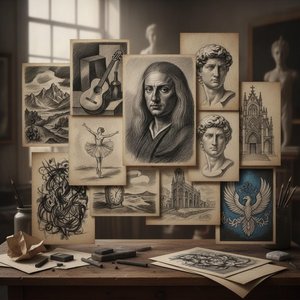
10 Iconic Charcoal Masterpieces That Redefined Art History
Journey through history with 10 iconic charcoal masterpieces that redefined art. Explore the dramatic techniques and stories behind these monochrome legends. Find museum-quality reproductions and curated decor inspiration at OriginalUniqueArt.com. Discover all masterpieces on OriginalUniqueArt.com

The Magic of Charcoal: An Expert Guide to Mastering Light, Shadow, and Chiaroscuro
Unlock the secrets of charcoal drawing with our expert guide. Learn to master chiaroscuro, explore essential tools like vine and compressed charcoal, and discover professional techniques for capturing breathtaking light and shadow in your monochrome masterpieces.
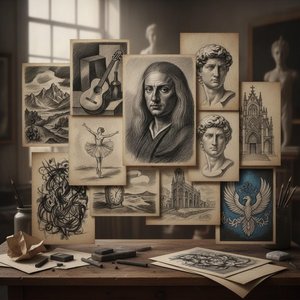
10 Iconic Charcoal Masterpieces That Redefined Art History
Journey through history with 10 iconic charcoal masterpieces that redefined art. Explore the dramatic shadows and timeless techniques of legendary masters. Find museum-quality reproductions and curated decor inspiration for your space. Discover all masterpieces on OriginalUniqueArt.com.