Untitled (863) (William H. Bailey)
William H. Bailey (1930–2020) stworzył Untitled (863).

 Podgląd w skali 1:1

 Ręcznie malowany obraz olejny
 Wyślij jako kartkę
 Udostępnij
 Karta informacyjna


 Pobierz obraz
 Podobne obiekty
 RTG
 Pokaz slajdów
 Pytania i odpowiedzi

 Statystyki
Untitled (863) w skrócie
- Tytuł
- Untitled (863)
- Artysta
- William H. Bailey (1930–2020)
- Miejsce urodzenia artysty
- Council Bluffs, United States
Zdjęcia w wysokiej rozdzielczości dzieła Untitled (863)
Protected by copyright: these files are for personal reference, not a licence to republish.
William H. Bailey, Untitled (863).
Odpowiedzi na pytania dotyczące Untitled (863)
Czy dzieło "Untitled (863)" znajduje się w domenie publicznej?
Jeśli chodzi o prawa autorskie, "Untitled (863)" znajduje się w nadal objęte ochroną prawa autorskiego.
Kto jest autorem dzieła "Untitled (863)"?
Autorem dzieła „Untitled (863)” jest William H. Bailey. Praca ta figuruje w katalogu pod nazwiskiem William H. Bailey.
Czy dzieło „Untitled (863)” autorstwa William H. Bailey znajduje się w domenie publicznej i dlaczego?
„Untitled (863)” – William H. Bailey jest nadal objęte ochroną prawa autorskiego. Okres ochrony praw autorskich liczony jest od śmierci artysty, która nastąpiła w 2020.
O artyście: William H. Bailey
1930–2020, United States
William H. Bailey
A Pioneer of Color Field Abstraction: The Life and Art of William Bailey William Bailey (1930-2020) emerged as a significant, yet often understated, figure in the American art landscape of the mid-20th century. Born in the United States, Bailey dedicated his life to exploring the expressive potential of color and form, becoming a key contributor to the Color Field movement—a branch of abstract expressionism that prioritized large areas of flat, solid color spread across the canvas as a means of evoking emotional responses. While not seeking overt representation, Bailey’s work resonated with a profound sense of serenity and contemplative beauty, distinguishing him from some of his more gestural contemporaries. His journey wasn't marked by flamboyant public displays or aggressive self-promotion; instead, it was one of quiet dedication to the nuances of painting, resulting in a body of work that rewards sustained viewing and invites deep reflection.
Inne prace William H. Bailey
 Piano Scuro2003
Eseje o Untitled (863)
 Mastering Emotion: The Top 25 Mark Rothko Artworks to KnowExplore 25 iconic Mark Rothko masterpieces and the soul of Color Field painting. Discover the full collection on OriginalUniqueArt.com.
 Visionary Masterpieces: The Top 25 Artworks by William BlakeStep into the visionary world of William Blake. Explore 25 iconic Romantic masterpieces, from mystical engravings to illuminated prints. Fi…
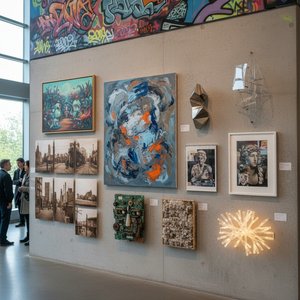 Defining Art Now: Top 10 Masterpieces of '08-Contemporary & Beyond | OriginalUniqueArtExplore 10 defining masterpieces of contemporary art – from Jeff Koons to Yayoi Kusama. Discover the stories behind iconic paintings & scul…