

 Podgląd w skali
 Wyślij jako kartkę
 Udostępnij
 Szczegóły dzieła

 Pobierz
 Podobne obiekty
 RTG
RTG Pokaz slajdów
 Statystyki
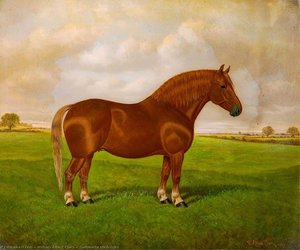
Sudbourne Moonlight
 1919
1919 50.0 x 60.0 cm
 Suffolk Punch Heavy Horse Museum
 Rozwiń treść
Ręcznie malowana reprodukcja olejowa
Ręcznie malowany obraz olejny na płótnie, wykonany na zamówienie przez naszych artystów w wybranym przez Ciebie wymiarze i oprawie. ( Przełącz na wydruki Przełącz na obraz cyfrowy)




































Wybierz spośród naszych standardowych rozmiarów, które zachowują oryginalne proporcje dzieła sztuki.

Możesz wprowadzić własne wymiary, aby dopasować obraz do konkretnej ramy lub przestrzeni. Jeśli wybrany rozmiar nie będzie odpowiadał proporcjom oryginału, przytniecie dzieło sztuki lub rozszerzymy je o dodatkowe elementy, ręcznie domalowane przez artystę. Przed rozpoczęciem produkcji wyślemy projekt cyfrowy do Twojej akceptacji.
Należy pamiętać, że podgląd na ekranie nie odzwierciedla rzeczywistego przycinania ani rozszerzania obrazu. Tylko projekt dokładnie pokaże ostateczną kompozycję.
Choć oferujemy możliwość zamówienia niestandardowych rozmiarów, zalecamy wybór wymiaru z gotowej listy, aby zachować oryginalne proporcje dzieła.
Po złożeniu zamówienia zespół OriginalUniqueArt.com skontaktuje się z klientem drogą mailową w celu uzyskania instrukcji i prześle wizualizację projektu
Dostawa na całym świecie () w ciągu 3–4 tygodni zamiast standardowych 5 tygodni. (10 Wrzesień). Bez kompromisów w kwestii jakości.

Bezpłatna ekspresowa wysyłka na cały świat

Wysokiej jakości płótno lniane

Pełne ubezpieczenie przesyłki

Gwarancja zwrotu należności celnych i podatków importowych

Gwarancja wiernego odwzorowania kolorów

100-dniowa polityka zwrotów (tylko w przypadku wad)

Gwarancja 100% zwrotu kosztów

Zniżka przy zamówieniu wielu produktów
 Opcja ze szkłem jest dostępna wyłącznie w rozmiarach poniżej 110 cm

Sudbourne Moonlight
Technika reprodukcji
Wymiary reprodukcji
-


Cena całkowita
$ 300
O artyście
A Legacy of Animal Portraiture: The Life and Art of William Albert Clark
In the annals of British animal painting, few names evoke the quiet dignity of the pastoral landscape quite like William Albert Clark. Born on January 3, 1880, in Islington, England, Clark was not merely an artist but a custodian of a profound familial tradition. He entered a world already steeped in the art of zoological portraiture, being the son of the esteemed animal painter Albert Clark and the grandson of the celebrated master of equine subjects. While his birth certificate recorded him as Albert William, he likely adopted the name William Albert to carve out a distinct identity from his father’s formidable shadow. This lineage, however, served as his greatest strength, providing him with an innate understanding of anatomy, temperament, and the subtle nuances of livestock that would define his lifelong devotion to the genre.
The essence of Clark’s work lies in its seamless marriage of meticulous realism and a soft, atmospheric charm reminiscent of the Victorian era. His early years were spent immersed in the study of movement and form, guided by the watchful eye of his father, James Clark. This upbringing instilled in him a deep reverence for the subjects he portrayed—not merely as specimens of livestock, but as living, breathing protagonists within their environments. As his style matured, Clark became a master of luminism, utilizing thin glazes of oil paint to capture the way light dances across a Highland cow’s coat or settles upon the muscular flank of a prize-winning bull. His canvases often breathe with a palpable sense of tranquility, where the subject and the landscape exist in a state of perfect, pastoral harmony.
Technique and the Art of the Pastoral
To observe a Clark original is to witness a masterclass in texture and tonal gradation. He possessed a rare ability to render the ruggedness of a Shorthorn bull or the soft, weathered hair of a Highland cow with such precision that the viewer can almost feel the tactile reality of the subject. His technique involved a sophisticated layering process, building depth through light that seems to emanate from within the canvas itself. This approach allowed him to move beyond simple documentation, imbuing his portraits with an evocative mood that transcends the mere depiction of animals.
His thematic range, while centered on the animal kingdom, frequently expanded into the broader narrative of British agricultural life. Through his brush, we see:
- Equine Grandeur: Carrying forward the family tradition of capturing horses, jockeys, and the rhythmic energy of carriages.
- Livestock Portraits: Detailed studies of celebrated breeds, such as the Lincoln Red Cow or the prize-winning Pretender, which served as both art and a tribute to agricultural excellence.
- Atmospheric Landscapes: The use of soft light and misty horizons to create a sense of timelessness and peace.
Historical Significance and Enduring Charm
Throughout his career, which spanned the late Victorian era into the mid-20th century, Clark’s reputation grew alongside his body of work. He became a sought-after artist for prominent landowners and breeders, individuals who recognized in his paintings a true reflection of their heritage and pride. His ability to capture the "soul" of an animal made his works highly collectible, as they offered more than just aesthetic beauty; they offered a connection to the land and the enduring traditions of the British countryside.
Though the world transitioned through periods of immense industrial and social change, Clark’s art remained a steadfast anchor to a more serene, pastoral past. He passed away in 1963, leaving behind a substantial legacy that continues to resonate with collectors of wildlife and classical realism. Today, his works stand as vital historical documents of an era when the bond between man, animal, and nature was captured with unparalleled grace and devotion. His paintings remain much more than mere portraits; they are windows into a lost world of quiet majesty and agricultural splendor.
william albert clark
1880 - 1963
Krótka nota
- Artistic Movement Or Style: Victorian Art
- Artists Or Movements Influenced By This Artist: ['Naive Animal Painting']
- Artists Who Influenced This Artist: ['James Clark']
- Date Of Death: 1963
- Full Name: William Albert Clark
- Nationality: British
- Notable Artworks:
- The Runaway Horse
- Breaking Loose
- Prize Jersey Cow
- Hawsker Rosina
- Place Of Birth: England