

 Zobacz w skali 1:1
 Wyślij
 Udostępnij
 Szczegóły
 Przewodnik

 Pobierz plik obrazu
 Podobne obiekty
 RTG
RTG Pokaz slajdów
 Statystyki
Cabin Scene 3

 Czytaj więcej
Giclée / Wydruk artystyczny
Wydruki giclée lub płótna o jakości muzealnej, szybka realizacja i szeroki wybór opcji wykończenia. ( Kup ręcznie malowany obraz Przełącz na wersję cyfrową)




P118B zł10

P118H zł10

P118W zł10

P438Z zł10

P508JH zł12

P508YH zł12

P805H zł10

P805Z zł10

P919BZ zł10

P919G zł10

P919XJ zł10

P959ZH zł10

P968JZ zł12

W106C zł8

W218G zł10

W218JH zł8

W218Y zł10

W307PJ zł10

W316G zł10

W316PJ zł8

W316Y zł10

W398PJ zł8

W4111J zł10

W500HY zł15

W500JH zł15

W692G zł12

W849H zł8

W940BG zł15

W953PJ zł8




Wybierz spośród naszych standardowych rozmiarów, które zachowują oryginalne proporcje dzieła sztuki.

Wpisz wymaganą szerokość i wysokość, aby dopasować grafikę do ramy lub ściany. Wydruk można jedynie przyciąć, nigdy nie powiększając go poza oryginalny obraz, dlatego format o innym proporcji spowoduje utratę części kompozycji. Przed rozpoczęciem druku prześlemy Ci cyfrowy podgląd do zatwierdzenia. Obraz wyświetlany na tej stronie nie pokazuje rzeczywistego przycięcia — jedynie podgląd oddaje ten efekt.
Dostawa na cały świat () w ciągu 2 tygodni zamiast standardowych 4/5 tygodni. (22 Październik)

Bezpłatna ekspresowa wysyłka na cały świat

Wysokiej jakości płótno lniane

Pełne ubezpieczenie transportowe

Gwarancja zwrotu należności celnych i podatków importowych

Gwarancja idealnego odwzorowania barw

100-dniowy okres na zwrot dzieła w przypadku wykrycia wad produkcyjnych

Gwarancja 100% zwrotu pieniędzy

Oferta przy zakupie wielu sztuk
 Opcja ze szkłem jest dostępna wyłącznie w rozmiarach poniżej 110 cm

Cabin Scene 3
Giclée / Wydruk artystyczny
Rozmiar reprodukcji
-


Suma do zapłaty
zł 307
Biografia artysty
William Aiken Walker: A Life in Paint
William Aiken Walker (March 11, 1839 – January 3, 1921) was an American artist renowned for his genre paintings, particularly those capturing the lives of African Americans in the post-Reconstruction South. His work offers a poignant glimpse into a pivotal period of American history.
Early Life and Influences
Born in Charleston, South Carolina, to an Irish Protestant father and a mother with deep roots in South Carolina society, Walker’s early life was marked by relocation following his father's death in 1842. The family moved to Baltimore, Maryland, before returning to Charleston in 1848. This exposure to different environments likely shaped his artistic perspective.
Artistic Development and Career
Walker’s artistic journey began with formal training, though details remain scarce. He is primarily self-taught. During the American Civil War, he enlisted in the Confederate Army, serving under General Wade Hampton. Wounded at the Battle of Seven Pines in 1862, his subsequent assignment to picket duty unexpectedly provided him with time to paint.
He became celebrated for his depictions of everyday life, focusing particularly on the experiences of Black sharecroppers and laborers. His paintings are characterized by a realistic style and an empathetic portrayal of his subjects. Two of his most recognized works – depicting scenes from rural Southern life – were reproduced as chromolithographs by Currier and Ives, significantly expanding their reach.
Notable Works
- Bombardment of Fort Sumter, Charleston Harbor, Charleston, South Carolina, 1863: A powerful depiction of a key event initiating the Civil War. Walker meticulously rendered the scene with dramatic lighting and compositional precision, conveying the tension and urgency of the moment.
- St. Finebar's Church, Broad Street, Charleston: Showcasing Walker’s skill in architectural painting and capturing the essence of Charleston’s cityscape. He skillfully depicted the interior space of St. Finebar’s Church with remarkable accuracy, highlighting its ornate decorations and creating a sense of grandeur.
- Cotton Gin, Adams County, Mississippi: A representative example of his genre scenes focusing on agricultural labor. Walker's portrayal of cotton gin workers is notable for its sensitivity to the hardships endured by these laborers, reflecting a humanist concern for social justice.
- Cabin Scene 1: Illustrating the living conditions of Black sharecroppers with striking realism. This painting exemplifies Walker’s commitment to portraying the everyday realities of African American life in the South, capturing details that convey both dignity and vulnerability.
Themes and Style
Walker’s work is distinguished by its focus on genre painting, a style that depicts scenes from everyday life. He masterfully captured the dignity and resilience of his subjects, offering a nuanced perspective on post-Reconstruction Southern society. His paintings often portray the hardships faced by African Americans while also highlighting their strength and community spirit.
Historical Significance & Legacy
Walker’s art provides valuable historical documentation of a complex period in American history. He offers insights into the social, economic, and racial dynamics of the post-Civil War South that are often absent from more formal historical accounts. His paintings serve as visual testimonies to the lives of those who lived through this era.
He continued painting until his death on January 3, 1921, in Charleston, where he is buried in the family plot at Magnolia Cemetery. Today, his work can be found in museums such as the Gibbes Museum of Art in Charleston, South Carolina, ensuring that his legacy continues to inspire and inform future generations.
Influences
While specific artistic influences are not extensively documented, Walker’s realism suggests an awareness of contemporary American genre painters. His focus on social commentary aligns with a broader trend in 19th-century art towards addressing issues of class and inequality.

William Aiken Walker
1839 - 1921 , Stany Zjednoczone Ameryki
Najważniejsze informacje
- Artistic Movement Or Style: Genre painting
- Date Of Birth: March 11, 1839
- Date Of Death: January 3, 1921
- Full Name: William Aiken Walker
- Nationality: American
- Notable Artworks:
- Bombardment of Fort Sumter
- St. Finebar's Church, Broad Street, Charleston
- Cotton Gin, Adams County, Mississippi
- Place Of Birth: Charleston, United States
Zobacz także powiązane artykuły

Trwała Spuścizna Malarstwa Olejnego: Technika, Historia i Współczesna Praktyka
Poznaj historię i techniki malarstwa olejnego. Poradniki dla artystów, informacje o konserwacji oraz możliwość zamówienia wysokiej jakości reprodukcji obrazów. Ekspercka wiedza i gwarancja trwałości dzieł sztuki.

Olej na płótnie: Historia, techniki i ponadczasowy urok malarskiego medium
Poznaj historię i techniki malarstwa olejowego! Od renesansowych mistrzów po współczesne zastosowania – wszystko o oleju na płótnie. Poradniki, konserwacja i inspiracje dla pasjonatów sztuki.
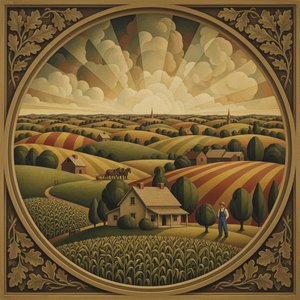
Grant Wood & American Regionalism: Identity, Myth & the Rural Landscape
Explore the world of Grant Wood & American Regionalism with OriginalUniqueArt. Discover the symbolism behind 'American Gothic', recurring themes, and the movement's lasting impact on art history. High-quality reproductions available.

10 arcydzieł malarstwa olejnego, które na zawsze zmieniły sztukę | OriginalUniqueArt.com
Poznaj 10 arcydzieł malarstwa olejowego, które zrewolucjonizowały świat sztuki! Van Gogh, Monet, Picasso i inni – odkryj historie, techniki i emocje w słynnych obrazach. Reprodukcje najwyższej jakości na OriginalUniqueArt.com. Eksploruj kolekcję online!

Trwała Spuścizna Malarstwa Olejnego: Technika, Historia i Estetyczny Wpływ
Poznaj historię i technikę malarstwa olejnego! Eksperckie artykuły o konserwacji, renowacji oraz współczesnych zastosowaniach. Dowiedz się więcej o mistrzach i trwałości obrazów olejnych.