

 Zobacz w skali 1:1
 Wyślij
 Udostępnij
 Szczegóły
 Przewodnik

 Pobierz plik obrazu
 Podobne obiekty
 RTG
RTG Pokaz slajdów
 Statystyki
The Nymphaeum


 Czytaj więcej
Giclée / Wydruk artystyczny
Wydruki giclée lub płótna o jakości muzealnej, szybka realizacja i szeroki wybór opcji wykończenia. ( Kup ręcznie malowany obraz Przełącz na wersję cyfrową)




P118B zł10

P118H zł10

P118W zł10

P438Z zł10

P508JH zł12

P508YH zł12

P805H zł10

P805Z zł10

P919BZ zł10

P919G zł10

P919XJ zł10

P959ZH zł10

P968JZ zł12

W106C zł8

W218G zł10

W218JH zł8

W218Y zł10

W307PJ zł10

W316G zł10

W316PJ zł8

W316Y zł10

W398PJ zł8

W4111J zł10

W500HY zł15

W500JH zł15

W692G zł12

W849H zł8

W940BG zł15

W953PJ zł8




Wybierz spośród naszych standardowych rozmiarów, które zachowują oryginalne proporcje dzieła sztuki.

Wpisz wymaganą szerokość i wysokość, aby dopasować grafikę do ramy lub ściany. Wydruk można jedynie przyciąć, nigdy nie powiększając go poza oryginalny obraz, dlatego format o innym proporcji spowoduje utratę części kompozycji. Przed rozpoczęciem druku prześlemy Ci cyfrowy podgląd do zatwierdzenia. Obraz wyświetlany na tej stronie nie pokazuje rzeczywistego przycięcia — jedynie podgląd oddaje ten efekt.
Dostawa na cały świat () w ciągu 2 tygodni zamiast standardowych 4/5 tygodni. (22 Październik)

Bezpłatna ekspresowa wysyłka na cały świat

Wysokiej jakości płótno lniane

Pełne ubezpieczenie transportowe

Gwarancja zwrotu należności celnych i podatków importowych

Gwarancja idealnego odwzorowania barw

100-dniowy okres na zwrot dzieła w przypadku wykrycia wad produkcyjnych

Gwarancja 100% zwrotu pieniędzy

Oferta przy zakupie wielu sztuk
 Opcja ze szkłem jest dostępna wyłącznie w rozmiarach poniżej 110 cm

The Nymphaeum
Giclée / Wydruk artystyczny
Rozmiar reprodukcji
-


Suma do zapłaty
zł 307
The Allure of Myth in Bouguereau's Nymphaeum
To gaze upon William Adolphe Bouguereau’s The Nymphaeum is to step directly into a sun-dappled corner of classical mythology, a place where artifice and idealized nature merge seamlessly. This magnificent oil on canvas, painted in 1878, remains a quintessential embodiment of the academic tradition while simultaneously whispering secrets of timeless beauty. The scene itself transports us to an imagined sanctuary—a grotto or fountainhead where nymphs, embodiments of fresh water and untamed grace, gather in playful abandon. Bouguereau does not merely paint figures; he captures a moment suspended in amber, allowing the viewer to feel the warmth of the sun and hear the gentle murmur of unseen waters.
Mastery of Form and Light
Technically speaking, The Nymphaeum is a breathtaking display of academic realism. Bouguereau’s command over the human form is legendary, and here it shines with unparalleled brilliance. The composition itself is a carefully orchestrated ballet; the figures are arranged in a harmonious, almost circular flow that guides the eye across the canvas. Notice how the artist handles the interplay between light and shadow—it is not merely illumination, but an active participant in the narrative. Bouguereau uses his rich palette of vibrant blues, lush greens, and warm yellows to build a verdant atmosphere, making the skin tones appear luminous against the backdrop of foliage. Every fold of drapery, every strand of hair, possesses an intricate detail that speaks to countless hours of meticulous brushwork.
Symbolism and the Classical Ideal
The subject matter—nymphs frolicking near a fountain—is deeply rooted in Greco-Roman mythology. Nymphs were spirits associated with nature, embodying fertility, beauty, and the wild vitality of the natural world. By choosing this theme, Bouguereau taps into humanity’s enduring fascination with idealized femininity and pastoral bliss. The painting functions as an ode to classical perfection; it suggests a moment untouched by the grime of modern life, existing instead in a realm where art and nature are one. For the collector or decorator, owning such a piece is not just acquiring art; it is curating an atmosphere of elevated, timeless elegance for your space.
An Enduring Emotional Resonance
What makes The Nymphaeum so captivating beyond its technical merits is its emotional resonance. There is a palpable sense of joy and languid intimacy among the figures. They interact with one another, their poses suggesting shared secrets and carefree moments. This dynamic yet balanced energy allows the viewer to project their own feelings onto the scene—a yearning for such unburdened beauty. Whether you are seeking a focal point that speaks to historical grandeur or an artwork that simply elevates the spirit, Bouguereau’s mastery ensures that this piece remains perpetually captivating, offering a glimpse into a perfected, mythic reality.
Pytania i odpowiedzi
Jaka jest luminancja dzieła „The Nymphaeum” autorstwa William-Adolphe Bouguereau?
Jasność zarejestrowana dla „The Nymphaeum” autorstwa William-Adolphe Bouguereau wynosi Dark.
Jak emocje i okazja do obdarowania łączą się w przypadku „The Nymphaeum” autorstwa William-Adolphe Bouguereau?
Dzięki swojemu Ethereal wydźwiękowi emocjonalnemu, „The Nymphaeum” autorstwa William-Adolphe Bouguereau jest polecane jako prezent dla Anniversary.
Czy mogę użyć rozszerzonej rzeczywistości, aby zobaczyć „The Nymphaeum” autorstwa William-Adolphe Bouguereau w swoim pokoju?
Dzieło „The Nymphaeum” autorstwa William-Adolphe Bouguereau można przymierzyć na własnej ścianie dzięki stronie Podgląd AR, wykorzystując rozszerzoną rzeczywistość na kompatybilnym urządzeniu.
Biografia artysty
William-Adolphe Bouguereau: A Life Dedicated to the Pursuit of Beauty
William-Adolphe Bouguereau, a name synonymous with academic realism and idealized beauty, was born in La Rochelle, France, on November 30th, 1825. His early life amidst the vineyards and olive groves of this coastal city instilled within him a deep appreciation for nature’s elegance – a sentiment that would profoundly shape his artistic vision. From a young age, Bouguereau demonstrated an exceptional talent for drawing and painting, nurtured by his uncle Eugène, a Catholic priest who recognized and encouraged his burgeoning abilities. This foundation laid the groundwork for a career dedicated to capturing what he perceived as the inherent beauty of the world around him – a pursuit that would define his artistic legacy.Early Training and Parisian Influence
At the age of twelve, Bouguereau moved to Mortagne-sur-Gironde to reside with his family, where he began formal training under Charles Marionneau, a local artist. This early exposure to practical techniques proved invaluable, but it was his relocation to Paris in 1846 that truly propelled his artistic development. He enrolled at the École des Beaux-Arts, the prestigious art school of France, and quickly distinguished himself under the guidance of François-Edouard Picquenot. Crucially, Bouguereau’s studies were deeply influenced by the masterpieces of the Old Masters – particularly Raphael and Titian. These artists weren't simply subjects for imitation; they became the bedrock upon which Bouguereau constructed his unique style: a meticulous attention to detail, luminous color palettes, and an unwavering commitment to portraying beauty in its most idealized form. He wasn’t merely painting what he *saw*, but rather what he believed to be inherently beautiful, striving for a perfection that resonated with the aesthetic sensibilities of his time.The Master of Mythological and Genre Scenes
Bouguereau's artistic style is often described as academic realism, and rightly so. He possessed an unparalleled mastery of anatomy, light, and composition. His canvases are populated by figures rendered with astonishing precision – the delicate curve of a shoulder, the subtle flush of skin, the expressive depth of an eye. However, his work transcends mere technical skill; it’s infused with emotion and narrative power. He frequently depicted mythological scenes, transforming ancient tales into vibrant, emotionally resonant moments. *The Birth of Venus*, for example, isn't just a depiction of a goddess emerging from the sea; it’s a celebration of feminine grace and ethereal beauty. Similarly, works like *Zenobia Found by Shepherds on the Banks of the Araxes* capture vulnerability and pathos with remarkable sensitivity. Beyond mythology, Bouguereau found inspiration in everyday life – shepherdesses tending their flocks, young girls at play, mothers cradling their children. These genre scenes, while seemingly simple, are imbued with a sense of dignity and tenderness that elevates them to the realm of art. *Faneuse (1869)* exemplifies this approach, portraying a young woman in a tranquil landscape with an exquisite attention to detail and atmosphere. His dedication to capturing innocence is particularly evident in paintings like *Child at Bath*, where the delicate rendering of skin and light creates a truly captivating image.Recognition and Legacy
Throughout his career, Bouguereau garnered significant acclaim within France and internationally. He was awarded the prestigious Prix de Rome in 1850, granting him access to study in Rome for four years – an experience that profoundly shaped his artistic sensibilities. Upon his return, he quickly established himself as a leading salon painter, consistently exhibiting at the Salon and receiving numerous honors. Despite this success, Bouguereau’s style was often met with resistance from the avant-garde movements of the late 19th century, particularly Impressionism. His meticulous technique and adherence to traditional academic standards were seen as outdated and conservative. However, in the decades following his death in 1905, a reassessment of his work began to take place. Art historians recognized the exceptional skill and emotional depth of his paintings, leading to a resurgence of interest in Bouguereau’s art. Today, his works are celebrated for their beauty, technical mastery, and enduring appeal – securing his position as one of the most important figures in 19th-century French painting. His influence can be seen in contemporary figurative painting, where artists continue to draw inspiration from his ability to capture light, form, and emotion with unparalleled precision.Key Works
Here are some of Bouguereau’s most celebrated works:- The Nymphaeum (1862)
- Bergère 1886 (1886)
- Child at Bath (1875-1883)
- Song of the Angels (1881)
- The Birth of Venus (1894-1898)
A Lasting Influence
William-Adolphe Bouguereau’s legacy extends far beyond his individual paintings. He was a dedicated teacher, imparting his knowledge and techniques to generations of aspiring artists. His commitment to traditional artistic values – meticulous draftsmanship, anatomical accuracy, and emotional expression – continues to resonate with artists today. His works are now housed in prestigious museums across the globe, ensuring that his vision of beauty will continue to inspire and captivate audiences for years to come.
William-Adolphe Bouguereau
1825 - 1905 , Francja
Najważniejsze informacje
- Artistic Movement Or Style: Akademizm
- Artists Or Movements Influenced By This Artist: ['Impressionizm']
- Artists Who Influenced This Artist:
- Raphael
- Titian
- Date Of Birth: 30 listopada 1825
- Date Of Death: 19 sierpnia 1905
- Full Name: William-Adolphe Bouguereau
- Nationality: Francuz
- Notable Artworks:
- Matka Boska
- Pierwszy pocałunek
- Narodziny Wenus
- Place Of Birth: La Rochelle, Francja
Zobacz także powiązane artykuły
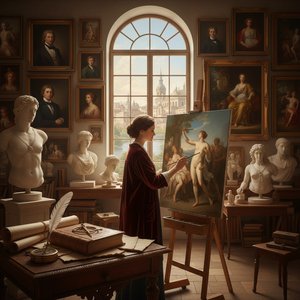
Akademizm w sztuce: Technika, historia i trwały wpływ na rozwój malarstwa
Poznaj historię akademizmu w sztuce! Analiza technik malarskich, wpływ na rozwój XIX-wiecznego malarstwa i dziedzictwo artystyczne. Ekspercka wiedza dla miłośników historii sztuki.
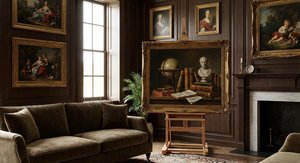
Akademizm w Obrazie: 10 Arcydzieł Realizmu dla Twojego Domu | OriginalUniqueArt
Poznaj 10 arcydzieł realizmu akademickiego! Odkryj historie Bouguereau, Gérôme i Cabanel. Reprodukcje obrazów najwyższej jakości dla Twojego wnętrza. Inspiracje dekoracyjne na OriginalUniqueArt.com.

Mastering Perfection: A Definitive Guide to the Elegance and Precision of Academic Classicism
Explore the rigorous beauty of Academic Classicism. Discover the principles of order, precision, and historical reverence that define this timeless art movement through an expert guide to its enduring legacy and technical mastery.

The Beauty of Perfection: A Journey Through the Rigor and Radiance of Academic Realism
Explore the profound elegance of Academic Realism. Discover how meticulous observation, anatomical precision, and the pursuit of ideal beauty created a timeless legacy of technical mastery and emotional depth in the world's most revered art academies.
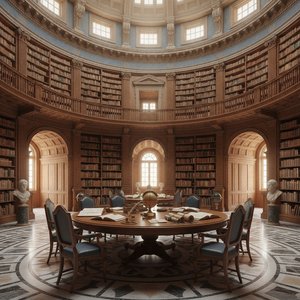
The Timeless Elegance of Academic Classicism: A Journey Through Order, Precision, and the Pursuit of Perfection
Explore the profound beauty of Academic Classicism. Discover how masters used order, precision, and classical ideals to achieve timeless perfection in art history, from Neoclassical portraits to the pursuit of ideal beauty.


