
 Podgląd w skali
 Wyślij jako kartkę
 Udostępnij
 Szczegóły dzieła

 Pobierz
 Podobne obiekty
 RTG
RTG Pokaz slajdów
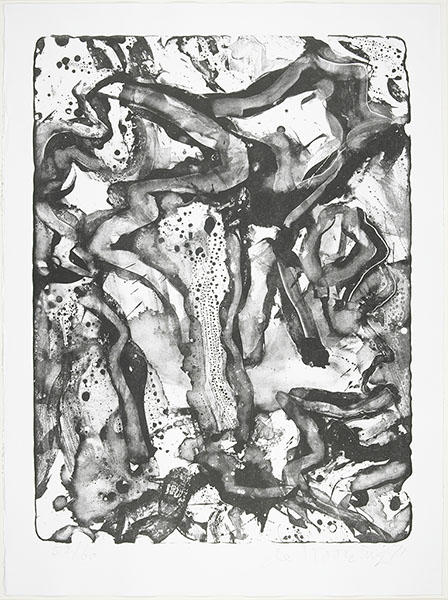
Landscape at Stanton Street


 Rozwiń treść
Ręcznie malowana reprodukcja olejowa
Ręcznie malowany obraz olejny na płótnie, wykonany na zamówienie przez naszych artystów w wybranym przez Ciebie wymiarze i oprawie. ( Zamów wydruk Kup obraz wysokiej rozdzielczości)




P118B $10

P118H $10

P118W $10

P438Z $10

P508JH $12

P508YH $12

P805H $10

P805Z $10

P919BZ $10

P919G $10

P919XJ $10

P959ZH $10

P968JZ $12

W106C $8

W218G $10

W218JH $8

W218Y $10

W307PJ $10

W316G $10

W316PJ $8

W316Y $10

W398PJ $8

W4111J $10

W500HY $15

W500JH $15

W692G $12

W849H $8

W940BG $15

W953PJ $8




Wybierz spośród naszych standardowych rozmiarów, które zachowują oryginalne proporcje dzieła sztuki.

Możesz wprowadzić własne wymiary, aby dopasować obraz do konkretnej ramy lub przestrzeni. Jeśli wybrany rozmiar nie będzie odpowiadał proporcjom oryginału, przytniecie dzieło sztuki lub rozszerzymy je o dodatkowe elementy, ręcznie domalowane przez artystę. Przed rozpoczęciem produkcji wyślemy projekt cyfrowy do Twojej akceptacji.
Należy pamiętać, że podgląd na ekranie nie odzwierciedla rzeczywistego przycinania ani rozszerzania obrazu. Tylko projekt dokładnie pokaże ostateczną kompozycję.
Choć oferujemy możliwość zamówienia niestandardowych rozmiarów, zalecamy wybór wymiaru z gotowej listy, aby zachować oryginalne proporcje dzieła.
Po złożeniu zamówienia zespół OriginalUniqueArt.com skontaktuje się z klientem drogą mailową w celu uzyskania instrukcji i prześle wizualizację projektu
Dostawa na całym świecie () w ciągu 3–4 tygodni zamiast standardowych 5 tygodni. (17 Sierpień). Bez kompromisów w kwestii jakości.

Bezpłatna ekspresowa wysyłka na cały świat

Wysokiej jakości płótno lniane

Pełne ubezpieczenie przesyłki

Gwarancja zwrotu należności celnych i podatków importowych

Gwarancja wiernego odwzorowania kolorów

Polityka 60-dniowego zwrotu (tylko w przypadku wad)

Gwarancja 100% zwrotu kosztów

Zniżka przy zamówieniu wielu produktów
 Opcja ze szkłem jest dostępna wyłącznie w rozmiarach poniżej 110 cm

Landscape at Stanton Street
Technika reprodukcji
Wymiary reprodukcji
-


Cena całkowita
$ 300
Opis dzieła
Landscape at Stanton Street: A De Kooning Vision of Urban Flux
Willem de Kooning’s “Landscape at Stanton Street,” painted in 1971, isn't merely a depiction of a street scene; it’s an intensely felt embodiment of urban energy and the complexities of modern life. This lithograph, born from the raw dynamism of Abstract Expressionism, invites us into a world where recognizable forms dissolve into swirling lines and gestural marks, creating a powerful visual experience that resonates with both anxiety and exhilaration. De Kooning, already a titan of his era, was grappling with the shifting landscape of New York City – its relentless growth, its fractured identities, and the sense of disorientation it could evoke – and this work serves as a potent distillation of those feelings. The piece’s genesis in a lithograph technique is crucial; the inherent texture of the stone or metal plate, combined with the careful application of ink, lends an immediate physicality to the image, mirroring the energy de Kooning sought to convey.The Language of Line and Form
At first glance, “Landscape at Stanton Street” appears chaotic – a tangle of dark and light, thick and thin lines that seem to collide and intertwine. However, beneath this apparent disorder lies a carefully constructed composition. De Kooning masterfully employs curvilinear forms, reminiscent of both organic growth and the rigid geometry of cityscapes, creating a sense of movement and flow. There’s no single point of focus; instead, the eye is drawn on a journey across the surface, following the currents of line and shape. The deliberate absence of traditional perspective—the vanishing point, the illusion of depth—further contributes to the feeling of disorientation, mirroring the experience of navigating an unfamiliar urban environment. The monochromatic palette – primarily shades of black, white, and gray – amplifies this effect, stripping away any distractions and forcing us to confront the raw materiality of the lines themselves.A Technique of Controlled Chaos
The lithograph process itself is integral to understanding “Landscape at Stanton Street.” Lithography demands a delicate balance between control and spontaneity. De Kooning’s initial sketch guides the artist as he applies ink to the stone, creating an image that is both meticulously planned and intuitively executed. The resulting surface isn't smooth; it’s textured with subtle variations in tone and density, reflecting the physicality of the process and adding a layer of visual interest. The use of overlapping lines creates a sense of layering and recession, suggesting depth without relying on traditional perspective techniques. This technique allows de Kooning to capture not just the appearance of a landscape but also its underlying energy and emotional resonance. The influence of artists like Franz Kline, known for his bold, gestural marks, is clearly evident in this work—a deliberate departure from representational painting towards an expressionistic approach.Symbolism and Emotional Resonance
While “Landscape at Stanton Street” resists straightforward interpretation, it’s impossible to ignore the underlying symbolism. The fragmented forms can be seen as representing the fractured nature of urban life – its constant change, its conflicting identities, and its potential for both beauty and alienation. The swirling lines evoke a sense of movement and dynamism, mirroring the relentless pace of city life. The work's emotional impact is undeniably complex; it’s not simply joyful or melancholic but rather a potent blend of both. There’s an underlying tension, a feeling of unease that speaks to the anxieties inherent in navigating a rapidly changing world. It’s a landscape viewed through the lens of experience—a reflection on the human condition within the context of a sprawling metropolis.Bringing De Kooning's Vision Home
OriginalUniqueArt offers meticulously crafted hand-painted reproductions of “Landscape at Stanton Street,” allowing you to bring this iconic work into your own space. Our artists replicate de Kooning’s distinctive style and technique with exceptional precision, capturing the raw energy and emotional depth of the original lithograph. Whether you're an art collector, a design enthusiast, or simply someone seeking a unique piece of art for your home, a OriginalUniqueArt reproduction offers a beautiful and authentic way to experience the power of Willem de Kooning’s vision. Explore our selection today and discover how this captivating landscape can transform your surroundings.O artyście
A Life Forged in Abstraction
Willem de Kooning, a name synonymous with the raw energy and emotional depth of Abstract Expressionism, was born in Rotterdam, Netherlands, in 1904. His early life was marked by a familial split – his parents divorced when he was young – which perhaps instilled within him a sense of restless searching that would permeate his artistic journey. Leaving formal schooling at twelve, de Kooning apprenticed with a commercial art firm, laying the groundwork for his technical skill while simultaneously fueling a desire to break free from conventional constraints. Evening classes at the Academie van Beeldende Kunsten en Technische Wetenschappen in Rotterdam provided further foundational training, but it was a yearning for something more – a bolder, more expressive language – that ultimately propelled him towards America in 1926. His arrival wasn’t straightforward; he famously stowed away on a ship, embodying the spirit of an outsider seeking new horizons. New York City became his adopted home, and its vibrant, often gritty energy profoundly shaped his evolving style. He navigated various jobs – house painter, carpenter – all while relentlessly pursuing his artistic vision, absorbing the city’s pulse into his work.From Urban Scenes to Abstract Fury
De Kooning's early paintings reflected his immediate surroundings: urban landscapes and portraits that captured the dynamism of New York life. These works, often rendered in muted tones and characterized by a sense of movement, demonstrated an acute observation of the city’s energy. However, these were merely stepping stones towards a more profound exploration of form and emotion. A pivotal moment came with his connection to Arshile Gorky, whose influence proved transformative. Gorky encouraged de Kooning’s experimentation with abstraction, fostering a willingness to dismantle traditional representation in pursuit of something deeper. De Kooning began to incorporate fragmented forms and distorted perspectives, moving away from realistic depiction towards a more subjective and expressive approach. The 1930s saw de Kooning engage with social realism and mural projects through the Works Progress Administration (WPA), a period that honed his skills but also highlighted the limitations of purely representational art. He found himself drawn to the work of Stuart Davis and John Graham, artists who were pushing boundaries in their own right, exploring themes of urban life and modern experience. This confluence of influences gradually steered him away from literal depiction and toward an increasingly abstract vocabulary. It wasn’t a sudden shift, but rather a slow burn – a deliberate dismantling of established norms fueled by intellectual curiosity and a relentless pursuit of artistic truth.The Woman Series: A Landmark Achievement
Following World War II, de Kooning emerged as a central figure in the burgeoning Abstract Expressionist movement. This period marked a turning point, culminating in his iconic “Woman” series (1950-1953). These paintings – including the monumental *Woman I* – are not merely depictions of female figures; they are visceral explorations of femininity, sexuality, and the complexities of human emotion. Characterized by aggressive brushstrokes, fragmented forms, and a jarring juxtaposition of colors, the “Woman” series challenged conventional notions of beauty and representation. They were controversial, even shocking to some, but their power lay precisely in their refusal to conform. De Kooning wasn’t interested in creating idealized images; he sought to capture the raw, untamed essence of his subjects. The series is a complex meditation on identity, desire, and the anxieties of modern life. Beyond the "Woman" series, works like *The Glazier* and *Excavation* further demonstrated his dynamic approach to painting, showcasing a masterful command of texture, color, and composition. He didn't shy away from chaos or ambiguity; instead, he embraced them as integral components of his artistic language.Evolving Landscapes and Enduring Legacy
In the 1960s, de Kooning’s style underwent another significant evolution. While abstraction remained central to his work, landscape elements began to play a more prominent role, often rendered with a brighter palette and a looser, more fluid brushstroke. He continued to experiment relentlessly throughout his life, exploring different techniques and materials, never content to rest on his laurels. He moved towards larger canvases and incorporated elements of Surrealism into his compositions. His later works demonstrate a remarkable ability to reinvent himself while remaining true to his core artistic principles. Willem de Kooning’s historical significance is undeniable. He helped establish New York City as a global center for art, challenging the dominance of European traditions and paving the way for future generations of artists. His work continues to inspire awe and provoke debate, reminding us of the power of abstraction to convey profound emotional truths. De Kooning passed away in 1997, leaving behind a vast and influential body of work that stands as a testament to his unwavering commitment to artistic innovation and his enduring legacy as one of the most important American artists of the 20th century. His impact resonates still.Key Influences
De Kooning’s artistic development was shaped by a diverse range of influences, both formal and personal. Early exposure to commercial art instilled in him a strong technical foundation, while his studies at the Rotterdam Academy provided a grounding in traditional techniques. The arrival in New York City exposed him to the vibrant energy of modern urban life, which profoundly influenced his early landscape paintings. However, it was his encounter with Arshile Gorky that proved transformative, encouraging him to embrace abstraction and explore new ways of representing form and emotion. Furthermore, he drew inspiration from the works of Pablo Picasso, Joan Miró, and other avant-garde artists who were challenging conventional notions of art. The influence of Stuart Davis’s urban scenes and John Graham's explorations of psychological states also played a significant role in shaping his artistic vision.Notable Works
Among de Kooning’s most celebrated works are *Woman I* (1950-1953), a monumental painting that embodies the intensity and complexity of the “Woman” series; *Painting II* (1948), a dynamic and chaotic composition that exemplifies his approach to abstract expressionism; *Orange, Red, Yellow* (1961), a vibrant landscape painting that showcases his later stylistic developments; and *Excavation* (1950), a complex and layered work that reflects his fascination with the relationship between figure and ground. His paintings are characterized by bold brushwork, fragmented forms, and a masterful use of color to evoke powerful emotions.
Willem de Kooning
1904 - 1997 , Holandia
Krótka nota
- Artistic Movement Or Style: Abstrakcyjny ekspresjonizm
- Artists Or Movements Influenced By This Artist: ['Nowy Jork']
- Artists Who Influenced This Artist:
- Arshile Gorky
- Stuart Davis
- John Graham
- Date Of Birth: 24 kwietnia 1904
- Date Of Death: 19 marca 1997
- Full Name: Willem de Kooning
- Nationality: Holenderski-Amerykanin
- Notable Artworks:
- Kobieta I
- Marilyn Monroe
- Rzeźbiarz
- Wygrzewanie
- Place Of Birth: Rotterdam, Holandia
Powiązane artykuły
Ekspresjonizm Abstrakcyjny: Emocjonalny Krajobraz Nowojorskiej Awangardy
Poznaj fascynujący świat ekspresjonizmu abstrakcyjnego! Analiza kluczowych artystów, nurtów i wpływu na współczesną sztukę. Ekskluzywne informacje dla kolekcjonerów i miłośników.

Willem de Kooning: Abstraction, Gesture & the Evolution of Post-War American Painting
Explore the evolution of Willem de Kooning's iconic Abstract Expressionist paintings. Discover his signature style, key themes & investment potential with expert insights for discerning art collectors.
Surrealizm w Obrazach: 10 Arcydzieł, Które Zdefiniowały Ruch | OriginalUniqueArt.pl
Odkryj 10 arcydzieł surrealizmu! Poznaj historie Dalí, Magritte’a i Miró. Inspiracje, techniki i znaczenie onirycznych obrazów. Reprodukcje najwyższej jakości na OriginalUniqueArt.com – galeria sztuki online dla Twojego wnętrza. Eksploruj kolekcję!
Frank McClure: A Study in Abstract Expressionism's Emotional Landscape & Material Innovation
Discover the profound emotional depth & innovative techniques of Frank McClure, a key figure in Abstract Expressionism. Explore his woodcuts, influences, and lasting legacy – essential reading for serious art collectors.

Beyond Representation: Emotional Depth & Formal Innovation in Abstract Expressionism
Explore the profound emotional depth & formal innovation of Abstract Expressionism. Discover key artists, collecting insights, and investment potential with expert guidance. Learn more now.



