

 Zobacz w skali 1:1
 Wyślij
 Udostępnij
 Szczegóły

 Pobierz plik obrazu
 Podobne obiekty
 RTG
RTG Pokaz slajdów
 Statystyki
Isabella Appiani


 Czytaj więcej
Kup wysokiej rozdzielczości, ulepszony obraz cyfrowy o jakości znacznie przewyższającej podgląd online.
Każdy plik jest starannie przygotowywany przez naszych specjalistów przy użyciu zaawansowanych narzędzi oraz profesjonalnej, ręcznej retuszy. Dbamy o to, aby każdy obraz cechował się wyjątkową ostrością, precyzyjnym odwzorowaniem kolorów i subtelnymi detalami.
Ostateczny plik dostarczany jest drogą mailową w ciągu 72 godzin, zoptymalizowany do natychmiastowego wykorzystania w profesjonalnych zastosowaniach redakcyjnych i poligraficznych. To ta sama jakość, której ufają czołowe studia projektowe, wydawnictwa oraz galerie sztuki.
Obraz cyfrowy
Pobierz plik o wysokiej rozdzielczości do osobistego użytku, druku oraz projektów kreatywnych. ( Przełącz na wersję drukowaną Kup ręcznie malowany obraz)
W każdym zamówieniu na obraz cyfrowy znajduje się
Profesjonalna dostawa cyfrowa z gwarancją
Wybierając OriginalUniqueArt.com, nie otrzymujesz jedynie obrazu – otrzymujesz profesjonalnie udoskonalone cyfrowe dzieło sztuki, stworzone z najwyższą precyzją i objęte gwarancją satysfakcji. Oto wszystko, co automatycznie dołączane jest do Twojego zamówienia:

Błyskawiczna dostawa e-mailowa
Plik z obrazem cyfrowym w wysokiej rozdzielczości zostanie przesłany na Twój adres e-mail w ciągu 72 godzin od złożenia zamówienia – gotowy do natychmiastowego użycia.

Plik cyfrowy ulepszony przez AI
Twoja grafika została profesjonalnie zoptymalizowana przy użyciu zaawansowanych narzędzi AI oraz ręcznej edycji, co zapewnia maksymalną szczegółowość, klarowność i wierność kolorów.

Bezpłatna dożywotnia ponowna dostawa
Przypadkowo usunąłeś lub zgubiłeś swój plik? Bez obaw – prześlemy go Tobie ponownie w dowolnym momencie, bez żadnych opłat.

Bez opłat importowych – zawsze
Ciesz się swoją sztuką natychmiast, bez żadnych opłat celnych, należności ani kosztów dostawy – pliki cyfrowe są zawsze wolne od podatku.

Gwarancja odwzorowania kolorów
Dzięki zastosowaniu profesjonalnych narzędzi i procesów zarządzania barwą zapewniamy, że Twoje cyfrowe zdjęcie odzwierciedla oryginalne kolory tak wiernie, jak to tylko możliwe.

100 dni na satysfakcję
Jeśli nie będziesz zadowolony ze swojego cyfrowego obrazu, poprawimy go lub zwrócimy 100% kosztów w ciągu 100 dni – bez zbędnych pytań.

100% Gwarancja zwrotu pieniędzy
Nie jesteś zadowolony? Otrzymaj pełny zwrot kosztów w ciągu 100 dni od otrzymania pliku cyfrowego – bez zbędnych pytań.

Rabaty przy zamówieniach hurtowych
Kup 3 obrazy, oszczędź 10% - Kup 5, oszczędź 15% - Kup 10+, oszczędź 20%. Idealne do projektów kreatywnych, galerii i agencji.
Biografia artysty
Pieter Bruegel the Elder: A Window into 16th-Century Life
Pieter Bruegel the Elder, a name synonymous with Flemish art of the 16th century, wasn’t merely a painter; he was a chronicler of his time, a keen observer of human nature, and a master storyteller rendered in oil on panel. Born around 1525 in Breda, a bustling city within the Duchy of Brabant (now part of Belgium), Bruegel’s life unfolded against a backdrop of political upheaval, religious reform, and burgeoning urban centers. While details about his early years remain somewhat elusive, it's believed he was apprenticed to Pieter Coecke van Aelst, a prominent Antwerp artist known for his versatility as a sculptor, architect, and tapestry designer – an experience that undoubtedly shaped the foundations of Bruegel’s artistic development.
Bruegel’s career blossomed in Brussels, a vibrant hub of commerce and culture. He quickly established himself as a respected painter, attracting commissions from wealthy patrons including Margaret of Austria, regent of the Netherlands, and various noble families. His early works often showcased a refined elegance, reflecting the influence of Italian Renaissance art – particularly the subtle color palettes and classical motifs prevalent in the work of artists like Raphael and Giovanni Bellini. However, it was his later paintings that truly cemented his legacy, marking a distinct shift towards a uniquely Bruegelian style characterized by earthy tones, dynamic compositions, and an unparalleled ability to capture the essence of everyday life.
The Landscapes and Scenes of Rural Life
Bruegel’s artistic trajectory is marked by a fascinating evolution. Initially, his landscapes were imbued with a delicate beauty reminiscent of Flemish tradition. But as he matured, he began to infuse them with a distinctly observational quality, depicting scenes of peasant life with remarkable realism and psychological depth. These weren't idealized depictions; instead, they presented a raw and often humorous portrayal of rural existence – harvests, festivals, hunts, and the simple routines of daily labor. His paintings aren’t simply records of events; they are imbued with social commentary, subtly critiquing human folly and celebrating the resilience of ordinary people.
Consider his iconic “Peasant Wedding” (1567), a masterpiece that captures the chaotic energy and boisterous joy of a rural celebration. The painting is not just visually arresting; it’s packed with symbolic details – the drunken farmer, the dancing couple, the discarded food – all contributing to a broader meditation on human behavior and societal values. Similarly, “The Goldsmith” (1564) offers a poignant glimpse into the solitary life of a craftsman, highlighting his dedication and the potential for both reward and disappointment in his profession.
Technique and Innovation
Bruegel’s artistic technique was as innovative as it was masterful. He employed a distinctive palette dominated by earthy browns, greens, and ochres, creating a sense of groundedness and realism. His brushwork is often loose and expressive, conveying movement and emotion with remarkable immediacy. Crucially, Bruegel was a pioneer in the use of perspective, particularly atmospheric perspective – employing variations in color and detail to create the illusion of depth and distance. This technique, combined with his meticulous attention to detail, allowed him to render landscapes with astonishing accuracy and realism.
Furthermore, Bruegel’s mastery of composition is evident in his ability to pack a great deal of information into each painting – figures, objects, and symbolic elements all vying for the viewer's attention. He frequently utilized crowded scenes, creating a sense of dynamism and immediacy that draws the eye across the canvas. His use of diagonals and overlapping forms further enhances this effect, contributing to the overall feeling of movement and energy.
Influence and Legacy
Pieter Bruegel the Elder’s influence on subsequent generations of artists is profound. His focus on everyday life, his realistic depictions of rural scenes, and his innovative use of perspective paved the way for later masters such as Jan Bruegel the Younger (his son), Lucas Cranach the Elder, and Pieter de Hooch. His work also resonated with the rise of Northern Mannerism, a style characterized by elongated figures, distorted perspectives, and an emphasis on psychological expression.
Beyond his direct influence on individual artists, Bruegel’s paintings offer invaluable insights into 16th-century society – its customs, beliefs, and values. His works serve as a powerful reminder of the enduring appeal of depicting the human condition in all its complexity and contradictions. Today, Bruegel's paintings are celebrated for their artistic merit, their historical significance, and their timeless ability to connect with viewers across centuries.
Key Works
- The Peasant Wedding (1567)
- The Goldsmith (1564)
- Landscape with the Fall of Icarus (c. 1560-1563)
- Hay Harvest (c. 1560-1563)
- Tower Scene (c. 1563)
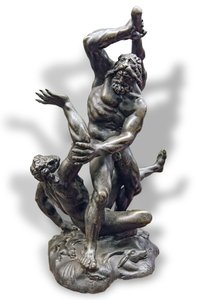
willem danielsz van tetrode
1525 - 1587 , Netherlands
Najważniejsze informacje
- Artistic Movement Or Style: Flemish Renaissance
- Artists Or Movements Influenced By This Artist: ['His sons (Jan & Pieter)']
- Artists Who Influenced This Artist: ['Pieter Coecke van Aelst']
- Date Of Birth: c. 1525
- Date Of Death: 1569
- Full Name: Pieter Bruegel the Elder
- Nationality: Flemish
- Notable Artworks:
- Peasant Wedding
- Hunters in the New World
- The Goldsmith
- Fall of the Innocents
- Place Of Birth: Breda, Brabant