
 Podgląd w skali 1:1
 Wyślij jako kartkę
 Udostępnij
 Szczegóły dzieła
 Przewodnik

 Pobierz obraz
 Podobne obiekty
 RTG
RTG Pokaz slajdów
 Pytania i odpowiedzi
 Statystyki
Unfolding Buds


 Rozwiń treść
Giclée / Wydruk artystyczny
Wydruki giclée lub płótna o jakości muzealnej, szybka realizacja i szeroki wybór opcji wykończenia. ( Zamów ręcznie malowaną reprodukcję Przejdź do wersji cyfrowej)




P118B zł10

P118H zł10

P118W zł10

P438Z zł10

P508JH zł12

P508YH zł12

P805H zł10

P805Z zł10

P919BZ zł10

P919G zł10

P919XJ zł10

P959ZH zł10

P968JZ zł12

W106C zł8

W218G zł10

W218JH zł8

W218Y zł10

W307PJ zł10

W316G zł10

W316PJ zł8

W316Y zł10

W398PJ zł8

W4111J zł10

W500HY zł15

W500JH zł15

W692G zł12

W849H zł8

W940BG zł15

W953PJ zł8




Wybierz spośród naszych standardowych rozmiarów, które zachowują oryginalne proporcje dzieła sztuki.

Wpisz wymaganą szerokość i wysokość, aby dopasować grafikę do ramy lub ściany. Wydruk można jedynie przyciąć, nigdy nie powiększając go poza oryginalny obraz, dlatego format o innych proporcjach spowoduje utratę części kompozycji. Przed rozpoczęciem druku prześlemy Ci cyfrowy podgląd do zatwierdzenia. Obraz wyświetlany na tej stronie nie pokazuje rzeczywistego przycięcia — jedynie podgląd oddaje ten efekt.
Dostawa na cały świat () w ciągu 2 tygodni zamiast standardowych 4/5 tygodni. (3 Listopad)

Bezpłatna ekspresowa wysyłka na cały świat

Wysokiej jakości płótno lniane

Pełne ubezpieczenie przesyłki

Gwarancja zwrotu należności celnych i podatków importowych

Gwarancja wiernego odwzorowania kolorów

100-dniowa polityka zwrotów (tylko w przypadku wad)

Gwarancja 100% zwrotu pieniędzy

Zniżka przy zakupie wielu sztuk
 Opcja ze szkłem jest dostępna wyłącznie w rozmiarach poniżej 110 cm

Unfolding Buds
Giclée / Wydruk artystyczny
Wymiary reprodukcji
-


Cena całkowita
zł 317
Willard Leroy Metcalf’s “Unfolding Buds”: A Springtime Reverie
Willard Leroy Metcalf's "Unfolding Buds," painted in 1909, isn’t merely a landscape; it’s an exquisitely rendered distillation of springtime’s promise. Housed within the Detroit Institute of Arts, this oil on canvas transports the viewer to a quiet corner of New England, where the nascent energy of renewal permeates every detail. The painting captures a fleeting moment – perhaps early May – as winter's grip loosens and the first tentative blossoms emerge from the earth, hinting at the vibrant life yet to come. Metcalf’s masterful use of light and color establishes an atmosphere of serene contemplation, inviting us to pause and appreciate the subtle beauty of nature’s awakening.
A Master of Impressionistic Detail
Metcalf was a pivotal figure in the American Impressionist movement, deeply influenced by the French masters while simultaneously forging his own distinct style. “Unfolding Buds” exemplifies this approach – a careful balance between direct observation and expressive brushwork. Notice how Metcalf doesn’t simply depict the scene; he captures its *feeling*. The loose, broken strokes of paint create a shimmering effect, particularly in the dappled sunlight filtering through the trees. He employs a technique known as “broken color,” layering thin washes of pigment to build up depth and luminosity, mimicking the way light interacts with surfaces. This method imbues the painting with an almost palpable sense of warmth and vitality.
Symbolism in the Rural Landscape
Beyond its purely aesthetic qualities, “Unfolding Buds” is rich in symbolic meaning. The hillside itself represents fertility and potential – a promise of abundance after the dormancy of winter. The sheep grazing peacefully suggest contentment and harmony with nature. The presence of the dog, likely accompanying the flock, adds a touch of domesticity and companionship to this wild landscape. Even the bare branches of the trees, now adorned with delicate blossoms, speak of resilience and rebirth. Metcalf’s careful selection of elements creates a narrative of renewal and hope, reflecting the universal human desire for growth and transformation.
Historical Context and Artistic Influences
Painted during a period of significant artistic change in America, “Unfolding Buds” aligns with the burgeoning interest in capturing the beauty of the American landscape. Metcalf’s work reflects the influence of artists like Frederic Church and Albert Bierstadt, who had traveled to Europe and returned with a renewed appreciation for Impressionism. However, Metcalf retained a distinctly American sensibility, focusing on scenes closer to home – New England farmsteads, rural landscapes, and the lives of ordinary people. The painting’s quiet intimacy and understated beauty resonated with a growing public appetite for art that reflected contemporary life.
Further research into Willard Leroy Metcalf reveals his dedication to capturing light and atmosphere, often working outdoors “en plein air” to directly observe nature's effects. His membership in the Ten American Painters, a group who rejected the rigid conventions of the National Academy of Design, solidified his commitment to a more modern and expressive approach to art. The Detroit Institute of Arts holds a significant collection of Metcalf’s work, offering a comprehensive view of his artistic development and enduring legacy.
Pytania i odpowiedzi
Jaka technika została użyta w przypadku "Unfolding Buds" i kiedy powstało to dzieło?
Technika wykonania dzieła „Unfolding Buds” – Willard Leroy Metcalf to Oil On Canvas, a datowanie pracy pochodzi z 1909.
Jaki dominujący odcień przenika „Unfolding Buds” – Willard Leroy Metcalf?
„Unfolding Buds” skłania się ku Green to Violet Spectrum tonacji.
Jakie inne pseudonimy lub nazwy stosuje Willard Leroy Metcalf?
Inne znane nazwiska Willard Leroy Metcalf, twórcy "Unfolding Buds", to Willard Metcalf, W. L. Metcalf.
Biografia artysty
A Life Immersed in Light and Landscape
Willard Leroy Metcalf, a pivotal figure in the blossoming of American Impressionism, dedicated his life to capturing the ephemeral beauty of the natural world. Born in Lowell, Massachusetts, in 1858, he wasn’t merely a painter of landscapes; he was a poet of light and atmosphere, translating the quietude of New England scenes and beyond onto canvas with a delicate touch and vibrant palette. His journey as an artist was one of rigorous training, extensive travel, and a profound commitment to portraying intimate moments in nature – fleeting glimpses of beauty often overlooked. Metcalf’s story is not simply about artistic development, but also about finding his voice amidst the evolving currents of late 19th and early 20th-century art, and ultimately, leaving an indelible mark on American Impressionism.From Academic Foundations to European Influences
Metcalf’s formal artistic education began at the School of the Museum of Fine Arts in Boston, where he honed his foundational skills until 1878. This was followed by a crucial period of study at the Académie Julian in Paris, a renowned center for American artists seeking classical training. Initially, Metcalf focused on figure painting and illustration – skills that would later inform his compositions – but it was during his extended sojourn in Europe, beginning in 1883, that his artistic trajectory began to shift decisively towards landscape art. He studied with Gustave Boulanger and Jules-Joseph Lefebvre, absorbing the technical expertise of French academic tradition. These early influences provided a solid foundation in composition and technique, but it wasn’t just formal instruction that shaped his vision; it was immersion in the European landscape itself. Travels through England and Brittany exposed him to diverse light conditions and artistic communities. A particularly significant moment arrived in 1886 when Metcalf became the first American artist to visit Claude Monet's garden at Giverny, a watershed experience that profoundly impacted his approach to capturing light, color, and atmosphere. This encounter wasn’t about imitation, but rather an awakening to the possibilities of portraying the subjective experience of seeing – a cornerstone of Impressionist philosophy. He began to understand how to capture not just what he *saw*, but also what he *felt* when observing nature.The Rise of an American Impressionist
Upon returning to the United States in 1889, Metcalf began to forge his own distinct style, blending academic training with the lessons learned from European masters and his growing sensitivity to the American landscape. He worked as an illustrator and teacher while continuing to paint, gradually moving away from traditional techniques towards a more expressive and atmospheric approach. His paintings of this period often depict serene scenes of New England life – coastal harbors, quiet villages, and sun-dappled meadows. The influence of Monet is evident in his use of broken brushstrokes, vibrant colors, and an emphasis on capturing the fleeting effects of light. Critics frequently drew parallels between his work and the poetry of Robert Frost and Walt Whitman, recognizing a shared sensibility for capturing the essence of American experience. He sought to convey not just the *appearance* of a landscape, but also its mood and spirit. Metcalf’s compositions often featured small figures within the vastness of nature, emphasizing the relationship between humanity and the environment.A Dedicated Teacher and Collector
Beyond his artistic pursuits, Metcalf was deeply committed to fostering the next generation of artists. He served as an instructor at prestigious institutions such as the Womans Art School, Cooper Union, and the Art Students League in New York City, generously sharing his knowledge and techniques with aspiring painters. He also developed a keen interest in ornithology and natural history, amassing a remarkable collection of bird eggs, nests, and butterflies – a testament to his fascination with the intricacies of the natural world. This passion for observation extended to his art, informing his meticulous attention to detail and his ability to capture the subtle nuances of light and color. Metcalf’s dedication to both art and nature created a unique synergy that fueled his creative output.Legacy and Enduring Influence
Willard Leroy Metcalf's contribution to American art extends beyond his captivating paintings. He was a dedicated educator, sharing his knowledge and passion for art by teaching at institutions like Cooper Union School of Art for Women in New York City and the Art Students League of New York. His influence on subsequent generations of artists is undeniable. Metcalf’s ability to capture fleeting moments of beauty and tranquility, combined with his technical skill and poetic sensibility, cemented his place as a significant figure in American art history. He wasn't interested in grand narratives or dramatic compositions; instead, he found inspiration in the everyday – the gentle play of light on water, the subtle hues of a twilight sky, the quiet dignity of rural life. His paintings are not merely representations of landscapes; they are evocations of mood and atmosphere, inviting viewers to share in his intimate connection with nature. Metcalf’s work continues to be exhibited and admired for its beauty, tranquility, and profound appreciation of the natural world. His legacy lives on through his art, his teachings, and the enduring inspiration he provided to countless artists who followed in his footsteps.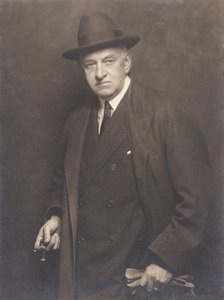
Willard Leroy Metcalf
1858 - 1925 , Stany Zjednoczone
Krótka nota
- Artistic Movement Or Style: Impresjonizm amerykański
- Artists Or Movements Influenced By This Artist: ['Ten American Painters']
- Artists Who Influenced This Artist: ['Monet']
- Date Of Birth: 1858
- Date Of Death: 1925
- Full Name: Willard Leroy Metcalf
- Nationality: Amerykański
- Notable Artworks:
- Gloucester Harbor
- The Golden Carnival
- Place Of Birth: Lowell, USA
Powiązane artykuły

Willard Leroy Metcalf: Capturing the Intimacy of American Rural Life
Explore the serene landscapes of Willard Leroy Metcalf, a key figure in American Impressionism. Discover his tranquil New England scenes & vibrant art reproductions at OriginalUniqueArt.

Evocations of Place: A Historical Journey Through Landscape Art
Explore the rich history of landscape art with OriginalUniqueArt. Discover renowned artists, movements like Impressionism & Romanticism, and expert guidance for collecting timeless pieces. Find your perfect serene escape today!

Paul Cézanne: 25 Arcydzieł, które Zrewolucjonizowały Świat Sztuki | OriginalUniqueArt
Odkryj 25 arcydzieł Paula Cézanne'a – od impresjonizmu po postimpresjonizm. Poznaj historie, techniki i inspiracje malarza, który zrewolucjonizował sztukę. Reprodukcje obrazów najwyższej jakości na OriginalUniqueArt.com!

10 Arcydzieł Impresjonizmu Krajobrazowego, Które Zdefiniowały Sztukę
Odkryj 10 arcydzieł impresjonizmu krajobrazowego! Poznaj historie Moneta, Renoir'a i Van Gogha. Inspiracje wnętrzarskie, techniki malarskie i piękne reprodukcje obrazów na OriginalUniqueArt.com. Eksploruj kolekcję online!

Echa Miejsca: Historyczna Podróż przez Sztukę Krajobrazu
Odkryj historię sztuki krajobrazu – od romantycznych wizji Friedricha po surrealistyczne pejzaże Dalego. Analizy, inspiracje i reprodukcje obrazów najwyższej jakości na OriginalUniqueArt.com.

