

 Zobacz w skali 1:1
 Wyślij
 Udostępnij
 Szczegóły

 Pobierz plik obrazu
 Podobne obiekty
 RTG
RTG Pokaz slajdów
 Statystyki
The Poppy Field


 Czytaj więcej
Giclée / Wydruk artystyczny
Wydruki giclée lub płótna o jakości muzealnej, szybka realizacja i szeroki wybór opcji wykończenia. ( Kup ręcznie malowany obraz Przełącz na wersję cyfrową)




P118B $10

P118H $10

P118W $10

P438Z $10

P508JH $12

P508YH $12

P805H $10

P805Z $10

P919BZ $10

P919G $10

P919XJ $10

P959ZH $10

P968JZ $12

W106C $8

W218G $10

W218JH $8

W218Y $10

W307PJ $10

W316G $10

W316PJ $8

W316Y $10

W398PJ $8

W4111J $10

W500HY $15

W500JH $15

W692G $12

W849H $8

W940BG $15

W953PJ $8




Wybierz spośród naszych standardowych rozmiarów, które zachowują oryginalne proporcje dzieła sztuki.

Możesz wprowadzić własne wymiary, aby dopasować dzieło do konkretnej ramy lub przestrzeni. Jeśli wybrany rozmiar nie będzie odpowiadał proporcjom oryginalnego obrazu, przytniecie dzieło lub rozszerzymy obraz za pomocą odbicia lustrzanego lub jednolitego wypełnienia krawędzi. Przed rozpoczęciem produkcji prześlemy cyfrową wizualizację do Twojej akceptacji.
Prosimy pamiętać, że podgląd na ekranie nie odzwierciedla faktycznego przycinania ani rozszerzania. Tylko wizualizacja dokładnie pokaże końcową kompozycję.
Mimo dostępności niestandardowych rozmiarów, zalecamy wybór wymiaru z listy zdefiniowanej, aby zachować oryginalne proporcje.
Dostawa na cały świat () w ciągu 2 tygodni zamiast standardowych 4/5 tygodni. (17 Wrzesień)

Bezpłatna ekspresowa wysyłka na cały świat

Wysokiej jakości płótno lniane

Pełne ubezpieczenie transportowe

Gwarancja zwrotu należności celnych i podatków importowych

Gwarancja idealnego odwzorowania barw

100-dniowy okres na zwrot dzieła w przypadku wykrycia wad produkcyjnych

Gwarancja 100% zwrotu pieniędzy

Oferta przy zakupie wielu sztuk
 Opcja ze szkłem jest dostępna wyłącznie w rozmiarach poniżej 110 cm

The Poppy Field
Giclée / Wydruk artystyczny
Rozmiar reprodukcji
-


Suma do zapłaty
$ 80
The Poppy Field: A Study in Impressionistic Beauty
The Poppy Field is a captivating representation of rural serenity, painted by American artist Willard Leroy Metcalf in the style of Impressionism. This artwork, rendered in oil on canvas, masterfully captures the fleeting effects of light and color within an idyllic scene, showcasing a vibrant field teeming with red poppies.
Artist and Style
- Artist: Willard Leroy Metcalf (1858-1925)
- Style: Impressionism
- Medium: Oil on Canvas
Metcalf was a prominent figure in American Impressionism, known for his ability to translate the beauty of nature onto canvas. His style is characterized by bold colors and expressive brushstrokes that convey a sense of movement and energy. The Poppy Field exemplifies this approach, with its loose application of paint creating a lively atmosphere. Impressionism itself sought to capture momentary visual impressions rather than precise details, prioritizing the subjective experience of light and color.
Historical Context & Symbolism
Painted around the turn of the 20th century, The Poppy Field reflects a period when American artists were increasingly drawn to Impressionistic techniques after exposure to European masters. Metcalf’s work aligns with this trend, demonstrating an appreciation for capturing the ephemeral qualities of light and atmosphere.
Beyond its aesthetic appeal, the painting carries symbolic weight. Poppies have long been associated with remembrance, beauty, and fleeting moments in time. Their vibrant red hue against the backdrop of green fields evokes a sense of both joy and melancholy, reflecting the transient nature of life and the power of natural beauty.
Emotional Impact & Technique
The Poppy Field invites viewers into a tranquil scene, evoking feelings of nostalgia and connection to nature. The painting’s composition, with its layered elements—the foreground flowers, the grassy field, and the distant trees—creates a sense of depth and perspective. Metcalf's skillful use of color and light enhances this effect, drawing the eye through the landscape.
The visible brushstrokes contribute to the artwork's emotional impact, conveying a sense of spontaneity and immediacy. The texture created by the paint application adds a tactile quality, inviting viewers to engage with the painting on a sensory level. This technique is characteristic of Impressionism, which sought to capture not just what was seen but also how it felt to see it.
Biografia artysty
A Life Immersed in Light and Landscape
Willard Leroy Metcalf, a pivotal figure in the blossoming of American Impressionism, dedicated his life to capturing the ephemeral beauty of the natural world. Born in Lowell, Massachusetts, in 1858, he wasn’t merely a painter of landscapes; he was a poet of light and atmosphere, translating the quietude of New England scenes and beyond onto canvas with a delicate touch and vibrant palette. His journey as an artist was one of rigorous training, extensive travel, and a profound commitment to portraying intimate moments in nature – fleeting glimpses of beauty often overlooked. Metcalf’s story is not simply about artistic development, but also about finding his voice amidst the evolving currents of late 19th and early 20th-century art, and ultimately, leaving an indelible mark on American Impressionism.From Academic Foundations to European Influences
Metcalf’s formal artistic education began at the School of the Museum of Fine Arts in Boston, where he honed his foundational skills until 1878. This was followed by a crucial period of study at the Académie Julian in Paris, a renowned center for American artists seeking classical training. Initially, Metcalf focused on figure painting and illustration – skills that would later inform his compositions – but it was during his extended sojourn in Europe, beginning in 1883, that his artistic trajectory began to shift decisively towards landscape art. He studied with Gustave Boulanger and Jules-Joseph Lefebvre, absorbing the technical expertise of French academic tradition. These early influences provided a solid foundation in composition and technique, but it wasn’t just formal instruction that shaped his vision; it was immersion in the European landscape itself. Travels through England and Brittany exposed him to diverse light conditions and artistic communities. A particularly significant moment arrived in 1886 when Metcalf became the first American artist to visit Claude Monet's garden at Giverny, a watershed experience that profoundly impacted his approach to capturing light, color, and atmosphere. This encounter wasn’t about imitation, but rather an awakening to the possibilities of portraying the subjective experience of seeing – a cornerstone of Impressionist philosophy. He began to understand how to capture not just what he *saw*, but also what he *felt* when observing nature.The Rise of an American Impressionist
Upon returning to the United States in 1889, Metcalf began to forge his own distinct style, blending academic training with the lessons learned from European masters and his growing sensitivity to the American landscape. He worked as an illustrator and teacher while continuing to paint, gradually moving away from traditional techniques towards a more expressive and atmospheric approach. His paintings of this period often depict serene scenes of New England life – coastal harbors, quiet villages, and sun-dappled meadows. The influence of Monet is evident in his use of broken brushstrokes, vibrant colors, and an emphasis on capturing the fleeting effects of light. Critics frequently drew parallels between his work and the poetry of Robert Frost and Walt Whitman, recognizing a shared sensibility for capturing the essence of American experience. He sought to convey not just the *appearance* of a landscape, but also its mood and spirit. Metcalf’s compositions often featured small figures within the vastness of nature, emphasizing the relationship between humanity and the environment.A Dedicated Teacher and Collector
Beyond his artistic pursuits, Metcalf was deeply committed to fostering the next generation of artists. He served as an instructor at prestigious institutions such as the Womans Art School, Cooper Union, and the Art Students League in New York City, generously sharing his knowledge and techniques with aspiring painters. He also developed a keen interest in ornithology and natural history, amassing a remarkable collection of bird eggs, nests, and butterflies – a testament to his fascination with the intricacies of the natural world. This passion for observation extended to his art, informing his meticulous attention to detail and his ability to capture the subtle nuances of light and color. Metcalf’s dedication to both art and nature created a unique synergy that fueled his creative output.Legacy and Enduring Influence
Willard Leroy Metcalf's contribution to American art extends beyond his captivating paintings. He was a dedicated educator, sharing his knowledge and passion for art by teaching at institutions like Cooper Union School of Art for Women in New York City and the Art Students League of New York. His influence on subsequent generations of artists is undeniable. Metcalf’s ability to capture fleeting moments of beauty and tranquility, combined with his technical skill and poetic sensibility, cemented his place as a significant figure in American art history. He wasn't interested in grand narratives or dramatic compositions; instead, he found inspiration in the everyday – the gentle play of light on water, the subtle hues of a twilight sky, the quiet dignity of rural life. His paintings are not merely representations of landscapes; they are evocations of mood and atmosphere, inviting viewers to share in his intimate connection with nature. Metcalf’s work continues to be exhibited and admired for its beauty, tranquility, and profound appreciation of the natural world. His legacy lives on through his art, his teachings, and the enduring inspiration he provided to countless artists who followed in his footsteps.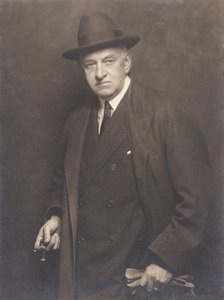
Willard Leroy Metcalf
1858 - 1925 , Stany Zjednoczone
Najważniejsze informacje
- Artistic Movement Or Style: Impresjonizm amerykański
- Artists Or Movements Influenced By This Artist: ['Ten American Painters']
- Artists Who Influenced This Artist: ['Monet']
- Date Of Birth: 1858
- Date Of Death: 1925
- Full Name: Willard Leroy Metcalf
- Nationality: Amerykański
- Notable Artworks:
- Gloucester Harbor
- The Golden Carnival
- Place Of Birth: Lowell, USA
Zobacz także powiązane artykuły

Willard Leroy Metcalf: Capturing the Intimacy of American Rural Life
Explore the serene landscapes of Willard Leroy Metcalf, a key figure in American Impressionism. Discover his tranquil New England scenes & vibrant art reproductions at OriginalUniqueArt.

Paul Cézanne: 25 Arcydzieł, które Zrewolucjonizowały Świat Sztuki | OriginalUniqueArt
Odkryj 25 arcydzieł Paula Cézanne'a – od impresjonizmu po postimpresjonizm. Poznaj historie, techniki i inspiracje malarza, który zrewolucjonizował sztukę. Reprodukcje obrazów najwyższej jakości na OriginalUniqueArt.com!

10 Arcydzieł Impresjonizmu Krajobrazowego, Które Zdefiniowały Sztukę
Odkryj 10 arcydzieł impresjonizmu krajobrazowego! Poznaj historie Moneta, Renoir'a i Van Gogha. Inspiracje wnętrzarskie, techniki malarskie i piękne reprodukcje obrazów na OriginalUniqueArt.com. Eksploruj kolekcję online!

Evocations of Place: A Historical Journey Through Landscape Art
Explore the rich history of landscape art with OriginalUniqueArt. Discover renowned artists, movements like Impressionism & Romanticism, and expert guidance for collecting timeless pieces. Find your perfect serene escape today!

Echa Miejsca: Historyczna Podróż przez Sztukę Krajobrazu
Odkryj historię sztuki krajobrazu – od romantycznych wizji Friedricha po surrealistyczne pejzaże Dalego. Analizy, inspiracje i reprodukcje obrazów najwyższej jakości na OriginalUniqueArt.com.

