
 Podgląd w skali 1:1
 Wyślij jako kartkę
 Udostępnij
 Szczegóły dzieła
 Przewodnik

 Pobierz obraz
 Podobne obiekty
 RTG
RTG Pokaz slajdów
 Q&A
Q&A Statystyki
The Passing Glory


 Rozwiń treść
Otrzymaj plik gotowy do druku, którego jakość znacznie przewyższa podgląd internetowy. Każdy sprzedawany przez nas obraz cyfrowy pochodzi z wysokorozdzielczego pliku wzorcowego w naszej bazie — zazwyczaj o szerokości od 5 000 do 15 000 pikseli — dzięki czemu możesz drukować w dużym formacie, mocno kadrować lub z pełnym przekonaniem odwzorowywać najdrobniejsze detale.
Żaden plik nie opuszcza naszego studia bez odpowiedniej obróbki. Ekspert ds. cyfrowej edycji sprawdza zgodność kolorów z oryginałem i w razie potrzeby je koryguje, a następnie za pomocą profesjonalnych narzędzi do retuszu poprawia ostrość oraz szczegółowość — zawsze zachowując wierność pociągnięciom pędzla i stylowi artysty. Rezultatem jest obraz, który wygląda jak prawdziwe dzieło, a nie jak przefiltrowany skan.
Zatwierdzasz przed finalizacją zamówienia: nasz ekspert prześle obraz drogą mailową w ciągu 72 godzin do Twojego wglądu. Nie jesteś zadowolony? Poproś o poprawki lub korektę, bądź o zwrot kosztów, jeśli jakość nie spełnia oczekiwań.
To jakość, na której polegają wydawcy, studia projektowe, galerie oraz drukarnie.
Obraz cyfrowy
Pobierz plik o wysokiej rozdzielczości do osobistego użytku, druku oraz projektów kreatywnych. ( Przełącz na wydania drukowane Zamów ręcznie malowaną reprodukcję)
W każdym zamówieniu na obraz cyfrowy znajduje się
Profesjonalna dostawa cyfrowa z gwarancją
Wybierając OriginalUniqueArt.com, nie otrzymujesz jedynie obrazu – otrzymujesz profesjonalnie udoskonalone cyfrowe dzieło sztuki, stworzone z najwyższą precyzją i objęte gwarancją satysfakcji. Oto wszystko, co automatycznie dołączane jest do Twojego zamówienia:

Błyskawiczna wysyłka e-mailowa
Plik z obrazem cyfrowym w wysokiej rozdzielczości zostanie przesłany na Twój adres e-mail w ciągu 72 godzin od złożenia zamówienia – gotowy do natychmiastowego użycia.

Plik cyfrowy wzbogacony przez AI
Twoja grafika została profesjonalnie zoptymalizowana przy użyciu zaawansowanych narzędzi AI oraz ręcznej edycji, co zapewnia maksymalną szczegółowość, klarowność i wierność kolorów.

Darmowe ponowne przesyłki dożywotnio
Przypadkowo usunąłeś lub zgubiłeś swój plik? Bez obaw – prześlemy go Tobie ponownie w dowolnym momencie, bez żadnych opłat.

Bez opłat importowych – zawsze
Ciesz się swoją sztuką natychmiast, bez żadnych opłat celnych, należności ani kosztów dostawy – pliki cyfrowe są zawsze wolne od podatku.

Gwarancja wierności kolorów
Dzięki zastosowaniu profesjonalnych narzędzi i procesów zarządzania barwą zapewniamy, że Twoje cyfrowe zdjęcie odzwierciedla oryginalne kolory tak wiernie, jak to tylko możliwe.

Gwarancja satysfakcji przez 100 dni
Jeśli nie będziesz zadowolony ze swojego cyfrowego obrazu, dokonamy jego poprawki lub zwrócimy 100% kosztów w ciągu 100 dni – bez zbędnych pytań.

100% Gwarancja zwrotu pieniędzy
Nie jesteś zadowolony? Otrzymaj pełny zwrot kosztów w ciągu 100 dni od otrzymania pliku cyfrowego – bez zbędnych pytań.

Rabaty przy zamówieniach hurtowych
Kup 3 obrazy, oszczędź 10% - Kup 5, oszczędź 15% - Kup 10+, oszczędź 20%. Idealne do projektów kreatywnych, galerii i agencji.
A Symphony of Autumnal Light
In the quiet transition of seasons, there exists a fleeting moment where the warmth of summer lingers just enough to touch the encroaching chill of autumn. It is this precise, ephemeral heartbeat that Willard Leroy Metcalf captures in his 1907 masterpiece, The Passing Glory. As a prominent figure in the American Impressionist movement, Metcalf possessed a rare ability to act as a poet of light, translating the atmospheric nuances of the New England landscape into a visual melody. The painting presents a breathtaking hillside, where the lush greenery of late summer begins its graceful surrender to the fiery golds and deep ochres of fall. Through his masterful brushwork, the canvas breathes with the vitality of a living ecosystem, inviting the viewer to step into a world of profound serenity.
The composition is a masterclass in balance and narrative depth. In the foreground, textured trees anchor the scene, their leaves rendered with a delicate touch that suggests both weight and translucency. Scattered throughout this verdant expanse, several birds take flight or rest, adding a sense of spontaneous movement to an otherwise tranquil setting. This subtle animation is further enriched by the presence of two distant figures, small yet significant, who appear to be lost in the contemplation of the vast horizon. Their inclusion transforms the landscape from a mere botanical study into a shared human experience, suggesting that the true glory of nature is best realized when witnessed through the lens of quiet companionship and peaceful reflection.
Technique and the Impressionist Spirit
Metcalf’s technique in The Passing Glory exemplifies the core tenets of American Impressionism, focusing heavily on the interplay of light and color to evoke emotion rather than mere topographical accuracy. Rather than relying on harsh outlines, he utilizes soft, broken brushstrokes that allow colors to blend optically within the eye of the beholder. This method creates a shimmering effect, mimicking the way sunlight filters through a canopy of changing leaves. The palette is a sophisticated arrangement of warm autumnal tones juxtaposed against the cooling shadows of the hillside, creating a rhythmic tension that keeps the viewer's gaze moving across the canvas.
For the discerning collector or interior designer, this painting offers more than just aesthetic beauty; it provides an emotional anchor for any space. The artwork possesses a timeless quality that transcends modern trends, making it an ideal centerpiece for a room designed for relaxation and introspection. Whether placed in a sun-drenched library or a sophisticated contemporary living area, the painting brings with it the restorative power of the natural world. Owning a high-quality reproduction of this work allows one to preserve this specific moment of 1907—a tribute to the enduring beauty of the passing seasons and the quiet majesty of the American landscape.
Pytania i odpowiedzi
Czy w „The Passing Glory” – Willard Leroy Metcalf zastosowano silne kontrasty czy raczej łagodne harmonie?
W "The Passing Glory" Statement kontrast łączy się z Balanced Harmony harmonią.
Jakie miejsce zajmuje „The Passing Glory” wśród powracających motywów w twórczości Willard Leroy Metcalf?
Wśród motywów charakterystycznych dla twórczości Willard Leroy Metcalf – takich jak american impressionism influences, nature's fleeting beauty, new england landscapes, capturing light and atmosphere, key landscape work – dzieło „The Passing Glory” wprowadza własne skupienie na trees, birds, people, hillside, autumn colors, greenery.
Co przedstawia i jaką atmosferę oddaje „The Passing Glory” – Willard Leroy Metcalf?
„The Passing Glory” – Willard Leroy Metcalf łączy w sobie trees, birds, people, hillside, autumn colors, greenery z Serene atmosferą.
Biografia artysty
A Life Immersed in Light and Landscape
Willard Leroy Metcalf, a pivotal figure in the blossoming of American Impressionism, dedicated his life to capturing the ephemeral beauty of the natural world. Born in Lowell, Massachusetts, in 1858, he wasn’t merely a painter of landscapes; he was a poet of light and atmosphere, translating the quietude of New England scenes and beyond onto canvas with a delicate touch and vibrant palette. His journey as an artist was one of rigorous training, extensive travel, and a profound commitment to portraying intimate moments in nature – fleeting glimpses of beauty often overlooked. Metcalf’s story is not simply about artistic development, but also about finding his voice amidst the evolving currents of late 19th and early 20th-century art, and ultimately, leaving an indelible mark on American Impressionism.From Academic Foundations to European Influences
Metcalf’s formal artistic education began at the School of the Museum of Fine Arts in Boston, where he honed his foundational skills until 1878. This was followed by a crucial period of study at the Académie Julian in Paris, a renowned center for American artists seeking classical training. Initially, Metcalf focused on figure painting and illustration – skills that would later inform his compositions – but it was during his extended sojourn in Europe, beginning in 1883, that his artistic trajectory began to shift decisively towards landscape art. He studied with Gustave Boulanger and Jules-Joseph Lefebvre, absorbing the technical expertise of French academic tradition. These early influences provided a solid foundation in composition and technique, but it wasn’t just formal instruction that shaped his vision; it was immersion in the European landscape itself. Travels through England and Brittany exposed him to diverse light conditions and artistic communities. A particularly significant moment arrived in 1886 when Metcalf became the first American artist to visit Claude Monet's garden at Giverny, a watershed experience that profoundly impacted his approach to capturing light, color, and atmosphere. This encounter wasn’t about imitation, but rather an awakening to the possibilities of portraying the subjective experience of seeing – a cornerstone of Impressionist philosophy. He began to understand how to capture not just what he *saw*, but also what he *felt* when observing nature.The Rise of an American Impressionist
Upon returning to the United States in 1889, Metcalf began to forge his own distinct style, blending academic training with the lessons learned from European masters and his growing sensitivity to the American landscape. He worked as an illustrator and teacher while continuing to paint, gradually moving away from traditional techniques towards a more expressive and atmospheric approach. His paintings of this period often depict serene scenes of New England life – coastal harbors, quiet villages, and sun-dappled meadows. The influence of Monet is evident in his use of broken brushstrokes, vibrant colors, and an emphasis on capturing the fleeting effects of light. Critics frequently drew parallels between his work and the poetry of Robert Frost and Walt Whitman, recognizing a shared sensibility for capturing the essence of American experience. He sought to convey not just the *appearance* of a landscape, but also its mood and spirit. Metcalf’s compositions often featured small figures within the vastness of nature, emphasizing the relationship between humanity and the environment.A Dedicated Teacher and Collector
Beyond his artistic pursuits, Metcalf was deeply committed to fostering the next generation of artists. He served as an instructor at prestigious institutions such as the Womans Art School, Cooper Union, and the Art Students League in New York City, generously sharing his knowledge and techniques with aspiring painters. He also developed a keen interest in ornithology and natural history, amassing a remarkable collection of bird eggs, nests, and butterflies – a testament to his fascination with the intricacies of the natural world. This passion for observation extended to his art, informing his meticulous attention to detail and his ability to capture the subtle nuances of light and color. Metcalf’s dedication to both art and nature created a unique synergy that fueled his creative output.Legacy and Enduring Influence
Willard Leroy Metcalf's contribution to American art extends beyond his captivating paintings. He was a dedicated educator, sharing his knowledge and passion for art by teaching at institutions like Cooper Union School of Art for Women in New York City and the Art Students League of New York. His influence on subsequent generations of artists is undeniable. Metcalf’s ability to capture fleeting moments of beauty and tranquility, combined with his technical skill and poetic sensibility, cemented his place as a significant figure in American art history. He wasn't interested in grand narratives or dramatic compositions; instead, he found inspiration in the everyday – the gentle play of light on water, the subtle hues of a twilight sky, the quiet dignity of rural life. His paintings are not merely representations of landscapes; they are evocations of mood and atmosphere, inviting viewers to share in his intimate connection with nature. Metcalf’s work continues to be exhibited and admired for its beauty, tranquility, and profound appreciation of the natural world. His legacy lives on through his art, his teachings, and the enduring inspiration he provided to countless artists who followed in his footsteps.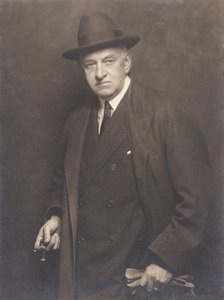
Willard Leroy Metcalf
1858 - 1925 , Stany Zjednoczone
Krótka nota
- Artistic Movement Or Style: Impresjonizm amerykański
- Artists Or Movements Influenced By This Artist: ['Ten American Painters']
- Artists Who Influenced This Artist: ['Monet']
- Date Of Birth: 1858
- Date Of Death: 1925
- Full Name: Willard Leroy Metcalf
- Nationality: Amerykański
- Notable Artworks:
- Gloucester Harbor
- The Golden Carnival
- Place Of Birth: Lowell, USA