

 Podgląd w skali
 Wyślij jako kartkę
 Udostępnij
 Szczegóły dzieła

 Pobierz
 Podobne obiekty
 RTG
RTG Pokaz slajdów
Friedrich rauert

 Rozwiń treść
Ręcznie malowana reprodukcja olejowa
Ręcznie malowany obraz olejny na płótnie, wykonany na zamówienie przez naszych artystów w wybranym przez Ciebie wymiarze i oprawie. ( Zamów wydruk Kup obraz wysokiej rozdzielczości)




































Wybierz spośród naszych standardowych rozmiarów, które zachowują oryginalne proporcje dzieła sztuki.

Możesz wprowadzić własne wymiary, aby dopasować obraz do konkretnej ramy lub przestrzeni. Jeśli wybrany rozmiar nie będzie odpowiadał proporcjom oryginału, przytniecie dzieło sztuki lub rozszerzymy je o dodatkowe elementy, ręcznie domalowane przez artystę. Przed rozpoczęciem produkcji wyślemy projekt cyfrowy do Twojej akceptacji.
Należy pamiętać, że podgląd na ekranie nie odzwierciedla rzeczywistego przycinania ani rozszerzania obrazu. Tylko projekt dokładnie pokaże ostateczną kompozycję.
Choć oferujemy możliwość zamówienia niestandardowych rozmiarów, zalecamy wybór wymiaru z gotowej listy, aby zachować oryginalne proporcje dzieła.
Po złożeniu zamówienia zespół OriginalUniqueArt.com skontaktuje się z klientem drogą mailową w celu uzyskania instrukcji i prześle wizualizację projektu
Dostawa na całym świecie () w ciągu 3–4 tygodni zamiast standardowych 5 tygodni. (21 Sierpień). Bez kompromisów w kwestii jakości.

Bezpłatna ekspresowa wysyłka na cały świat

Wysokiej jakości płótno lniane

Pełne ubezpieczenie przesyłki

Gwarancja zwrotu należności celnych i podatków importowych

Gwarancja wiernego odwzorowania kolorów

Polityka 60-dniowego zwrotu (tylko w przypadku wad)

Gwarancja 100% zwrotu kosztów

Zniżka przy zamówieniu wielu produktów
 Opcja ze szkłem jest dostępna wyłącznie w rozmiarach poniżej 110 cm

Friedrich rauert
Technika reprodukcji
Wymiary reprodukcji
-


Cena całkowita
$ 300
O artyście
A Life Rooted in Realism: Wilhelm Leibl and the Depiction of Bavarian Existence
Wilhelm Maria Hubertus Leibl, born in Cologne in 1844, emerged as a pivotal figure in German painting during a period grappling with artistic identity. His father’s position as director of the cathedral choir instilled an early appreciation for discipline and form, yet Leibl's path wasn’t immediately destined for canvas. An apprenticeship to a locksmith preceded his formal artistic training under Hermann Becker in 1861, signaling a pragmatic grounding before embracing creative pursuits. This initial experience perhaps contributed to the solidity and directness that would later characterize his work. In 1864, he entered the Munich Academy, immersing himself in the established art world but soon seeking alternatives to prevailing Romantic sensibilities. His studies with artists like Carl Theodor von Piloty provided technical foundation, yet it was the arrival of Gustave Courbet in Munich around 1869 that proved truly transformative.The Influence of Courbet and the Pursuit of ‘Alla Prima’
Courbet's exhibition and demonstrations of *alla prima* painting – working directly from nature with bold, immediate brushstrokes – resonated deeply with Leibl and a cohort of young German artists. This approach liberated them from the meticulous academic style then dominant, encouraging a more visceral connection to their subjects. Leibl’s existing admiration for Dutch Old Masters, particularly their mastery of light and character, found new expression through Courbet's influence. His paintings began to loosen in style, embracing thicker applications of paint against darker backgrounds, capturing fleeting moments with an unprecedented immediacy. A brief sojourn to Paris in 1869, facilitated by Courbet’s suggestion, introduced Leibl to Édouard Manet, further broadening his artistic horizons. However, the outbreak of the Franco-Prussian War forced a premature return to Germany in 1870, curtailing what might have been an extended period of Parisian immersion.Bavarian Landscapes and the Essence of Peasant Life
In 1873, Leibl deliberately retreated from Munich’s artistic center, seeking solitude and authenticity in the isolated Bavarian countryside. This marked a turning point in his career. He dedicated himself to depicting the lives of local peasants, not with romanticized idealization, but with unflinching realism. He eschewed sentimentality or anecdotal storytelling, instead focusing on capturing the dignity and hardship inherent in their daily existence. The sketchlike quality of his earlier works gave way to greater precision and a meticulous attention to drawing. Living in Berbling from 1878 to 1882, he produced some of his most celebrated paintings, including Three Women in Church, now housed at the Kunsthalle Hamburg. This masterpiece exemplifies his intensely realistic style, recalling the clarity and psychological depth of Hans Holbein.A Legacy of Realism: The Leibl Circle and Lasting Impact
Leibl’s commitment to representing reality as he perceived it – without embellishment or pretense – earned him recognition as a leading figure in German art. He became the central influence for a group known as the “Leibl-Kreis” (Leibl Circle), which included artists such as Carl Schuch, Wilhelm Trübner, Otto Scholderer, and Hans Thoma. These artists shared Leibl’s dedication to realism and his rejection of academic conventions. He painted directly with color, without preliminary drawings, a technique paralleling the innovations of Impressionism while remaining firmly rooted in observational accuracy. His later works, created during periods living in Bad Aibling and Kutterling, demonstrated a refined balance between disciplined drawing and a newfound luminosity. Wilhelm Leibl died in Würzburg in 1900, leaving behind a body of work that continues to resonate for its honesty, technical mastery, and profound empathy for the lives of ordinary people. His paintings stand as powerful testaments to the beauty and dignity found within the everyday realities of Bavarian existence.
wilhelm maria hubertus leibl
1844 - 1900 , Germany
Krótka nota
- Artistic Movement Or Style: Realism
- Artists Or Movements Influenced By This Artist: ['Leibl Circle']
- Artists Who Influenced This Artist:
- Gustave Courbet
- Hans Holbein
- Date Of Birth: October 23, 1844
- Date Of Death: December 4, 1900
- Full Name: Wilhelm Maria Hubertus Leibl
- Nationality: German
- Notable Artworks:
- Three Women in Church
- Friedrich rauert
- The spinner
- In der Bauernstube
- Place Of Birth: Cologne, Germany
Powiązane artykuły

Trwała Spuścizna Malarstwa Olejnego: Technika, Historia i Estetyczny Wpływ
Poznaj historię i technikę malarstwa olejnego! Eksperckie artykuły o konserwacji, renowacji oraz współczesnych zastosowaniach. Dowiedz się więcej o mistrzach i trwałości obrazów olejnych.

Olej na płótnie: Historia, techniki i ponadczasowy urok malarskiego medium
Poznaj historię i techniki malarstwa olejowego! Od renesansowych mistrzów po współczesne zastosowania – wszystko o oleju na płótnie. Poradniki, konserwacja i inspiracje dla pasjonatów sztuki.

Arcydzieła XIX Wieku: 10 Obrazów Opowiadających Epokę | OriginalUniqueArt
Odkryj 10 arcydzieł XIX wieku! Poznaj historię Monet, Van Gogha i Courbeta. Imesjonizm, realizm, romantyzm – obrazy pełne emocji i piękna czekają na OriginalUniqueArt.com. Znajdź idealny obraz do swojego wnętrza!

The Enduring Power of Painting: A Historical & Contemporary Exploration of Form and Emotion
Explore the rich history & enduring techniques of oil painting with OriginalUniqueArt. Discover masterpieces, learn about art collecting, and find authentic handmade reproductions crafted by skilled artists.
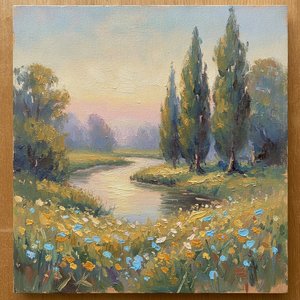
The Timeless Charm of Oil on Board: Reimagining Texture and Light through the Impressionist Lens
Discover the profound intimacy of oil on panel. Explore how Impressionist masters used rigid supports to capture light, texture, and impasto depth through exquisite, handmade oil reproductions for discerning collectors.


