
 Podgląd w skali 1:1
 Wyślij jako kartkę
 Udostępnij
 Szczegóły dzieła
 Przewodnik

 Pobierz obraz
 Podobne obiekty
 RTG
RTG Pokaz slajdów
 Statystyki
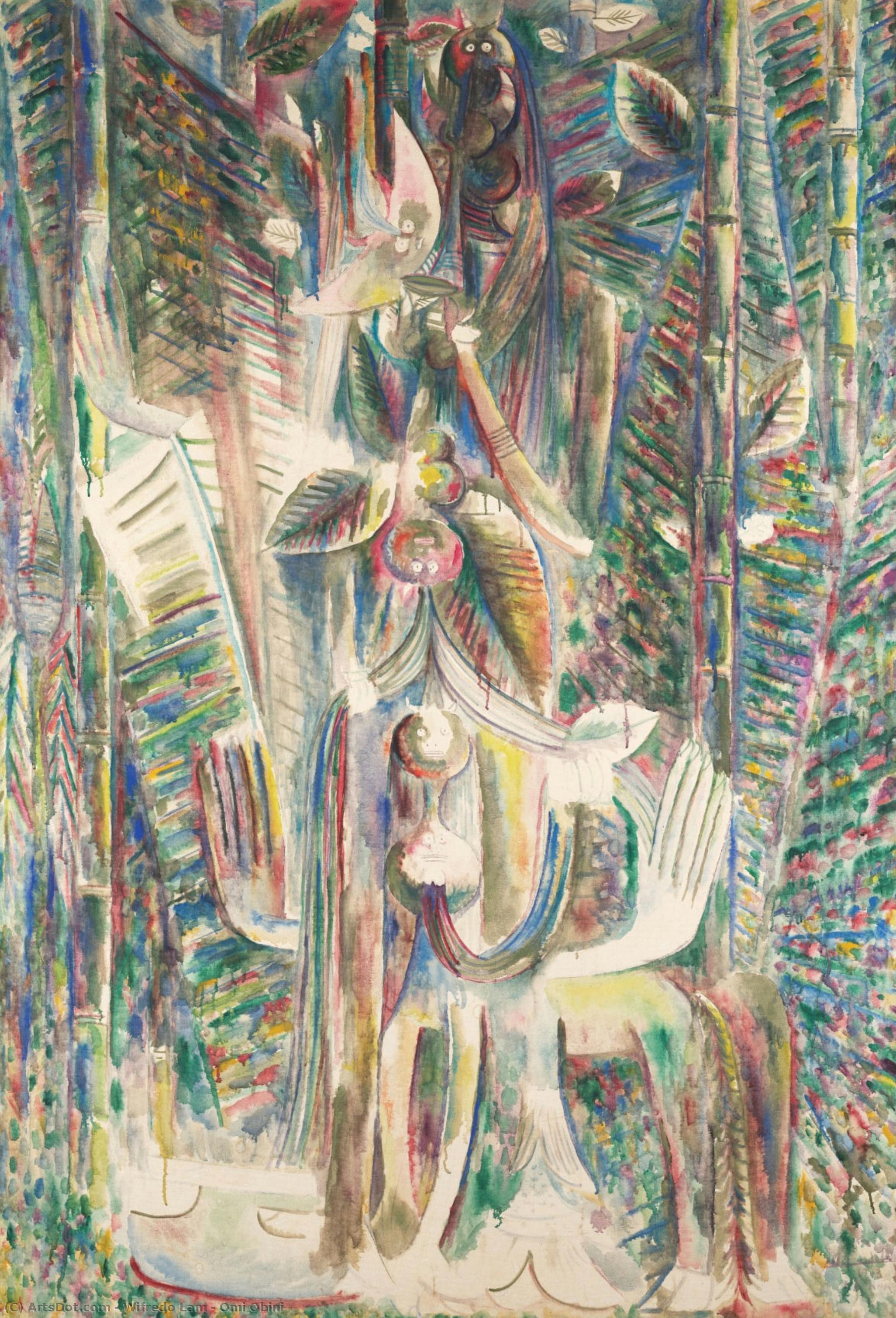
Omi Obini

 Rozwiń treść
Get a print-ready file that goes far beyond the web preview. Every digital image we sell comes from a high-resolution master in our stock database — usually 5,000 to 15,000 pixels wide — so you can print large, crop tightly, or reproduce fine detail with confidence.
No file leaves our studio untouched. A digital expert checks the colors against the original painting and corrects them if needed, then improves clarity and detail with professional retouching tools — always staying faithful to the artist's brushwork and style. The result is an image that looks like the painting, not like a filtered scan.
You approve before you're done: our expert sends the image by e-mail within 72 hours for your review. Not satisfied? Ask for improvements or corrections, or request a refund if the quality falls short.
This is the quality relied on by publishers, design studios, galleries and print shops.
Obraz cyfrowy
Pobierz plik o wysokiej rozdzielczości do osobistego użytku, druku oraz projektów kreatywnych. ( Przełącz na wydania drukowane Zamów ręcznie malowaną reprodukcję)
W każdym zamówieniu na obraz cyfrowy znajduje się
Profesjonalna dostawa cyfrowa z gwarancją
Wybierając OriginalUniqueArt.com, nie otrzymujesz jedynie obrazu – otrzymujesz profesjonalnie udoskonalone cyfrowe dzieło sztuki, stworzone z najwyższą precyzją i objęte gwarancją satysfakcji. Oto wszystko, co automatycznie dołączane jest do Twojego zamówienia:

Błyskawiczna wysyłka e-mailowa
Plik z obrazem cyfrowym w wysokiej rozdzielczości zostanie przesłany na Twój adres e-mail w ciągu 72 godzin od złożenia zamówienia – gotowy do natychmiastowego użycia.

Plik cyfrowy wzbogacony przez AI
Twoja grafika została profesjonalnie zoptymalizowana przy użyciu zaawansowanych narzędzi AI oraz ręcznej edycji, co zapewnia maksymalną szczegółowość, klarowność i wierność kolorów.

Darmowe ponowne przesyłki dożywotnio
Przypadkowo usunąłeś lub zgubiłeś swój plik? Bez obaw – prześlemy go Tobie ponownie w dowolnym momencie, bez żadnych opłat.

Bez opłat importowych – zawsze
Ciesz się swoją sztuką natychmiast, bez żadnych opłat celnych, należności ani kosztów dostawy – pliki cyfrowe są zawsze wolne od podatku.

Gwarancja wierności kolorów
Dzięki zastosowaniu profesjonalnych narzędzi i procesów zarządzania barwą zapewniamy, że Twoje cyfrowe zdjęcie odzwierciedla oryginalne kolory tak wiernie, jak to tylko możliwe.

Gwarancja satysfakcji przez 100 dni
Jeśli nie będziesz zadowolony ze swojego cyfrowego obrazu, dokonamy jego poprawki lub zwrócimy 100% kosztów w ciągu 100 dni – bez zbędnych pytań.

100% Gwarancja zwrotu pieniędzy
Nie jesteś zadowolony? Otrzymaj pełny zwrot kosztów w ciągu 100 dni od otrzymania pliku cyfrowego – bez zbędnych pytań.

Rabaty przy zamówieniach hurtowych
Kup 3 obrazy, oszczędź 10% - Kup 5, oszczędź 15% - Kup 10+, oszczędź 20%. Idealne do projektów kreatywnych, galerii i agencji.
Pytania i odpowiedzi
Ile lat miał(a) Wifredo Lam, tworząc "Omi Obini" w 1943 roku?
Gdy w 1943 roku powstało dzieło „Omi Obini”, Wifredo Lam – urodzony/a w 1902 – miał/a 41 lat.
Jakie inne pseudonimy lub nazwy stosuje Wifredo Lam?
Wifredo Lam występuje również pod innymi nazwiskami: Wifredo Óscar De La Concepción Lam Y Castilla, Lam-Yam, Wifredo A. Ferrer, Wilfredo.
W którym roku powstało dzieło "Omi Obini"?
"Omi Obini" powstało w 1943 roku. Data ta pozwala umiejscowić dzieło w kontekście twórczości Wifredo Lam oraz epoki, w której powstało.
Biografia artysty
Wifredo Lam - A Crossroads of Cultures: The Life and Art of Wifredo Lam
Wifredo Óscar de la Concepción Lam y Castilla, known simply as Wifredo Lam, was a painter who embodied the complexities of cultural identity in the 20th century. Born in Sagua La Grande, Cuba, in 1902, his very lineage spoke to the island’s layered history – a father descended from Chinese immigrants and a mother tracing her roots back to Spanish conquistadors and enslaved Africans. This multicultural heritage wasn't merely biographical detail; it became the wellspring of his artistic vision, fueling a unique style that fused European modernism with Afro-Cuban spirituality and symbolism. Lam’s early life was marked by an initial pursuit of law in Havana, but even amidst legal studies, he found himself drawn to the natural world, spending time at the botanical gardens – a foreshadowing of the organic forms that would later dominate his canvases. Formal artistic training followed at the Escuela de Bellas Artes in Havana and then in Madrid under Fernando Álvarez de Sotomayor y Zaragoza, where he absorbed traditional techniques while simultaneously beginning to question their limitations.Early Life and Influences
Wifredo Lam’s formative years were shaped by a profound encounter with his family’s heritage. His father, Enrique Lam-Yam, was a Chinese immigrant from Canton (Guangdong province) who arrived in Cuba as part of the late-19th-century wave of Chinese laborers and merchants. Enrique instilled in Wifredo a fascination for Eastern aesthetics and philosophy—a connection that would resonate throughout his artistic career. Simultaneously, Ana Serafina Catilla, Lam’s mother, descended from Spanish conquistadors and enslaved Africans, embodying the enduring legacy of colonialism. Growing up amidst Sagua La Grande's vibrant Afro-Cuban culture exposed him to rituals and traditions rooted in Santería—a religion blending Yoruba cosmology with Catholicism—influencing his artistic symbolism and worldview. Early exposure to the Prado Museum’s masterpieces ignited a passion for Surrealism and Pieter Bruegel the Elder’s unsettling visions, fostering an appreciation for allegory and psychological depth. These influences would coalesce into Lam’s distinctive style: a synthesis of European modernism and Afro-Cuban spirituality.European Encounters and Artistic Transformation
Lam’s time in Spain proved transformative. Studying under Fernando Álvarez de Sotomayor y Zaragoza at the Academy of Fine Arts in Madrid, he honed his skills in traditional painting techniques while simultaneously challenging their conventions. He was particularly captivated by Velázquez’s masterful realism and Goya’s unflinching portrayal of social injustice—artists who served as models for Lam's own artistic explorations. The Museo Nacional Centro de Arte Reina Sofía housed many paintings that inspired him, especially Picasso’s innovative Cubist approach. His encounter with Pablo Picasso was decisive, fostering a lifelong friendship and introducing him to fellow artists like Joan Miró and André Breton—figures who championed Surrealism as a means of accessing the unconscious mind. Lam embraced Surrealist techniques—automatic drawing and collage—experimenting with dreamlike imagery and disrupting conventional perspectives. This period solidified his commitment to artistic innovation and fueled his desire to express complex psychological states through visual language.The Surrealist Vision and Artistic Output
Lam’s involvement in the Surrealist movement resulted in a prolific output of paintings, drawings, and sculptures—each reflecting his preoccupation with themes of identity, spirituality, and social critique. His early works showcased a masterful command of traditional realism, capturing landscapes and still lifes with meticulous detail. However, as he matured, Lam increasingly sought to transcend representational conventions, embracing abstraction and exploring the expressive potential of color and form. The *Fata Morgana Suite*, created between 1940 and 1941 during his exile in Paris—influenced by Breton’s poetic explorations—demonstrates his ability to translate literary concepts into compelling visual narratives. Lam's exploration of Surrealist imagery—particularly masks, fragmented figures, and dreamlike landscapes—became a hallmark of his artistic style. He skillfully blended Cubist techniques with Surrealist sensibilities, creating canvases that challenged viewers’ perceptions and provoked contemplation about the human condition.Legacy and Recognition
Wifredo Lam died in Paris on September 11, 1982, leaving behind an unparalleled artistic legacy—one celebrated globally for its boldness, originality, and profound engagement with cultural heritage. His monumental painting *La Jungla* (1943), considered his masterpiece, exemplifies this distinctive aesthetic vision. Created during his exile in Martinique and Cuba, the canvas depicts a dense tropical landscape populated by fantastical hybrid figures—a synthesis of human, animal, and vegetal forms—infused with symbolism drawn from Afro-Cuban religious rituals and traditions. Lam’s work continues to inspire artists and scholars alike, recognized as a pivotal contribution to modern art history and a testament to the transformative power of intercultural dialogue. His paintings stand as enduring emblems of cultural identity and artistic innovation—a legacy that secures his place among the most influential figures of the 20th century.
Wifredo Lam
1902 - 1982 , Cuba
Krótka nota
- Artistic Movement Or Style: Surrealism, Cubism
- Artists Or Movements Influenced By This Artist: ['Afro-Caribbean artists']
- Artists Who Influenced This Artist:
- Pablo Picasso
- Henri Matisse
- Bosch
- Bruegel the Elder
- Date Of Birth: December 8, 1902
- Full Name: Wifredo Óscar de la Concepción Lam y Castilla
- Nationality: Cuban
- Notable Artworks:
- The Jungle
- Two Heads
- Place Of Birth: Sagua La Grande, Cuba