Rozmiar tekstu

() ·

Obraz stworzony dla Ciebie, własnoręcznie

Karachi III

Ręcznie malowana reprodukcja olejowa

Ręcznie malowany obraz olejny na płótnie, wykonany na zamówienie przez naszych artystów w wybranym przez Ciebie wymiarze i oprawie. ( Przełącz na wydania drukowane Przejdź do wersji cyfrowej)

Opis obiektu

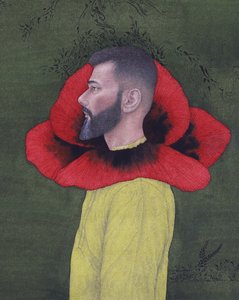
A striking blend of traditional miniature painting and contemporary political commentary, Karachi III by Waseem Ahmed uses intricate imagery and gold leaf to explore themes of displacement and invite deep contemplation.

Biografia artysty

Explore Waseem Ahmed’s intricate miniature paintings blending Asian & European art. Socially conscious works addressing contemporary issues with gold leaf & experimental techniques.

od ·

Rozdział 1

Jak duży powinien być ten format?

Przesuń suwak, aby zmienić rozmiar; obraz po lewej stronie przedstawia ramę w jej rzeczywistej szerokości. Zachowano proporcje oryginału.

Standardowy format
personalizowane
CM
INCH

Wybierz spośród naszych standardowych rozmiarów, które zachowują oryginalne proporcje dzieła sztuki.

szerokość
wysokość

Wpisz wymaganą szerokość i wysokość, aby obraz pasował do Twojej ramy lub ściany. Ponieważ jest to dzieło malowane ręcznie, w przypadku rozmiaru o innych proporcjach artysta może domalować nieco więcej wokół obrazu lub przyciąć jego fragmenty — wybór należy do Ciebie. Przed rozpoczęciem pracy prześlemy Ci cyfrową wizualizację do zatwierdzenia. Obraz widoczny na tej stronie nie przedstawia rzeczywistego efektu — jedynie wizualizacja oddaje realny rezultat.

Rozdział 2

W jaki sposób ma zostać dostarczone?

Wybierz krawędzie płótna naciągniętego na ramę

Wybierz ramę

Corner sample of the WhiteWrap canvas edge finish, stretched on lite drewno bars
Białe krawędzie zł1
Corner sample of the BlurSideWrap canvas edge finish, stretched on lite drewno bars
rozmyte krawędzie zł1
Corner sample of the ExtendedWrap canvas edge finish, stretched on lite drewno bars
Przedłużony zł1
Corner sample of the P118B picture frame: polistyren formowany, 5 cm wide and 3 cm thick
P118B zł10
Corner sample of the P118H picture frame: polistyren formowany, 5 cm wide and 3 cm thick
P118H zł10
Corner sample of the P118W picture frame: polistyren formowany, 5 cm wide and 3 cm thick
P118W zł10
Corner sample of the P438Z picture frame: polistyren formowany, 5.5 cm wide and 3.5 cm thick
P438Z zł10
Corner sample of the P508JH picture frame: polistyren formowany, 7 cm wide and 3.5 cm thick
P508JH zł12
Corner sample of the P508YH picture frame: polistyren formowany, 7 cm wide and 3.5 cm thick
P508YH zł12
Corner sample of the P805H picture frame: polistyren formowany, 5 cm wide and 3.5 cm thick
P805H zł10
Corner sample of the P805Z picture frame: polistyren formowany, 5 cm wide and 3.5 cm thick
P805Z zł10
Corner sample of the P919BZ picture frame: polistyren formowany, 7 cm wide and 3.5 cm thick
P919BZ zł10
Corner sample of the P919G picture frame: polistyren formowany, 7 cm wide and 3.5 cm thick
P919G zł10
Corner sample of the P919XJ picture frame: polistyren formowany, 7 cm wide and 3.5 cm thick
P919XJ zł10
Corner sample of the P959ZH picture frame: polistyren formowany, 5 cm wide and 3 cm thick
P959ZH zł10
Corner sample of the P968JZ picture frame: polistyren formowany, 6 cm wide and 4 cm thick
P968JZ zł12
Corner sample of the W106C picture frame: lite drewno, 5 cm wide and 3 cm thick
W106C zł8
Corner sample of the W218G picture frame: lite drewno, 5 cm wide and 3 cm thick
W218G zł10
Corner sample of the W218JH picture frame: lite drewno, 5 cm wide and 3 cm thick
W218JH zł8
Corner sample of the W218Y picture frame: lite drewno, 5 cm wide and 3 cm thick
W218Y zł10
Corner sample of the W307PJ picture frame: lite drewno, 6 cm wide and 3 cm thick
W307PJ zł10
Corner sample of the W316G picture frame: lite drewno, 6 cm wide and 3 cm thick
W316G zł10
Corner sample of the W316PJ picture frame: lite drewno, 6 cm wide and 3 cm thick
W316PJ zł8
Corner sample of the W316Y picture frame: lite drewno, 6 cm wide and 3 cm thick
W316Y zł10
Corner sample of the W398PJ picture frame: lite drewno, 5 cm wide and 3 cm thick
W398PJ zł8
Corner sample of the W4111J picture frame: lite drewno, 6.5 cm wide and 3.5 cm thick
W4111J zł10
Corner sample of the W500HY picture frame: lite drewno, 7 cm wide and 5 cm thick
W500HY zł15
Corner sample of the W500JH picture frame: lite drewno, 7 cm wide and 5 cm thick
W500JH zł15
Corner sample of the W692G picture frame: lite drewno, 8 cm wide and 4 cm thick
W692G zł12
Corner sample of the W849H picture frame: lite drewno, 5 cm wide and 3 cm thick
W849H zł8
Corner sample of the W940BG picture frame: lite drewno, 7.5 cm wide and 4.5 cm thick
W940BG zł15
Corner sample of the W953PJ picture frame: lite drewno, 6 cm wide and 3.5 cm thick
W953PJ zł8
Corner sample of the H24-GOLD picture frame: rzeźbione drewno pokryte gipsem, 10 cm wide and 6 cm thick
H24-GOLD zł30
Corner sample of the H24-SILVER picture frame: rzeźbione drewno pokryte gipsem, 10 cm wide and 6 cm thick
H24-SILVER zł30
Corner sample of the H36-GOLD picture frame: rzeźbione drewno pokryte gipsem, 15 cm wide and 6.5 cm thick
H36-GOLD zł45
Corner sample of the H36-SILVER picture frame: rzeźbione drewno pokryte gipsem, 15 cm wide and 6.5 cm thick
H36-SILVER zł45

Profil: . Wymiar całkowity w ramie: .

Rozdział 3

Kto go maluje i czy coś powinno ulec zmianie?

Przykłady możliwych zmian: Zastąpienie twarzy zdjęciem klienta; Dodanie zwierzęcia (np. zamiana kota na psa); Ukrycie wiadomości w tle; Zmiana krajobrazu lub elementów tła.
Po złożeniu zamówienia zespół OriginalUniqueArt.com skontaktuje się z klientem drogą mailową w celu uzyskania instrukcji i prześle podgląd projektu

Dostawa na całym świecie () w ciągu 3–4 tygodni zamiast standardowych 5 tygodni. (8 Listopad). Bez kompromisów w kwestii jakości.

Rozdział 4

Ostatnie szlify

Tabliczka informacyjna, jak w muzeum?

Szczegóły grawerowanej brązowej tabliczki

This elegant plaque features the artist's name and the title of the artwork, finely engraved for a timeless presentation.

It is made from bronze with a refined, elegant finish. The text is precisely laser-engraved for a sharp and permanent result. Measuring 9x2 cm, the plaque is compact yet easy to read. It's built to be durable and scratch-resistant, offering a professional, museum-quality look. Mounting is simple thanks to the included adhesive backing.

Szczegóły przezroczystej tabliczki akrylowej

The plaque includes essential engraved details such as the artist's name, the title of the artwork, the date it was created, the type of media used-like oil on canvas or watercolor-a brief description of the piece, and a QR code that links to the complete artwork information.

It is crafted from clear acrylic, offering a sleek, modern appearance. The text is UV-engraved in black to ensure strong visual contrast. With a size of 10x15 cm, it ensures optimal readability. It comes equipped with two metal hooks for secure wall mounting. The plaque is designed to be weather-resistant, making it suitable for various environments, and it includes interactive features that work seamlessly with smartphone scanning.

Szczegóły czarnej tabliczki akrylowej

This elegant plaque includes engraved information such as the artist's name, the title of the artwork, the date it was created, the type of media used (like oil on canvas or watercolor), a short description of the artwork, and a QR code for quick access to more information.

The plaque itself is made from refined black acrylic with a premium finish. The text is laser-engraved in white for high contrast and readability. Its size is 10x15 cm, designed to be easy to read. It comes with two metal hooks for professional mounting. The design is sleek and fits any interior style. It is also weather-resistant and durable, with built-in digital integration for mobile compatibility.

Werniks ochronny?

Kiedy potrzebujesz dostawy?

Rozdział 5

Twoje dzieło, dokładnie tak, jak zamówiłeś

Karachi III

Technika reprodukcji

Wymiary reprodukcji

-

Wybitny mistrz artystyczny

Większa szczegółowość, finezja i dodatkowy czas na realizację

-

Opcje oprawy reprodukcji

-

-

W przypadku dzieł sztuki lub reprodukcji, których którykolwiek z boków przekracza 105 cm (około 41 cali), rama zostanie wysłana w formie zestawu do samodzielnego montażu. Metoda ta zapewnia bezpieczną dostawę i zapobiega uszkodzeniom podczas transportu.

Wymagany profesjonalny montaż – nie jest to produkt typu DIY.
Zestaw musi zostać złożony, a płótno naciągnięte przez doświadczonego profesjonalnego ramiarza, przy użyciu kleju do drewna (brak w zestawie), kleszczy do naciągania płótna oraz ścisków, które utrzymają krosna w równej pozycji podczas schnięcia kleju. Nieprawidłowy montaż lub nierównomierne napięcie płótna może trwale uszkodzić dzieło sztuki i nie podlega naszej gwarancji.

  • W zestawie znajdują się wszystkie listwy z litego drewna, precyzyjnie docięte do wymiarów.

  • Montaż odbywa się przy użyciu dołączonych wkrętów oraz kleju do drewna do łączenia narożników, którego zestaw nie zawiera i który musi zostać dostarczony przez ramiarza.

  • Wymagane są profesjonalne narzędzia, których nie ma w zestawie: kleszcze do naciągania płótna (napinacz) oraz zaciski, które pozwolą utrzymać listwy w równej pozycji podczas schnięcia kleju.

Ważne:
Do połączenia narożników niezbędny jest klej do drewna, listwy należy unieruchomić za pomocą ścisków do momentu całkowitego wyschnięcia kleju, a naciągnięcie płótna na złożoną ramę wymaga użycia kleszczy do naciągania płótna. Żaden z tych elementów nie jest dołączony do zestawu. Przed zamówieniem tego rozmiaru zalecamy konsultację z doświadczonym ramiarzem.

Etykieta obiektu

-

-

Lakier ochronny

Lakier z połyskiem (pogłębia kolory, chroni przed światłem i wilgocią)

-

Personalizacja dzieła

Przykłady możliwości personalizacji: zastąp twarz zdjęciem klienta; dodaj zwierzę domowe (np. zamień kota na psa); umieść ukrytą wiadomość w tle; zmień krajobraz lub elementy tła.

-

Ekspresowa

Dostawa na cały świat () w ciągu 3–4 tygodni zamiast standardowych 5 tygodni. (8 Listopad). Bez kompromisów w kwestii jakości.

-

Przesyłka ekspresowa

Dostawa na cały świat () w ciągu 5 tygodni. (15 Listopad).

W cenie

Cena całkowita

zł 1174

Suma całkowita zł 1174

Opcja ze szkłem jest dostępna wyłącznie w rozmiarach poniżej 110 cm

W każdym zamówieniu

  • Bezpłatna ekspresowa wysyłka na cały świat
  • Wysokiej jakości płótno lniane
  • Pełne ubezpieczenie przesyłki
  • Gwarancja zwrotu należności celnych i podatków importowych
  • Gwarancja wiernego odwzorowania kolorów
  • 100-dniowa polityka zwrotów (tylko w przypadku wad)
  • Gwarancja 100% zwrotu pieniędzy
  • Zniżka przy zakupie wielu sztuk

A Tapestry of Memory and Architecture

In the delicate, intricate world of Waseem Ahmed’s Karachi III, the viewer is invited into a space where history and architecture collide with profound emotional weight. Created in 2015, this miniature masterpiece serves as more than just a depiction of structural forms; it is a haunting meditation on displacement and the enduring presence of the past. The painting presents a striking composition of stone-like buildings crowned by domes, set against a visceral, saturated red background that commands immediate attention. This crimson expanse does not merely serve as a backdrop but acts as an atmospheric force, suggesting themes of passion, conflict, or perhaps the blood-stained memories of a migratory history. Through the careful arrangement of two prominent domes and secondary structures, Ahmed creates a sense of depth that pulls the eye into a complex, layered landscape where every architectural detail feels heavy with significance.

The artist’s technique is a masterful bridge between the ancient traditions of Pakistani miniature painting and the urgent language of contemporary art. Ahmed utilizes the meticulous precision characteristic of the Mughal tradition to render the sturdy, weathered textures of the buildings, yet he disrupts this classical serenity with experimental flourishes. The inclusion of subtle gold leaf or decorative elements adds an unexpected touch of elegance and light, catching the eye and providing a shimmering contrast to the somber, earthy tones of the masonry. This interplay between the matte surfaces of the stone and the reflective brilliance of the gold creates a tactile quality that makes the work feel alive, inviting collectors and designers alike to appreciate the physical craftsmanship inherent in this reproduction.

Symbolism and the Weight of History

To understand Karachi III is to understand the biography of Waseem Ahmed himself. Born into a Muhajir family that experienced the trauma of migration following the Partition, Ahmed uses the miniature format—a medium traditionally used for courtly elegance—to portray subjects of deep political and personal pain. The architecture in this piece functions as a symbol of permanence and fragility; while the stone structures appear resolute, their placement within such an intense, monochromatic environment suggests a vulnerability to the tides of time and political upheaval. The domes, iconic symbols of religious and cultural identity, are rendered with a precision that honors tradition while simultaneously questioning whether the scars of history can ever truly heal.

For the discerning art lover or interior designer, this piece offers a sophisticated focal point that transcends mere decoration. It is an intellectual conversation piece, perfect for spaces that value depth, narrative, and cultural resonance. The painting’s ability to blend the delicate with the monumental makes it an ideal acquisition for those seeking to introduce a sense of contemplative luxury into a modern setting. Whether displayed in a private gallery or as part of a curated collection, Karachi III remains a powerful testament to the resilience of the human spirit and the enduring power of art to transform historical trauma into breathtaking beauty.

Pytania i odpowiedzi

W którym roku powstało „Karachi III” – Waseem Ahmed?

"Karachi III" powstało w 2015 roku. Data ta pozwala umiejscowić dzieło w kontekście twórczości Waseem Ahmed oraz epoki, w której powstało.

Jak emocje i okazja do obdarowania łączą się w przypadku „Karachi III” – Waseem Ahmed?

Somber nastrój dzieła „Karachi III” – Waseem Ahmed idealnie pasuje do rekomendowanej okazji na prezent: Corporate Gift.

Czy dzieło „Karachi III” – Waseem Ahmed, znajdujące się w zbiorach ILHAM Gallery, może być legalnie reprodukowane?

Status praw autorskich do dzieła „Karachi III” – Waseem Ahmed jest jasny: utwór znajduje się w nadal objęte ochroną prawa autorskiego. Jego obecność w ILHAM Gallery nie zmienia tego stanu rzeczy.

Więcej o tym obrazie

Podgląd w skali 1:1 Podgląd AR Przełącz na wydania drukowane Przejdź do wersji cyfrowej Wyślij jako kartkę
Szczegóły dzieła Przewodnik Dodaj do ulubionych Pobierz obraz Podobne obiekty RTG Pokaz slajdów Pytania i odpowiedzi Statystyki

W liczbach

  • 2015rok powstania dzieła
  • 29dostępne ramy do wyboru
  • standardowe formaty, w ich własnych proporcjach
  • 5tygodni na namalowanie i dostarczenie dzieła

O oryginale

Wymiary
34.0 x 20.0 cm
Waseem Ahmed

Waseem Ahmed

1976 - , Pakistan

Krótkie informacje o Waseem Ahmed

  • Full Name: Waseem Ahmed
  • Nationality: Pakistani
  • Date Of Birth: 1976
  • Place Of Birth: Hyderabad, Pakistan
  • Notable Artworks:
    • Untitled (Myth and Realities Series)
    • Karachi III
  • Artistic Movement Or Style: Miniature Painting
  • Artists Or Movements Influenced By This Artist: ['Traditional Miniature']

Biografia artysty

Waseem Ahmed: Bridging Tradition and Innovation in Miniature Painting

Waseem Ahmed (born 1976 in Hyderabad, Pakistan) stands as a prominent figure within the contemporary miniature painting landscape of Pakistan. His artistic journey began with a Bachelor’s degree in Fine Arts from University of Sindh followed by another focused exploration into the intricate art form of miniature painting at National College of Arts Lahore—a foundation that profoundly shaped his distinctive style and worldview.

  • Early Influences: Ahmed's artistic sensibilities were nurtured within a Muhajir family tradition, deeply rooted in migration from India following Partition. This formative experience instilled a sensitivity to displacement and resilience – themes that would later permeate his artwork.
  • Formal Training & Technique: Recognizing the importance of mastering foundational skills, he pursued a Bachelor’s degree in Miniature Painting at National College of Arts Lahore where he honed his craft utilizing traditional techniques like gouache and gold leaf on wasli paper alongside experimental explorations.
  • Academic Career: Since 2001, Ahmed has served as Visiting Assistant Professor at the Miniature Painting Department of National College of Arts, fostering a new generation of artists while maintaining an unwavering dedication to preserving and innovating upon classical traditions.

Ahmed’s artistic vision transcends mere replication; he seeks to engage with complex social, political, and cultural narratives. His vocabulary draws inspiration from both Asian and European art history and mythology—a deliberate juxtaposition that encourages viewers to contemplate multifaceted perspectives.

His works often depict scenes imbued with symbolic resonance – animals representing spiritual concepts, bearded men embodying wisdom and authority, and surfaces bearing traces of violence or contemplation. These elements converge to create layered meanings that invite introspection and challenge conventional interpretations.

Notable Achievements & Artistic Style

Ahmed’s artistic style is characterized by meticulous detail and a masterful command of color—particularly the use of gold leaf and silver leaf on wasli paper, techniques rooted in Mughal painting history. This stylistic choice isn't simply nostalgic; it represents a conscious effort to honor heritage while simultaneously pushing boundaries.

  • The Humboldt Lab Dahlem Project: A pivotal moment in Ahmed’s career arrived with his participation in the Humboldt Lab Dahlem project, where he collaborated with the Museum für Asiatische Kunst in Berlin. This residency spurred him to create a new body of work—a dialogue between traditional miniature techniques and contemporary artistic experimentation.
  • Retrospective Exhibition: His retrospective at the Museum für Asiatische Kunst in 2014–2015 solidified his reputation as a visionary artist, showcasing a comprehensive collection of paintings that reflected his stylistic evolution and thematic preoccupations.
  • Recognition & Awards: Ahmed’s work has garnered international acclaim—displayed in institutions such as the British Museum and recognized with prestigious awards like Tamgha-e-Imtiaz for excellence in art.

Exploring Recurring Themes & Symbolism

Ahmed consistently tackles pressing social issues—conflict, displacement, and cultural identity—through his miniature paintings. His imagery is rich in symbolism, drawing upon archetypal figures and motifs from Asian and European traditions.

  • Mythological References: Recurring references to mythology—particularly depictions of animals and bearded men—serve as conduits for conveying spiritual ideas and exploring universal human experiences.
  • Social Commentary: Ahmed’s paintings often critique societal injustices and inequalities, prompting viewers to confront uncomfortable truths about the human condition.
  • Experimental Techniques: Alongside traditional methods, Ahmed incorporates innovative approaches—such as layering textures and manipulating color palettes—to amplify his artistic message and engage audiences on a visceral level.

Selected Works & Exhibitions

Ahmed’s oeuvre encompasses a diverse range of subjects—from landscapes to portraits to narratives inspired by folklore—each meticulously rendered in miniature scale.

  • “Untitled (Myth and Realities Series)” – Demonstrates Ahmed's ability to synthesize disparate influences into cohesive artistic statements.
  • “Karachi III” – Represents a significant contribution to the vibrant Karachi art scene, showcasing Ahmed’s commitment to documenting urban life and cultural heritage.
  • Collaborations & Residencies: His involvement in collaborative projects—such as “Maria Waseem & Waseem Ahmed”—highlights his openness to artistic dialogue and expands his creative horizons.

Waseem Ahmed’s enduring legacy rests on his unwavering dedication to preserving the traditions of miniature painting while simultaneously embracing innovation—a testament to his artistry and a beacon for future generations of Pakistani artists.

Najważniejsze informacje

  • Year: 2015
  • Artistic style: Contemporary miniature painting
  • Subject or theme: Political issues and religious symbols
  • Title: Karachi III