

 Zobacz w skali 1:1
 Wyślij
 Udostępnij
 Szczegóły

 Pobierz plik obrazu
 Podobne obiekty
 RTG
RTG Pokaz slajdów
 Statystyki
St Stephen is Consecrated Deacon
 Acrylic On Canvas
- WallArt
- Venetian Renaissance
 1511
1511 148.0 x 231.0 cm
 Staatliche Museen zu Berlin
 Czytaj więcej
Giclée / Wydruk artystyczny
Wydruki giclée lub płótna o jakości muzealnej, szybka realizacja i szeroki wybór opcji wykończenia. ( Kup ręcznie malowany obraz Przełącz na wersję cyfrową)




P118B $10

P118H $10

P118W $10

P438Z $10

P508JH $12

P508YH $12

P805H $10

P805Z $10

P919BZ $10

P919G $10

P919XJ $10

P959ZH $10

P968JZ $12

W106C $8

W218G $10

W218JH $8

W218Y $10

W307PJ $10

W316G $10

W316PJ $8

W316Y $10

W398PJ $8

W4111J $10

W500HY $15

W500JH $15

W692G $12

W849H $8

W940BG $15

W953PJ $8




Wybierz spośród naszych standardowych rozmiarów, które zachowują oryginalne proporcje dzieła sztuki.

Możesz wprowadzić własne wymiary, aby dopasować dzieło do konkretnej ramy lub przestrzeni. Jeśli wybrany rozmiar nie będzie odpowiadał proporcjom oryginalnego obrazu, przytniecie dzieło lub rozszerzymy obraz za pomocą odbicia lustrzanego lub jednolitego wypełnienia krawędzi. Przed rozpoczęciem produkcji prześlemy cyfrową wizualizację do Twojej akceptacji.
Prosimy pamiętać, że podgląd na ekranie nie odzwierciedla faktycznego przycinania ani rozszerzania. Tylko wizualizacja dokładnie pokaże końcową kompozycję.
Mimo dostępności niestandardowych rozmiarów, zalecamy wybór wymiaru z listy zdefiniowanej, aby zachować oryginalne proporcje.
Dostawa na cały świat () w ciągu 2 tygodni zamiast standardowych 4/5 tygodni. (15 Wrzesień)

Bezpłatna ekspresowa wysyłka na cały świat

Wysokiej jakości płótno lniane

Pełne ubezpieczenie transportowe

Gwarancja zwrotu należności celnych i podatków importowych

Gwarancja idealnego odwzorowania barw

100-dniowy okres na zwrot dzieła w przypadku wykrycia wad produkcyjnych

Gwarancja 100% zwrotu pieniędzy

Oferta przy zakupie wielu sztuk
 Opcja ze szkłem jest dostępna wyłącznie w rozmiarach poniżej 110 cm

St Stephen is Consecrated Deacon
Giclée / Wydruk artystyczny
Rozmiar reprodukcji
-


Suma do zapłaty
$ 80
The Sacred Narrative of Vittore Carpaccio’s “St Stephen is Consecrated Deacon”
Vittore Carpaccio's "St Stephen is Consecrated Deacon," painted in 1511, isn’t merely a depiction of a biblical event; it’s a vibrant tableau brimming with Venetian artistry and profound spiritual resonance. This tempera on panel masterpiece, now residing within the Staatliche Museen in Berlin, transports us to a bustling Roman street scene, meticulously rendered with an almost photographic realism that was revolutionary for its time. Carpaccio, deeply influenced by the early Italian Renaissance – particularly Antonello da Messina’s mastery of perspective and detail – eschewed the prevailing humanist trends, instead embracing a more conservative style rooted in Byzantine iconography and the meticulous observation of the world around him. The painting captures not just a moment in St Stephen's life, but also the very essence of Venetian civic pride and religious fervor.A Scene of Ceremony and Community
The heart of the composition is undoubtedly St. Stephen himself, kneeling before St. Peter, who bestows upon him the sacred mantle of deacon. Carpaccio masterfully orchestrates a complex arrangement of figures – at least fourteen individuals are visible within the frame – creating a dynamic sense of movement and engagement. The scene unfolds against a backdrop of an identifiable Roman street, complete with architectural details that hint at the grandeur of the city. A striking horse stands to the left, adding a touch of theatricality and emphasizing the importance of this momentous occasion. The crowd is diverse, reflecting the cosmopolitan nature of Venice itself – merchants in their finery mingle with ordinary citizens, all drawn together by the spectacle unfolding before them. Carpaccio’s skill lies not just in depicting individual faces but in conveying the collective energy of a community witnessing a pivotal religious event.Technique and Symbolism: A Venetian Masterpiece
Carpaccio's technique is characterized by its meticulous detail and rich, layered colors. The tempera medium allowed for incredible luminosity and depth, particularly evident in the rendering of fabrics, textures, and architectural elements. Notice the subtle gradations of color used to depict the folds of clothing, the sheen of metal, and the varied surfaces of the buildings. The painting’s composition is carefully balanced, drawing the eye from St. Stephen's kneeling posture towards St. Peter and then outwards to encompass the entire scene. The use of perspective, though not entirely groundbreaking for its time, is remarkably sophisticated, creating a convincing illusion of depth and space. Symbolically, the painting is rich with meaning. The presence of the horse could represent Christ’s sacrifice, while the diverse crowd symbolizes the universal appeal of St. Stephen's message. The act of consecration itself signifies a transition – from earthly concerns to divine service – a central theme in Christian theology.Historical Context and Artistic Legacy
“St Stephen is Consecrated Deacon” was created during a period of significant artistic innovation in Venice, where the influence of Northern European painting—particularly the meticulous detail and realism of Flemish artists—was increasingly felt. Carpaccio skillfully blended these influences with his own distinctive style, creating a unique and compelling visual language. The painting’s subject matter – a biblical narrative – was also highly popular during this period, reflecting the growing importance of religious imagery in Venetian society. It's fascinating to consider that Carpaccio painted this work shortly before the completion of his monumental “Legend of St. Ursula,” demonstrating his continued engagement with large-scale narrative cycles. The painting’s enduring appeal lies not only in its technical brilliance but also in its ability to evoke a sense of immediacy and emotional connection, transporting us back to a vibrant moment in Christian history.A Timeless Reflection on Faith and Community
Ultimately, “St Stephen is Consecrated Deacon” transcends the boundaries of mere historical documentation. It’s a powerful meditation on faith, community, and the transformative power of belief. The painting's enduring legacy lies in its ability to capture the spirit of a pivotal moment – the consecration of St. Stephen as a deacon – with remarkable clarity and emotional depth. Reproductions of this masterpiece offer an opportunity to bring this extraordinary work into any setting, allowing viewers to experience firsthand the artistry and spiritual resonance that have captivated audiences for centuries.Biografia artysty
Early Life and Training
Vittore Carpaccio, a prominent Italian painter of the Venetian school, was born in Venice around 1465. He descended from a family of fishermen and boat builders—a heritage that instilled in him an appreciation for craftsmanship and observation of nature. His artistic education began under the tutelage of Gentile Bellini, a celebrated artist of the Venetian Renaissance, whose workshop fostered a tradition of meticulous detail and narrative storytelling. This formative apprenticeship profoundly shaped Carpaccio’s future artistic endeavors, equipping him with foundational skills and introducing him to the stylistic conventions of his time.Artistic Style and Influences
Carpaccio's distinctive style was characterized by its remarkable conservatism—a deliberate rejection of the radical innovations sweeping through Italian art during the humanist era. Unlike many of his contemporaries who embraced new perspectives and experimented with groundbreaking techniques, Carpaccio adhered to established artistic traditions, primarily influenced by Antonello da Messina’s refined realism and early Netherlandish painting. This singular blend resulted in a visual language that was both deeply rooted in Venetian heritage and subtly informed by Northern European aesthetics. His palette favored muted hues—particularly deep reds and blues—creating an atmosphere of solemn contemplation and conveying profound emotional depth.Notable Works
Carpaccio’s artistic output spanned from 1490 to 1519, cementing his position as one of the earliest masters of the Venetian Renaissance. Among his most enduring achievements is undoubtedly “The Legend of Saint Ursula,” a monumental cycle of nine paintings housed in the Gallerie dell'Accademia—a testament to Carpaccio’s unparalleled ability to depict biblical narratives with breathtaking accuracy and emotional resonance. The altarpiece depicting Saint Ursula and her companions exemplifies Carpaccio’s masterful command of light and color, mirroring Bellini’s luminous style and capturing the spiritual fervor of the period. Furthermore, “Miracle of the Relic of the Cross at the Ponte di Rialto” showcases Carpaccio's exceptional compositional skill—balancing intricate detail with a dynamic sense of movement to heighten dramatic impact. His oeuvre includes depictions of Saint George Baptizing the Selenites, demonstrating his fascination with oriental motifs and reflecting the broader intellectual currents of Renaissance Venice.Career Highlights and Legacy
Carpaccio’s artistic career flourished during a period of significant cultural transformation in Italy—a time when Venetian art was undergoing a gradual shift toward greater naturalism and psychological complexity. He collaborated closely with Bellini on the decoration of Doge's Palace, contributing to the grandeur and prestige of Venice’s ruling elite. Despite being somewhat overshadowed by luminaries like Bellini and Giorgione, Carpaccio nonetheless left an indelible mark on Venetian art history—his meticulous observation of reality and his unwavering devotion to artistic tradition securing him a place among the most revered figures of the Renaissance. His legacy continues to inspire artists today who strive for authenticity and emotional depth in their work.References and Further Reading
Discover more about Vittore Carpaccio and the Venetian School on OriginalUniqueArt.
Vittore Carpaccio
1465 - 1526 , Włochy
Najważniejsze informacje
- Artistic Movement Or Style: Early Venetian Renaissance
- Artists Who Influenced This Artist:
- Gentile Bellini
- Antonello da Messina
- Date Of Birth: Venice, Italy (c. 1465)
- Date Of Death: Koper, 1526
- Full Name: Vittore Carpaccio
- Nationality: Italian
- Notable Artworks:
- The Legend of Saint Ursula
- Glory of St. Ursula Altarpiece
- Miracle of the Relic of the Cross at the Ponte di Rialto
- Place Of Birth: Venice
Zobacz także powiązane artykuły

El Greco: 25 Arcydzieł Genialnego Malarza – Kolekcja dla Koneserów Sztuki i Wystroju Domu
Odkryj 25 arcydzieł El Greco – mistrza renesansu i manieryzmu. Poznaj historie, techniki i duchowość w jego obrazach. Reprodukcje najwyższej jakości na OriginalUniqueArt.com. Inspiracje do wnętrz i kolekcja sztuki online!
Iluminacja Powierzchni: Kompleksowe Badanie Technik Malarstwa Temperą na Desce i Jego Historyczne Znaczenie
Poznaj fascynującą historię i techniki malarstwa temperą na desce. Analiza dzieł Botticellego, szczegółowy przewodnik po pigmentach i spoiwach. Odkryj sekrety trwałości i piękna obrazów temperowych!
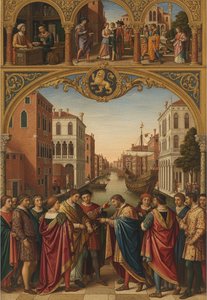
Vittore Carpaccio: Venetian Renaissance Narrative & the Poetics of Detail
Explore the captivating world of Vittore Carpaccio, a master storyteller of the Venetian Renaissance. Discover his intricate details, narrative cycles like 'The Legend of St. Ursula,' and unique artistic style.
Illuminating History: A Comprehensive Exploration of Tempera Painting Techniques & Artistic Legacy
Explore the rich history & techniques of tempera painting! Discover Renaissance masters like Botticelli & Fra Angelico, conservation insights, and the enduring legacy of this captivating art form.
Giotto di Bondone: 25 Arcydzieł Sztuki Niezmieniających Historii | OriginalUniqueArt.com
Odkryj 25 arcydzieł Giotta di Bondone – renesansowego mistrza fresków. Poznaj historię, techniki i emocje w jego najsłynniejszych dziełach. Reprodukcje obrazów najwyższej jakości na OriginalUniqueArt.com. Eksploruj pełną kolekcję online!


