

 Wyślij
 Udostępnij
 Szczegóły
 Przewodnik

 Pobierz plik obrazu
 Podobne obiekty
 Pokaz slajdów
 Statystyki
Apollo
 Marble
- Sculpture
- Neoclassical
 1783
1783- Early Modern
 120.0 x 142.0 cm
 Galeria Borghese
 Czytaj więcej
Giclée / Wydruk artystyczny
Wydruki giclée lub płótna o jakości muzealnej, szybka realizacja i szeroki wybór opcji wykończenia. ( Kup ręcznie malowany obraz Przełącz na wersję cyfrową)




































Wybierz spośród naszych standardowych rozmiarów, które zachowują oryginalne proporcje dzieła sztuki.

Wpisz wymaganą szerokość i wysokość, aby dopasować grafikę do ramy lub ściany. Wydruk można jedynie przyciąć, nigdy nie powiększając go poza oryginalny obraz, dlatego format o innym proporcji spowoduje utratę części kompozycji. Przed rozpoczęciem druku prześlemy Ci cyfrowy podgląd do zatwierdzenia. Obraz wyświetlany na tej stronie nie pokazuje rzeczywistego przycięcia — jedynie podgląd oddaje ten efekt.
Dostawa na cały świat () w ciągu 2 tygodni zamiast standardowych 4/5 tygodni. (21 Październik)

Bezpłatna ekspresowa wysyłka na cały świat

Wysokiej jakości płótno lniane

Pełne ubezpieczenie transportowe

Gwarancja zwrotu należności celnych i podatków importowych

Gwarancja idealnego odwzorowania barw

100-dniowy okres na zwrot dzieła w przypadku wykrycia wad produkcyjnych

Gwarancja 100% zwrotu pieniędzy

Oferta przy zakupie wielu sztuk
 Opcja ze szkłem jest dostępna wyłącznie w rozmiarach poniżej 110 cm

Apollo
Giclée / Wydruk artystyczny
Rozmiar reprodukcji
-


Suma do zapłaty
zł 304
A Vision of Neoclassical Serenity
In the quiet halls of the Museo Vela in Switzerland, there exists a marble masterpiece that captures the very essence of the late Enlightenment era. Attributed to the skilled hands of Vincenzo Pacetti, the sculpture Apollo serves as a profound testament to the Classical Revival. Executed in 1783, this work is far more than a mere depiction of a deity; it is an embodiment of Neoclassical ideals, seeking to resurrect the grandeur, rationality, and grace of ancient Greece and Rome. As one approaches the sculpture, the serene presence of the figure commands immediate attention, inviting the viewer into a state of deep contemplation regarding themes of divine beauty and intellectual pursuit.
The composition centers on Apollo, the revered Greek god of music, poetry, healing, and prophecy. Rather than portraying him in a moment of athletic prowess or divine intervention, Pacetti presents him in a state of profound introspection. Seated upon a simple bench, Apollo gazes upward, his expression lost in thought. This posture creates an emotional resonance that transcends the stone itself, evoking a sense of peace and scholarly devotion. The sculpture’s arrangement is rich with symbolic weight: beside the god rests a book, representing the vastness of knowledge and erudition, while a scale sits nearby to signify balance and precision—virtues held in the highest regard by the artists of this era.
Mastery of Form and Material
The technical execution of Apollo showcases Pacetti’s remarkable ability to breathe life into cold marble. The artist employs classical proportions and idealized forms, drawing upon the monumental sculptural traditions established by masters such as Michelangelo and Bernini. Every detail is meticulously rendered, from the intricate carvings that adorn the figure to the soft, lifelike textures of the stone. The choice of marble is particularly significant; its inherent ability to reflect light beautifully lends a luminous quality to the sculpture, enhancing the sense of solidity and permanence that defines the work.
For the discerning collector or interior designer, this piece offers an unparalleled opportunity to introduce an element of timeless elegance into a space. The interplay of light upon the polished surfaces and the dignified posture of the figure provide a focal point that is both intellectually stimulating and aesthetically soothing. Whether viewed as a study in Neoclassical technique or as a symbolic representation of the pursuit of virtue through reasoned observation, Apollo remains an enduring icon of artistic excellence, perfect for those seeking to surround themselves with the profound beauty of history.
Pytania i odpowiedzi
Do jakiego pomieszczenia polecane jest dzieło „Apollo” autorstwa Vincenzo Pacetti?
Dzieło „Apollo” autorstwa Vincenzo Pacetti jest rekomendowane do Living Room. Sugestia ta opiera się na tematyce, kolorystyce oraz nastroju pracy.
Jakie miejsce w historii sztuki zajmuje „Apollo” autorstwa Vincenzo Pacetti?
„Apollo” autorstwa Vincenzo Pacetti należy do nurtu Neoclassical, przypadającego na okres Early Modern. Razem nadają one dziełu jego miejsce w historii sztuki.
Do którego okresu twórczości Vincenzo Pacetti należy dzieło "Apollo"?
W dorobku artystycznym Vincenzo Pacetti, dzieło „Apollo” przypada na Mature Period. Ten etap pozwala na zestawienie go z innymi pracami twórcy.
Biografia artysty
Vincenzo Pacetti: Life and Legacy
Early Life and Training
- Born: Rome, Italy in 1746.
- Vincenzo Pacetti began his artistic journey at the Accademia del Nudo, honing his skills in anatomical study and figure drawing.
- He furthered his training from 1766 to 1772 under the tutelage of sculptor-restorer Pietro Pacili. Upon Pacili’s death, Vincenzo took over his studio.
Career and Artistic Development
- Pacetti quickly established himself as an independent sculptor and was accepted into the Accademia di San Luca, serving as its director – a testament to his growing reputation.
- Bartolomeo Cavaceppi, another prominent sculptor-restorer, held Pacetti in high regard, even naming him as executor of his will.
- Pacetti’s work evolved around the intersection of sculpture and restoration. He wasn't merely a copier; he actively *completed* fragmented classical works, sometimes adding significant portions based on his artistic judgment.
Major Achievements & Notable Works
- The Barberini Faun (1799): Perhaps Pacetti’s most celebrated work. He restored and completed this iconic sculpture, adding a new right leg, now housed in the Glyptothek, Munich.
- Hope Dionysus: Currently residing in the Metropolitan Museum of Art, this piece exemplifies Pacetti's skill in completing ancient fragments.
- Athena of Velletri (1797): Now located in the Louvre, this sculpture showcases his ability to bring classical forms back to life.
- Extensive work at the Galleria Borghese, including reliefs and stucchi for the Sala degli Imperatori – notably “The Goat Amanthea” and “Perseus freeing Andromeda”. He also contributed to rooms housing Bernini’s masterpieces.
- Other works can be found in churches like San Salvatore in Lauro, Santo Spirito in Sassia, Santi Michele e Magno, and the Palazzo Carpegna.
Patronage and Later Life
- Lucien Bonaparte became a significant patron later in Pacetti’s career. He commissioned numerous plaster casts of famous antique sculptures for his villa at Canino.
- Pacetti's diary, covering the years 1773–1803, and his correspondence provide invaluable insights into the Roman art market during that period.
- Died: Rome in 1820.
Historical Significance & Legacy
- Vincenzo Pacetti occupies a unique position in art history as both a sculptor and a restorer. His work raises questions about authenticity, artistic intervention, and the interpretation of classical forms.
- He played a crucial role in shaping the understanding and appreciation of ancient sculpture during the Neoclassical period.
- His diaries remain an essential resource for scholars studying the art market and restoration practices of 18th and 19th-century Rome.

Vincenzo Pacetti
1746 - 1820 , Italy
Najważniejsze informacje
- Name: Vincenzo Pacetti
- Movement: Neoclassical
- Birth Date: 1746
- Death Date: 1820
- Birth Place: Rome, Italy
- Nationality: Italian
- Date Of Birth: 1746
- Date Of Death: 1820
- Influenced By: Pietro Pacili, Bartolomeo Cavaceppi
- Notable Works:
- Barberini Faun
- Hope Dionysus
- Athena of Velletri
- Place Of Birth: Rome, Italy
Zobacz także powiązane artykuły
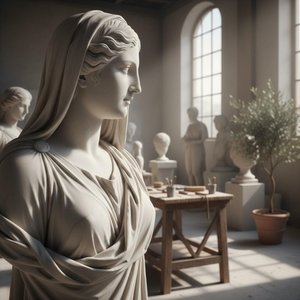
Timeless Elegance: A Complete Guide to the Sublime Beauty and Artistry of Marble Sculpture
Discover the sublime beauty of marble art through an expert exploration of Renaissance and Neoclassical masterpieces. From the delicate textures of Carpeaux to the grandeur of Sansovino, immerse yourself in a guide to timeless elegance and sculptural perfection.

10 Legendarnych Brązów, Które Zrewolucjonizowały Sztukę | OriginalUniqueArt
Odkryj 10 legendarnych rzeźb brązowych, które zrewolucjonizowały sztukę! Poznaj historie Rodina, Donatello i innych mistrzów. Inspiracje wnętrzarskie & reprodukcje najwyższej jakości na OriginalUniqueArt.com.

Trwałe Formy: Ewolucja Technik i Tematów w Rzeźbie Przez Wieki – Od Antyku do Renesansu
Poznaj fascynującą historię rzeźby od antyku do renesansu! Odkryj techniki, wybitnych artystów i wpływ na współczesną sztukę. Ekspercka analiza dla kolekcjonerów i miłośników.

10 Legendarnych Brązów Rzeźbiarskich, Które Zmieniły Sztukę | OriginalUniqueArt
Odkryj 10 legendarnych rzeźb brązowych od Rodina, Degasa i innych mistrzów! Poznaj historię powstania arcydzieł sztuki i inspiruj się do dekoracji wnętrz. Reprodukcje najwyższej jakości na OriginalUniqueArt.com – zobacz kolekcję!

Urok marmuru w historii sztuki: od klasycznej rzeźby do nowoczesnej abstrakcji
Odkryj fascynującą historię rzeźby marmurowej – od klasycznych arcydzieł po nowoczesną abstrakcję. Poznaj techniki, artystów i wartość kolekcjonerską tego wyjątkowego medium. Ekspercka analiza dla miłośników sztuki.