
 Podgląd w skali
 Wyślij jako kartkę
 Udostępnij
 Szczegóły dzieła

 Pobierz
 Podobne obiekty
 RTG
RTG Pokaz slajdów
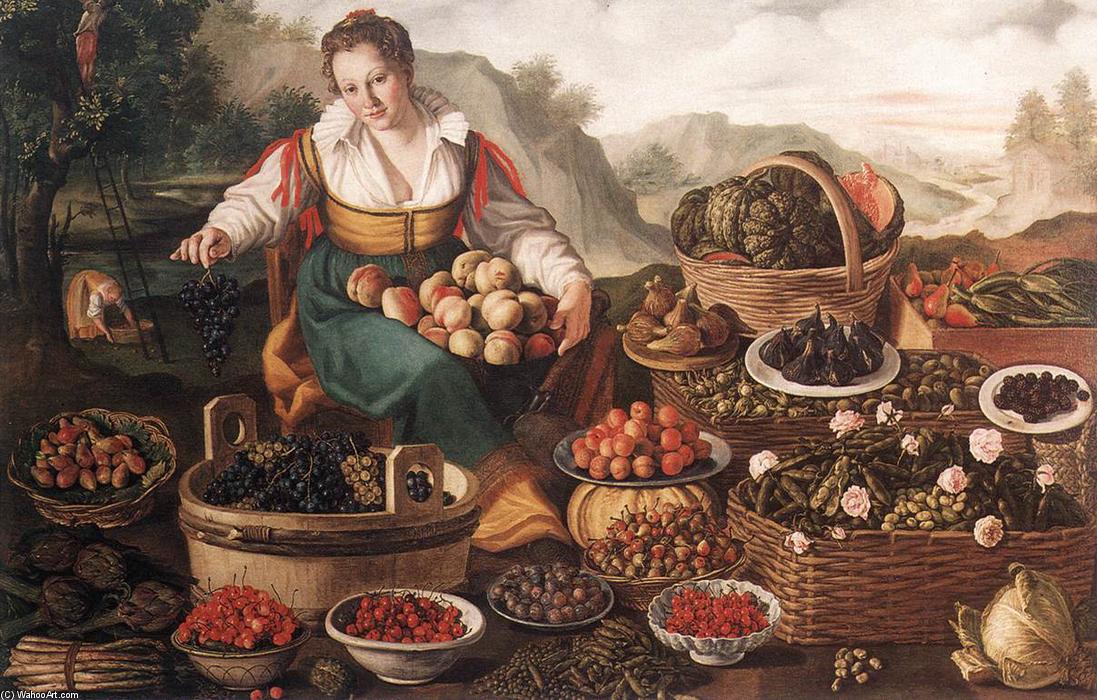
Fruit Seller
 1580
1580 145.0 x 215.0 cm
 Pinakoteca di Brera
 Rozwiń treść
Ręcznie malowana reprodukcja olejowa
Ręcznie malowany obraz olejny na płótnie, wykonany na zamówienie przez naszych artystów w wybranym przez Ciebie wymiarze i oprawie. ( Zamów wydruk Kup obraz wysokiej rozdzielczości)




































Wybierz spośród naszych standardowych rozmiarów, które zachowują oryginalne proporcje dzieła sztuki.

Możesz wprowadzić własne wymiary, aby dopasować obraz do konkretnej ramy lub przestrzeni. Jeśli wybrany rozmiar nie będzie odpowiadał proporcjom oryginału, przytniecie dzieło sztuki lub rozszerzymy je o dodatkowe elementy, ręcznie domalowane przez artystę. Przed rozpoczęciem produkcji wyślemy projekt cyfrowy do Twojej akceptacji.
Należy pamiętać, że podgląd na ekranie nie odzwierciedla rzeczywistego przycinania ani rozszerzania obrazu. Tylko projekt dokładnie pokaże ostateczną kompozycję.
Choć oferujemy możliwość zamówienia niestandardowych rozmiarów, zalecamy wybór wymiaru z gotowej listy, aby zachować oryginalne proporcje dzieła.
Po złożeniu zamówienia zespół OriginalUniqueArt.com skontaktuje się z klientem drogą mailową w celu uzyskania instrukcji i prześle wizualizację projektu
Dostawa na całym świecie () w ciągu 3–4 tygodni zamiast standardowych 5 tygodni. (21 Sierpień). Bez kompromisów w kwestii jakości.

Bezpłatna ekspresowa wysyłka na cały świat

Wysokiej jakości płótno lniane

Pełne ubezpieczenie przesyłki

Gwarancja zwrotu należności celnych i podatków importowych

Gwarancja wiernego odwzorowania kolorów

Polityka 60-dniowego zwrotu (tylko w przypadku wad)

Gwarancja 100% zwrotu kosztów

Zniżka przy zamówieniu wielu produktów
 Opcja ze szkłem jest dostępna wyłącznie w rozmiarach poniżej 110 cm

Fruit Seller
Technika reprodukcji
Wymiary reprodukcji
-


Cena całkowita
$ 300
Opis dzieła
Artistic Style and Influence
The painting is executed in the Baroque style, characterized by its dramatic use of light and shadow, as well as its attention to detail. The central figure is a woman dressed in traditional attire, suggesting a scene from a bygone era. She is seated on a bench, which serves as a table for an array of fruits and vegetables. The background features a serene landscape, complete with trees and mountains under a clear sky, adding depth to the composition. Key Features of the painting include:- The use of chiaroscuro, a technique that uses strong contrasts between light and dark to create a sense of volume and depth.
- The attention to detail in the rendering of the fruits and vegetables, which brings them to life on the canvas.
- The serene landscape in the background, which adds a sense of calm to the composition.
O artyście
The Master of Naturalism: The Life and Legacy of Vincenzo Campi
In the vibrant artistic landscape of 16th-century Cremona, a period often defined by the sophisticated artifice of Mannerism, Vincenzo Campi emerged as a profound voice of clarity and truth. Born around 1536 into a family where the brush was a primary language, Campi was shaped by the rich creative atmosphere of his lineage. His father, Galeazzo, and his brothers, particularly the influential Giulio, provided a foundation of classical training, yet Vincenzo possessed an eye that looked beyond the stylized elegance of his contemporaries. While much of the era sought to distort reality for dramatic or decorative effect, Campi found beauty in the unadorned essence of the tangible world, setting the stage for a stylistic revolution in Northern Italy.
The early years of Campi’s career were deeply intertwined with the workshop traditions of his family. Working alongside his brother Giulio, he absorbed the technical rigors of Renaissance composition, yet he began to diverge from the prevailing trends of elongated forms and complex, artificial poses. His talent was first noted in significant historical moments, such as his involvement in portraits of the Habsburg royalty, which signaled his rising status within the Lombard courts. However, it was not through grand aristocratic portraiture that he would secure his immortality, but rather through a daring commitment to naturalism—a devotion to capturing the textures, light, and grit of everyday existence.
A Bridge Between Traditions: Flemish Influence and Genre Painting
What truly distinguishes Campi within the canon of Italian Renaissance art is his role as a stylistic bridge. He possessed the unique ability to marry the structural integrity of the Italian tradition with the meticulous, observational spirit of Flemish painting. This synthesis birthed a new way of seeing in Northern Italy, where the influence of Netherlandish masters—known for their obsessive attention to detail and the tactile quality of objects—began to permeate his canvases. Through this lens, the mundane became monumental.
Campi became a pioneer of genre painting, a movement that elevated scenes of common life to the status of high art. His works often feature:
- Market Scenes: Lively, bustling compositions filled with fishmongers, butchers, and peasants, where every scale on a fish or fold in a linen apron is rendered with startling precision.
- Still Lifes: Early explorations of the still life genre, focusing on the bounty of the earth, characterized by an almost scientific accuracy in depicting fruits, vegetables, and kitchen implements.
- Religious Narratives: Even within his sacred commissions, one can detect a grounded, humanistic touch that brings biblical figures into a relatable, earthly light.
This "descriptive mode," as it was later praised by historians like Filippo Baldinucci, allowed viewers to experience a sense of tactile reality. To look upon a Campi painting is to feel the weight of a basket, the coolness of a plucked fowl, and the warmth of sunlight filtering through a rustic marketplace.
Historical Significance and Artistic Evolution
The trajectory of Campi’s career was marked by both personal loss and creative expansion. The death of his brother Giulio in 1573 served as a pivotal moment, perhaps prompting Vincenzo to further solidify his own unique identity away from the shadow of the family workshop. As he matured, his ability to balance the decorative requirements of his patrons with his innate desire for realism grew more sophisticated. He did not merely copy nature; he interpreted it through a lens of profound dignity.
The historical significance of Vincenzo Campi lies in his defiance of the purely ornamental. By introducing the Flemish-inspired focus on texture and everyday subject matter into the Italian sphere, he paved the way for the much later triumphs of the Baroque era. He taught subsequent generations that there is as much divinity to be found in a basket of vegetables as there is in a celestial vision. His legacy remains etched in the transition from the artificiality of Mannerism to the visceral, breathing reality of the naturalistic movement, ensuring his place as one of the most vital innovators of the Cremonese school.

Vincenzo Campi
1536 - 1591 , Italy
Krótka nota
- Artistic Movement Or Style: Flemish Style / Lombard Naturalism
- Artists Or Movements Influenced By This Artist: ['Pordenone']
- Artists Who Influenced This Artist: ['Giulio Campi']
- Date Of Birth: ca. 1536
- Date Of Death: 1591
- Full Name: Vincenzo Campi
- Nationality: Italian
- Notable Artworks:
- Study for the ''Ricotta Eaters'''
- Christ Before the Crucifixion
- Fishmongers
- Place Of Birth: Cremona, Italy

