
 Podgląd w skali 1:1
 Wyślij jako kartkę
 Udostępnij
 Szczegóły dzieła
 Przewodnik

 Pobierz obraz
 Podobne obiekty
 RTG
RTG Pokaz slajdów
 Q&A
Q&A Statystyki
Plain near Auvers


 Rozwiń treść
Otrzymaj plik gotowy do druku, którego jakość znacznie przewyższa podgląd internetowy. Każdy sprzedawany przez nas obraz cyfrowy pochodzi z wysokorozdzielczego pliku wzorcowego w naszej bazie — zazwyczaj o szerokości od 5 000 do 15 000 pikseli — dzięki czemu możesz drukować w dużym formacie, mocno kadrować lub z pełnym przekonaniem odwzorowywać najdrobniejsze detale.
Żaden plik nie opuszcza naszego studia bez odpowiedniej obróbki. Ekspert ds. cyfrowej edycji sprawdza zgodność kolorów z oryginałem i w razie potrzeby je koryguje, a następnie za pomocą profesjonalnych narzędzi do retuszu poprawia ostrość oraz szczegółowość — zawsze zachowując wierność pociągnięciom pędzla i stylowi artysty. Rezultatem jest obraz, który wygląda jak prawdziwe dzieło, a nie jak przefiltrowany skan.
Zatwierdzasz przed finalizacją zamówienia: nasz ekspert prześle obraz drogą mailową w ciągu 72 godzin do Twojego wglądu. Nie jesteś zadowolony? Poproś o poprawki lub korektę, bądź o zwrot kosztów, jeśli jakość nie spełnia oczekiwań.
To jakość, na której polegają wydawcy, studia projektowe, galerie oraz drukarnie.
Obraz cyfrowy
Pobierz plik o wysokiej rozdzielczości do osobistego użytku, druku oraz projektów kreatywnych. ( Przełącz na wydania drukowane Zamów ręcznie malowaną reprodukcję)
W każdym zamówieniu na obraz cyfrowy znajduje się
Profesjonalna dostawa cyfrowa z gwarancją
Wybierając OriginalUniqueArt.com, nie otrzymujesz jedynie obrazu – otrzymujesz profesjonalnie udoskonalone cyfrowe dzieło sztuki, stworzone z najwyższą precyzją i objęte gwarancją satysfakcji. Oto wszystko, co automatycznie dołączane jest do Twojego zamówienia:

Błyskawiczna wysyłka e-mailowa
Plik z obrazem cyfrowym w wysokiej rozdzielczości zostanie przesłany na Twój adres e-mail w ciągu 72 godzin od złożenia zamówienia – gotowy do natychmiastowego użycia.

Plik cyfrowy wzbogacony przez AI
Twoja grafika została profesjonalnie zoptymalizowana przy użyciu zaawansowanych narzędzi AI oraz ręcznej edycji, co zapewnia maksymalną szczegółowość, klarowność i wierność kolorów.

Darmowe ponowne przesyłki dożywotnio
Przypadkowo usunąłeś lub zgubiłeś swój plik? Bez obaw – prześlemy go Tobie ponownie w dowolnym momencie, bez żadnych opłat.

Bez opłat importowych – zawsze
Ciesz się swoją sztuką natychmiast, bez żadnych opłat celnych, należności ani kosztów dostawy – pliki cyfrowe są zawsze wolne od podatku.

Gwarancja wierności kolorów
Dzięki zastosowaniu profesjonalnych narzędzi i procesów zarządzania barwą zapewniamy, że Twoje cyfrowe zdjęcie odzwierciedla oryginalne kolory tak wiernie, jak to tylko możliwe.

Gwarancja satysfakcji przez 100 dni
Jeśli nie będziesz zadowolony ze swojego cyfrowego obrazu, dokonamy jego poprawki lub zwrócimy 100% kosztów w ciągu 100 dni – bez zbędnych pytań.

100% Gwarancja zwrotu pieniędzy
Nie jesteś zadowolony? Otrzymaj pełny zwrot kosztów w ciągu 100 dni od otrzymania pliku cyfrowego – bez zbędnych pytań.

Rabaty przy zamówieniach hurtowych
Kup 3 obrazy, oszczędź 10% - Kup 5, oszczędź 15% - Kup 10+, oszczędź 20%. Idealne do projektów kreatywnych, galerii i agencji.
Introduction
Vincent Willem van Gogh’s Plain near Auvers is a breathtaking oil on canvas painting that showcases the artist’s unique post-impressionist style. Created in 1890, this piece resides within the esteemed collection at the Bayerische Staatsgemaldesammlungen (Munich, Germany), one of the most renowned art institutions in Europe—a testament to its enduring significance and artistic merit. It represents a pivotal moment in Van Gogh’s oeuvre, reflecting both his mastery of technique and his profound engagement with the natural world during his final years in France.Composition and Elements
The painting depicts a serene landscape dominated by a vast field of emerald green grass interspersed with patches of golden yellow wheat. Above this undulating expanse stretches a sky painted in delicate shades of azure blue, punctuated by fluffy white clouds—a masterful orchestration of color that captures the ethereal quality of twilight. Scattered throughout the scene are mature trees—their branches reaching upwards towards the heavens—providing structural support and adding depth to the composition. Notably, the painting incorporates subtle human presence: parked automobiles occupy a prominent position near the field’s edge, blending seamlessly with the surrounding environment and hinting at the everyday life unfolding beyond the canvas's borders.Artistic Style
Van Gogh’s distinctive post-impressionist style is immediately apparent in the painting’s bold brushstrokes—thick, impastoed strokes of pigment applied directly to the canvas surface—creating a palpable textural richness that invites tactile engagement. The artist employs a vibrant palette characterized by intense hues and complementary color combinations—primarily yellows and blues—to convey emotion and luminosity. These expressive marks capture not merely visual representation but also the artist’s inner state, reflecting his preoccupation with capturing the essence of beauty and conveying feelings of tranquility and contemplation.Historical Context
The Bayerische Staatsgemaldesammlungen's acquisition of Plain near Auvers underscores its place within a broader artistic dialogue—one fueled by Impressionism and Neo-Impressionism—and marks a culmination of Van Gogh’s stylistic explorations during his final months in Auvers-sur-Oise. This location—a village nestled amidst the rolling hills of Picardy—became synonymous with Van Gogh's creative output, as he sought solace and inspiration from the countryside following a debilitating mental illness episode. The painting embodies the spirit of this period, reflecting both artistic innovation and personal vulnerability.Symbolism and Emotional Impact
Plain near Auvers transcends mere visual depiction; it functions as a conduit for conveying profound emotional resonance—a celebration of nature’s restorative power and an articulation of Van Gogh's yearning for spiritual harmony. The golden wheat symbolizes abundance and fertility, while the azure sky embodies serenity and transcendence. Ultimately, the painting invites viewers to contemplate themes of mortality, beauty, and the interconnectedness of human experience—leaving a lasting impression on anyone who encounters its captivating artistry.Pytania i odpowiedzi
Jak zbudowana jest kompozycja kolorystyczna „Plain near Auvers” – Vincent Van Gogh?
Analiza kolorystyczna dzieła „Plain near Auvers” – Vincent Van Gogh ukazuje Pełen spokoju kontrast oraz Zrównoważona harmonia harmonię.
Jaki nastrój i emocje łączą się w "Plain near Auvers"?
„Plain near Auvers” – Vincent Van Gogh emanuje Refleksyjny emocjami, wpisując się w ogólnie Sielski nastrój.
Czy kolory w "Plain near Auvers" są intensywne czy stonowane?
„Plain near Auvers” – Vincent Van Gogh charakteryzuje się Żywy i nasycony intensywnością kolorów.
Biografia artysty
Życie namalowane pasją: Vincent van Gogh
Vincent Willem van Gogh, nazwisko będące synonimem żywych barw i surowych emocji, pozostaje jedną z najbardziej rozpoznawalnych i ukochanych postaci w historii sztuki. Urodzony 30 marca 1853 roku w Zundert w Holandii, przeszedł drogę od targanego niepokojami młodzieńca poszukującego celu w życiu do artystycznego wizjonera – jest to przejmująca opowieść o oddaniu, walce i ostatecznie, trwałym dziedzictło. Choć za życia osiągnął niewiele sukcesów komercyjnych – sprzedając przed śmiercią tylko jeden obraz, Czerwona winnica – wpływ Van Gogha na sztukę nowoczesną jest niezmierzony, torując drogę ekspresjonizmowi i inspirując niezliczonych następców. Jego historia to nie tylko opowieść o pociągnięciach pędzla i płótnach; to świadectwo potęgi ludzkiej ekspresji w obliczu przeciwności losu.
Wczesne lata i artystyczne przebudzenie
Wczesne lata Van Gogha naznaczone były serią niespełnionych aspiracji. Próbował swoich sił w różnych profesjach – jako marszand, nauczyciel, a nawet misjonarz – zanim ostatecznie poświęcił się malarstwu w stosunkowo późnym wieku 27 lat. Te wcześniejsze doświadczenia głęboko ukształtowały jego światopogląd i znalazły odzwierciedlenie w jego twórczości. Jego pierwsze prace, przedstawiające sceny z życia chłopów na wiejskiej belgijskiej ziemi, odzwierciedlają głęboką empatię dla klasy pracującej oraz ponurą paletę barw oddającą ich trudny los. Pod wpływem artystów takich jak Jean-François Millet, Van Gogh dążył do uchwycenia godności i wytrwałości tych ludzi poprzez surowy realizm. Jednak to przeprowadzka do Paryża w 1886 roku okazała się przełomowa. Tam zetknął się z impresjonizmem i postimpresjonizkiem, chłonąc techniki mistrzów takich jak Monet, Renoir i Pissarro. To spotkanie poszerzyło jego artystyczne horyzonty, skłaniając go do eksperymentowania z jaśniejszymi kolorami i swobodniejszymi pociągnięciami pędzla, przy jednoczesnym zachowaniu wyraźnej intensywności emocjonalnej, której brakowało wielu jego współczesnym. Kluczową rolę w tym okresie odegrał jego brat Theo, marszand, który zapewniał wsparcie finansowe i stanowił żywe ogniwo łączące Vincenta ze światem paryskiej sztuki. Ich obszerna korespondencja oferuje bezcenną wgląd w rozwój artystyczny Van Gogha oraz jego osobiste zmagania.
Południowe światło i eksplozja kreatywności
Pragnąc odnaleźć bardziej żywy krajobraz i poczucie odnowy, Van Gogh przeniósł się w 1888 roku do Arles w południowej Francji. Ruch ten zapoczątkował okres intensywnej twórczości, charakteryzujący się eksplozją barw i charakterystyczną techniką impasto – nakładaniem grubej warstwy farby na płótno, co tworzyło teksturalną powierzchnię zdającą się pulsować energią. To właśnie tutaj powstały niektóre z jego najbardziej ikonicznych dzieł: Słoneczniki, Nocna kawiarnia oraz Gwiaździsta noc. Intensywne słońce Prowansji zdawało się rozpalać jego wyobraźnię, prowadząc do przedstawiania pejzaży i martwych natur z niespotykaną dotąd witalnością. Pragnienie artystycznej współpracy skłoniło go do zaproszenia Paula Gauguina do Arles, z nadzieją na założenie utopijnej kolonii artystów. Jednak ich relacja okazała się burzliwa i doprowadziła do dramatycznej konfrontacji, w wyniku której Van Gogh okaleczył własne ucho. Wydarzenie to podkreśliło kruchość jego stanu psychicznego i zapoczątkowało okres hospitalizacji oraz narastającego cierpienia psychicznego.
Późniejsze lata i nieprzemijające dziedzictwo
Po załamaniu nerwowym Van Gogh dobrowolnie trafił do azylu w Saint-Rémy, gdzie kontynuował niezwykle płodną twórczość, uwieczniając otaczające go krajobrazy z równą siłą piękna i niepokoju. Dzieła takie jak Gwiaździsta noc, namalowane w tym czasie, są przesycone poczuciem kosmicznej tajemnicy i głębokiej emocjonalnej głębi. Później przeniósł się do Auvers-sur-Oise pod opiekę doktora Paula Gacheta, lecz jego zmagania nie ustawały. 29 lipca 1890 roku, w wieku 37 lat, Van Gogh tragicznie zmarł w wyniku odniesionego przez siebie postrzału. Mimo niewielkiego uznania za życia, jego twórczość zaczęła zdobywać sławę pośmiertną, głównie dzięki niezmordowanym wysiłkom jego bratowej, Johanny van Gogh-Bonger, która odziedziczyła jego spadek i poświęciła się promowaniu jego sztuki. Dziś obrazy Van Gogha są celebrowane na całym świecie za ich emocjonalną intensywnłość, innowacyjne techniki i nieprzemijające piękno. Jego dziedzictwo wykracza daleko poza ramy płótna; stał się on symbolem artystycznej pasji, wytrwałości w obliczu przeciwności oraz potęgi sztuki do wyrażania najgłębszych ludzkich emocji.
Kluczowe wpływy i rozwój artystyczny
- Wczesny realizm: Przedstawienia życia chłopskiego autorstwa Jean-François Milleta wpłynęły na wczesne prace Van Gogha.
- Impresjonizm i postimpresjonizm: Kontakt z Monetem, Renoirem, Pissarrem i innymi artystami w Paryżu poszerzył jego paletę barw oraz technikę.
- Drzeworyty japońskie: Van Gogh był pod głębokim wpływem japońskich drzeworytów, które gorliwie kolekcjonował. Ich odważna kompozycja i płaskie plamy koloru wpłynęły na jego własny styl.
- Ekspresja emocjonalna: Przede wszystkim Van Gogh dążył do przekazania emocji poprzez swoją sztukę, stawiając subiektywne doświadczenie ponad obiektywną reprezentację. Ta koncentracja na intensywności emocjonalnej stała się definiującą cechą jego twórczości i utorowała drogę ekspresjonizmowi.
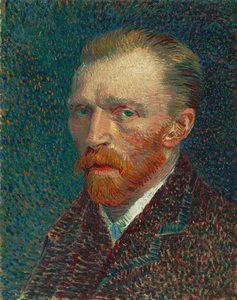
Vincent Van Gogh
1853 - 1890 , Holandia
Krótka nota
- Artistic Movement Or Style: Postimpresjonizm
- Artists Or Movements Influenced By This Artist:
- Ekspresjonizm
- Fawizm
- Artists Who Influenced This Artist:
- Rembrandt
- Millet
- Date Of Birth: 30 marca 1853
- Date Of Death: 29 lipca 1890
- Full Name: Vincent Willem van Gogh
- Nationality: Holender
- Notable Artworks:
- Słoneczniki
- Gwiazda Nocy
- Jedzący kartofle
- Place Of Birth: Zundert, Holandia