Podgląd w skali
 Wyślij jako kartkę
 Udostępnij
 Szczegóły dzieła

 Pobierz
 Podobne obiekty
 RTG
RTG Pokaz slajdów
 Statystyki
Fish-Drying Barn, Seen From a Height


 Rozwiń treść
Ręcznie malowana reprodukcja olejowa
Ręcznie malowany obraz olejny na płótnie, wykonany na zamówienie przez naszych artystów w wybranym przez Ciebie wymiarze i oprawie. ( Przełącz na wydruki Przełącz na obraz cyfrowy)




P118B $10

P118H $10

P118W $10

P438Z $10

P508JH $12

P508YH $12

P805H $10

P805Z $10

P919BZ $10

P919G $10

P919XJ $10

P959ZH $10

P968JZ $12

W106C $8

W218G $10

W218JH $8

W218Y $10

W307PJ $10

W316G $10

W316PJ $8

W316Y $10

W398PJ $8

W4111J $10

W500HY $15

W500JH $15

W692G $12

W849H $8

W940BG $15

W953PJ $8




Wybierz spośród naszych standardowych rozmiarów, które zachowują oryginalne proporcje dzieła sztuki.

Możesz wprowadzić własne wymiary, aby dopasować obraz do konkretnej ramy lub przestrzeni. Jeśli wybrany rozmiar nie będzie odpowiadał proporcjom oryginału, przytniecie dzieło sztuki lub rozszerzymy je o dodatkowe elementy, ręcznie domalowane przez artystę. Przed rozpoczęciem produkcji wyślemy projekt cyfrowy do Twojej akceptacji.
Należy pamiętać, że podgląd na ekranie nie odzwierciedla rzeczywistego przycinania ani rozszerzania obrazu. Tylko projekt dokładnie pokaże ostateczną kompozycję.
Choć oferujemy możliwość zamówienia niestandardowych rozmiarów, zalecamy wybór wymiaru z gotowej listy, aby zachować oryginalne proporcje dzieła.
Po złożeniu zamówienia zespół OriginalUniqueArt.com skontaktuje się z klientem drogą mailową w celu uzyskania instrukcji i prześle wizualizację projektu
Dostawa na całym świecie () w ciągu 3–4 tygodni zamiast standardowych 5 tygodni. (12 Wrzesień). Bez kompromisów w kwestii jakości.

Bezpłatna ekspresowa wysyłka na cały świat

Wysokiej jakości płótno lniane

Pełne ubezpieczenie przesyłki

Gwarancja zwrotu należności celnych i podatków importowych

Gwarancja wiernego odwzorowania kolorów

100-dniowa polityka zwrotów (tylko w przypadku wad)

Gwarancja 100% zwrotu kosztów

Zniżka przy zamówieniu wielu produktów
 Opcja ze szkłem jest dostępna wyłącznie w rozmiarach poniżej 110 cm

Fish-Drying Barn, Seen From a Height
Technika reprodukcji
Wymiary reprodukcji
-


Cena całkowita
$ 300
A Moment Frozen in Rural Intensity: Van Gogh's Fish-Drying Barn
Vincent van Gogh’s Fish-Drying Barn, Seen From a Height (1882) isn’t merely a depiction of a humble scene; it’s a visceral embodiment of the artist’s profound connection to the natural world and his intensely personal response to it. Painted during Van Gogh's formative years in Provence, this work offers a crucial window into the burgeoning emotional landscape that would define his artistic trajectory. The painting captures a quintessential moment – the laborious process of drying fish within a traditional thatched barn – elevated by Van Gogh’s masterful use of color and texture, transforming an everyday activity into a powerful statement about life, labor, and the beauty found in the simplest of things.
- Subject Matter: The central focus is undeniably the fish-drying barn itself, a structure deeply rooted in rural Dutch tradition. However, it’s the surrounding elements – the figures engaged in the work, the soaring birds, and the expansive sky – that imbue the scene with a remarkable dynamism.
- Style & Technique: Executed in Van Gogh's characteristic impasto technique, thick layers of paint are applied directly to the canvas, creating a palpable sense of texture and movement. The vibrant blues and greens of the landscape contrast dramatically with the earthy tones of the barn, intensifying the visual impact. Notice how he uses short, choppy brushstrokes to convey the wind and the activity within the scene.
Historical Context: A Young Van Gogh's Provence
Painted in 1882, this work represents a pivotal moment in Van Gogh’s artistic development. Following his move to Arles in southern France, he sought inspiration from the rural landscapes and the lives of its inhabitants. This period marked a significant shift away from the darker, more melancholic tones of his earlier works in the Netherlands. Here, amidst the warmth of the Provençal sun, Van Gogh began to experiment with brighter colors and looser brushwork, foreshadowing the expressive power that would become synonymous with his name. The painting reflects the realities of peasant life – a life of hard work, close connection to nature, and a reliance on traditional practices – themes that would repeatedly appear in his oeuvre.
Symbolism & Emotional Resonance
Beyond its straightforward depiction, Fish-Drying Barn is rich with symbolic meaning. The birds, often interpreted as symbols of freedom and spirituality, are scattered throughout the painting, adding a sense of lightness and aspiration to the scene. The figures engaged in the laborious task of drying fish represent the dignity of manual labor and the connection between humanity and nature. Van Gogh’s intense emotional response is evident in every brushstroke; it's not simply a representation of a barn, but an outpouring of his own feelings about life, work, and the beauty he perceived within it. The height from which the scene is viewed adds to the feeling of observation and distance, almost as if the viewer is a silent witness to this timeless moment.
A Legacy of Impressionism & Expressionism
Fish-Drying Barn stands as an important precursor to both Impressionism and Expressionism. While influenced by the Impressionists’ focus on capturing fleeting moments of light and color, Van Gogh pushed beyond mere optical representation, imbuing his work with profound emotional content. This painting demonstrates a crucial step in the evolution of modern art, paving the way for artists who sought to express their inner experiences through bold colors and expressive brushwork. Its enduring appeal lies not just in its aesthetic beauty but also in its ability to evoke a powerful sense of human connection and wonder.
O artyście
A Life Painted in Emotion: The World of Vincent van Gogh
Vincent Willem van Gogh, a name synonymous with artistic passion and turbulent genius, remains one of the most recognizable and beloved figures in Western art history. Born on March 30, 1853, in Groot-Zundert, Netherlands, his journey was not one of immediate acclaim but rather a slow burn of dedication, struggle, and ultimately, profound influence. The eldest of six children born to a Protestant minister, Theodorus van Gogh, Vincent’s early life was steeped in religious contemplation, a sensibility that would subtly permeate much of his later work. Though he displayed an inclination towards drawing from a young age, his path wasn't immediately clear; he explored various vocations – art dealer, teacher, and missionary – before fully embracing the artist’s life. These experiences, though seemingly disparate, proved formative, instilling in him a deep empathy for the working class and a profound sense of spiritual seeking that would become hallmarks of his artistic vision. Early influences included the Dutch Masters like Rembrandt van Rijn and Frans Hals, whose masterful use of light and shadow resonated with young Vincent, as well as contemporary French painters Jean-François Millet and Camille Corot, who depicted scenes of rural life with a poignant realism.From Darkness to Light: Artistic Development and Style
Van Gogh’s serious engagement with painting began around 1880, largely self-taught, driven by an inner compulsion to express the world as he perceived it. His initial works reflected his compassion for the marginalized, focusing on the lives of peasants and laborers – exemplified in pieces like The Potato Eaters. These early paintings are characterized by dark, earthy tones and a raw, almost brutal honesty that sought to capture the hardship and dignity of rural existence. The figures in *The Potato Eaters* aren’t idealized; they're depicted with unflinching realism, their faces etched with weariness and toil. This wasn’t simply a documentary record; it was an attempt to convey the profound respect Van Gogh held for these individuals, highlighting their resilience and humanity. A pivotal moment arrived with his move to Paris in 1886, where he was exposed to the vibrant world of Impressionism and Post-Impressionism. This encounter proved transformative, injecting brighter colors into his palette and encouraging experimentation with new techniques. He absorbed the lessons of artists like Monet, Renoir, and Pissarro, but never fully adopted their style; instead, he forged a path uniquely his own. His distinctive style rapidly evolved, becoming instantly recognizable for its bold colors, expressive brushwork, and emotional intensity. Van Gogh didn’t merely *represent* reality; he sought to convey the feeling of being within it, utilizing impasto – thick layers of paint – to create texture and imbue his canvases with a palpable energy. This technique wasn't simply aesthetic; it was an integral part of his expressive language, allowing him to translate inner turmoil and ecstatic joy onto the canvas.Periods of Intensity: Key Works and Artistic Phases
Van Gogh’s artistic journey can be broadly divided into distinct periods, each marked by unique characteristics and significant works. The Dutch Period (1880-1886), as mentioned, was defined by somber tones and depictions of peasant life. These early paintings, often characterized by a limited palette and meticulous detail, reflect his initial attempts to capture the essence of rural existence. The subsequent Parisian Period (1886-1888) saw a dramatic shift towards brighter colors and experimentation with Impressionist techniques. He studied the works of artists like Monet and Pissarro, learning how to capture fleeting moments of light and color. However, it was during the Arles Period (1888-1889), in the south of France, that Van Gogh reached a peak of creative intensity. Surrounded by the radiant light and vibrant landscapes of Provence, he produced some of his most iconic works: Sunflowers, *The Night Café*, and *Starry Night Over the Rhône*. These paintings are not merely depictions of scenes; they are emotional landscapes, pulsating with life and imbued with a sense of longing. The swirling brushstrokes in *Starry Night* aren’t simply representing stars; they're conveying a feeling of awe and wonder, perhaps even a hint of anxiety. His use of color became increasingly expressive, employing vibrant yellows, blues, and greens to evoke specific moods and emotions. His final years, spent in Saint-Rémy and Auvers-sur-Oise (1889-1890), were marked by continued artistic output despite increasing mental distress. Confined to an asylum at Saint-Rémy following a breakdown, he found solace in painting the surrounding countryside, resulting in masterpieces like The Starry Night, a swirling vortex of color and emotion that continues to captivate viewers today. Even during this period of profound suffering, his portraits – particularly those of Dr. Gachet – reveal an extraordinary sensitivity and psychological depth.A Legacy Forged in Suffering: Achievements and Historical Significance
Despite facing rejection and struggling with mental illness throughout his life, Van Gogh created over 2,100 artworks in just over a decade—approximately 860 oil paintings, 150 watercolors, and over 1000 drawings and sketches. This astonishing output is testament to his unwavering dedication and relentless creative drive. Remarkably, during his lifetime, only one painting – *The Red Vineyard* – was sold. Recognition came posthumously, slowly at first, then with increasing momentum in the early 20th century. His work profoundly influenced the development of modern art, particularly Expressionism and Fauvism, inspiring artists to prioritize emotional expression over realistic representation. His bold use of color, distorted forms, and expressive brushwork paved the way for new artistic possibilities. Today, Van Gogh’s paintings are among the most recognizable and valuable artworks in the world, commanding record prices at auction and drawing millions of visitors to museums worldwide. But his legacy extends far beyond monetary value; he remains a cultural icon, representing the archetype of the “tortured artist” – though this narrative often overshadows his skill, dedication, and artistic vision. The Van Gogh Museum in Amsterdam stands as a testament to his enduring influence, showcasing his work and celebrating his life for generations to come. His art continues to resonate with audiences because it speaks to universal human experiences—love, loss, hope, despair—with an honesty and vulnerability that transcends time and culture.- Major Influences: Dutch Masters (Rembrandt, Hals), Millet, Corot.
- Key Periods: Dutch, Parisian, Arles, Saint-Rémy/Auvers-sur-Oise.
- Notable Works: The Potato Eaters, Sunflowers, Starry Night, The Night Café.
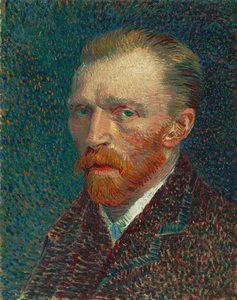
vincent willem van gogh
1853 - 1890 , Holandia
Krótka nota
- Artistic Movement Or Style: Postimpresjonizm
- Artists Or Movements Influenced By This Artist:
- Ekspresjonizm
- Fawizm
- Artists Who Influenced This Artist:
- Rembrandt
- Millet
- Date Of Birth: 30 marca 1853
- Date Of Death: 29 lipca 1890
- Full Name: Vincent Willem van Gogh
- Nationality: Holender
- Notable Artworks:
- Słoneczniki
- Gwiazda Nocy
- Jedzący kartofle
- Place Of Birth: Zundert, Holandia
Powiązane artykuły

Decoding Impasto: The Emotional Power of Van Gogh's Textured Brushstrokes
Explore the visceral beauty of Van Gogh's impasto technique. Discover how his thick, textured brushstrokes transform canvas into an emotional landscape, and learn how to bring this tactile masterpiece into your home with premium, hand-painted reproductions.

Odbitki Giclée: Jakość Archiwalna i Estetyczne Niuanse dla Wymagającego Kolekcjonera
Poznaj sekrety druku giclée – technologii zapewniającej najwyższą jakość reprodukcji sztuki i trwałość archiwalaną. Poradnik dla wymagających kolekcjonerów o wyborze papieru, tuszy i profilach kolorystycznych.
Decoding Van Gogh's Turmoil: OriginalUniqueArt’s Masterful Reproductions of Emotional Depth
Discover exquisite Van Gogh reproductions from OriginalUniqueArt – expert art specialists offering museum-quality prints & custom paintings. Trust our authentic process and elevate your collection today.

10 Arcydzieł Postimpresjonizmu, Które Zdefiniowały Sztukę. Inspiracje do Dekoracji Domu.
Odkryj 10 arcydzieł postimpresjonizmu Van Gogha, Moneta i Cézanne'a! Poznaj historie artystów, techniki malarskie i inspiracje do dekoracji wnętrz. Reprodukcje obrazów najwyższej jakości na OriginalUniqueArt.com – sztuka dla Twojego domu.

Rembrandt van Rijn: 25 Najwybitniejszych Dzieł Sztuki – Reprodukcje i Inspiracje do Wnętrz
Poznaj 25 arcydzieł Rembrandta van Rijn! Odkryj fascynujące historie, techniki i wpływ holenderskiego mistrza baroku na świat sztuki. Reprodukcje obrazów najwyższej jakości – inspiracje do wnętrz na OriginalUniqueArt.com