

 Zobacz w skali 1:1
 Wyślij
 Udostępnij
 Szczegóły

 Pobierz plik obrazu
 Podobne obiekty
 RTG
RTG Pokaz slajdów
 Statystyki
Susanna and Elders
 105.0 x 85.0 cm
 Czytaj więcej
Giclée / Wydruk artystyczny
Wydruki giclée lub płótna o jakości muzealnej, szybka realizacja i szeroki wybór opcji wykończenia. ( Kup ręcznie malowany obraz Przełącz na wersję cyfrową)




































Wybierz spośród naszych standardowych rozmiarów, które zachowują oryginalne proporcje dzieła sztuki.

Możesz wprowadzić własne wymiary, aby dopasować dzieło do konkretnej ramy lub przestrzeni. Jeśli wybrany rozmiar nie będzie odpowiadał proporcjom oryginalnego obrazu, przytniecie dzieło lub rozszerzymy obraz za pomocą odbicia lustrzanego lub jednolitego wypełnienia krawędzi. Przed rozpoczęciem produkcji prześlemy cyfrową wizualizację do Twojej akceptacji.
Prosimy pamiętać, że podgląd na ekranie nie odzwierciedla faktycznego przycinania ani rozszerzania. Tylko wizualizacja dokładnie pokaże końcową kompozycję.
Mimo dostępności niestandardowych rozmiarów, zalecamy wybór wymiaru z listy zdefiniowanej, aby zachować oryginalne proporcje.
Dostawa na cały świat () w ciągu 2 tygodni zamiast standardowych 4/5 tygodni. (16 Wrzesień)

Bezpłatna ekspresowa wysyłka na cały świat

Wysokiej jakości płótno lniane

Pełne ubezpieczenie transportowe

Gwarancja zwrotu należności celnych i podatków importowych

Gwarancja idealnego odwzorowania barw

100-dniowy okres na zwrot dzieła w przypadku wykrycia wad produkcyjnych

Gwarancja 100% zwrotu pieniędzy

Oferta przy zakupie wielu sztuk
 Opcja ze szkłem jest dostępna wyłącznie w rozmiarach poniżej 110 cm

Susanna and Elders
Giclée / Wydruk artystyczny
Rozmiar reprodukcji
-


Suma do zapłaty
$ 80
Biografia artysty
Vincent Sellaer: A Renaissance Bridging Italy and Flanders
Vincent Sellaer (1490 – 1564), a figure shrouded in the mists of early sixteenth-century art history, remains one of the most intriguing enigmas of the Flemish Renaissance. Born in Mechelen, Belgium, around 1500, his life and career are remarkably sparsely documented, leaving much to speculation and scholarly interpretation. Despite this lack of concrete biographical details – a frustratingly common predicament for artists of his era – Sellaer’s artistic legacy speaks volumes, revealing a painter who masterfully blended Italian sophistication with the robust Northern tradition, creating works of monumental scale and profound emotional resonance. He flourished primarily in Mechelen, becoming arguably the city's most prominent artist during that period, serving as a favored patron to members of the court and the influential Great Council.Early Life and Uncertain Origins
The precise details surrounding Sellaer’s early life remain elusive. Records are frustratingly scarce, offering little beyond his birthdate and place of origin. Scholars have long debated whether he should be identified with Vincent Geldersman, a painter mentioned by the 17th-century biographer Karel van Mander. Van Mander described Geldersman as a skilled allegorist, citing works such as Leda with two eggs, Susanna and the Elders, and Cleopatra with the asp – subjects that strongly align with Sellaer’s known oeuvre. This identification has gained considerable traction due to stylistic similarities and thematic overlaps. Further fueling this connection is the mention of Sellaer within Van Mander's *Life of Frans Minnebroer*, solidifying his position as a notable figure in Mechelen’s artistic community. While definitive proof remains elusive, the prevailing scholarly consensus points towards Vincent Geldersman being synonymous with Vincent Sellaer.Italian Influences and Artistic Development
Despite his rootedness in Flanders, Sellaer's art reveals a profound engagement with Italian Renaissance aesthetics. A significant portion of art historians now believe that Sellaer spent several years working in Brescia, Italy, between 1521 and 1524. This period of residence is hypothesized to have profoundly shaped his artistic sensibilities, exposing him to the innovative techniques and stylistic trends flourishing within the Lombardian school. The influence of masters like Leonardo da Vinci, Moretto da Brescia, and Girolamo Romani is readily apparent in Sellaer’s compositions – particularly in the use of sfumato, a subtle blurring of lines and colors that creates an atmospheric depth and luminosity rarely seen in Northern painting at the time. Furthermore, evidence suggests a connection to the Florentine-Roman school, influenced by Andrea del Sarto and Raphael, contributing to a complex layering of stylistic elements within his work. The later works, notably those depicting the Holy Family, demonstrate this synthesis with remarkable clarity.Key Works and Recurring Themes
Sellaer’s artistic output is characterized by its scale, dramatic intensity, and masterful handling of light and shadow. He is particularly renowned for his monumental depictions of religious subjects, notably the *Christ blessing the Children* (Alte Pinakothek, Munich), a panel that served as the foundation for much subsequent attribution of works to his hand. This painting exemplifies Sellaer’s signature style: half-length central figures commanding attention, surrounded by subsidiary figures that effectively narrate the story. Recurring themes include depictions of the Holy Family – often featuring Mary, John the Baptist, and Zechariah – frequently accompanied by saints and angels. These compositions are imbued with a profound sense of piety and familial devotion. The motif of putti (cherubs) is also prevalent, adding an element of playful innocence to many of his works. The *Leda and the Swan* cycle, though lacking a definitive example depicting Leda with eggs, has been extensively attributed to Sellaer based on stylistic parallels and thematic resonance.Legacy and Historical Significance
Despite the paucity of biographical information, Vincent Sellaer’s impact on the artistic landscape of 16th-century Flanders is undeniable. He stands as a pivotal figure in bridging the gap between Italian Renaissance innovation and Northern European tradition. His monumental scale, dramatic compositions, and masterful use of color and light set him apart from his contemporaries, establishing a new standard for religious painting in Mechelen. Sellaer’s work represents a crucial moment in the evolution of Flemish art, demonstrating the profound influence of Italian artistic trends on the development of Northern European painting during this transformative period. His legacy continues to fascinate and inspire artists and scholars alike, reminding us that even in the absence of complete biographical details, an artist's enduring contribution can speak volumes through the power of their creations.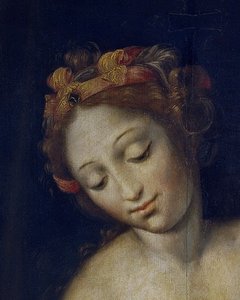
Vincent Sellaer
1500 - 1589 , Belgium
Najważniejsze informacje
- Artistic Movement Or Style: Renaissance, Italian-Northern
- Artists Or Movements Influenced By This Artist:
- Raphael
- Andrea del Sarto
- Titian
- Artists Who Influenced This Artist:
- Leonardo da Vinci
- Moretto da Brescia
- Girolamo Romani
- Date Of Birth: 1490 (Mechelen)
- Date Of Death: 1564 (Mechelen)
- Full Name: Vincent Sellaer
- Nationality: Flemish
- Notable Artworks:
- Christ blessing the Children
- Leda and the Swan
- Place Of Birth: Mechelen, Belgium