

 Wyślij
 Udostępnij
 Szczegóły
 Przewodnik

 Pobierz plik obrazu
 Podobne obiekty
 Pokaz slajdów
 Statystyki
Erase
 Installation Art
- Installation
- Contemporary Installation Art
 2013
2013- Contemporary
 Kochi-Muziris Biennale
 Czytaj więcej
Dzieło sztuki prezentowane na tej stronie podlega ochronie prawem autorskim, co oznacza, że nie mamy prawa do tworzenia ani sprzedaży jego identycznej reprodukcji. Ochrona ta jest egzekwowana na mocy umów międzynarodowych, takich jak Konwencja berneńska oraz przez przepisy prawa krajowego, w tym te określone w Prawo autorskie USA – Tytuł 17.
Jako pełną szacunku i legalną alternatywę oferujemy personalizowane, malowane ręcznie dzieła sztuki inspirowane oryginałem. Nasi wykwalifikowani i profesjonalni artyści starannie analizują styl, nastrój oraz artystyczną esencję pierwowzoru, aby stworzyć nowe, unikalne dzieło, które przywołuje te same emocje – pozostając jednocześnie w pełni oryginalną kreacją.
Metoda ta jest w pełni zgodna z przepisami prawa autorskiego, ponieważ nie polega na kopiowaniu ani powielaniu chronionego dzieła. Stanowi ona kreatywną reinterpretację – nowy obraz, który czerpie inspirację z oryginału, ale nie jest z nim tożsamy.
Ręcznie malowana reprodukcja olejowa
Ręcznie malowany obraz olejny na płótnie, wykonany na zamówienie przez naszych artystów w wybranym przez Ciebie wymiarze i oprawie. ( Przełącz na wersję drukowaną Przełącz na wersję cyfrową)




































Wybierz spośród naszych standardowych rozmiarów, które zachowują oryginalne proporcje dzieła sztuki.

Wpisz wymaganą szerokość i wysokość, aby obraz pasował do Twojej ramy lub ściany. Ponieważ jest to dzieło malowane ręcznie, w przypadku rozmiaru o innym proporcji artysta może domalować nieco więcej wokół obrazu lub przyciąć fragmenty — wybór należy do Ciebie. Przed rozpoczęciem pracy prześlemy Ci cyfrową wizualizację do zatwierdzenia. Obraz widoczny na tej stronie nie przedstawia rzeczywistego efektu — jedynie wizualizacja oddaje realny rezultat.
Po złożeniu zamówienia zespół OriginalUniqueArt.com skontaktuje się z klientem drogą mailową w celu uzyskania instrukcji i prześle wizualizację projektu
Dostawa na całym świecie () w ciągu 3–4 tygodni zamiast standardowych 5 tygodni. (23 Październik). Bez kompromisów w kwestii jakości.

Bezpłatna ekspresowa wysyłka na cały świat

Wysokiej jakości płótno lniane

Pełne ubezpieczenie transportowe

Gwarancja zwrotu należności celnych i podatków importowych

Gwarancja idealnego odwzorowania barw

100-dniowy okres na zwrot dzieła w przypadku wykrycia wad produkcyjnych

Gwarancja 100% zwrotu pieniędzy

Oferta przy zakupie wielu sztuk
 Opcja ze szkłem jest dostępna wyłącznie w rozmiarach poniżej 110 cm

Erase
Technika wykonania
Rozmiar reprodukcji
-


Suma do zapłaty
zł 1155
A Ritual of Release: The Immersive World of Erase
In the quiet intersection of sculpture and performance, Venkataiah Srinivas Prasad’s 2013 installation, Erase, stands as a profound testament to the power of catharsis. This is not merely an object to be viewed from a distance, but an experiential journey that demands physical participation. The work presents a striking visual paradox: a thorny, woven cocoon suspended precariously above a rugged ascent of gunny sacks. As one navigates the uneven terrain of these earth-toned, filled bags, the viewer is drawn upward toward a prickly hollow. This architectural movement—the literal climb toward vulnerability—sets the stage for a deeply personal encounter with one's own psyche.
The aesthetic of the piece is rooted in a raw, organic minimalism that resonates with the textures of the natural world. The use of thorny branches to construct the cocoon creates a sense of protective yet sharp boundaries, while the burlap and sand elements ground the installation in a tactile, elemental reality. To look upon this work is to witness a dialogue between the man-made and the wild; the structured geometry of the ascent meets the chaotic, organic sprawl of the thorns. For collectors and designers, the visual language of Erase offers a sophisticated palette of earthy neutrals and complex textures that evoke a sense of grounded tranquility and contemplative depth.
Symbolism and the Alchemy of Destruction
Beyond its physical presence, Erase functions as a vessel for human emotion. The interior of the thorny cocoon serves as a sacred, private chamber—a sanctuary where the boundaries between the self and the external world blur. It is within this hollow that the artist invites the viewer to perform an act of psychological shedding. By whispering or thinking of unwanted memories, fears, or traumas into the heart of the structure, the participant engages in a ritualistic form of letting go. The installation acts as a physical manifestation of the desire to purge the heavy burdens of the past.
The true climax of the work, however, lies in its ephemeral nature. At the conclusion of its exhibition period, the cocoon is set ablaze under the cover of night. This ritualistic destruction is the ultimate expression of the title; as the flames consume the thorns and the branches, they take with them the very confessions uttered within. What remains is nothing but a layer of sand—a clean slate, devoid of the weight of history. This cycle of creation and annihilation offers a powerful metaphor for renewal, making the piece an emotionally resonant masterpiece that speaks to the universal human need for rebirth and the beauty of starting anew.
A Legacy of Experimental Vision
Venkataiah Srinivas Prasad’s work continues to captivate because it refuses to remain static. By blending elements of installation art, environmental sculpture, and ritualistic performance, he challenges the traditional boundaries of what a piece of art can be. Erase is not just a relic of a moment in time, but a living concept that explores the fragility of memory and the strength found in vulnerability. For those seeking to bring a sense of profound meaning and narrative complexity into their spaces, a high-quality reproduction of this work serves as a constant reminder of the transformative power of release and the enduring elegance of the natural world.
Pytania i odpowiedzi
Kto stworzył "Erase" i w jakim stylu jest to dzieło?
Twórcą dzieła "Erase" jest Venkataiah Srinivas Prasad, reprezentujący nurt Contemporary Installation Art.
Do jakiego wnętrza polecane jest dzieło „Erase” autorstwa Venkataiah Srinivas Prasad?
Zalecaną przestrzenią dla „Erase” autorstwa Venkataiah Srinivas Prasad jest Wellness Center. Sugestia ta może zostać oczywiście dostosowana do Twojego wnętrza.
Do czego sugerowane jest wykorzystanie „Erase” autorstwa Venkataiah Srinivas Prasad?
Zalecanym zastosowaniem wydruku "Erase" jest Conversation.
Biografia artysty
The Soul of Installation: Venkataiah Srinivas Prasad
Venkataiah Srinivas Prasad was an artist whose work occupied the profound intersection of sculpture and performance, creating experiences that transcended mere observation to demand physical and emotional participation. Born in Chamarajanagara, India, his practice was deeply rooted in the concept of catharsis and the ritualistic release of human emotion. Rather than producing static objects for distant contemplation, Prasad crafted immersive environments that invited viewers to navigate uneven terrains and engage with the raw, organic textures of the natural world.
His artistic language was one of organic minimalism, often utilizing elemental materials to bridge the gap between the man-made and the wild. Through his use of earth-toned elements, burlap, and sand, he grounded his installations in a tactile reality that resonated with the primal textures of the earth. His work frequently explored the tension between protection and vulnerability, using sharp, thorny structures to create boundaries that were simultaneously sheltering and prickly, mirroring the complexities of the human psyche.
A Ritual of Release
One of his most significant contributions to contemporary installation art was the 2013 work titled Erase, showcased at the Kochi-Muziris Biennale in Kochi. This piece functioned as a vessel for psychological shedding, presenting a striking visual paradox: a thorny, woven cocoon suspended above a rugged ascent of gunny sacks. The installation was not merely an architectural feat but a sacred chamber where participants were invited to whisper or think of unwanted memories, fears, or traumas into the heart of the structure.
The true power of Prasad's work lay in its ephemeral and ritualistic nature. In Erase, the climax of the experience was the intentional destruction of the artwork itself. At the conclusion of its exhibition, the thorny cocoon was set ablaze under the cover of night, a symbolic act where flames consumed both the physical branches and the whispered confessions held within. This cycle of destruction left behind nothing but a layer of sand—a clean slate representing the ultimate purification from the weight of history.
Legacy and Artistic Significance
Prasad's significance in the realm of Contemporary Installation Art stems from his ability to transform the gallery space into a site of spiritual and psychological alchemy. His mastery lay in the following elements:
- The creation of experiential journeys that required the viewer to physically climb and navigate difficult landscapes.
- The use of symbolic materials, such as thorns and sand, to represent the duality of pain and peace.
- The implementation of performance-based destruction to achieve a sense of true artistic finality and emotional cleansing.
Through his dedication to the ritual of letting go, Venkataiah Srinivas Prasad left an indelible mark on the landscape of contemporary art, reminding us that the most profound encounters often occur when we allow ourselves to be vulnerable to the transformative power of change.

Venkataiah Srinivas Prasad
1947 - 2024 , India
Zobacz także powiązane artykuły

Raja Ravi Varma: Bridging Tradition & Modernity in 19th-Century Indian Art
Explore the life & art of Raja Ravi Varma, a pioneer who fused European techniques with Indian iconography. Discover his iconic paintings, lasting legacy, and influence on modern Indian art at OriginalUniqueArt.
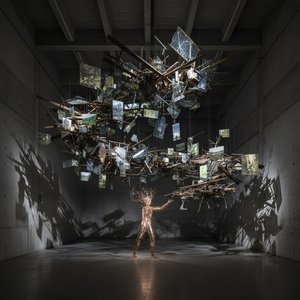
Richard Wilson: Deconstructing Landscape & Memory in Contemporary Installation Art
Explore Richard Wilson's groundbreaking landscape paintings & his enduring influence on contemporary installation art. Discover investment opportunities, provenance insights & the materiality of memory in this expert analysis.

Kompleksowe Rozwiązania w Aranżacji Hotelowej: Sztuka jako Klucz do Spójnego Wizerunku i Redukcji Stresu Projektowego
Odkryj kompleksowe rozwiązania w aranżacji hotelowej! Sztuka jako klucz do budowania spójnego wizerunku i redukcji stresu projektowego. Profesjonalne konsultacje, unikalny design i inspiracje od OriginalUniqueArt.

Estetyczny Katalizator: Wykorzystanie Instalacji Artystycznych do Angażowania Gości i Organicznego Marketingu w Branży Hotelarskiej
Odkryj, jak instalacje artystyczne angażują gości i budują markę hotelu! Strategie dla luksusowych hoteli, designu wnętrz i efektywnego marketingu. Eksperckie porady i inspiracje.
F.A.Q.: Murali i Freski – Indywidualne Projekty, Rozmiary i Instalacja
oferuje luksusowe murale i freski na zamówienie. Indywidualne projekty, najwyższa jakość wykonania i profesjonalny montaż. Idealne dla wymagających kolekcjonerów sztuki.