The Sixth Month (Right)
Woodblock Print
WallArt
Ukiyo-e
1849
36.0 x 25.0 cm
Brytyjskie Muzeum
Ręcznie malowana reprodukcja olejowa
Ręcznie malowany obraz olejny na płótnie, wykonany na zamówienie przez naszych artystów w wybranym przez Ciebie wymiarze i oprawie. ( Zamów wydruk
Kup obraz wysokiej rozdzielczości)
P118B $10
P118H $10
P118W $10
P438Z $10
P508JH $12
P508YH $12
P805H $10
P805Z $10
P919BZ $10
P919G $10
P919XJ $10
P959ZH $10
P968JZ $12
W106C $8
W218G $10
W218JH $8
W218Y $10
W307PJ $10
W316G $10
W316PJ $8
W316Y $10
W398PJ $8
W4111J $10
W500HY $15
W500JH $15
W692G $12
W849H $8
W940BG $15
W953PJ $8
Wybierz spośród naszych standardowych rozmiarów, które zachowują oryginalne proporcje dzieła sztuki.
Możesz wprowadzić własne wymiary, aby dopasować obraz do konkretnej ramy lub przestrzeni. Jeśli wybrany rozmiar nie będzie odpowiadał proporcjom oryginału, przytniecie dzieło sztuki lub rozszerzymy je o dodatkowe elementy, ręcznie domalowane przez artystę. Przed rozpoczęciem produkcji wyślemy projekt cyfrowy do Twojej akceptacji.
Należy pamiętać, że podgląd na ekranie nie odzwierciedla rzeczywistego przycinania ani rozszerzania obrazu. Tylko projekt dokładnie pokaże ostateczną kompozycję.
Choć oferujemy możliwość zamówienia niestandardowych rozmiarów, zalecamy wybór wymiaru z gotowej listy, aby zachować oryginalne proporcje dzieła.
Po złożeniu zamówienia zespół OriginalUniqueArt.com skontaktuje się z klientem drogą mailową w celu uzyskania instrukcji i prześle wizualizację projektu
Dostawa na całym świecie () w ciągu 3–4 tygodni zamiast standardowych 5 tygodni. (22 Sierpień). Bez kompromisów w kwestii jakości.
Bezpłatna ekspresowa wysyłka na cały świat
Wysokiej jakości płótno lniane
Pełne ubezpieczenie przesyłki
Gwarancja zwrotu należności celnych i podatków importowych
Gwarancja wiernego odwzorowania kolorów
Polityka 60-dniowego zwrotu (tylko w przypadku wad)
Gwarancja 100% zwrotu kosztów
Zniżka przy zamówieniu wielu produktów
The Sixth Month (Right)
Technika reprodukcji
Wymiary reprodukcji
-
Cena całkowita
$ 300
Opis dzieła
A Moment Frozen in Autumn’s Embrace: Unpacking “The Sixth Month (Right)”
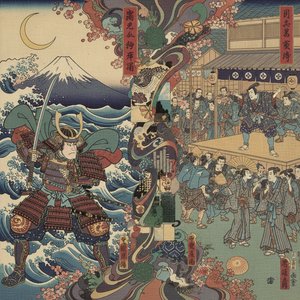
Utagawa Kuniyoshi's "The Sixth Month (Right)" isn’t merely a depiction of a scene; it’s a carefully constructed tableau brimming with seasonal symbolism, narrative suggestion, and the quiet elegance characteristic of the ukiyo-e style. Completed in 1849 during the late Edo period, this woodblock print transcends a simple representation of autumn to become a poignant meditation on impermanence, beauty, and the fleeting nature of time itself. The image immediately draws the eye to a woman, dressed in rich silks and adorned with an elaborate fan, positioned centrally within a meticulously rendered landscape. Her posture exudes grace and composure, yet there’s a subtle melancholy that hints at a deeper story – perhaps a farewell, or a quiet contemplation.
- The Setting: The backdrop is a quintessential Japanese autumn scene—lanterns casting a warm glow on a meticulously detailed garden, framed by the silhouettes of trees ablaze with autumnal hues. This isn’t a dramatic, tempestuous landscape; rather, it's a serene and controlled environment, reflecting an underlying sense of harmony and balance.
- The Figures: The central woman is flanked by two attendants, one kneeling in respectful attendance, presenting a ceremonial offering – likely a seasonal fruit or flower. A second figure stands behind her, partially obscured, adding to the air of mystery and suggesting a narrative unfolding beyond what’s immediately visible.
- Symbolism: The “Sixth Month” itself holds significance in Japanese culture, traditionally associated with harvest festivals and the contemplation of mortality. The presence of lanterns symbolizes illumination and guidance, while the autumnal colors evoke themes of transience and beauty intertwined with sadness.
The Artistry of Utagawa Kuniyoshi: A Master of Narrative Detail
Kuniyoshi was a pivotal figure in ukiyo-e, renowned for his ability to seamlessly blend traditional Japanese motifs with Western artistic influences – particularly the use of perspective and light. His training under Toyokuni I instilled in him a rigorous understanding of composition and technique, but Kuniyoshi quickly developed a distinctive style characterized by dynamic movement, dramatic lighting effects, and an almost theatrical quality. “The Sixth Month (Right)” exemplifies this perfectly; observe how he uses subtle gradations of color to create depth and volume, and the careful attention paid to detail in rendering the textures of silk, wood, and foliage.
Technique: As a woodblock print, the image was created through a complex process involving multiple blocks carved with different colors. Kuniyoshi’s masterful control over these blocks allowed him to achieve an astonishing level of detail and richness in his palette – from the deep reds and browns of the autumn leaves to the delicate blues and greens of the woman's attire. The layering of colors, achieved through careful registration during printing, is a testament to the artist’s skill and precision.A Window into Edo-Period Life and Culture
“The Sixth Month (Right)” offers a fascinating glimpse into the social customs and aesthetic sensibilities of Edo-period Japan. The scene depicts a refined domestic setting, reflecting the wealth and status of its inhabitants. The woman’s attire, the elaborate lanterns, and the ceremonial offering all speak to a culture that valued beauty, ritual, and harmony with nature. Furthermore, Kuniyoshi's incorporation of Western artistic elements – particularly his use of atmospheric perspective – demonstrates a growing awareness of global trends during this period.
Historical Context: Ukiyo-e prints were immensely popular during the Edo period (1603-1868), providing affordable art for a broad audience. They captured scenes from everyday life, historical events, theatrical performances, and mythological tales. Kuniyoshi’s work reflects this diverse range of subject matter, showcasing his versatility as an artist.Bringing “The Sixth Month (Right)” into Your Space
Reproductions of "The Sixth Month (Right)" offer a beautiful way to bring the artistry and spirit of Utagawa Kuniyoshi into your home or office. Whether you choose a large-scale canvas print or a smaller, framed version, this captivating artwork will undoubtedly serve as a conversation starter and a source of inspiration. Its evocative imagery and subtle symbolism resonate with viewers on an emotional level, creating a sense of tranquility and contemplation. Consider pairing it with complementary colors and textures to create a harmonious and visually stunning display.
O artyście
A Life Immersed in the Floating World
Utagawa Kuniyoshi, born Yoshisaburō on January 1, 1798, in Edo (modern-day Tokyo), stands as a towering figure at the close of the *ukiyo-e* tradition – the “pictures of the floating world” that so vividly captured Japanese life during the Edo period. His journey began not amidst artistic circles, but within the practical realm of his father’s silk-dyeing business. This early exposure to color and pattern would subtly inform his later work, imbuing it with a distinctive vibrancy. Even as a young boy, Kuniyoshi was captivated by the dramatic world of *ukiyo-e*, particularly the heroic imagery of warriors and artisans that populated popular prints. These formative impressions ignited within him a passion that would define his life’s pursuit. He entered the studio of Utagawa Toyokuni I in 1811, adopting the name Kuniyoshi and embarking on a rigorous apprenticeship that honed his skills and introduced him to the conventions of the Utagawa school.From Humble Beginnings to Masterful Innovation
Kuniyoshi’s early career was marked by a period of relative obscurity. While proficient in the established styles, he struggled to find his unique voice amidst the crowded landscape of Edo printmaking. His initial works largely mirrored those of his teacher, offering little that distinguished him from his contemporaries. However, this period of exploration proved crucial. He experimented with various genres and techniques, gradually developing a distinctive approach characterized by dynamic compositions, bold colors, and an increasingly sophisticated understanding of narrative storytelling. The breakthrough came in 1827 with the release of *The One Hundred and Eight Heroes of the Popular Suikoden*, a monumental series based on the Chinese novel *Shui Hu Zhuan*. This work catapulted Kuniyoshi to fame, establishing him as a master of *musha-e* – warrior prints. The series wasn’t merely an illustration of heroic tales; it was a showcase for Kuniyoshi's burgeoning talent for dramatic composition and characterization. He didn’t simply depict warriors; he brought them to life with compelling emotion and intricate detail. The sheer scale of the project, involving hundreds of individual prints, demonstrated his growing mastery of the woodblock printing process and his ability to manage a large-scale artistic undertaking.A Synthesis of Tradition and Western Influence
What truly sets Kuniyoshi apart is his willingness to embrace innovation while remaining deeply rooted in Japanese artistic traditions. As the Edo period drew to a close, Japan experienced increasing contact with the West, and Kuniyoshi was among the first *ukiyo-e* artists to incorporate elements of Western perspective and shading into his work. This wasn’t simply imitation; he skillfully integrated these techniques to enhance depth, realism, and dramatic impact. His landscapes, in particular, demonstrate a masterful command of atmospheric effects and spatial relationships, often evoking a sense of grandeur and awe. He frequently studied the works of European painters, particularly those who specialized in landscape painting, meticulously analyzing their use of light, shadow, and perspective. Furthermore, Kuniyoshi’s depictions of figures – especially warriors – benefited from this newfound understanding of three-dimensionality, lending his subjects a greater sense of presence and dynamism. Beyond technique, Kuniyoshi expanded the subject matter of *ukiyo-e*. While traditional themes like beautiful women and Kabuki actors remained popular, he ventured into new territory, depicting historical scenes, mythological creatures, and even satirical commentaries on contemporary society. His triptych *In Minamoto’s Residence the Earth Spider Appears as a Monster* (1843) is a prime example of this daring approach, cleverly disguising political criticism within a fantastical narrative.Major Achievements and Artistic Style
Kuniyoshi's artistic style evolved significantly throughout his career. Initially influenced by Utagawa Toyokuni I, he gradually developed a more individualistic approach characterized by bold colors, dynamic compositions, and a heightened sense of drama. His *musha-e* prints are particularly renowned for their energy and intensity, often depicting battles with a chaotic yet meticulously rendered quality. He was equally adept at producing portraits of Kabuki actors, capturing their flamboyant costumes and expressive performances with remarkable skill. Kuniyoshi’s work is also notable for its use of color – he employed a vibrant palette that was both visually striking and emotionally resonant. He wasn't afraid to experiment with unusual combinations of colors, creating effects that were often startling and unforgettable. His most celebrated achievement remains *The One Hundred and Eight Heroes of the Popular Suikoden*, a sprawling epic that cemented his reputation as one of Japan’s greatest artists. This series, along with other works such as *Tōto meisho* (“Famous Sights of Edo”) and *Tōto Fujimi sanjūrokkei* (“Thirty-six Sites in Edo Overlooking Mount Fuji”), demonstrated his versatility and mastery of various genres.Legacy and Historical Significance
Kuniyoshi’s influence on subsequent generations of artists is undeniable. He left behind a vast and diverse body of work – estimated to number over 5,000 designs – that continues to inspire awe and admiration today. His innovative blending of traditional Japanese aesthetics with Western techniques paved the way for new artistic possibilities, while his willingness to challenge conventions broadened the scope of *ukiyo-e*. He trained numerous students, including Yoshitoshi, who would carry on his legacy into the Meiji period.- Notable series: *The One Hundred and Eight Heroes of the Popular Suikoden*, a landmark achievement in warrior printmaking.
- Masterful compositions: His ability to create dynamic, visually arresting scenes remains unparalleled.
- Innovative techniques: The integration of Western perspective and shading revolutionized *ukiyo-e* landscape painting.
- Broadened subject matter: He expanded the boundaries of *ukiyo-e*, exploring new themes and narratives.
Kuniyoshi Utagawa
1797 - 1861 , Japonia
Krótka nota
- Artistic Movement Or Style: Ukiyo-e
- Artists Or Movements Influenced By This Artist: ['Ozawa Tsuyoshi']
- Artists Who Influenced This Artist: ['Toyokuni I']
- Date Of Birth: 1 stycznia 1798
- Date Of Death: 14 kwietnia 1861
- Full Name: Utagawa Kuniyoshi
- Nationality: Japoński
- Notable Artworks:
- 108 bohaterów...
- Wróżka na pajęczynie
- Most Tōto
- Place Of Birth: Tokio, Japonia

Opcja ze szkłem jest dostępna wyłącznie w rozmiarach poniżej 110 cm