

 Zobacz w skali 1:1
 Wyślij
 Udostępnij
 Szczegóły
 Przewodnik

 Pobierz plik obrazu
 Podobne obiekty
 RTG
RTG Pokaz slajdów
 Statystyki
Beauty in Snow
 Ukiyo-e
 90.0 x 29.0 cm
 Czytaj więcej
Giclée / Wydruk artystyczny
Wydruki giclée lub płótna o jakości muzealnej, szybka realizacja i szeroki wybór opcji wykończenia. ( Kup ręcznie malowany obraz Przełącz na wersję cyfrową)




P118B $10

P118H $10

P118W $10

P438Z $10

P508JH $12

P508YH $12

P805H $10

P805Z $10

P919BZ $10

P919G $10

P919XJ $10

P959ZH $10

P968JZ $12

W106C $8

W218G $10

W218JH $8

W218Y $10

W307PJ $10

W316G $10

W316PJ $8

W316Y $10

W398PJ $8

W4111J $10

W500HY $15

W500JH $15

W692G $12

W849H $8

W940BG $15

W953PJ $8




Wybierz spośród naszych standardowych rozmiarów, które zachowują oryginalne proporcje dzieła sztuki.

Możesz wprowadzić własne wymiary, aby dopasować dzieło do konkretnej ramy lub przestrzeni. Jeśli wybrany rozmiar nie będzie odpowiadał proporcjom oryginalnego obrazu, przytniecie dzieło lub rozszerzymy obraz za pomocą odbicia lustrzanego lub jednolitego wypełnienia krawędzi. Przed rozpoczęciem produkcji prześlemy cyfrową wizualizację do Twojej akceptacji.
Prosimy pamiętać, że podgląd na ekranie nie odzwierciedla faktycznego przycinania ani rozszerzania. Tylko wizualizacja dokładnie pokaże końcową kompozycję.
Mimo dostępności niestandardowych rozmiarów, zalecamy wybór wymiaru z listy zdefiniowanej, aby zachować oryginalne proporcje.
Dostawa na cały świat () w ciągu 2 tygodni zamiast standardowych 4/5 tygodni. (25 Wrzesień)

Bezpłatna ekspresowa wysyłka na cały świat

Wysokiej jakości płótno lniane

Pełne ubezpieczenie transportowe

Gwarancja zwrotu należności celnych i podatków importowych

Gwarancja idealnego odwzorowania barw

100-dniowy okres na zwrot dzieła w przypadku wykrycia wad produkcyjnych

Gwarancja 100% zwrotu pieniędzy

Oferta przy zakupie wielu sztuk
 Opcja ze szkłem jest dostępna wyłącznie w rozmiarach poniżej 110 cm

Beauty in Snow
Giclée / Wydruk artystyczny
Rozmiar reprodukcji
-


Suma do zapłaty
$ 80
Biografia artysty
Utagawa Kunimasa: A Master of Edo Period Drama and Elegance
Utagawa Kunimasa (歌川 国政; 1773 – December 26, 1810) stands as a pivotal figure in the history of Japanese ukiyo-e art, specifically within the influential Utagawa school. Born in Aizuwakamatsu, Iwashiro Province, Kunimasa’s artistic journey began humbly—working initially in a dye shop—before attracting the mentorship of Utagawa Toyokuni, arguably the most celebrated artist of his time. This formative relationship profoundly shaped Kunimasa's distinctive style, characterized by an ambitious synthesis of Sharaku’s dramatic intensity and Toyokuni’s refined decorative sensibilities.Early Life and Artistic Formation
Kunimasa’s early life was marked by a dedication to craftsmanship and artistic training. His apprenticeship under Toyokuni wasn’t merely about technical skill; it instilled in him an understanding of the broader aesthetic goals of ukiyo-e—to capture fleeting moments of beauty and emotion with unparalleled precision. Toyokuni's influence ensured Kunimasa wouldn’t simply replicate his mentor’s style but would forge a path toward originality, blending stylistic elements into a cohesive artistic vision. This careful guidance established a foundation for Kunimasa’s future endeavors, prioritizing both meticulous technique and profound aesthetic awareness.A Distinctive Artistic Style
Kunimasa’s artistic signature is instantly recognizable: a masterful command of color and composition that elevates ukiyo-e prints beyond mere depictions to immersive experiences. Critics debate whether he fully achieved Sharaku's visceral impact, yet Kunimasa undeniably succeeded in conveying dynamism and psychological depth—traits that distinguish his oeuvre from many contemporaries. His use of bold hues and carefully orchestrated perspectives created a palpable sense of drama, particularly evident in his yakusha-e portraits and bijin-ga paintings. He skillfully employed techniques like gradation shading and meticulous detail to imbue his subjects with life and emotion. This innovative approach cemented Kunimasa’s reputation as a visionary artist who transcended conventional artistic conventions.Notable Works: Kabuki Actors and Beautiful Women
Kunimasa’s artistic output produced several iconic pieces that continue to captivate audiences today. Among the most celebrated are his yakusha-e portraits of Kabuki actors, notably Sawamura Sojuro III as Kiyomori (Beauty in Snow), which exemplifies his ability to capture the essence of theatrical performance—the subtle expressions and gestures conveying profound emotion. Similarly, his bijin-ga paintings showcase an exquisite appreciation for feminine beauty, portraying women with grace and sophistication. The Shintomiza Joruri, Constitution Festival Picture is another remarkable achievement, demonstrating Kunimasa’s talent for capturing complex narratives within a single image. These works stand as testament to his exceptional artistic skill and his profound understanding of Japanese cultural traditions.Legacy and Influence
Utagawa Kunimasa's influence extends far beyond his own lifetime. He served as an inspiration to subsequent generations of ukiyo-e artists who embraced his stylistic innovations—a harmonious blend of intensity and elegance—solidifying his place as one of the Utagawa school’s foremost masters. His meticulous attention to detail, combined with a profound understanding of theatrical conventions and visual storytelling, established standards that continue to resonate within Japanese art history. Today, Kunimasa's works reside in prestigious museums worldwide, guaranteeing his enduring legacy as a cornerstone of Edo period artistic achievement.
Utagawa Kunimasa
1773 - 1810 , Japonia
Najważniejsze informacje
- Artistic Movement Or Style: Utagawa School
- Artists Or Movements Influenced By This Artist: ['Sharaku']
- Artists Who Influenced This Artist: ['Toyokuni']
- Date Of Birth: 1773
- Full Name: Utagawa Kunimasa
- Nationality: Japanese
- Notable Artworks:
- Cat Theatre
- Beauty in Snow
- Shintomiza Joruri
- Place Of Birth: Aizuwakamatsu, Japan
Zobacz także powiązane artykuły
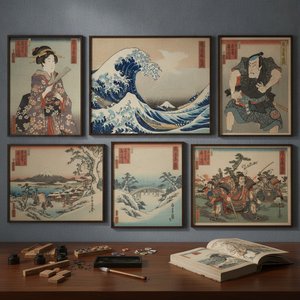
Ukiyo-e: The Art of the Floating World and the Legacy of Japanese Woodblock Masters
Explore the profound history of Ukiyo-e, from Hokusai's iconic waves to the vibrant culture of Edo Japan. Discover the intricate craft of woodblock printing and the enduring legacy of these Japanese masterpieces through our expert art history guide.

Beyond the Great Wave: The High-Impact Visual Revolution of Japanese Landscape Art
Go beyond Hokusai's Great Wave. Explore the high-impact, graphic world of Japanese Ukiyo-e landscapes and urban prints. Discover how these bold, vibrant woodblock masterpieces continue to shape modern pop culture and contemporary design aesthetics.
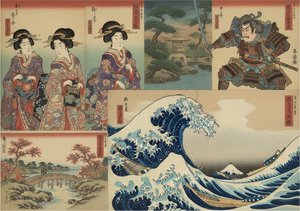
Ukiyo-e: Obrazy Przepływającego Świata – Historia, Techniki i Trwałe Dziedzictwo Japońskiej Sztuki
Poznaj fascynujący świat ukiyo-e – japońskich drzeworytów z okresu Edo. Historia, techniki, artyści i wpływ na sztukę zachodnią. Ekspercka analiza dla miłośników sztuki i kolekcjonerów.

Katsushika Hokusai: 25 Arcydzieł Sztuki Japońskiej dla Kolekcjonerów i Miłośników Dekoracji
Odkryj 25 arcydzieł Katsushika Hokusai, mistrza ukiyo-e! Poznaj historię Wielkiej Fali i innych ikonicznych drzeworytów. Inspiracje wnętrzarskie i reprodukcje obrazów najwyższej jakości na OriginalUniqueArt.com – sztuka japońska dla Twojego domu.

Floating Worlds: The Captivating Magic and Timeless Legacy of Japanese Ukiyo-e Art
Explore the ephemeral beauty of Japanese Ukiyo-e art. From the dynamic warriors of Kuniyoshi to serene landscapes, discover the profound history, masterful techniques, and global influence of these iconic woodblock prints in our deep cultural retrospective.