

 Podgląd w skali 1:1
 Wyślij jako kartkę
 Udostępnij
 Szczegóły dzieła
 Przewodnik

 Pobierz obraz
 Podobne obiekty
 RTG
RTG Pokaz slajdów
 Statystyki
Stacja 23 Fujieda


 Rozwiń treść
Giclée / Wydruk artystyczny
Wydruki giclée lub płótna o jakości muzealnej, szybka realizacja i szeroki wybór opcji wykończenia. ( Zamów ręcznie malowaną reprodukcję Przejdź do wersji cyfrowej)




P118B zł10

P118H zł10

P118W zł10

P438Z zł10

P508JH zł12

P508YH zł12

P805H zł10

P805Z zł10

P919BZ zł10

P919G zł10

P919XJ zł10

P959ZH zł10

P968JZ zł12

W106C zł8

W218G zł10

W218JH zł8

W218Y zł10

W307PJ zł10

W316G zł10

W316PJ zł8

W316Y zł10

W398PJ zł8

W4111J zł10

W500HY zł15

W500JH zł15

W692G zł12

W849H zł8

W940BG zł15

W953PJ zł8




Wybierz spośród naszych standardowych rozmiarów, które zachowują oryginalne proporcje dzieła sztuki.

Wpisz wymaganą szerokość i wysokość, aby dopasować grafikę do ramy lub ściany. Wydruk można jedynie przyciąć, nigdy nie powiększając go poza oryginalny obraz, dlatego format o innych proporcjach spowoduje utratę części kompozycji. Przed rozpoczęciem druku prześlemy Ci cyfrowy podgląd do zatwierdzenia. Obraz wyświetlany na tej stronie nie pokazuje rzeczywistego przycięcia — jedynie podgląd oddaje ten efekt.
Dostawa na cały świat () w ciągu 2 tygodni zamiast standardowych 4/5 tygodni. (27 Październik)

Bezpłatna ekspresowa wysyłka na cały świat

Wysokiej jakości płótno lniane

Pełne ubezpieczenie przesyłki

Gwarancja zwrotu należności celnych i podatków importowych

Gwarancja wiernego odwzorowania kolorów

100-dniowa polityka zwrotów (tylko w przypadku wad)

Gwarancja 100% zwrotu pieniędzy

Zniżka przy zakupie wielu sztuk
 Opcja ze szkłem jest dostępna wyłącznie w rozmiarach poniżej 110 cm

Stacja 23 Fujieda
Giclée / Wydruk artystyczny
Wymiary reprodukcji
-


Cena całkowita
zł 307
A Poetic Echo of Edo Japan: Exploring Hiroshige’s Station 23
Utagawa Hiroshige (1797-1858), a titan amongst *ukiyo-e* artists, didn't merely depict landscapes; he crafted visions imbued with the spirit of his era—a time of burgeoning commerce alongside profound cultural conservatism. “Station 23, Fujieda,” produced around 1847/52, exemplifies this masterful blend of observation and imagination. More than just a scenic portrayal of a coastal town nestled in Fuji Prefecture, it’s a window into the anxieties and aspirations of Edo society during its twilight years.
- Subject Matter: The print captures a bustling beach scene dominated by a horse-drawn carriage carrying passengers. Amidst this activity is a solitary dog, adding an element of quiet contemplation to the energetic tableau.
- Style & Technique: Hiroshige’s signature style—known as *tokaido* or “the journey”—is characterized by meticulous detail and atmospheric perspective. The artist skillfully employs woodblock printing techniques to achieve subtle gradations of color and texture, creating a sense of depth that transcends the flatness inherent in this medium.
- Historical Context: Produced during the reign of Emperor Tokugawa Minhō, Station 23 reflects the growing influence of Western ideas on Japan’s artistic sensibilities. However, Hiroshige retains a distinctly Japanese aesthetic, prioritizing harmony and conveying emotion through carefully considered composition and tonal variations.
Symbolism Within Tranquility: Interpreting Visual Elements
Beyond its immediate depiction of Fujieda Beach, Station 23 resonates with symbolic significance. The horse-drawn carriage represents the movement of commerce and societal progress—albeit tempered by the stillness of the sea. The dog, often interpreted as a symbol of loyalty and companionship, offers a counterpoint to the human activity surrounding it. Hiroshige’s masterful use of light and shadow enhances these interpretations, creating an emotional landscape that invites contemplation.
Hiroshige's Legacy: Influence Beyond Japan
Station 23 stands as testament to Hiroshige’s enduring impact on Western art history. Impressionists like Claude Monet and Vincent van Gogh were profoundly moved by his landscapes, recognizing in them a precursor to their own explorations of light and color. Hiroshige's ability to capture fleeting moments of beauty—a skill honed through years of painstaking observation—became a cornerstone of the Impressionist aesthetic.
Resources for Further Exploration
- Artwork Database: Station 23, Fujieda
- Artist Database: Hiroshige Utagawa II & Toyokuni Utagawa IV
- Artist Database: Hiroshige I, Utagawa Kiemon & Tsuruya
- Artist Database: Utagawa Hiroshige
- Museum Database: Nakagawa-machi Bato Hiroshige Museum of Art
Pytania i odpowiedzi
Jaki jest format dzieła "Stacja 23 Fujieda"?
„Stacja 23 Fujieda” – Utagawa Hiroshige to kompozycja w formacie Orientacja pozioma. Warto sprawdzić proporcje przed wyborem rozmiaru wydruku.
Czy Stacja 23 Fujieda jest w ogólnym ujęciu jasny?
Postrzegana jasność dzieła „Stacja 23 Fujieda” – Utagawa Hiroshige wynosi świetlisty. Można ją dopasować do oświetlenia w docelowym pomieszczeniu.
Jaki rozmiar wydruku jest zalecany dla dzieła "Stacja 23 Fujieda"?
Zalecany rozmiar wydruku dla „Stacja 23 Fujieda” – Utagawa Hiroshige to Duży format.
Biografia artysty
A Poetic Vision of Edo Japan: The Life and Art of Utagawa Hiroshige
Utagawa Hiroshige, born Andō Tokutarō in 1797 in the bustling city of Edo (modern Tokyo), stands as a pivotal figure in the world of *ukiyo-e*, or “pictures of the floating world.” Though deeply rooted in the traditions of Japanese woodblock printing, Hiroshige transcended mere replication, imbuing his landscapes with a poetic sensibility that resonated profoundly both within Japan and, later, across the Western art world. His life unfolded during a period of relative peace and prosperity under the Tokugawa shogunate, yet also one marked by increasing social change and eventual westernization – forces that would ultimately contribute to the decline of *ukiyo-e* even as they amplified Hiroshige’s enduring legacy. Initially destined for a more conventional path within a samurai family—his father served as a fire warden—Hiroshige's artistic inclinations led him to apprenticeship under Utagawa Toyohiro, a master of the Utagawa school. This proved a crucial turning point, steering him away from the popular depictions of courtesans and actors favored by many *ukiyo-e* artists toward a focus on landscape, a genre he would ultimately redefine.From Genre Scenes to Evocative Landscapes
Hiroshige’s early work adhered to the conventions of his school, featuring portraits and scenes from daily life. These initial pieces demonstrated technical proficiency but lacked the distinctive vision that would later characterize his most celebrated works. However, it was his embrace of landscape that truly distinguished him. Influenced by earlier masters like Hokusai—whose *Thirty-six Views of Mount Fuji* had already captivated audiences—Hiroshige developed a unique style characterized by atmospheric perspective, subtle color palettes, and a profound sensitivity to the changing seasons. He didn’t merely depict places; he evoked their mood, capturing the essence of a particular moment in time. The series *The Fifty-three Stations of the Tōkaidō* (1833–1834), perhaps his most celebrated achievement, exemplifies this approach. This monumental work documented the journey along the Tōkaidō road, the main route connecting Edo to Kyoto, not as a straightforward travelogue but as a series of evocative vignettes—a sudden rain shower at Shono, a distant view of Mount Fuji from Kanaya, the bustling activity at Odawara. Each print is imbued with a sense of transience and quiet beauty, inviting viewers to experience the journey alongside the travelers. He masterfully employed *bokashi*, a technique involving multiple impressions to create subtle gradations of color, adding depth and atmosphere to his compositions. The careful layering of colors, achieved through painstaking printing processes, created an illusion of movement and light—a hallmark of Hiroshige’s distinctive style.A Master of Atmosphere and Technique
Hiroshige's technical skill was as remarkable as his artistic vision. He wasn't simply interested in accurate representation; he sought to capture the *feeling* of a place. His use of color, though often restrained compared to some of his contemporaries, was crucial in achieving this effect. He frequently employed multiple blocks for a single color, allowing him to create nuanced shades and atmospheric effects that were incredibly difficult to replicate. The delicate washes of blue in his depictions of rain or mist, the warm hues of autumn foliage—these weren’t accidental; they were carefully considered elements designed to evoke specific emotions and sensations. Beyond *bokashi*, Hiroshige was adept at utilizing blank space – *ma* – a concept central to Japanese aesthetics, allowing areas of the print to “breathe” and enhancing the overall sense of tranquility. His series *One Hundred Famous Views of Edo* (1856–1858) further showcased his mastery, offering intimate glimpses into the life and landscapes of his beloved city. These prints weren’t simply topographical representations; they were carefully constructed narratives, capturing the energy and rhythm of urban life—the flow of people along the streets, the smoke rising from tea houses, the reflections in canals.The Enduring Legacy: Japonisme and Beyond
Though the *ukiyo-e* tradition began to wane after Hiroshige’s death in 1858—a decline accelerated by the Meiji Restoration and the subsequent influx of Western culture—his influence on the art world proved remarkably enduring. In the late 19th century, Japanese prints flooded Europe, sparking a phenomenon known as *Japonisme*. Artists like Édouard Manet, Claude Monet, and Edgar Degas were captivated by the bold compositions, flattened perspectives, and unconventional color schemes of *ukiyo-e*, incorporating these elements into their own work. Vincent van Gogh was particularly enthralled with Hiroshige’s prints, creating copies of several, including “Flowering Plum Tree after Hiroshige,” demonstrating his deep admiration for the Japanese master's use of color and composition. Hiroshige’s influence extended beyond painting; it can be seen in architecture, design, and even literature. Today, Utagawa Hiroshige is remembered not only as a brilliant artist but also as a cultural ambassador who helped bridge the gap between East and West, leaving an indelible mark on the history of art. His serene landscapes continue to inspire awe and contemplation, reminding us of the beauty and transience of the natural world.Notable Works
- The Fifty-three Stations of the Tōkaidō: Hiroshige’s most famous series, depicting the journey along the main road between Edo and Kyoto.
- One Hundred Famous Views of Edo: A captivating portrayal of life and landscapes in his beloved city.
- Influence on Vincent van Gogh's Japonaiserie Series: Including “Flowering Plum Tree after Hiroshige,” demonstrating Van Gogh’s deep admiration for the Japanese master.

Utagawa Hiroshige
1797 - 1858 , Japonia
Krótka nota
- Artistic Movement Or Style: *Ukiyo-e*
- Artists Or Movements Influenced By This Artist:
- Manet
- Monet
- Van Gogh
- Artists Who Influenced This Artist: ['Hokusai']
- Date Of Birth: 1797
- Date Of Death: 1858
- Full Name: Utagawa Hiroshige
- Nationality: Japoński
- Notable Artworks:
- 53 Stacje Tōkaidō
- 100 Znanych Widoków Edo
- Place Of Birth: Tokio, Japonia
Powiązane artykuły

Romantyczny Krajobraz w Malarstwie: 10 Arcydzieł, Które Zdefiniowały Epokę | OriginalUniqueArt.com
Odkryj 10 arcydzieł romantyzmu w malarstwie! Poznaj historie Caspara Davida Friedricha, Turnera i innych mistrzów. Inspiracje wnętrzarskie & reprodukcje obrazów najwyższej jakości na OriginalUniqueArt.com. Eksploruj kolekcję online!

Katsushika Hokusai: 25 Arcydzieł Sztuki Japońskiej dla Kolekcjonerów i Miłośników Dekoracji
Odkryj 25 arcydzieł Katsushika Hokusai, mistrza ukiyo-e! Poznaj historię Wielkiej Fali i innych ikonicznych drzeworytów. Inspiracje wnętrzarskie i reprodukcje obrazów najwyższej jakości na OriginalUniqueArt.com – sztuka japońska dla Twojego domu.
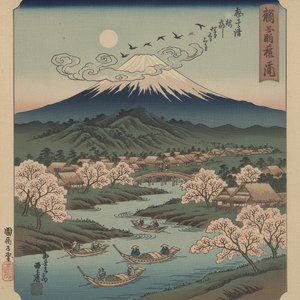
Ukiyo-e's Poetic Visionary: Hiroshige Ando & the Transformation of Landscape in 19th-Century Japan
Explore the life & art of Ando Hiroshige, Japan's last great ukiyo-e master. Discover his iconic landscapes, poetic style, and profound influence on Western Impressionism. Learn about The Fifty-Three Stations & more!

Evocations of Place: A Historical Journey Through Landscape Art
Explore the rich history of landscape art with OriginalUniqueArt. Discover renowned artists, movements like Impressionism & Romanticism, and expert guidance for collecting timeless pieces. Find your perfect serene escape today!
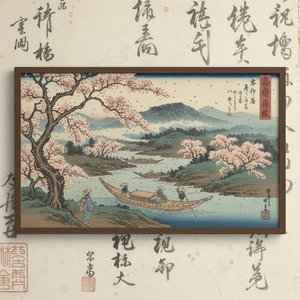
Ephemeral Landscapes: Hiroshige's Poetics of Transient Beauty in Edo Japan
Explore the captivating world of Utagawa Hiroshige's ukiyo-e landscapes. Discover his artistic innovations, influence on Western art, and the poetics of transient beauty in Edo period Japan. A guide for collectors & enthusiasts.


